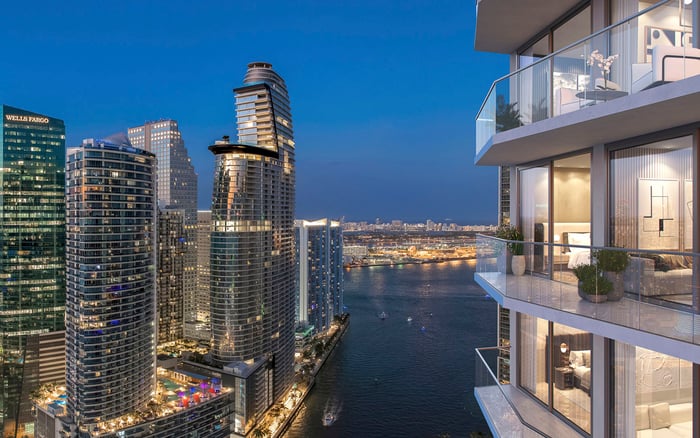
A buyer-focused comparison of Delano Residences & Hotel Miami and 619 Residences by Foster + Partners + Nobu Hospitality through the lens of acoustic comfort, technology infrastructure, and private remote-work living during high-energy moments.
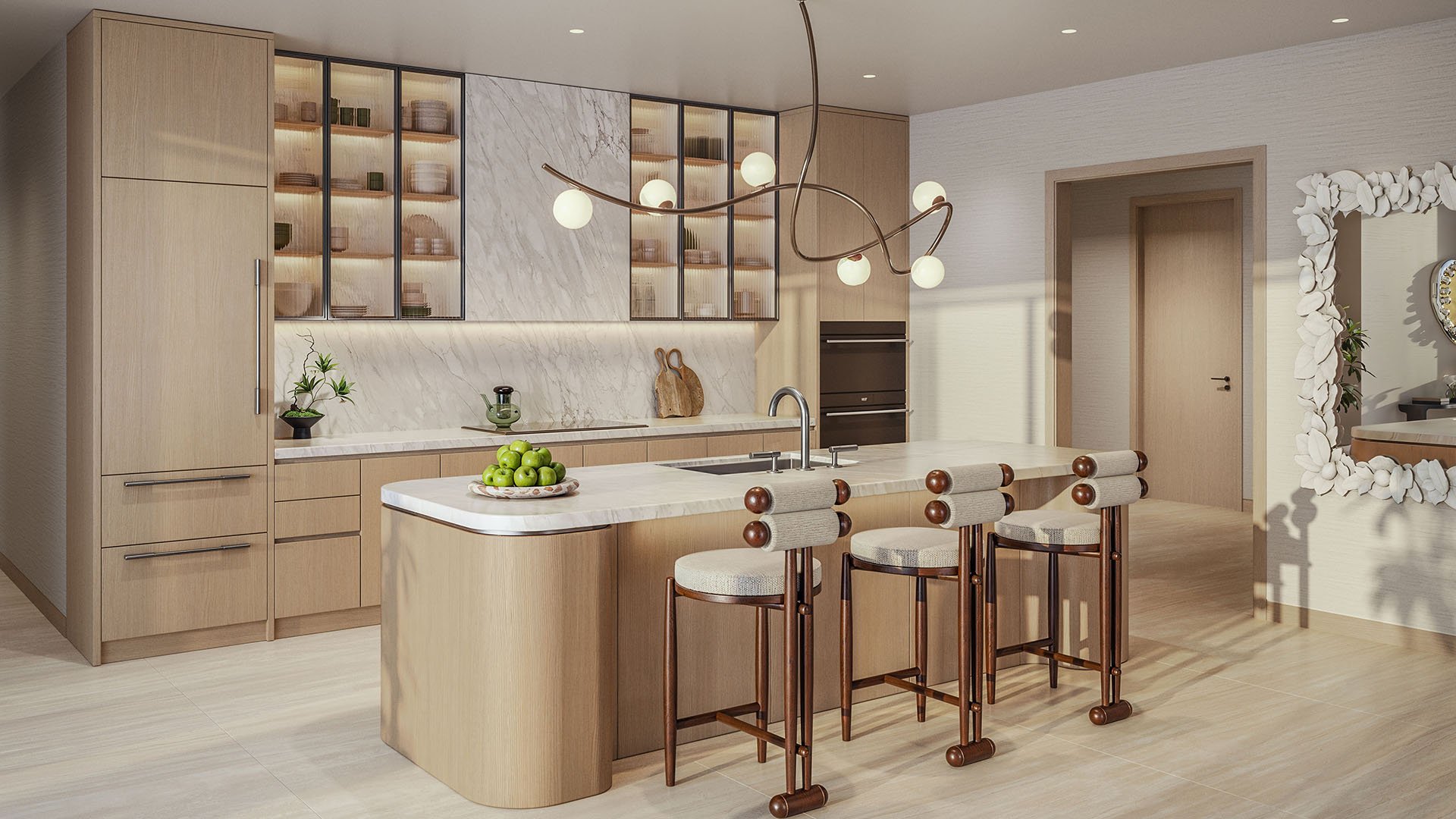
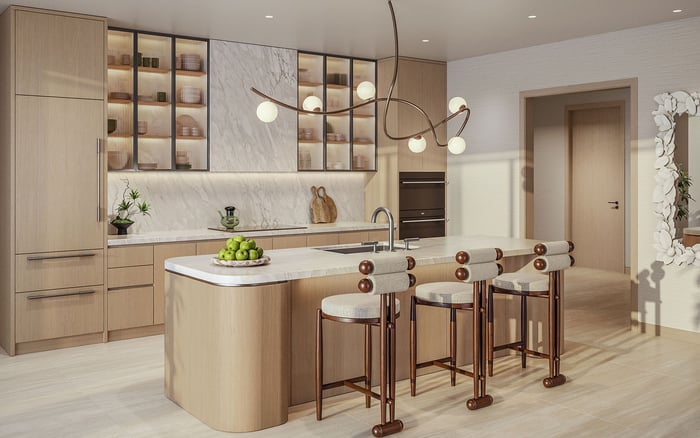
For the South Florida buyer moving between board calls, family life, private entertaining, and branded hospitality, privacy is no longer defined only by square footage or elevator access. It is the ability of a residence to stay composed when the building, the neighborhood, or the social calendar becomes active. That is the central lens for comparing Delano Residences & Hotel Miami with 619 Residences by Foster + Partners + Nobu Hospitality.
Both names speak to a buyer seeking more than a conventional condominium. The Delano name signals a hospitality-inflected lifestyle, while 619 Residences by Foster + Partners + Nobu Hospitality places architecture and service culture at the center of its identity. Yet the more consequential question for an ultra-premium buyer is intimate: which residence can protect a private workday, a confidential conversation, a sleeping child, or a quiet dinner while events are unfolding nearby?
The search often sits at the intersection of Miami Beach lifestyle, Brickell access, Condo-hotel services, New-construction expectations, Pre-construction decision-making, and Investment discipline. In that context, the strongest residence is not necessarily the most theatrical. It is the one that gives drama to the public realm and calm to the private one.
Acoustic comfort should be treated as a core building system, not a decorative afterthought. In residences associated with hospitality, dining, branded amenities, arrivals, terraces, and events, sound can move in ways that are not obvious during a polished sales presentation. Buyers should look beyond whether a room feels quiet at noon on a weekday. The more meaningful test is how bedrooms, studies, and primary living areas perform when the building is fully active.
For Delano Residences & Hotel Miami, the buyer should focus on the relationship between private residences and any hotel-oriented or social programming. The right questions are practical: how are guest paths separated from resident paths, where are mechanical systems located, how are amenity levels buffered, and what assemblies are used between residential and public-facing zones? A residence can offer a glamorous atmosphere, but the premium buyer needs to know whether that atmosphere stops at the front door.
For 619 Residences by Foster + Partners + Nobu Hospitality, the conversation should turn to architectural discipline and how the building organizes serenity. A design-led residence should be evaluated through the depth of its quiet moments: the stillness of the bedroom wing, the placement of the work area, the ability to close off service movement, and the character of glazing, walls, corridors, and elevator lobbies. Nobu Hospitality may shape the service experience, but privacy depends on how circulation and structure contain energy.
Remote work has made technology infrastructure part of the privacy conversation. A buyer may have secure calls, market-sensitive documents, telehealth appointments, family office meetings, or international video conferences taking place inside the residence. In that world, a beautiful study with inconsistent connectivity is not a study. It is a risk.
The right due diligence begins with redundancy. Buyers should ask how internet service enters the building, whether there are options for multiple providers, how wiring is distributed inside residences, and how easily a dedicated private network can be configured. Smart-home systems should enhance discretion rather than create dependence on shared platforms or overly visible controls. The most refined technology is often the least conspicuous: stable, quiet, secure, and resilient.
At Delano Residences & Hotel Miami, the key issue is how residential digital needs are separated from hospitality activity. Hotel-style operations can create a dynamic environment, and the buyer should understand whether resident networks, access systems, package notifications, visitor management, and service requests are structured for privacy. The goal is seamlessness without exposure.
At 619 Residences by Foster + Partners + Nobu Hospitality, the architectural and service promise should be matched by infrastructure that supports modern private life. A buyer should consider where routers, equipment closets, low-voltage wiring, and work zones can be placed without compromising interiors. The best residences make high-performance connectivity feel inevitable, not improvised.
The most demanding buyer is not asking whether a residence is quiet on an ordinary day. They are asking whether it remains usable during an opening party, seasonal celebration, peak dining period, cultural week, waterfront gathering, or building event. South Florida’s luxury calendar can be intense, and residences tied to hospitality or high-design brands may attract attention.
The remote-work test is direct: can two people take confidential calls in different rooms while guests arrive downstairs, amenities are occupied, and service teams move through the building? If the answer depends on luck, the residence is not sufficiently private. If the plan provides a true study, a secondary work niche, doors that isolate sound, and bedroom zones insulated from social areas, the residence becomes more than a home. It becomes a controlled environment.
Buyers should also study the approach sequence. Privacy begins before the front door. The path from arrival to elevator, from elevator to residence, and from residence to amenity should feel intentional. A private elevator is valuable only when supported by thoughtful lobby management, service separation, visitor protocols, and staff discretion. Acoustic privacy and social privacy are related; one protects the ear, the other protects the life.
A principal-level comparison should not be seduced by brand alone. Delano Residences & Hotel Miami may appeal to buyers who want a hospitality atmosphere with a strong lifestyle identity. 619 Residences by Foster + Partners + Nobu Hospitality may appeal to buyers who prioritize architecture, design pedigree, and a service culture associated with refined ritual. Both propositions can be compelling, but the better choice depends on the buyer’s daily pattern.
A buyer who hosts frequently, enjoys visible social energy, and uses the residence as a seasonal base may value a more animated hospitality ecosystem. A buyer who works daily from home, travels with staff, takes confidential calls, or requires predictable silence may give greater weight to floor plan separation, acoustic assemblies, and private operational protocols. Neither priority is more luxurious than the other. The distinction is lifestyle truth.
The most revealing exercise is to map a full week. Include early calls, late arrivals, a private dinner, a child’s bedtime, a trainer visit, a staff delivery, and a building event. Then ask how each moment functions inside the residence. Luxury is not only what happens when everything is perfect. It is what remains protected when the building is alive.
Before contract, buyers should request detailed information on acoustic design, window performance, demising walls, mechanical locations, elevator adjacencies, amenity placement, and service routes. They should ask whether studies or dens are fully enclosed, whether bedrooms share walls with high-traffic zones, and whether terraces introduce sound exposure that affects interior use.
Technology questions should be equally specific. Ask about provider options, backup connectivity, in-residence wiring, equipment locations, access-control systems, package and visitor notification privacy, and the ability to create separate networks for family, staff, guests, and work. A residence that supports multiple layers of digital life will feel more private than one that simply offers a glossy smart-home interface.
Finally, buyers should study governance. Event rules, resident-only areas, elevator protocols, guest registration, service staff access, and amenity reservation policies all shape the lived experience. In the ultra-premium market, privacy is often protected less by a single feature than by a complete operating culture.
Which residence is better for a buyer who works from home daily? The better choice is the one with stronger room separation, reliable connectivity, and a quieter relationship to amenities and event spaces.
Why does acoustic comfort matter in a branded residence? Branded residences often pair private homes with active social or hospitality environments, so sound control becomes central to daily comfort.
Should buyers prioritize a private elevator? A private elevator is valuable, but it should be supported by discreet lobby management, visitor protocols, and service separation.
What should be reviewed before buying pre-construction? Buyers should review floor plans, acoustic details, technology infrastructure, amenity adjacencies, and operating rules before committing.
Is a hotel component a concern for privacy? It can be, depending on how residential areas, guest circulation, service routes, and event spaces are separated and managed.
How can a buyer evaluate remote-work privacy? Test whether the residence can support confidential calls, stable video meetings, and quiet work during peak building activity.
Are smart-home systems enough to ensure privacy? No. Smart systems should be paired with secure networks, thoughtful wiring, and clear separation between resident and guest access.
What role does floor plan design play? Floor plan design determines whether bedrooms, studies, and living areas can be isolated from noise, service movement, and social activity.
Which buyer profile may prefer Delano Residences & Hotel Miami? It may suit a buyer who values a hospitality-forward lifestyle and wants private residential comfort within a socially animated setting.
Which buyer profile may prefer 619 Residences by Foster + Partners + Nobu Hospitality? It may suit a buyer who places design discipline, service culture, and controlled daily rituals at the center of the decision.
To compare the best-fit options with clarity, connect with MILLION.
If branded residences are on your mind — as a home or as an allocation — we would be glad to share what we are seeing, privately.
Begin a quiet conversation