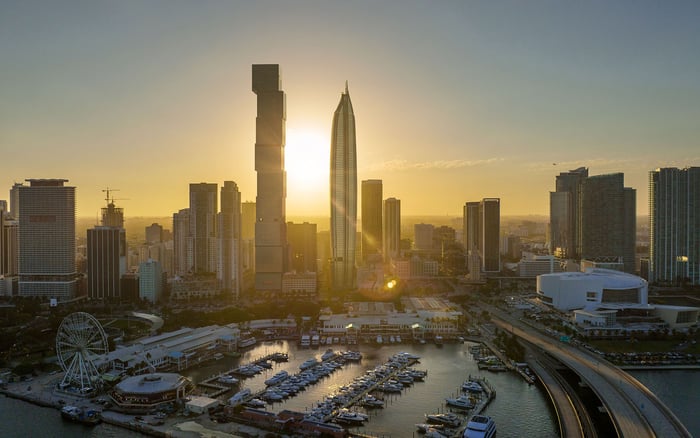
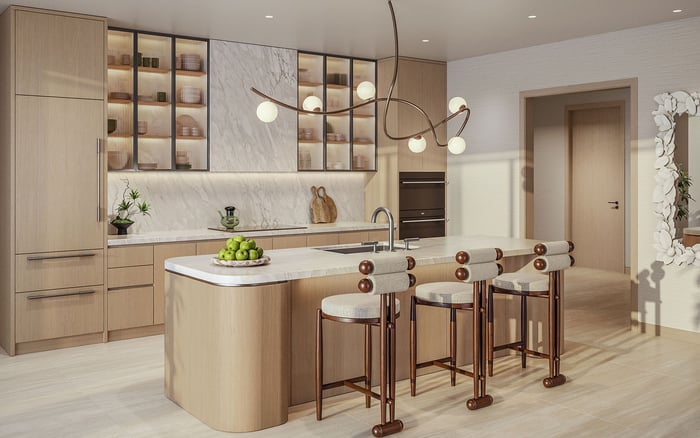
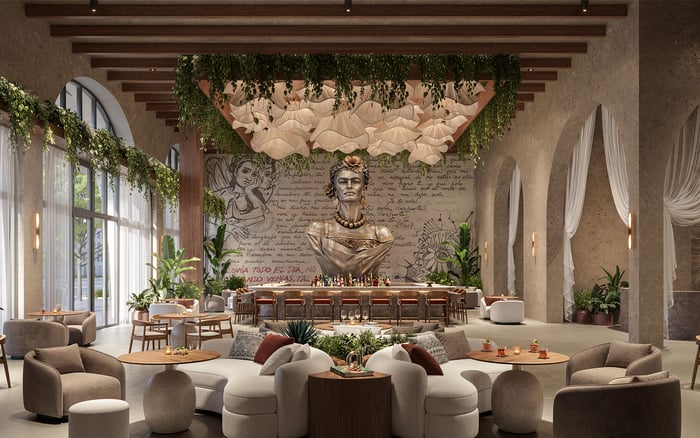
A discreet buyer framework for evaluating art-delivery access, residence logistics, service corridors, insurance readiness, and hotel-residence boundaries at a potential Delano Residences & Hotel Miami opportunity in 2026.
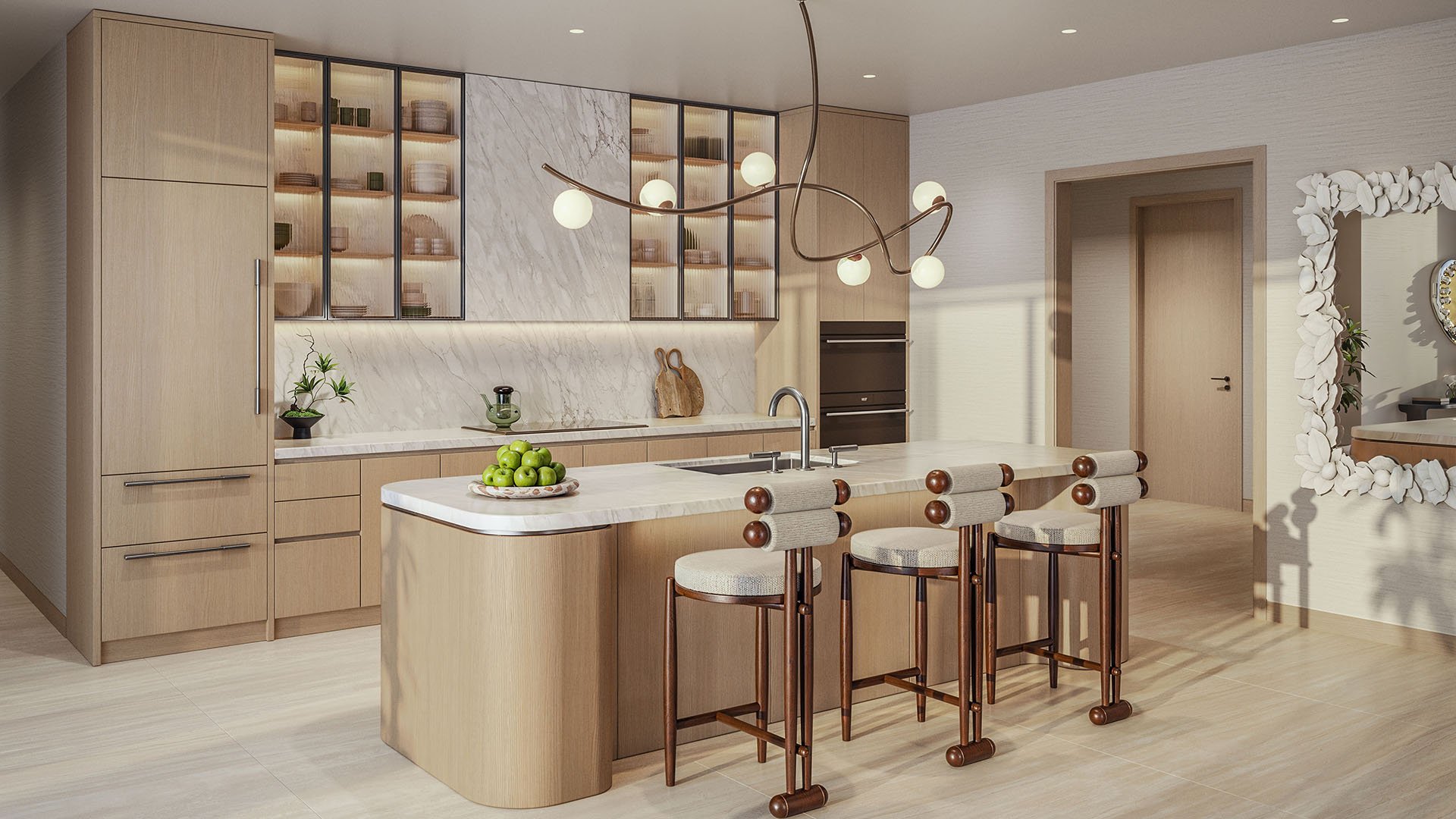
For a buyer considering Delano Residences & Hotel Miami in 2026, the essential question is not whether the address feels glamorous. It is whether the building can receive, protect, route, and install significant art quietly, without turning a private acquisition into a logistical event. In Miami’s upper tier, art is no longer a decorative afterthought. It is often part of the family office balance sheet, part of the emotional architecture of a second home, and part of how owners define permanence.
The buyer test begins before the first finish palette is admired. Where does a crate arrive? How is it screened? Which elevator receives it? Can a large-format work move from truck to residence without passing through visible hospitality areas? Is there a secure holding zone if weather, staffing, or installation sequencing changes? These questions are not glamorous, but they separate a resort-branded fantasy from a livable collector’s residence.
Delano as a name evokes hotel culture, design memory, and a Miami sensibility built around atmosphere. Yet collectors should judge any hotel-residence proposition by the parts guests never see. The service spine, access policy, management protocol, and insurance readiness may matter more than the pool scene. A residence that handles art gracefully gives owners confidence to live with important work rather than store it elsewhere.
The 2026 buyer is less easily impressed by a branded facade. Many have already owned in full-service buildings, traveled through the best hotel suites, and experienced the friction that occurs when lifestyle promises meet building operations. In that context, art-delivery access becomes a proxy for overall competence. If a property can choreograph a delicate delivery, it is more likely to manage privacy, staff movement, owner requests, and high-value residential routines with maturity.
This is especially relevant in Miami Beach environments, where arrival sequences, curb activity, hospitality programming, and residential privacy can overlap. A buyer who uses the city seasonally may still require museum-level readiness on short notice. A work may arrive during peak social weeks. A designer may need installation access while the owner is abroad. A lender, insurer, or advisor may request documentation before approving movement. The building either has a clear answer, or the buyer inherits uncertainty.
In the buyer file, the relevant lenses may include Miami Beach, art-season timing, new construction, hotel-residence operations, pre-construction planning, and investment discipline. Each describes a different pressure point. Miami Beach suggests constrained, visible, high-demand access. Art-season timing signals a calendar when art movement becomes part of the city’s rhythm. New construction and pre-construction raise the question of whether back-of-house promises are designed in early enough. Hotel-residence operations introduce the tension between guest energy and owner discretion. Investment discipline reminds the buyer that operational quality affects resale confidence as much as aesthetic appeal.
A serious buyer should ask for a complete delivery narrative, not a vague assurance. The first issue is exterior arrival. A covered, protected, and discreet point of entry is preferable, particularly when humidity, rain, and visibility matter. A building that depends on curbside improvisation may be acceptable for furniture, but art often requires a more exacting path.
The second issue is vertical movement. Elevator dimensions, weight capacity, reservation rules, wall protection, service access, and after-hours availability all matter. A residence with generous interior walls loses practical value if the building cannot move the intended work upstairs. Buyers should not assume that ceiling height inside the unit means the art can reach the unit without compromise.
The third issue is temporary control. Not every delivery unfolds perfectly. There may be customs delays, truck timing conflicts, installation complications, or climate-sensitive concerns. A secure holding area, even if used rarely, can become critical. The question is whether the building has planned for exceptions rather than hoping every delivery is simple.
The fourth issue is documentation. High-value art often travels with condition reports, insurance requirements, handler instructions, and installation notes. A sophisticated residential operation should understand that the owner’s representatives may need coordination, access windows, photographs, and sign-offs. This is not concierge theater. It is asset stewardship.
A hotel-residence environment can offer real advantages. There may be deeper staffing, more practiced service culture, and a stronger instinct for hospitality choreography. For the right buyer, that can translate into responsive coordination, better arrival management, and a feeling that the residence is supported even when the owner is not in town.
The complication is boundary. Art deliveries should not feel exposed to hotel guests, event traffic, restaurant movement, or lobby photography. A collector may enjoy the glamour of a hotel address without wanting the residence to behave like a public stage. The best configuration separates residential function from hotel theater while preserving the ease that makes branded living attractive.
Buyers should press for clarity on who controls the schedule. Can residential management approve an installation independently? Are there blackout periods tied to events or hotel operations? Are outside art handlers allowed, and if so, under what supervision? Does the building require approved vendors, certificates, deposits, or elevator protection? None of these questions diminishes the dream. They protect it.
Access is only the first test. Once inside, the residence must support art as part of daily life. Wall spans, lighting flexibility, sun exposure, humidity management, power locations, security integration, and circulation all shape how a collection lives. A dramatic view can be wonderful, but the most beautiful glass line may reduce usable art walls. A buyer should study the plan with an art advisor or designer before becoming attached to a layout.
Private elevators, vestibules, and wider corridors can help, but they are not automatically sufficient. Turns, door widths, ceiling transitions, and built-in millwork can create hidden constraints. If the residence is in a planning or customization phase, the buyer may have more leverage to adjust blocking, lighting, and wall preparation. If it is already complete, the buyer must evaluate whether the architecture welcomes important works or merely photographs well.
For many owners, the ideal Miami home is both relaxed and serious. It allows wet swimsuits, visiting friends, family meals, and quiet mornings, while also protecting objects that deserve care. That duality is the essence of the modern luxury residence. It should never feel like a museum, but it should never behave carelessly around museum-grade pieces.
Before moving from interest to commitment, the buyer should request written clarity on art-related operations. The questions can be direct: describe the delivery route from arrival to residence; identify elevator specifications and reservation procedures; explain climate-controlled or secure holding options; clarify insurance and vendor requirements; outline after-hours access; and confirm whether hotel activity can limit residential deliveries.
The buyer should also ask who is accountable. A beautiful policy is weak if no one owns execution. Is the point person residential management, hotel operations, security, concierge, or an outside coordinator? In a truly refined property, the owner should not have to mediate between departments. The building should behave as one institution.
Finally, buyers should think about resale. The next generation of ultra-premium purchasers will be even more fluent in operational diligence. A residence that can demonstrate discreet delivery access, thoughtful service circulation, and art-literate planning may stand apart when another beautiful building offers only atmosphere. In this category, the hidden route can become a visible advantage.
Why does art-delivery access matter for a luxury residence? It protects valuable works during arrival, movement, installation, and storage. It also reveals how disciplined the building is behind the scenes.
Should buyers ask about art logistics before reviewing finishes? Yes. Finishes can often be changed, but loading paths, elevators, and service circulation are structural limitations.
Is a hotel-residence setting good for collectors? It can be, if residential access is separated from guest activity and managed with discretion. The key is operational boundary, not branding alone.
What is the first question to ask management? Ask for the exact route an art crate would take from arrival to the residence. A clear answer is a sign of planning.
Do large walls guarantee a residence is art-friendly? No. The work still has to reach the residence, clear turns and doors, avoid damaging light, and sit within a stable interior environment.
Why is pre-construction relevant to art buyers? Earlier phases may allow buyers to influence lighting, wall support, blocking, and certain interior decisions before completion.
How does hotel-residence living affect privacy? It can introduce more guest traffic and event energy, so buyers should confirm that residential deliveries and owner areas remain separate.
Should an art advisor join the residence review? For significant collections, yes. An advisor can identify practical constraints that may not be obvious during a standard showing.
Can art logistics affect investment value? Yes. Sophisticated future buyers may value a residence that is easier to operate, protect, and resell with confidence.
What is the best way to shortlist comparable options for touring? Start with location fit, delivery status, and daily lifestyle priorities, then compare stacks and elevations to validate views and privacy.
For a tailored shortlist and next-step guidance, connect with MILLION.
If branded residences are on your mind — as a home or as an allocation — we would be glad to share what we are seeing, privately.
Begin a quiet conversation