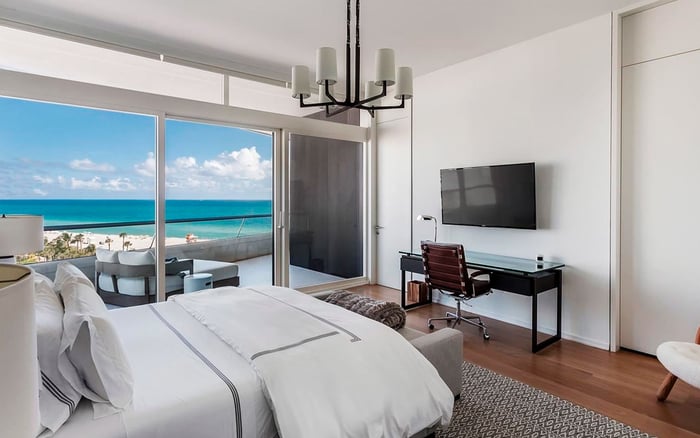
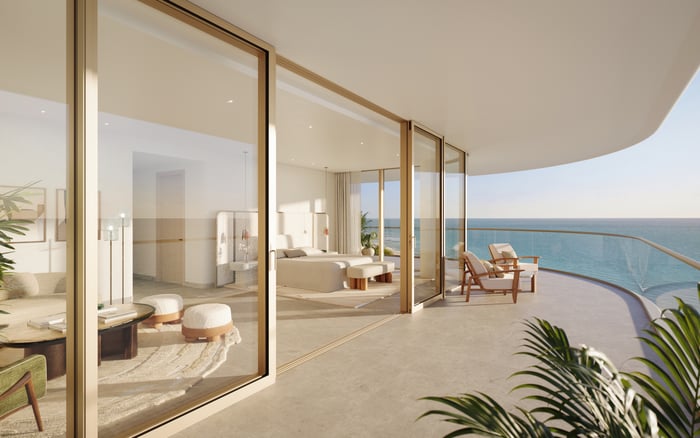
A buyer-focused guide to evaluating museum-grade humidity claims at Delano Residences & Hotel Miami through the lenses of privacy, service quality, and long-term resale strength.
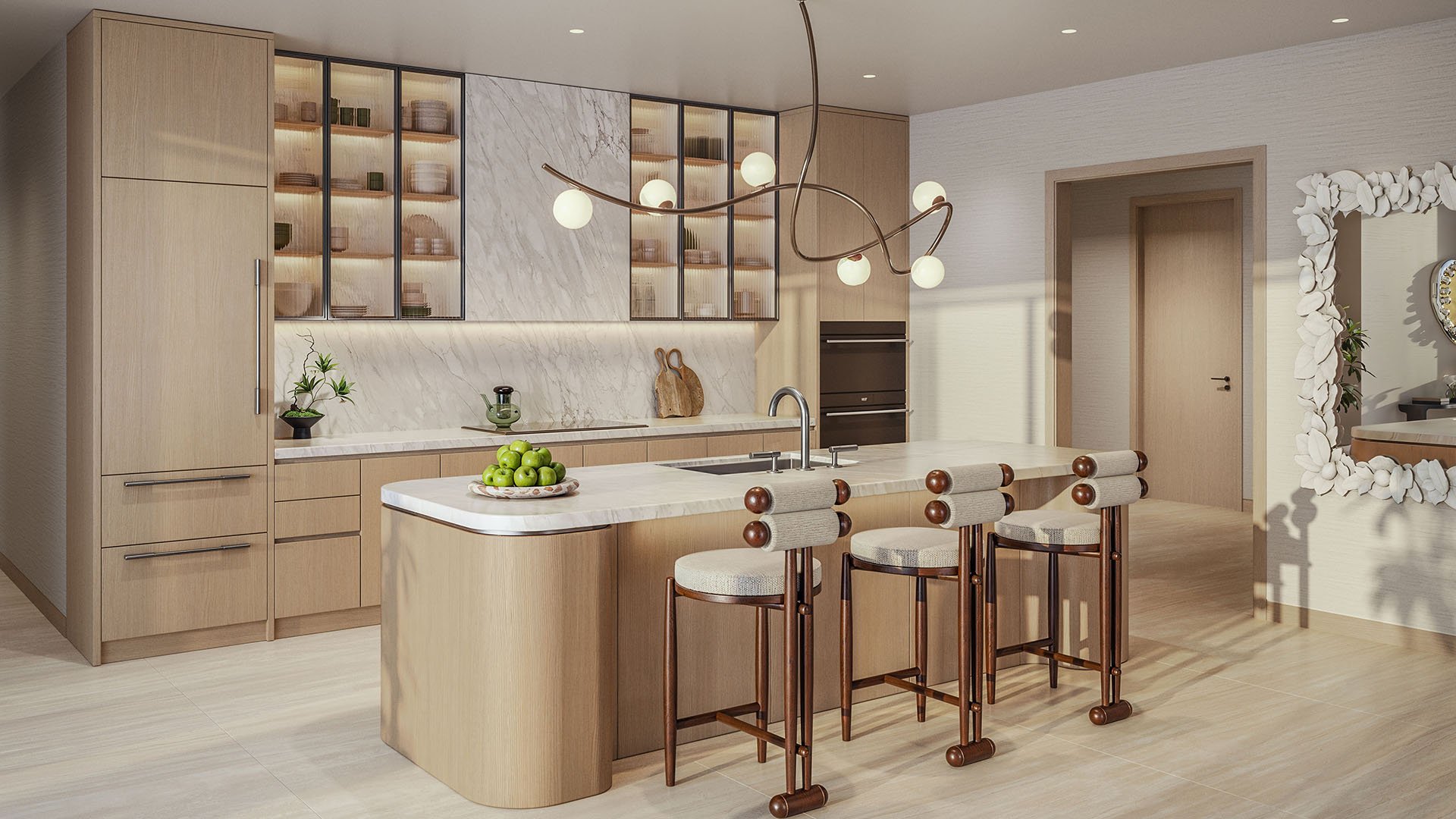
Delano Residences & Hotel Miami sits in a category where buyers are evaluating more than architecture, finishes, or service language. They are evaluating whether a home can protect a lifestyle that may include art, couture, rare books, design objects, instruments, wine, and high-value furnishings. In Miami, that conversation inevitably returns to humidity.
“Museum-grade humidity” sounds reassuring, but serious buyers should treat the phrase as the start of diligence, not the conclusion. The relevant question is not whether a residence feels cool during a tour. It is whether the home can maintain stable interior conditions through seasonal humidity, frequent door openings, terrace use, entertaining, housekeeping, and periods when the owner is away.
For buyers weighing Miami Beach, oceanfront, condo-hotel, new-construction, and resale priorities, humidity control belongs beside views, privacy, parking, and service access. It is part of the home’s operating intelligence.
In a private residence, museum-grade performance should imply stability, monitoring, and accountability. It should not be reduced to a luxury adjective. A buyer should ask whether the building and in-unit systems are designed to manage relative humidity consistently, whether the residence can be monitored while occupied and unoccupied, and whether service teams understand how climate control affects art, millwork, textiles, and stone.
The essential distinction is between cooling and dehumidification. A residence can feel cold and still be too humid. Overcooling may create discomfort while failing to protect sensitive objects. Sophisticated evaluation focuses on the system’s ability to remove moisture without turning the home into an unpleasantly chilled environment.
Ask for plain-language explanations. What are the target interior ranges? Who monitors them? What happens during peak summer humidity? How are alerts handled? What is the protocol when a terrace door is left open during an event? The strongest answers will be specific, operational, and calm.
Privacy in a hotel-residential environment is often described through private arrivals, discreet staffing, elevators, security, and separation from public areas. Those details matter. Yet environmental privacy is equally important for a buyer who wants the residence to function quietly without constant intervention.
If humidity control is inconsistent, the owner may need repeated service visits, vendor inspections, and reactive maintenance. That can erode the privacy the building is meant to provide. A well-designed system reduces unnecessary access to the residence because conditions remain predictable and issues are flagged early.
For an owner with valuable interiors, privacy also means not having to explain the contents of the home to a rotating cast of technicians. Climate resilience protects discretion. It allows collections, wardrobes, and bespoke finishes to be maintained through planned service rather than emergency attention.
Buyers should ask how maintenance access is handled, whether service teams can troubleshoot without entering private rooms unnecessarily, and how resident preferences are documented. In the luxury tier, the elegance is not only in solving a problem. It is in preventing the problem from becoming visible.
A branded residential experience is judged as much in the owner’s absence as in the owner’s presence. Many South Florida residences are seasonal, used intermittently, or maintained for flexible travel patterns. That makes humidity management a service issue, not merely a mechanical one.
The strongest service model gives an owner confidence that the residence is being protected when no one is home. This may include scheduled checks, climate alerts, coordination with housekeeping, and clear escalation procedures. The buyer should understand who is responsible for noticing changes and who is empowered to act.
Humidity also intersects with housekeeping. Freshly cleaned interiors, closed rooms, wet areas, floral installations, and post-event resets all affect interior moisture. Staff training matters. A polished service team should know that protecting a residence is not only about visual perfection. It is also about managing the invisible conditions that preserve materials.
A useful buyer question is simple: if the owner is abroad for six weeks and humidity trends outside the preferred range, what happens first, second, and third? The answer will reveal whether the promise is operational or ornamental.
Collectors should approach climate diligence with more precision than the average buyer. Art, photography, works on paper, antiques, leather, lacquer, and certain textiles respond differently to moisture and temperature swings. The goal is not to turn a private residence into an institution. The goal is to create a stable domestic environment appropriate for valuable personal property.
Ask whether certain rooms can be managed differently from others. A primary dressing room, art corridor, library, or media room may require more controlled conditions than a casual lounge facing a terrace. Zoning, sensor placement, and air movement can be more important than a single thermostat reading.
Buyers should also consider display strategy. Direct sun, exterior walls, bathrooms, kitchens, and terrace transitions can create microclimates. A residence with excellent headline specifications can still require thoughtful placement of sensitive works. The right advisor will look at the floor plan as a climate map, not only as a sequence of rooms.
This is where luxury becomes quiet and technical. Stone, glass, millwork, and textiles may photograph beautifully, but the true test is how they age.
Resale value is not created by mechanical details alone, but explainable performance can strengthen buyer confidence. In the upper tier, future purchasers are likely to ask sharper questions about air quality, humidity control, maintenance history, and cost of ownership. A residence that can answer those questions clearly may feel more mature than one relying solely on style.
Documentation matters. Owners should preserve maintenance records, system upgrades, monitoring summaries where available, and any professional recommendations related to interior climate. These materials can support a future sale by showing that the residence was cared for with discipline.
A buyer should also evaluate whether humidity performance is easy to communicate. If the system is complex but poorly documented, it may become a liability in resale conversations. If it is sophisticated, monitored, and supported by a clear operating rhythm, it becomes part of the property’s story.
For Delano Residences & Hotel Miami, the resale question is therefore not only “Will buyers like the design?” It is also “Will future buyers trust the home to protect what they bring into it?” In a market where many purchasers arrive with established collections and global expectations, that trust is meaningful.
During a private presentation or due-diligence review, listen for specifics. Ask how humidity is controlled independently of temperature. Ask where sensors are located and how readings are reviewed. Ask whether alerts are available to ownership or management. Ask how often systems are serviced and what happens if the residence is vacant.
Walk the residence with transitions in mind. Terraces, elevator entries, laundry areas, bathrooms, spa-like suites, and kitchens all introduce moisture or air movement. Inquire whether doors, glazing, ventilation, and mechanical systems work together as a complete envelope.
Finally, ask how the building handles human behavior. Luxury residences are lived in. Guests open doors, staff reset rooms, owners entertain, and families move between interior and exterior spaces. A credible humidity strategy anticipates real life rather than assuming ideal conditions.
What does museum-grade humidity mean for a Miami residence? It should mean stable, measurable humidity control supported by monitoring and maintenance, not merely a marketing phrase.
Is air conditioning enough to protect art and interiors? Not necessarily. Cooling and dehumidification are related, but a cool room can still hold too much moisture.
Why does humidity matter for privacy? Stable systems can reduce reactive service calls, which helps limit unnecessary access to private spaces.
What should buyers ask before purchasing? Ask for target humidity ranges, monitoring procedures, maintenance schedules, and escalation protocols.
Does humidity control affect resale? It can support resale confidence when performance is documented and easy for future buyers to understand.
Should collectors request additional review? Yes. Collectors should evaluate room-by-room conditions, display locations, and storage needs before installation.
Are hotel services enough to manage climate? Service helps only when teams have clear protocols, authority to act, and an understanding of moisture-sensitive interiors.
What rooms deserve the closest attention? Dressing rooms, art walls, libraries, media rooms, bathrooms, kitchens, and terrace-adjacent spaces deserve careful review.
How should seasonal owners think about humidity? They should prioritize remote awareness, scheduled checks, and clear action plans for periods when the home is vacant.
What is the best sign of a serious humidity strategy? Specific answers, documented maintenance, thoughtful zoning, and calm operational procedures indicate a stronger strategy.
For a tailored shortlist and next-step guidance, connect with MILLION.
If branded residences are on your mind — as a home or as an allocation — we would be glad to share what we are seeing, privately.
Begin a quiet conversation