
A measured look at how Miami’s World Cup 2026 visibility is reshaping Brickell luxury rental strategy, from lease timing to hospitality-grade presentation and owner yield discipline.
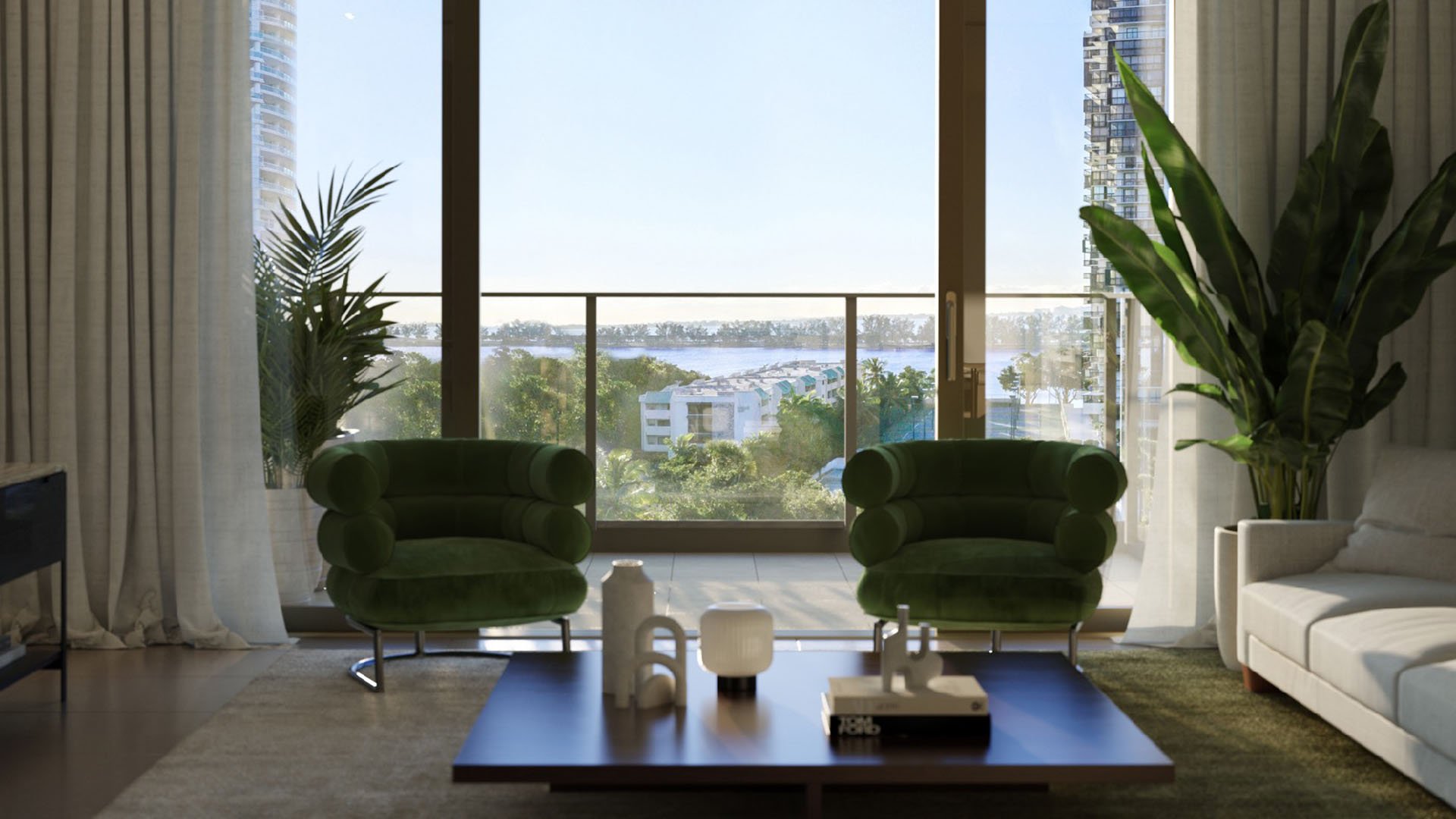
Miami’s FIFA World Cup 2026 hosting role has placed Brickell under a brighter global spotlight, and luxury rental owners are responding with strategy rather than spectacle. The most meaningful shift is not a single-season windfall narrative. It is the way investors are reassessing yield, lease structure, presentation, and optionality in a district already defined by finance, dining, international access, and vertical luxury living.
For Brickell, the tournament acts as a demand signal. It reinforces the neighborhood’s appeal to tenants seeking a central Miami base with polished residential services and efficient access to the city’s cultural and business corridors. In luxury real estate, that visibility can influence pricing power even before peak event periods arrive, as owners and tenants begin planning around scarcity, convenience, and quality of experience.
The result is a more nuanced rental conversation. Owners are weighing whether to prioritize stability through annual leases, preserve flexibility for premium seasonal demand, or position select residences for furnished, turnkey occupancy. The right answer depends on building rules, owner risk tolerance, residence quality, and the ability to deliver a stay that feels closer to a private hotel suite than a conventional apartment.
Brickell’s rental appeal is built on ease. Tenants choosing the neighborhood are often buying time, certainty, and proximity as much as square footage. During a global event cycle, those qualities become more visible. A residence with refined interiors, a strong arrival sequence, credible building operations, and a walkable urban setting can command attention from renters who are not simply comparing bedrooms and views.
That is why the strongest yield discussion begins at the asset level. A generic unit may benefit from higher demand, but a thoughtfully furnished residence in a respected building has a different ceiling. Projects such as Cipriani Residences Brickell speak to this shift, where the residential decision is increasingly tied to service language, brand confidence, and a sense of effortless hosting.
Owners should also separate asking rent from achieved rent. A global event can encourage ambitious pricing, but true yield depends on occupancy, turnover costs, management quality, taxes, insurance, association rules, and the durability of tenant demand after the event calendar moves on. In Brickell, the strongest strategy is often not the highest short-term quote. It is the cleanest balance between premium positioning and reliable execution.
Investment discipline matters most when headlines are loud. The World Cup conversation may support stronger rental expectations, but a luxury owner still needs conservative underwriting. That means modeling a base case around ordinary market behavior, then treating event-related upside as a bonus rather than a guarantee.
This is especially important in Brickell, where capital values, association standards, and tenant expectations are high. The owner of a luxury residence is not only renting space. The owner is delivering privacy, maintenance responsiveness, aesthetic consistency, and confidence. If those elements are weak, a premium demand window can expose the flaw rather than conceal it.
Newer residential projects can help frame that value proposition. The Residences at 1428 Brickell, Baccarat Residences Brickell, and St. Regis® Residences Brickell sit within the kind of luxury context where renters may evaluate more than location. They may consider arrival, privacy, architecture, amenity culture, and the emotional clarity of the address.
The practical takeaway is simple: the yield boost is not automatic. It is captured by owners who prepare early, price intelligently, understand building policies, and present residences at a level consistent with global expectations.
The most sophisticated Brickell owners are not treating long-term rentals and short-term rentals as opposing camps. They are treating them as tools. Long-term rentals offer stability, lower turnover friction, and clearer budgeting. Short-term rentals, where permitted, may offer flexibility and event-season upside, but they also demand operational precision and careful compliance.
For many luxury condominium owners, the building’s rental policy will define the strategy before the market does. Minimum lease terms, registration requirements, guest procedures, and association standards can materially affect the feasibility of short-stay income. A residence that appears attractive on paper may be unsuitable for transient demand if the building is designed for quieter, owner-oriented living.
That is why Brickell’s better rental assets tend to share a few traits: flexible but compliant lease planning, polished furnishings, strong photography, responsive management, and a realistic view of net income. Owners who ignore the operational side may see gross rent rise while net yield disappoints.
New construction in Brickell is shaping tenant expectations. Luxury renters increasingly expect residences to feel complete on arrival, with cohesive design, intuitive technology, quality materials, and amenities that support wellness, work, and entertaining. The World Cup does not create those expectations, but it amplifies them by drawing a broader pool of affluent visitors and relocating professionals into the Miami conversation.
This is where Brickell’s next-generation inventory can have an advantage. A residence at 2200 Brickell, for example, can be considered within a rental strategy that values contemporary living and neighborhood access. The owner still has to execute, but the starting point may align well with what discerning tenants already want.
Luxury yield is increasingly tied to emotional readiness. A renter should be able to imagine arriving, working, dining, hosting, and resting without friction. In a market influenced by major global events, that sense of readiness becomes part of the premium.
Brickell owners should begin with three questions. Is the residence legally and practically positioned for the intended rental strategy? Is the presentation strong enough to justify premium pricing? And does the projected yield still make sense after costs, vacancies, and management are included?
The World Cup moment rewards preparation. Owners who wait until demand is obvious may find that the best tenants have already committed, the best service providers are fully engaged, and the market has become crowded with undifferentiated listings. Owners who prepare early can refine lease timing, refresh interiors, photograph properly, and decide whether a furnished or unfurnished strategy is more appropriate.
For buyers, the lesson is equally clear. Do not acquire solely for an event. Acquire for Brickell’s long-term fundamentals, then allow the event cycle to enhance optionality. The most resilient rental yield comes from assets that remain desirable after the final match, not only during the surrounding travel window.
Has Miami’s World Cup 2026 role changed Brickell rental strategy? Yes. It has encouraged more owners to think carefully about lease timing, presentation, and event-sensitive demand while still underwriting conservatively.
Does every Brickell luxury condo benefit equally? No. Building rules, residence quality, furnishings, management, and location within the neighborhood can all affect rental performance.
Are short-term rentals always better for yield? Not always. Short-term rentals can offer upside where allowed, but they also bring turnover, compliance, and service demands.
Why do long-term rentals still matter? Long-term rentals provide stability and can help protect owners from vacancy risk after a major event period passes.
Should buyers purchase only because of the World Cup? No. The stronger approach is to buy for enduring Brickell demand and treat World Cup visibility as additional upside.
What makes a luxury rental more competitive in Brickell? A polished interior, strong building experience, responsive management, and clear pricing strategy all support competitiveness.
Does new construction have an advantage? Often, new construction aligns with modern tenant expectations for design, amenities, technology, and convenience.
How should owners think about rent pricing? Rent should be ambitious but defensible, with attention to net yield rather than headline asking numbers.
Is Brickell mainly an investment market? Brickell attracts both end users and investors, which is part of its resilience as a luxury residential district.
What is the best way to shortlist comparable options for touring? Start with location fit, delivery status, and daily lifestyle priorities, then compare stacks and elevations to validate views and privacy.
For a tailored shortlist and next-step guidance, connect with MILLION.
If branded residences are on your mind — as a home or as an allocation — we would be glad to share what we are seeing, privately.
Begin a quiet conversation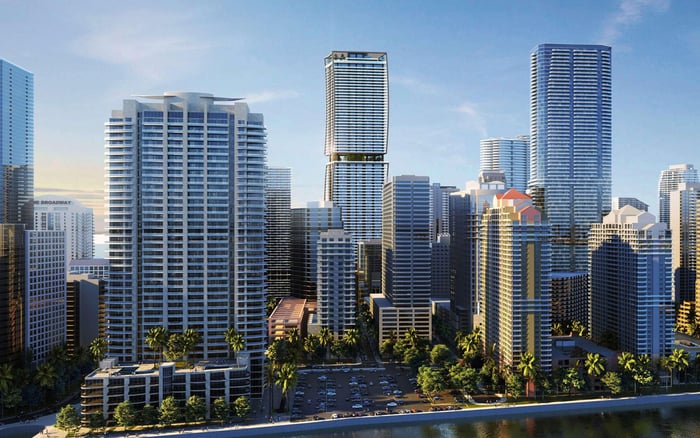
.jpg&width=700&height=438&fit=cover)