A disciplined framework for evaluating wellness facilities, medical access, operating rules, resilience, and long-term value before buying a South Beach residence.
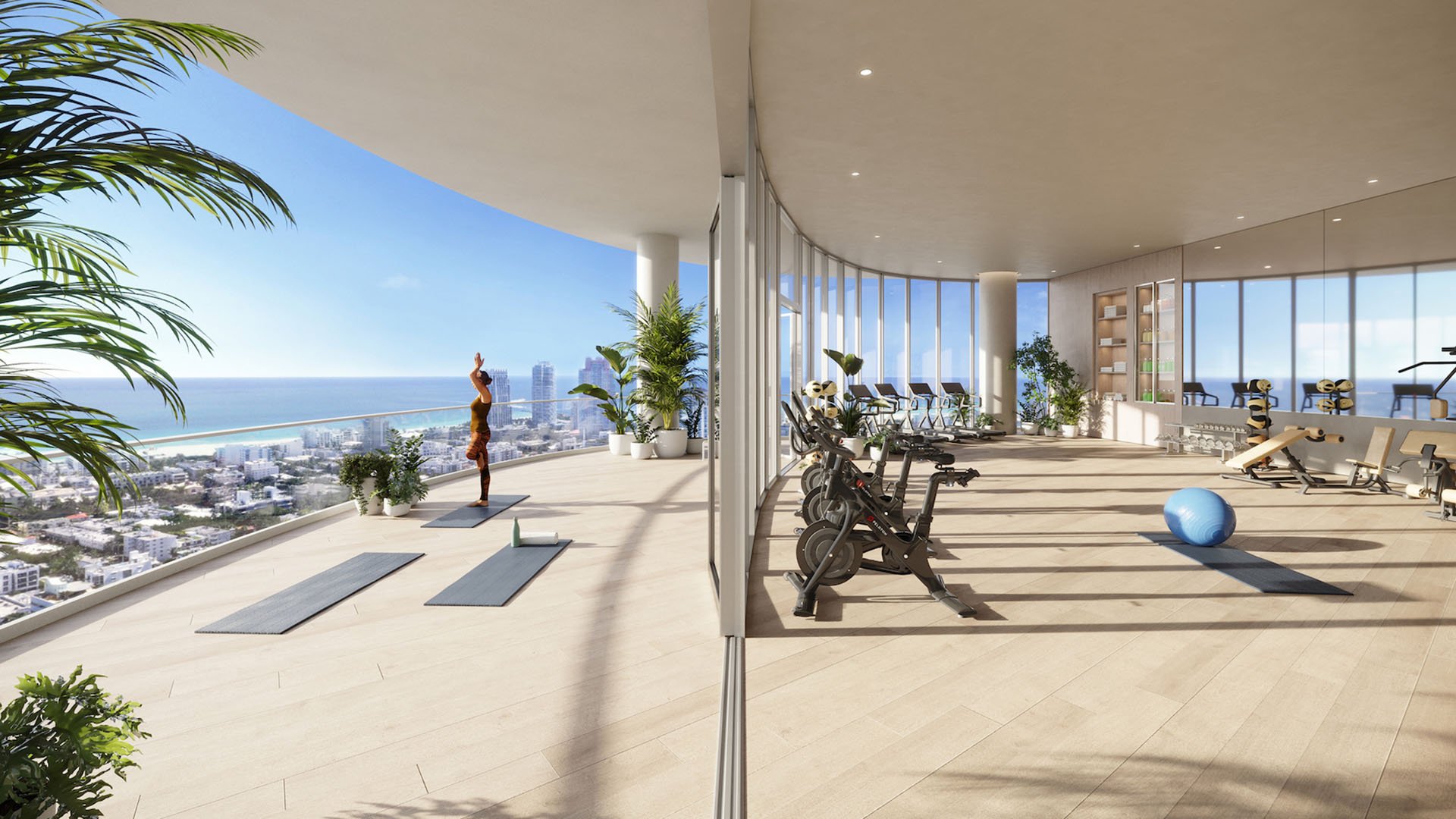
In South Beach, a wellness-oriented purchase should be evaluated as an operating environment, not as a collection of photogenic amenities. The central question is whether the residence, building, and surrounding streets can support the buyer’s actual routine with consistency, privacy, and minimal friction.
Begin with a personal use brief. Identify the activities that matter each week, such as strength training, swimming, recovery, outdoor movement, private instruction, or quiet restoration. Then distinguish essentials from occasional indulgences. A beautiful room that rarely accommodates the owner’s schedule has less value than a modest but reliably available facility.
This approach is especially useful when comparing different parts of Miami Beach. Proximity to the water, preferred dining, family obligations, and medical appointments can alter the practical value of an otherwise compelling home. The most durable principle is simple: evaluate the complete pattern of use before assessing the amenity brochure.
Treat every wellness space as a system defined by capacity, rules, staffing, maintenance, and recurring costs. During a tour, inspect the condition and layout of the gym, changing areas, treatment rooms, outdoor spaces, and pool. Ask when each facility is open, whether reservations are required, who may use it, and whether private trainers or therapists may enter.
Capacity deserves particular scrutiny. Count stations, observe circulation, and consider whether the room can comfortably serve residents at the times you intend to use it. Ask how equipment replacement is budgeted, how often water features are unavailable for maintenance, and which services incur separate charges. If programming is promoted, determine whether it is contractual, recurring, seasonal, or merely contemplated.
When reviewing Five Park Miami Beach, for example, apply the same written checklist used for every alternative. A standardized scorecard prevents architecture, staging, or brand presentation from obscuring operational differences.
Beach access should be treated as a due-diligence category, not a marketing phrase. Walk the route from the residence to the sand in ordinary clothing, then repeat it as if carrying towels, sports equipment, or children’s belongings. Note building exits, street crossings, shade, lighting, surface conditions, and the ease of returning through wet or service areas.
Apply the same test to waterfront living more broadly. Study how quickly the property connects to the outdoor routine you expect, while distinguishing access from a view. A water outlook may be emotionally valuable, but it does not automatically make a morning swim, run, or walk convenient.
For buyers considering the southern end of South Beach, a comparison of Apogee South Beach and Continuum on South Beach can begin with route testing rather than assumptions. Visit at the hours you expect to leave and return, then record the experience immediately.
Medical proximity is not a single mileage figure. It is the reliability of reaching the appropriate level of care under realistic conditions. Buyers should identify their priority categories, including routine primary care, specialists, diagnostics, pharmacy needs, urgent care, and emergency treatment, without assuming that one destination serves every purpose.
Create a route matrix for each finalist. Test travel during a quiet hour, a typical weekday period, and an evening or weekend window. Record building exit time, vehicle retrieval, bridge or causeway exposure, parking, arrival logistics, and the return journey. If a household relies on a driver, caregiver, mobility aid, or medical equipment, test that exact sequence.
Ask building management how emergency personnel enter, where they stage, how elevators are controlled, and whether staff receive relevant response training. These questions do not replace medical advice; they reveal whether the building’s physical and operational design introduces avoidable delays.
A buyer comparing The Ritz-Carlton Residences® South Beach should perform these tests from the actual entrance and intended parking arrangement, not from a generic map pin.
Wellness amenities can affect budgets, staffing, reserves, insurance, and future capital work. With qualified legal and financial advisers, review the governing documents, current budget, reserve information, recent meeting materials, insurance documentation, pending assessments, litigation disclosures, and rules governing guests and service providers.
Look for a clear allocation of responsibility. Determine who maintains equipment, water systems, terraces, mechanical systems, and shared treatment spaces. Ask whether any amenity is controlled by another entity, requires a separate membership, or is available under an agreement that can change. Confirm what transfers with the residence and what must be purchased independently.
For new or evolving properties, separate the proposed experience from binding obligations. When considering Shore Club Private Collections Miami Beach, request current documents and have advisers reconcile promotional language with the operative purchase materials.
Luxury wellness also depends on discretion. Observe sightlines into fitness and treatment areas, guest circulation, service access, elevator sharing, acoustic separation, and whether staff can coordinate appointments without exposing household patterns. Ask how resident data, access logs, and third-party bookings are handled.
Resilience belongs in the same analysis. Review backup-power coverage, elevator operation, cooling in common areas, water management, emergency communications, and severe-weather procedures. Confirm in writing what the building represents, then have appropriate specialists assess condition and scope.
Finally, score each property across lifestyle fit, amenity reliability, medical access, privacy, financial exposure, and adaptability. Weight the categories before the final tour. A residence that supports daily life with fewer dependencies may be more valuable than one with a longer amenity inventory.
Reduce the shortlist to two or three residences, then repeat the same inspections, route tests, document requests, and adviser reviews for each. Keep a dated file of written answers, applicable rules, cost assumptions, and unresolved questions. Do not allow a verbal assurance to close an important due-diligence item.
The final decision should identify both strengths and tolerances. One property may support a better daily routine but require acceptance of greater operating complexity. Another may provide fewer programmed services but offer greater control and predictability. The right South Beach purchase is the one whose trade-offs remain comfortable after the presentation ends.
What should a wellness-focused buyer inspect first? Start with the facilities essential to the buyer’s weekly routine, then verify access, capacity, condition, rules, and cost.
Is a large amenity program always better? No. Reliability, availability, privacy, and financial sustainability can matter more than the number of spaces.
How should medical proximity be measured? Test complete door-to-door journeys at several realistic times, including building exit, parking, and arrival logistics.
Should buyers rely on estimated drive times? No. Estimates can overlook retrieval delays, traffic variability, crossings, parking, and mobility requirements.
Which wellness rules deserve close review? Confirm hours, reservations, guest access, age limits, outside practitioners, fees, and closure procedures.
How can buyers assess amenity crowding? Visit at intended use times, observe demand, and ask management about reservations and resident capacity.
Why review budgets for wellness amenities? Specialized spaces may require staffing, maintenance, equipment replacement, insurance, and reserve planning.
What should be verified in a new development? Distinguish promotional concepts from obligations contained in current purchase and governing documents.
How does privacy enter wellness due diligence? Review circulation, sightlines, acoustics, staff protocols, guest controls, and third-party service access.
Who should review the final diligence package? Engage appropriate legal, financial, insurance, inspection, and medical advisers for the buyer’s circumstances.
To compare the best-fit options with clarity, connect with MILLION.
If branded residences are on your mind — as a home or as an allocation — we would be glad to share what we are seeing, privately.
Begin a quiet conversation