A practical framework for Hong Kong buyers weighing daily convenience against coastal privacy in Pompano Beach, from building scale and arrival sequence to unit orientation and ownership planning.

For a Hong Kong buyer, Pompano Beach may offer a precise combination: a coastal retreat that feels removed when privacy matters yet remains practical when work, dining, family visits, or onward travel shape the day. The right purchase is therefore neither simply the quietest home nor the most connected address. It is the residence that makes both modes feel effortless.
Begin by writing two short schedules. The first should describe an ordinary day in residence, including morning routines, time outdoors, meals, guests, and evening plans. The second should describe an arrival day after a long journey. Together, these scenarios reveal whether convenience means swift building entry, simple provisioning, dependable staff coordination, or easy access to preferred destinations. They also clarify where privacy holds the greatest value.
Translate oceanfront ambition into practical standards. Before comparing finishes or views, decide how much visual separation, sound control, security, and service discretion you expect.
A broad location may appear convenient while the journey from vehicle to front door feels complicated. Review the complete arrival sequence: approach, drop-off, parking, lobby, elevator, corridor, and residence entry. For a buyer dividing time between Hong Kong and South Florida, this sequence may matter more than a modest difference in drive time.
Examine how residents, guests, deliveries, household staff, and service providers move through the property. Separate circulation can support discretion, but only when it remains intuitive. Consider, too, whether the building feels manageable during a brief stay. A residence should not require several days of coordination before it becomes comfortable.
Convenience also means being able to leave quickly. Test how naturally the home accommodates spontaneous dining, appointments, or family plans without diminishing the sense of retreat upon return.
Privacy is not a single feature. It begins at the property edge and continues through every shared space. Observe entrance sightlines, lobby openness, elevator-sharing patterns, corridor length, and the relationship between amenity areas and residential routes. A discreet arrival can be undermined when daily movement repeatedly crosses busy social spaces.
Within the residence, study the separation between entertaining and private rooms. Consider where guests pause, what is visible from the entry, and whether bedroom circulation remains protected during a dinner or extended visit. Evaluate terrace exposure from neighboring balconies, amenity decks, and adjacent buildings-not solely from the interior.
Beach privacy warrants equal scrutiny. Ask how residents reach the sand, where equipment is handled, and whether the return from the beach creates an exposed or inconvenient route. The best solution is the one that feels calm in use, not merely in presentation.
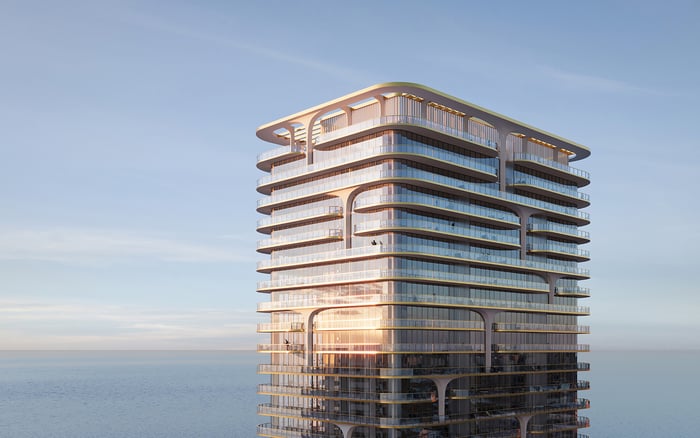
Building scale shapes the character of ownership. A larger property may appeal to buyers who value a broad social atmosphere and multiple shared settings. A boutique environment may suit those who prefer fewer transitions and a more contained daily rhythm. Neither is inherently more private. Staffing, circulation, access control, and resident behavior can matter as much as residence count.
Use several Pompano Beach options to create a meaningful comparison set. Review Armani Casa Residences Pompano Beach alongside Ocean 580 Pompano Beach, focusing on how each aligns with your preferred balance of identity, scale, and discretion.
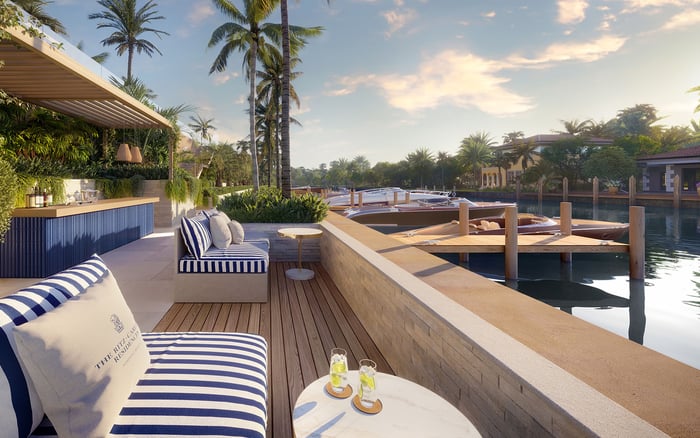
Then broaden the exercise with The Ritz-Carlton Residences® Pompano Beach and W Pompano Beach Hotel & Residences. The objective is not to choose by brand recognition, but to determine which operating style, arrival experience, and shared-space culture best support your intended use.
Once the building feels right, compare units with equal discipline. Higher floors may offer a different sense of separation, while lower positions can create another relationship with the coast and common areas. Assess each option on its own merits, including outlook, neighboring sightlines, elevator proximity, and exposure to activity.
Judge balcony depth according to intended use. If outdoor dining is essential, confirm that the space functions with furniture in place while preserving comfortable circulation. If solitude matters more, prioritize enclosure, orientation, and visual screening. Pool placement also deserves attention: the relationship between a residence and an amenity deck can shape both outlook and perceived privacy.
Interior planning should reflect how the home will actually be occupied. A generous entertaining room may be less valuable than a private guest suite, quiet study, or discreet service access. For households traveling with family or staff, map simultaneous movement through the residence and identify potential points of friction.
A second-home purchase should remain composed while the owner is abroad. Before committing, clarify how access is granted, maintenance is coordinated, deliveries are received, and urgent issues are escalated. Confirm which responsibilities fall to building management and which require the owner's own team.
Pets, guests, household staff, and extended family can each affect a residence's suitability. Review the applicable building documents and current policies with qualified advisers, particularly where occupancy, leasing, alterations, insurance, tax, or estate planning may influence the decision. Cross-border ownership requires individual legal and financial guidance rather than assumptions based on another buyer's structure.
Create a final scorecard with separate ratings for arrival, regional convenience, acoustic comfort, visual privacy, beach routine, building scale, unit plan, outdoor space, remote management, and long-term flexibility. Weight each category according to your schedule. This discipline prevents a dramatic view or polished amenity from eclipsing the quieter qualities that determine satisfaction.
Return to the two schedules created at the outset and test each finalist against them. Imagine arriving with luggage, hosting family, working across time zones, spending a private morning outdoors, and leaving the residence unattended. The strongest choice will not maximize every category. It will resolve the most important tradeoffs with the fewest daily compromises.
Should Hong Kong buyers prioritize location or building privacy first? Define the non-negotiable daily routine first, then eliminate buildings that cannot meet the required standard of privacy.
What does city convenience mean in a Pompano Beach search? It should reflect personal travel patterns, preferred destinations, arrival needs, and the ease of managing everyday services.
How can a buyer assess privacy during a viewing? Walk the entire route from arrival to residence and beach, noting sightlines, shared circulation, sound, and neighboring exposure.
Is a smaller building always more private? No. Privacy also depends on access control, staffing, circulation design, amenity placement, and the way shared spaces are used.
Which unit orientation is best? The best orientation supports your preferred light, outlook, outdoor use, and separation from nearby activity.
Do amenities improve a second-home purchase? Amenities add value when they align with actual habits and remain easy to access without compromising residential calm.
What should buyers examine about beach access? Review the route, access controls, equipment handling, and transition back into private residential areas.
How should remote ownership influence the decision? Favor a residence with clear procedures for access, maintenance, deliveries, and issue escalation while the owner is abroad.
When should legal and tax advisers become involved? Engage qualified cross-border advisers before finalizing an ownership structure or relying on assumptions about personal obligations.
What is the best way to compare shortlisted residences? Use a weighted scorecard, then test each home against realistic scenarios for arrival, hosting, work, leisure, and absence.
For a tailored shortlist and next-step guidance, connect with MILLION.
If branded residences are on your mind — as a home or as an allocation — we would be glad to share what we are seeing, privately.
Begin a quiet conversation