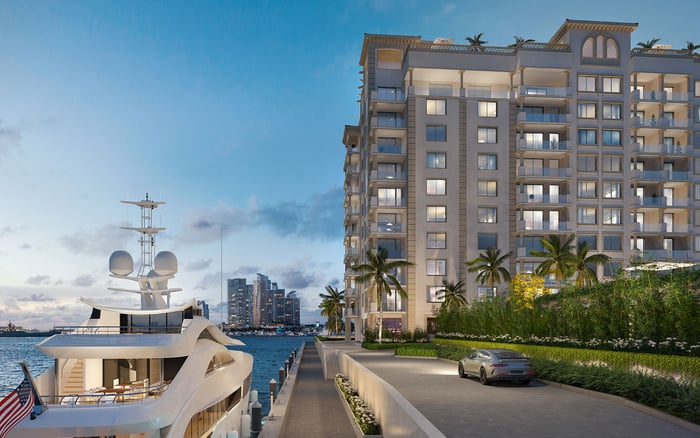
A buyer-oriented guide to weighing deep terraces against highly finished interiors in North Miami, with practical cues for privacy, exposure, entertaining, resale positioning, and daily comfort.
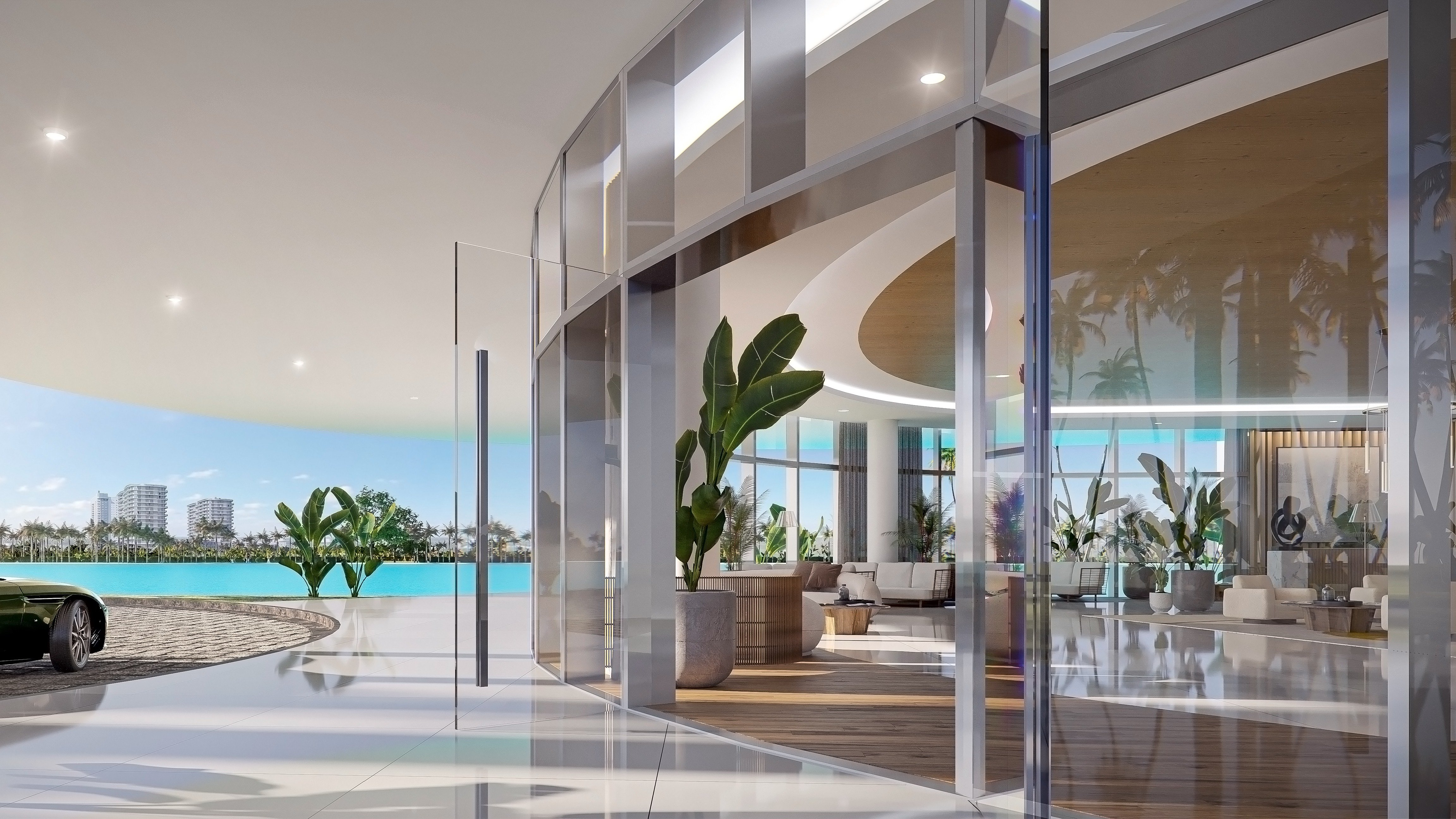
In North Miami, the choice between a deep terrace and a more generous climate-controlled interior is rarely about square footage alone. It is about how a residence lives at breakfast, during a quiet afternoon call, after dinner with guests, and in the hour when the view becomes part of the room. A terrace can feel indispensable in a South Florida home, but only when it functions as true living space rather than decorative perimeter.
For the luxury buyer, the sharper question is not whether outdoor space is desirable. It is whether that outdoor space earns its presence against the value of quieter bedrooms, larger salons, better storage, controlled lighting, and a more composed interior plan. North Miami sits in a position where buyers often compare the feel of a house with the convenience of a condominium, so the answer becomes intensely personal.
That is why a property such as One Park Tower by Turnberry North Miami should be evaluated through a lifestyle lens as much as an architectural one. The tour should not end at the first view. It should test how often the terrace will be used, whether the interior feels calm when the doors are closed, and how easily daily life moves between both zones.
A deep terrace has the greatest value when it behaves like an outdoor room. Depth matters because it determines whether furniture can be arranged with grace, whether circulation remains comfortable, and whether guests can gather without the space feeling ceremonial. A narrow balcony may deliver fresh air, but a true terrace can support dining, lounging, reading, and conversation.
The most successful terraces are not simply large. They are legible. They have a natural place for seating, a protected edge, and a relationship to the interior that feels effortless. When a living room opens cleanly onto the terrace, the residence gains a second social zone. When the primary suite has its own connection outside, mornings and evenings take on a quieter rhythm.
Privacy is equally important. A terrace that is visually exposed from neighboring buildings may be less usable than a smaller outdoor space with better screening or orientation. Buyers should stand at the rail, sit where the sofa would go, and look back into the residence. If the terrace feels comfortable from both directions, it is more likely to become part of daily life.
There are buyers for whom climate-controlled interiors should take precedence. This is especially true for those who work from home, entertain formally, collect art, host family for extended stays, or prize acoustic separation. Interior volume, wall space, and room proportion can be harder to correct than a missing outdoor seating group.
A refined interior also supports consistency. Doors can close, lighting can be controlled, temperature can remain steady, and delicate finishes can be protected. For owners who travel frequently or use the residence seasonally, a home that feels serene immediately upon arrival may offer more value than one that depends on outdoor use to feel complete.
Interior-first buyers should study the plan before being seduced by exterior depth. Is the great room wide enough for both dining and seating? Does the kitchen serve the room elegantly? Are bedrooms separated from social areas? Is there a place for luggage, linens, private work, and service functions? These questions often reveal more about long-term satisfaction than a dramatic outdoor photograph.
The most balanced North Miami residences allow terrace and interior to strengthen one another. If the outdoor space is deep but the interior is compromised, the home may feel seasonal. If the interior is beautiful but the outdoor connection is incidental, the residence may feel less connected to South Florida living than expected.
The ideal plan gives the terrace a purpose. A dining terrace should sit close to the kitchen or entertaining zone. A lounging terrace should connect to the main living area. A private terrace should feel aligned with a bedroom or den rather than stranded beyond a hallway. Buyers should imagine furniture placement, not just square footage.
Door systems also shape the experience. Wide openings can make the interior feel expansive, while poorly placed openings may interrupt walls that would otherwise hold art, media, or millwork. The best layouts preserve both openness and furnishing logic. They allow air and light to enter without sacrificing the room.
This is where lifestyle becomes practical. A buyer who hosts late dinners will read the terrace differently than a buyer who wants a shaded morning coffee ritual. A buyer with children may value interior play space. A buyer with frequent guests may prefer an outdoor entertaining zone that keeps the main living room composed.
North Miami buyers often look laterally across neighboring waterfront and island markets. The comparison can be useful, provided the buyer does not confuse a broader search radius with a single standard of living. Waterfront orientation, building scale, approach, traffic patterns, and neighborhood tempo all influence whether terraces or interiors feel more valuable.
In North Bay Village, a buyer comparing Continuum Club & Residences North Bay Village may focus on how indoor entertaining areas relate to open-air space in a more bay-oriented setting. In Bay Harbor Islands, La Baia North Bay Harbor Islands invites a different reading, one where boutique scale and privacy may affect the terrace calculus.
Aventura and Sunny Isles Beach can further refine the decision. A buyer considering St. Regis® Residences Sunny Isles may weigh the emotional pull of coastal living against the desire for deeply controlled interiors. Meanwhile, an Edgewater comparison such as Aria Reserve Miami can help clarify whether a buyer values skyline energy, water views, or the quieter residential feel associated with North Miami.
The point is not to declare one approach superior. It is to understand which luxuries remain valuable after the first impression. A terrace is most powerful when it is used often. A climate-controlled interior is most powerful when it improves every hour spent at home. The right residence does both, but the emphasis should follow the owner, not the rendering.
Is a deep terrace always better in North Miami? No. A deep terrace is valuable when it is usable, private, and well connected to the interior plan.
When should I prioritize climate-controlled interiors? Prioritize interiors if you value quiet, art walls, storage, work space, or year-round consistency.
What makes a terrace feel like a real outdoor room? It needs enough depth for furniture, clear circulation, and a natural relationship to living or dining areas.
Is a balcony different from a terrace in practical terms? Yes. A balcony may offer air and outlook, while a terrace can support more complete outdoor living.
Should waterfront views decide the purchase? Views matter, but the floor plan, privacy, exposure, and interior comfort should carry equal weight.
How should seasonal owners think about this choice? Seasonal owners may prefer interiors that feel immediately polished, secure, and easy to maintain.
Do entertainers need more terrace space? Often, but only if the terrace connects naturally to the kitchen, living room, and guest circulation.
Can a smaller terrace be better than a larger one? Yes. A smaller terrace with shade, privacy, and good proportions can outperform a larger exposed one.
How do Aventura and Sunny Isles Beach comparisons help? They help buyers test whether they prefer coastal energy, interior polish, or a quieter North Miami rhythm.
What is the best way to shortlist comparable options for touring? Start with location fit, delivery status, and daily lifestyle priorities, then compare stacks and elevations to validate views and privacy.
For a confidential assessment and a building-by-building shortlist, connect with MILLION.
If branded residences are on your mind — as a home or as an allocation — we would be glad to share what we are seeing, privately.
Begin a quiet conversation