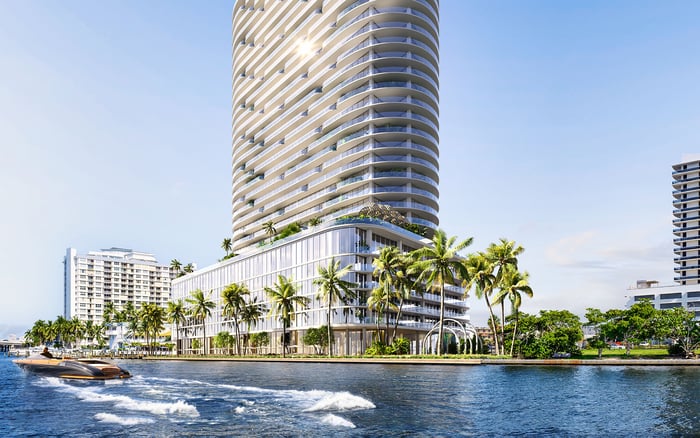
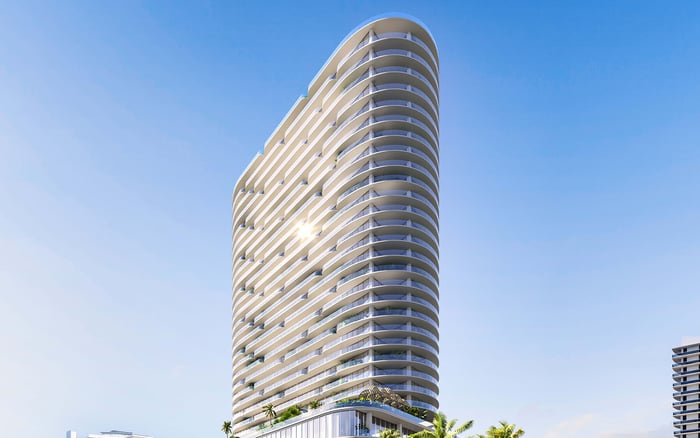
A discreet buyer’s guide to evaluating storm-shutter alternatives at Continuum Club & Residences North Bay Village, with practical questions around impact glazing, product approvals, condominium rules, insurance, warranties, and storm preparation.
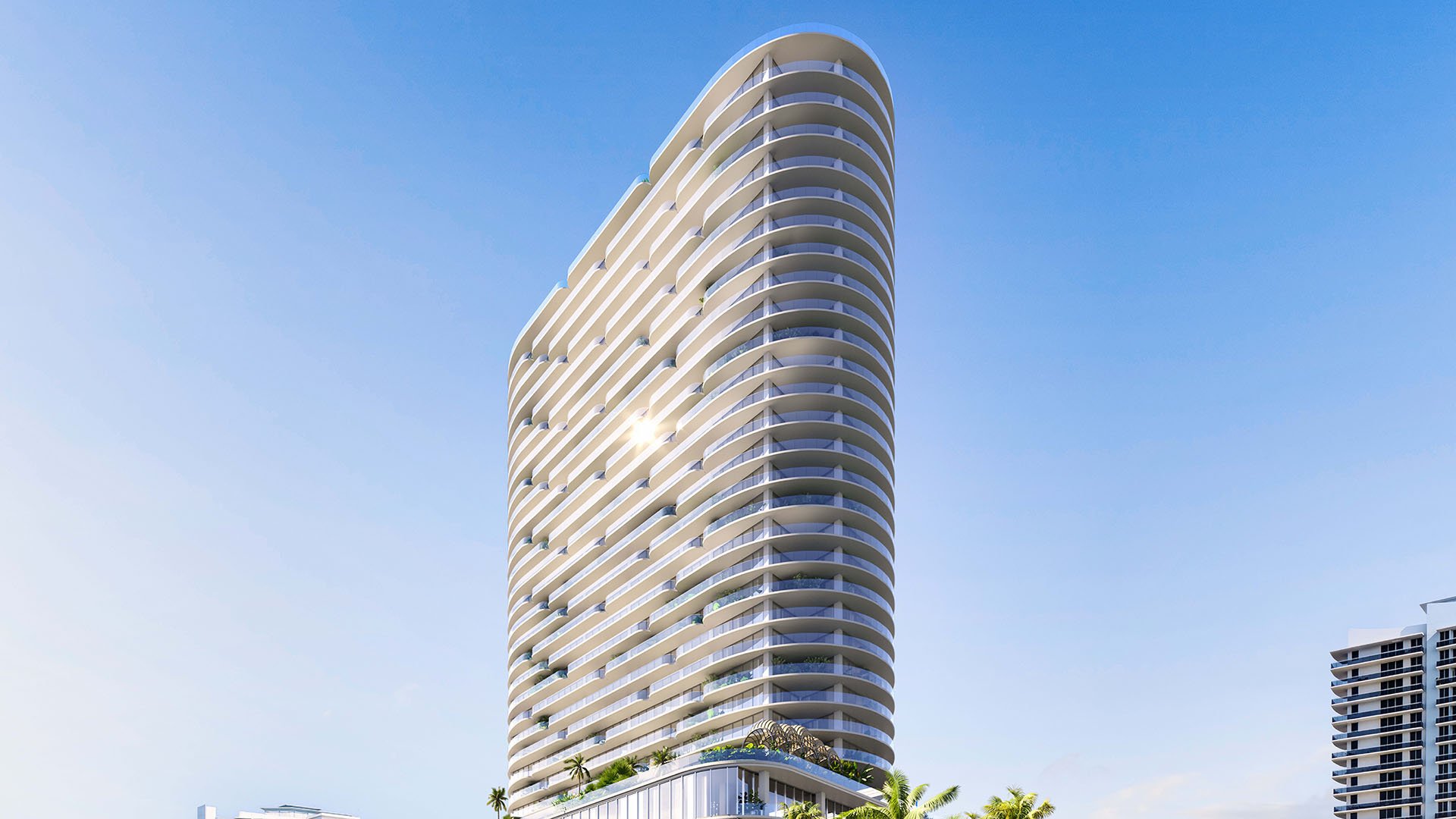
At Continuum Club & Residences North Bay Village, storm protection is not simply a seasonal concern. It is part of how a buyer should evaluate the residence itself, the condominium documents, the long-term maintenance plan, and the insurance conversation. In a market defined by glass, views, terraces, and architectural continuity, traditional exterior shutters may not be the default answer.
That does not mean a buyer should assume anything. The central question is whether the building is designed to rely on impact-resistant glazing instead of visible exterior storm shutters, roll-down shutters, or accordion shutters. Pre-construction buyers should clarify this before contract execution, while resale buyers should request the same level of specificity before waiving diligence.
Continuum Club & Residences North Bay Village sits in a coastal South Florida context where storm-performance details matter. A beautiful Waterview residence can feel effortless on a calm day, but the underlying specifications deserve the same scrutiny as the floor plan, finish package, and association budget.
The essential buyer question is direct: what is the storm-protection system for the specific residence under consideration? If the answer is impact-resistant glazing, buyers should ask for the product approvals tied to the actual windows, sliding doors, and glass-wall systems in that residence.
This is not a cosmetic issue. Balcony doors, fixed glass, corner glazing, and floor-to-ceiling window systems should be reviewed individually, because buyers need to confirm whether each carries the same storm-performance rating. A residence with multiple glass conditions may have different components, and the due diligence should follow the glass, not the marketing language.
Buyers should also ask whether the unit’s glazing system is approved for Miami-Dade High Velocity Hurricane Zone conditions. The answer should be documentary, not verbal. Product-approval numbers, specifications, or available engineering summaries help turn a broad promise into a reviewable file.
Luxury condominium architecture often depends on clean exterior lines. Before planning any additional protection, buyers should confirm whether visible exterior shutters, roll-down shutters, or accordion shutters are prohibited by condominium documents or architectural rules.
This is especially important in a New-construction setting, where the original building design may already contemplate a specific storm-resistance strategy. If the documents limit exterior alterations, a buyer may not be able to add a preferred shutter system later. That decision could affect comfort, insurance discussions, and resale expectations.
The point is not to presume that shutters are prohibited. The point is to read the documents and ask the question in writing. If the building relies on impact glazing, buyers should understand whether that is the intended alternative, whether owners have any optional storm-protection choices, and who approves any exterior change.
Balcony conditions deserve special attention because they sit at the intersection of lifestyle and exposure. Buyers should ask whether balcony railings, glass guards, terrace components, and related exterior elements are part of the building’s storm-resistance strategy.
A Terrace may be central to the value of a residence, but furniture, planters, and removable objects can become part of the storm-preparation protocol. Buyers should review rules for balcony furniture removal, emergency preparation, generator access, elevator shutdowns, and post-storm re-entry. These operational details can shape the ownership experience as much as the glazing specification itself.
High-floors and Low-floors may also raise different questions. Buyers should ask whether higher-floor residences have different wind-load requirements or glazing specifications than lower-floor units. The answer may depend on the building’s engineering and product selections, so the safest approach is to request the specific documents applicable to the residence being purchased.
Impact glass is not a one-time question. Frames, seals, tracks, and sliding-door hardware require maintenance, and buyers should request the maintenance obligations before signing a contract. In coastal South Florida, long-term performance can depend on how well these systems are maintained after delivery.
Buyers should also ask how the building addresses water-intrusion risk during wind-driven rain events, not only debris impact. Storm protection is often discussed in terms of impact resistance, but water management can be just as important for owners reviewing exposure, maintenance, and post-storm response.
Responsibility is another critical point. If windows or exterior doors are damaged, buyers should ask whether coverage, repair, and replacement fall to the condominium association, the unit owner, or both. This should be reviewed in the condominium documents and insurance materials, not assumed from general market practice.
The absence of traditional shutters may be acceptable in a properly documented system, but buyers should still ask their insurance advisor whether it affects windstorm premiums, deductibles, or underwriting. The insurance discussion belongs early in the diligence period, particularly for buyers comparing residences across waterfront and bayfront markets.
Warranties should be equally clear. Buyers should confirm whether the developer provides warranties for glazing systems and whether those warranties transfer after resale. A warranty that feels reassuring at first glance may have conditions, exclusions, maintenance requirements, or transfer limits that matter later.
The strongest position is a simple file: product approvals, engineering summaries if available, condominium rules, warranty language, maintenance obligations, and insurance guidance. For a buyer at Continuum Club & Residences North Bay Village, that file is the real storm-shutter alternative.
Should buyers assume Continuum Club & Residences uses shutters? No. Buyers should ask whether the building is designed to rely on impact-resistant glazing instead of traditional exterior storm shutters.
What documents should a buyer request first? Request the specific product approvals for the windows, sliding doors, and glass-wall systems in the residence being considered.
Are exterior shutters always allowed in luxury condominiums? No. Buyers should confirm whether visible exterior shutters, roll-down shutters, or accordion shutters are restricted by condominium documents or architectural rules.
Should all glass be treated as having the same rating? No. Buyers should ask whether balcony doors, fixed glass, corner glazing, and floor-to-ceiling systems carry the same storm-performance rating.
Why does Miami-Dade High Velocity Hurricane Zone approval matter? Buyers should ask whether the glazing system is approved for those conditions, since that is central to storm-performance due diligence in the area.
Do balcony railings and terrace components matter? Yes. Buyers should ask whether balcony railings, glass guards, and terrace components are included in the building’s storm-resistance strategy.
Who maintains impact glass and sliding-door hardware? Buyers should request written maintenance obligations for impact glass, seals, frames, tracks, and sliding-door hardware before signing.
Who pays if windows or exterior doors are damaged? Buyers should ask whether responsibility belongs to the condominium association, the unit owner, or both, depending on the governing documents.
Can the absence of shutters affect insurance? Buyers should ask their insurance advisor whether the absence of shutters affects windstorm premiums, deductibles, or underwriting.
Should storm diligence include building operations? Yes. Review rules for emergency preparation, balcony furniture removal, generator access, elevator shutdowns, and post-storm re-entry.
For a tailored shortlist and next-step guidance, connect with MILLION.
If branded residences are on your mind — as a home or as an allocation — we would be glad to share what we are seeing, privately.
Begin a quiet conversation