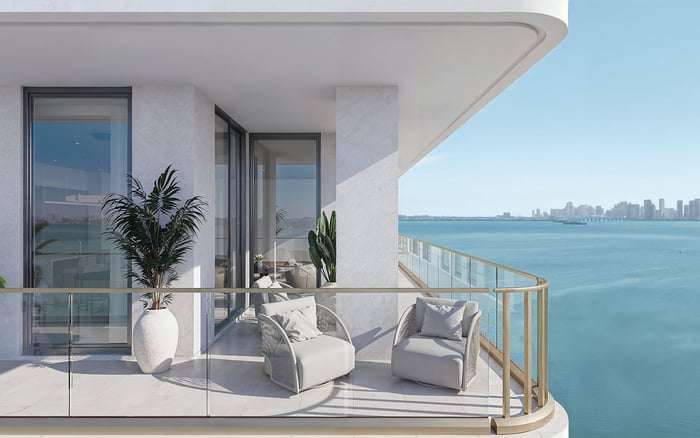
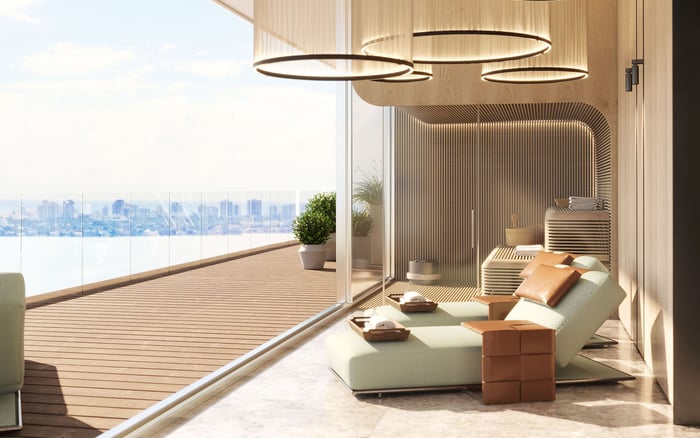
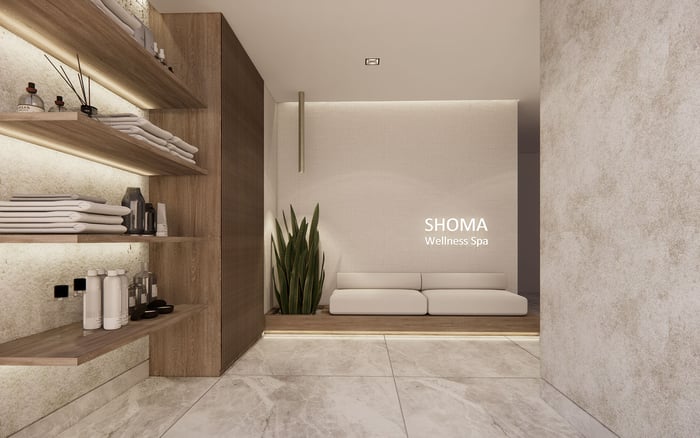
In North Bay Village, a wall of glass is not just an aesthetic gesture. It is the mechanism that turns water, sky, and citylight into daily interior experience. This buyer-oriented comparison looks at how floor-to-ceiling glazing tends to shape privacy, heat and glare management, acoustics, furniture planning, and resale appeal at two names drawing attention on the islands: Pagani and Shoma Bay. With limited verified specification detail provided, the focus stays on what sophisticated buyers can evaluate during presentations and mockups, and which questions to ask before signing.
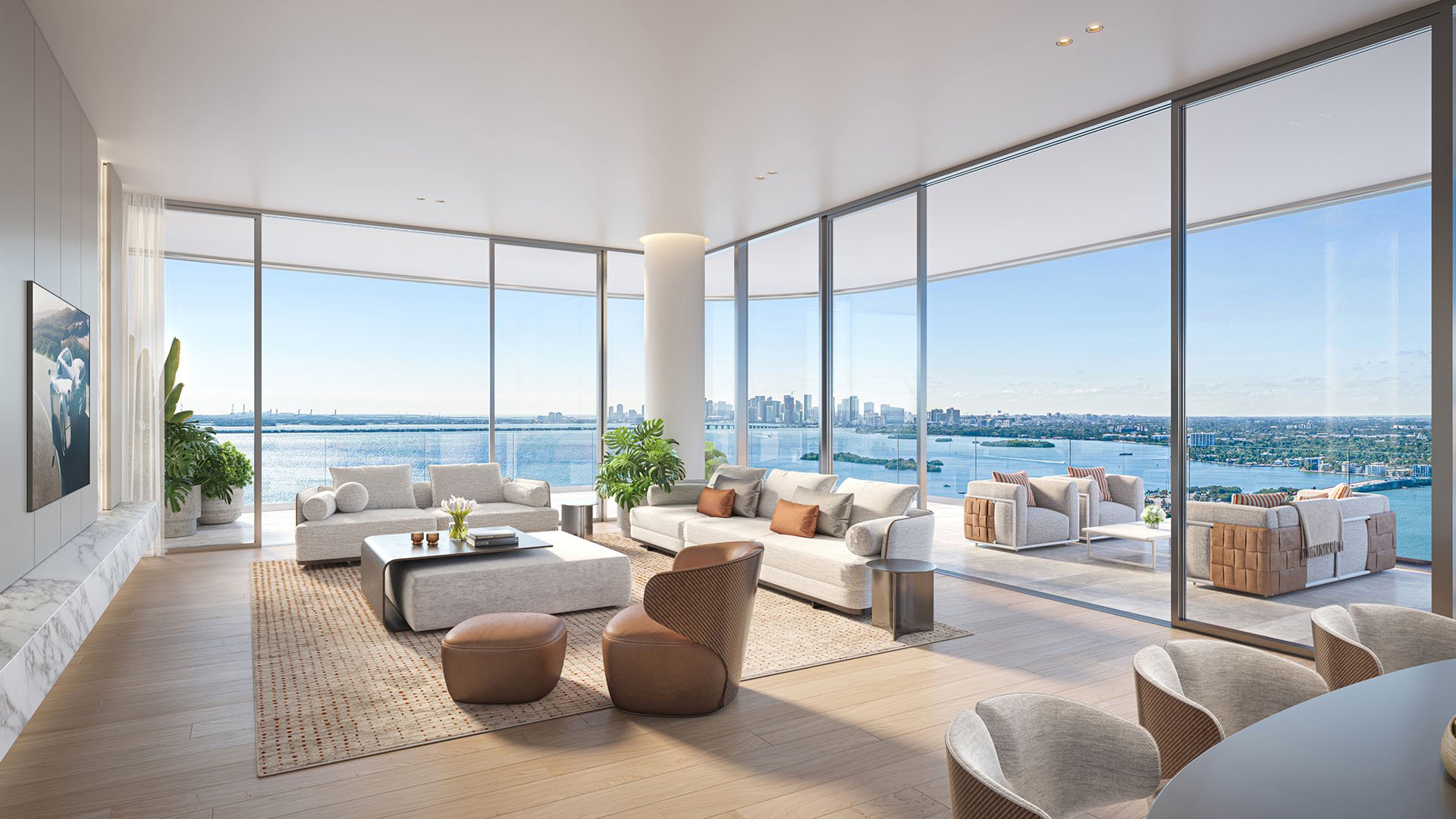
When buyers hear “floor-to-ceiling,” they often assume maximum transparency and a seamless panorama. In practice, two buildings can both claim expansive glass and still deliver very different day-to-day experiences.
A discreet, high-level way to compare the two is to evaluate five criteria in the same order every time:
how much of your field of vision is water, sky, and city-and how quickly the composition changes as you move through the residence.
how direct sun is managed, especially at peak angles. Bright is not the same as comfortable.
how often you’ll rely on sheers, shades, or tint to feel fully at ease.
how quiet the interior feels with doors closed, and how sound behaves when they’re open.
whether the glass layout supports furniture placement, art walls, and the way you host.
This approach works because it treats the glass wall as lived architecture-not a brochure line.
Floor-to-ceiling glass is exceptional at borrowing scenery-but it also borrows conditions. The difference between a residence that feels cinematic and one that feels exposed often shows up after sunset.
At night, interior lighting can turn a window wall into a mirror, collapsing the view into a faint outline and reflecting your rooms back at you. The solution is rarely “more glass.” It’s lighting design, shade selection, and, at times, a considered finish palette that reduces internal reflections.
When comparing Pagani and Shoma Bay, ask to experience typical lighting scenes: bright task lighting, warm ambient evening lighting, and entertaining mode. The objective is to see whether the glass reads as a curated frame-or as an uncontrolled surface.
If you already enjoy high-glass living elsewhere in South Florida, it helps to calibrate your own tolerance. A tower with dramatic glazing in a denser setting such as 2200 Brickell can feel different, because the urban nightscape competes with interior reflections more intensely. North Bay Village can read calmer visually, but the water’s black sheen can also make reflections more pronounced.
Sophisticated buyers don’t accept “impact glass” as a complete answer. Floor-to-ceiling expanses amplify the practical questions: will the residence stay comfortable at the sunniest hours, and will the view remain crisp without living behind closed shades?
You’re entitled to request performance clarity in plain language. Focus on:
Solar control and glare management:
Ask how the glazing is tuned for heat and brightness. The luxury target is a room that stays usable at 2 p.m. without feeling dimmed.
UV considerations for interiors:
If you collect art or invest in fabrics and rugs, ask how the system supports longevity.
Operability and ventilation:
If doors or panels open, ask how wind and salt air are handled at the balcony interface.
Warranty scope:
Glass walls are long-term assets; understand what is covered and for how long.
Because no verified specifications are provided here, the point is not to declare a presumed winner. It’s to ensure that “expansive” still means disciplined.
Buyers often realize late that floor-to-ceiling glass shifts the emotional boundary of a home. The room may feel larger, but it can also feel more visible-especially in transitional spaces like kitchens and primary baths.
Two practical privacy checks carry more weight than generic reassurance:
Sightline mapping:
Stand where you’ll actually live-at the kitchen island, by the bed, near the shower line. Look outward, then imagine the reverse.
Balcony interface:
A balcony can function as a privacy buffer when its depth and detailing support that role. Conversely, an ultra-transparent edge can heighten exposure.
If you prefer a more cocooned expression of luxury, compare your response to a different coastal glass experience like 57 Ocean Miami Beach, where the oceanfront context often pulls attention outward and can influence how “watched” you feel. That contrast can clarify whether your priority is pure panorama or more protected serenity.
In many luxury residences, the first sign of true quality is silence. Glass expanses can be extraordinary when they are paired with real acoustic performance. They can also become a daily irritation if outdoor sound, wind, or mechanical hum is noticeable in primary living spaces.
Because the Research Pack does not include verified sound ratings or assembly details, the best buyer strategy is to ask for measurable standards:
What is the target interior sound performance at peak traffic or wind?
How are balcony doors sealed and insulated?
What is the operational reality when doors are open?
A sophisticated buyer knows that “quiet” is not a vibe-it’s a specification.
Floor-to-ceiling glass reduces conventional wall space. That can feel liberating, but it can also be limiting if you need large-format art, a substantial media wall, or symmetrical furniture compositions.
To compare Pagani and Shoma Bay in ways that affect daily living, ask for:
Typical residence layouts
and window-wall diagrams.
Clearances
near corners and columns that can interrupt drapery, motorized shades, or furniture placement.
Electrical planning
near glass lines, especially for lamps, sculpture lighting, and audio.
Luxury buyers often underestimate how much the “glass statement” requires an equally intentional interior plan. If you’ve lived in highly glazed, design-forward buildings such as Aria Reserve Miami, you already know the trade: the view becomes your art wall, and your furnishing strategy has to respect it.
In resale terms, floor-to-ceiling glass is broadly appealing, but the market tends to reward the version that feels simplest to live with.
Features that typically support enduring appeal include:
Balanced orientation
that avoids persistent glare in key living areas.
A strong indoor-outdoor interface
where terraces feel like usable rooms.
A “quiet” interior
that reads as refined rather than exposed.
A view that is not overly dependent on a single angle.
When choosing between Pagani North Bay Village and Shoma Bay North Bay Village, prioritize the home that still feels effortless on an ordinary weekday-not only on a perfect winter afternoon.
For a clean decision, anchor the choice to lifestyle rather than the word “expansive.” Consider these profiles:
The sunrise person:
You’ll care about morning softness, breakfast light, and glare control early in the day.
The entertainer:
You’ll care about night reflections, lighting scenes, and whether the terrace reads as an extension of the salon.
The collector:
You’ll care about UV considerations, shade integration, and wall-space planning.
The privacy-first buyer:
You’ll care about sightlines, balcony buffering, and how the residence feels with shades open.
In every case, the ideal glass wall is the one you don’t have to fight.
Do Pagani North Bay Village and Shoma Bay North Bay Village both feature floor-to-ceiling glass? They are both positioned with expansive glazing, but the lived experience depends on orientation, detailing, and comfort strategy.
What matters most when evaluating floor-to-ceiling glass in a condo? Comfort and control: glare, heat, privacy, acoustic performance, and how usable the space feels year-round.
How can I evaluate glare and solar gain if specs aren’t disclosed? Tour at peak sun, ask for performance targets in writing, and observe whether interiors remain comfortable without constant shades.
Does floor-to-ceiling glass reduce privacy? It can. Balcony depth, sightlines, and surrounding buildings influence how exposed a home feels day to day.
What is the “night mirror” effect? At night, interior lighting can reflect in large glass surfaces, turning windows into mirrors and reducing view clarity.
How does acoustic performance relate to glass expanses? Large glazing can be quiet when properly engineered, but without strong assemblies, outside sound and wind can become noticeable.
Why should I review floor plans differently in highly glazed residences? Glass reduces wall space, which can affect furniture placement, art display, and where media walls and lighting can go.
Are operable glass panels a plus? They can be, but buyers should understand wind behavior, sealing quality, and how salt air is managed at openings.
Does expansive glass help resale value? Often, but the market typically rewards glass that feels comfortable and effortless, not just dramatic.
What is the best next step when comparing these two projects? Tour at different times of day, press for comfort and acoustic standards, and align the decision to lifestyle priorities.
For a tailored shortlist and next-step guidance, connect with MILLION Luxury.
If branded residences are on your mind — as a home or as an allocation — we would be glad to share what we are seeing, privately.
Begin a quiet conversation