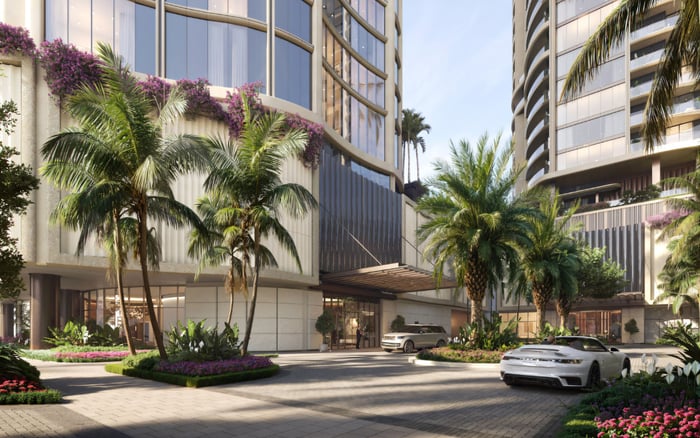
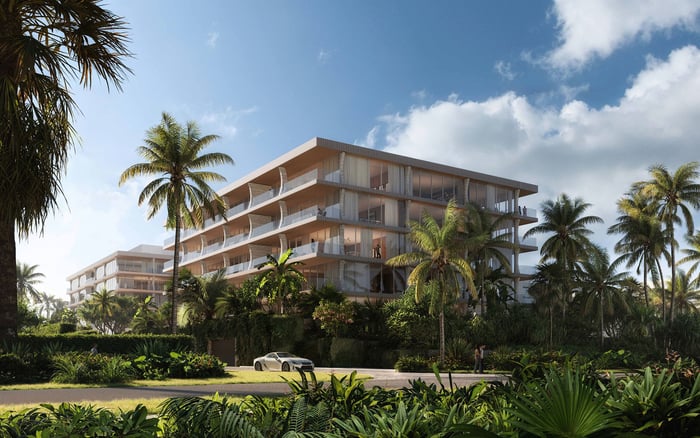
A discreet, buyer-oriented look at how two standout addresses place residents relative to South Florida’s most coveted luxury retail corridors, from Worth Avenue to Boca’s boutiques.
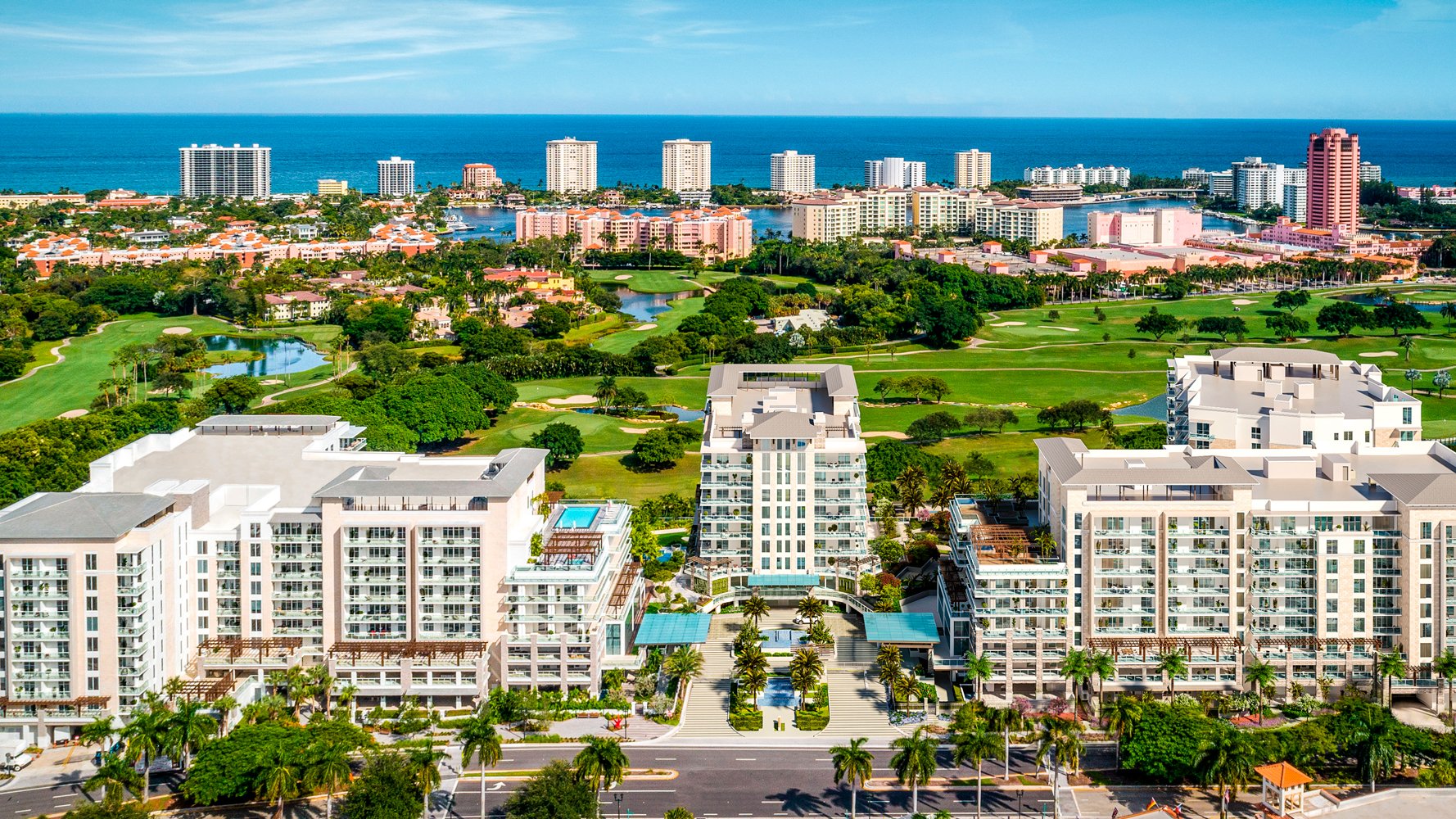
For South Florida’s ultra-premium buyer, “close to shopping” is rarely about errands. It’s about how a neighborhood works in real life: morning coffee that becomes a gallery stop, effortless tailoring and personal services, the ability to pivot into dinner after a late meeting, and the social texture that gathers around familiar streets.
Luxury shopping corridors also act as reliability signals. They tend to concentrate investment in streetscape, security, valet flow, and tenant curation. The result is a consistent ecosystem of dining, wellness, and service retail that supports a high-touch lifestyle-and often sustains durable demand.
Through that lens, comparing The Bristol Palm Beach and Alina Residences Boca Raton becomes less about naming a single “best” address and more about identifying which shopping gravity well aligns with how you actually live.
Palm Beach’s luxury retail identity is notably concentrated. The island experience is defined by short, intentional trips: a driver or quick hop to a familiar block, a valet stand that recognizes your routine, and a corridor that feels like a natural extension of the club-and-dining circuit.
For residents at The Bristol, the value proposition isn’t merely that prestigious shopping exists nearby-it’s that the island’s premier corridors sit within the same few miles as the area’s best-known dining rooms, galleries, and service providers. Practically, this can drive the “decision cost” of going out remarkably low. You’re more likely to stop in for a last-minute gift, slip into a salon between appointments, or meet friends without turning the outing into a production.
That immediacy carries a second-order benefit: Palm Beach retail streets often read as social space, not commercial strip. The corridor is part of the lifestyle, and the predictability of the scene can be a feature-not a limitation-for buyers who value consistency over constant novelty.
The tradeoff is that island retail, by design, is selective and edited. Buyers seeking the broadest sweep of brands and big-format retail will often cross the bridge more frequently. For many Bristol-oriented lifestyles, that’s an easy compromise: the island delivers a refined daily loop, while the mainland provides optionality when needed.
Boca Raton’s luxury retail experience runs on a different cadence. Rather than a single island-centered corridor, the city’s high-end shopping and dining is distributed across a few complementary nodes, with downtown offering an especially easy rhythm for residents who like to walk, linger, and blend errands with leisure.
Alina speaks to buyers who want polished, modern living with straightforward access to an active downtown environment. The practical luxury here is not only proximity, but flexibility: you can build a day around fitness, lunch, boutiques, and a reservation without leaning as heavily on a pre-arranged driver schedule. For many, that translates to real freedom.
Boca also delivers a clear advantage for second-home owners who prioritize “set-and-go” convenience. Walkable access to dining and services lowers the friction of arriving for a weekend and instantly feeling oriented. In that sense, the shopping corridor becomes a proxy for neighborhood usability: the easier it is to access, the more the residence can operate as a true lock-and-leave base.
The tradeoff, compared with Palm Beach’s island ritual, is that the experience can feel broader and less ceremonial. That’s a positive for buyers who want variety and a more contemporary pace-and a negative for those who prefer the rarefied cadence of the island.
In ultra-luxury, “close” has multiple definitions. Consider these four interpretations, then map them to your habits.
1) Close as spontaneity.
If you want to decide at 6:30 p.m. to pick up something special and still make an 8:00 p.m. dinner, the Palm Beach model often wins because the retail-and-dining loop is so compressed.
2) Close as walkability.
If you want to leave the car behind for part of the day, Boca’s downtown orientation typically feels more accommodating.
3) Close as privacy.
Some corridors invite lingering; others are built for quick in-and-out. Palm Beach often supports a more discreet, known-crowd cadence. Boca can feel more active and open-energizing for some buyers.
4) Close as range.
Buyers who want broader selection across categories often prefer the mainland pattern: multiple nodes visited as needed, rather than one iconic corridor that defines the identity.
Luxury retail corridors rarely stand alone. They pull in the businesses that make a property feel effortless: high-quality restaurants that can handle a last-minute table, specialty grocers and wine merchants, tailoring and alterations, jewelers, florists, and wellness studios.
For The Bristol buyer, that halo can feel like a self-contained island ecosystem, where the same few corridors support an outsized share of daily life. For the Alina buyer, it tends to read as a walkable downtown paired with nearby destinations that broaden the menu.
If you’re weighing the two, the better question is often: are you optimizing for a perfected daily loop, or for a wider set of choices? In practice, the answer frequently aligns with how you use the home-whether you entertain regularly, host out-of-town guests, or treat dining and shopping as part of your standing social calendar.
Even without attaching numbers, certain patterns recur in how luxury buyers-and future purchasers-interpret shopping adjacency.
Prestige signaling.
Palm Beach’s flagship corridors carry an immediate global shorthand. For certain buyers, that shorthand is a value driver. When a future buyer selects with emotion first, an address linked to the Palm Beach narrative can be especially compelling.
Everyday usability.
Boca’s downtown usability can expand the buyer pool among those who prioritize convenience and walkability. That can support liquidity, particularly for buyers seeking a modern, low-friction lifestyle.
Second-home behavior.
Many second-home owners value a neighborhood that works immediately upon arrival. Walkable access to dining and services can shape how often the home is used, which can foster stronger long-term attachment and, indirectly, desirability.
The most durable way to think about resale is not to ask which corridor is “better,” but which corridor best matches the home’s identity and the likely future buyer. The Bristol tends to signal Palm Beach traditional prestige and island concentration. Alina tends to signal Boca modernity, downtown energy, and convenience.
It can help to see how this corridor question shows up across other luxury submarkets, even if you’re committed to Palm Beach County.
In West Palm Beach, for example, buyers often balance waterfront living with downtown access, and projects like Alba West Palm Beach show how new residential product can pair vertical living with an increasingly active city core.
Farther south, some buyers treat luxury retail adjacency as part of a broader “lifestyle grid” that includes design, dining, and culture. In Brickell, residences such as 2200 Brickell appeal to those who want a dense, service-rich environment where curated retail and hospitality are integrated into the daily pattern.
On the barrier islands, the retail corridor conversation becomes less about density and more about access and discretion. In Bal Harbour, for instance, projects like Rivage Bal Harbour sit within an ecosystem where luxury retail is part of the area’s identity, but day-to-day movement still depends on how you prefer to arrive, park, and circulate.
These comparisons don’t crown a winner; they sharpen the framework. Some buyers want the most iconic corridor. Others want the most convenient. Others want the most discreet.
Both The Bristol Palm Beach and Alina can support a luxury-shopping-adjacent lifestyle, but they tend to attract different daily rhythms.
The Bristol Palm Beach may fit you if:
You prefer an island-centered schedule with a highly edited, familiar circuit.
You value tradition and a corridor that doubles as a social setting.
You like the idea that dining, galleries, and boutiques sit within the same short loop.
Alina Residences may fit you if:
You want walkable access to downtown energy and services.
You prefer flexibility and variety across multiple nearby destinations.
You favor a contemporary, easy-to-use lifestyle that supports frequent arrivals.
When buyers are truly split, the deciding factor is often less the corridor itself and more the way you use time: do you want to compress decisions and movement into a refined loop, or live within a broader, more adaptable map of options?
Which residence is closer to the most iconic luxury shopping experience? The Bristol aligns with Palm Beach’s most recognizable luxury-shopping narrative and island ritual.
Is Alina better for walking to boutiques and daily services? Alina generally fits buyers who prioritize a walkable downtown pattern for dining and services.
Do luxury shopping corridors influence long-term desirability? Yes. They often function as proxies for curated dining, services, and neighborhood investment.
Which option feels more private day to day? Palm Beach’s corridor culture often supports a more familiar, discreet cadence for regulars.
Which is better for entertaining out-of-town guests? The Bristol supports a classic Palm Beach itinerary, while Alina offers an easy downtown loop.
Will I still need to drive often in either location? Yes, but your reliance differs: Palm Beach is compact; Boca’s destinations can be more distributed.
How should I weigh “prestige” versus “convenience” in this comparison? Treat prestige as identity and convenience as usability, then align the priority with your routine.
Does proximity to shopping correlate with better dining options? Typically, yes-luxury corridors tend to attract strong restaurant and service ecosystems.
If I split time between markets, which lifestyle is easier to replicate elsewhere? A downtown, walkable model like Boca’s can feel similar to other city cores in South Florida.
What is the simplest way to decide between The Bristol and Alina? Choose The Bristol for an island-centered, iconic loop; choose Alina for flexible downtown access.
For a tailored shortlist and next-step guidance, connect with MILLION Luxury.
If branded residences are on your mind — as a home or as an allocation — we would be glad to share what we are seeing, privately.
Begin a quiet conversation