For yacht owners and serious boaters, “proximity to a deep-water inlet” is less a talking point than a lifestyle constraint. It dictates whether a sunrise run is a spontaneous decision or a planned operation, whether weekend guests arrive by water with ease, and how much of your day is spent waiting on bridges, idle zones, and traffic. This MILLION Luxury comparison looks at two very different propositions: **[St. Regis® Residences Bahia Mar Fort Lauderdale](https://www.millionluxury.com/fort-lauderdale/st-regis-residences-bahia-mar)**, positioned in a yachting-forward Fort Lauderdale setting, and **[Bay Harbor Towers](https://www.millionluxury.com/bay-harbor-islands/bay-harbor-towers)**, a Bay Harbor Islands address prized for privacy and proximity to Miami’s design, dining, and beaches. With limited publicly standardized metrics across buildings, the most practical way to compare is to break “inlet access” into what you actually feel day to day: distance to open ocean, likely bridge and channel friction, the nature of the surrounding waterways, and how each location pairs with a boating routine.

“Inlet proximity” is often reduced to a map pin, but boaters experience it as time, stress, and predictability. A residence can sit on the water and still function as operationally inland when routine departures require multiple bridges, narrow channels, slow-speed zones, and crowded intersection points.
For buyers weighing Fort-lauderdale against Bay-harbor life, the distinction is rarely whether you can boat. It is how often you realistically will. Close, uncomplicated access makes a quick ocean run plausible between meetings. More friction turns boating into something you schedule.
There is also a second-order consideration sophisticated owners track closely: resale liquidity. Residences that support spontaneous use tend to attract a broader spectrum of waterfront buyers, including those who may not keep a boat year-round but want the option.
St. Regis® Residences Bahia Mar Fort Lauderdale sits in a market long oriented around marinas, refit yards, and a culture where boating is less a weekend hobby than a default mode of life. The surrounding context is typically calibrated for frequent marine movement: yacht traffic is expected, and the conversation often centers on convenience, slips, and the ease of getting out.
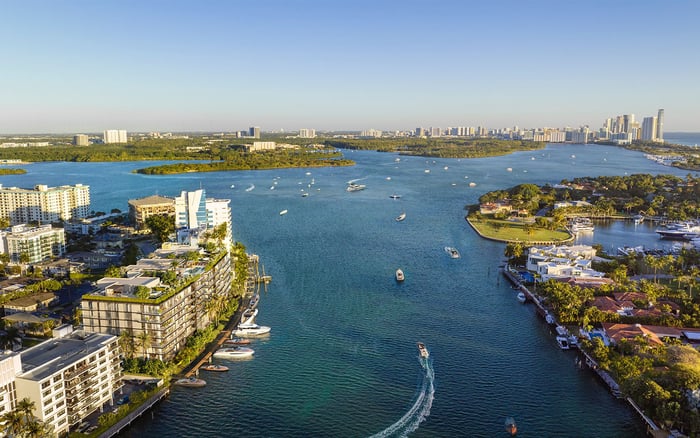
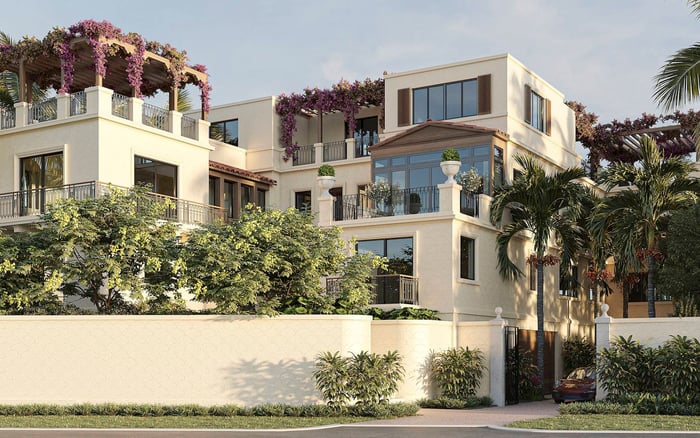
Bay Harbor Towers, by contrast, fits a Bay Harbor Islands rhythm: intimate, residential, and centrally placed for Miami’s best dining and shopping. The water experience here is often defined by protected bay conditions and a calm, private return home. For some buyers, that sense of shelter is the luxury, even if reaching open ocean takes more steps.
In other words, you are not simply comparing two buildings. You are choosing between two different interpretations of “waterfront living.”
Because buyers’ boats, dockage arrangements, and preferred routes vary, the most useful comparison is framework-driven.
1) Straight-line closeness versus navigational reality
A quick glance at a map can mislead. What matters is the navigable route from your slip or marina basin to the inlet, including slow-speed stretches and congestion points.
2) Bridge and channel friction
Bridges are the classic wildcard. Even a short physical distance can feel long when bridge timing, windows, and queues become part of the ritual. Wider channels and a boating-centric traffic pattern can reduce perceived friction.
3) The purpose of your boating
If your typical outing is an ocean run, fishing, or a longer cruise, inlet efficiency matters more than if your boating is primarily intracoastal cruising, sunset idling, or local entertaining.
4) The guest experience
Owners who regularly host friends arriving by water tend to value simple, legible navigation. A complex route can turn an elegant arrival into a stressful one.
With that framing, Fort Lauderdale typically reads as the more “boating-first” environment, while Bay Harbor Islands reads as the more “Miami-central” environment that can still serve boaters well-especially those who prefer bay cruising and sheltered conditions.
For the buyer whose identity is tied to the water, the strongest case for St. Regis Residences Bahia Mar is the surrounding yachting ecosystem. Fort Lauderdale is built around the premise that boats move. The lifestyle is defined by how quickly you can decide to go, rather than how much planning it takes.
In practical terms, this often translates into a higher likelihood that your routines align with marine logistics. You meet friends who also keep boats; you are near services that support ownership; and the general flow of waterfront life feels designed for repeat use.
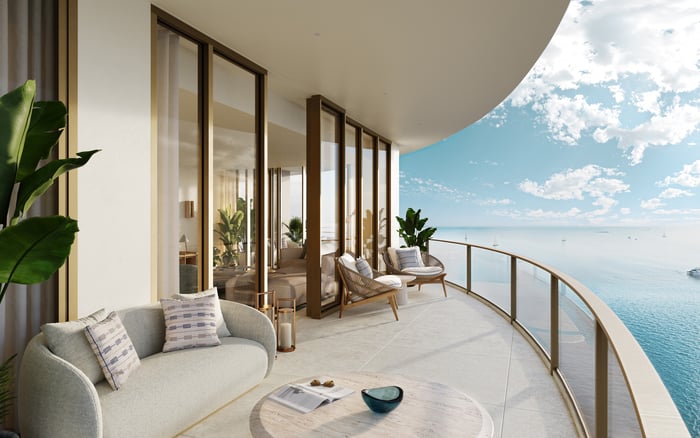
The psychological difference is subtle but decisive: if you are boating multiple times per week, you want the entire experience to feel effortless. A residence like St. Regis® Residences Bahia Mar Fort Lauderdale is likely to appeal to owners who want their home to operate as a true headquarters for time on the water, not merely a scenic viewpoint.
Bay Harbor Islands tends to attract buyers who want discretion, a quieter residential setting, and immediate access to refined, walkable pockets nearby. The waterway feel is often more sheltered, and day-to-day life is less about constant vessel movement and more about a composed retreat.
Inlet proximity still matters, but priorities can shift. Many Bay Harbor buyers want a place that feels removed without feeling remote. They may boat, but they also want a short radius to beaches, design, and dining. For that profile, Bay Harbor Towers can make sense as a home base that balances a bayfront sensibility with an ultra-central lifestyle.
If your boating is occasional, or if you value protected-water cruising, the “extra steps” to the inlet can be a rational trade for the calm and convenience of the address.
The right choice depends less on abstract proximity and more on how your calendar actually works.
If you leave early or return late
Owners who boat at dawn or come back after dinner tend to prefer routes that feel straightforward and predictable. Lower friction supports the spontaneity that makes South Florida boating worth owning.
If you keep a larger vessel or require more operational ease
Larger boats amplify inconveniences: tight turns, narrow stretches, and busy intersections become more consequential. A boating-centric environment can reduce the cumulative hassle.
If entertaining is the point
For owners who frequently host, the best setup is the one that keeps everyone relaxed. Easy navigation and fewer chokepoints can matter as much as the finish level inside the residence.
If your “luxury” is tranquility
Some buyers prefer the bay’s calmer, more sheltered feel and care less about immediate ocean access. For them, the premium is quiet water, privacy, and a home that reads as a retreat.
It can help to triangulate these two buildings against other buyer favorites, especially if you are calibrating what “water access” should feel like.
In Bay Harbor Islands, newer luxury stock and wellness-oriented concepts have helped elevate the neighborhood’s appeal for second-home buyers who want a composed setting with close-in access. Properties such as The Well Bay Harbor Islands can speak to those who prize lifestyle programming and a quieter residential cadence, even if the boating conversation is more nuanced than in a yachting hub.
If your search expands beyond Bay Harbor Islands but you still want a refined coastal atmosphere, Surfside and Bal Harbour often enter the discussion for their polished beachfront environment. Ocean House Surfside, for example, appeals to buyers prioritizing a boutique, beach-forward life, where the ocean is visually and emotionally immediate, even when boating logistics depend on your dockage plan.
And if you are deciding whether “inlet proximity” is truly your headline feature or simply one of several, it is worth noting how different the waterfront experience becomes in high-density urban corridors. Aston Martin Residences Downtown Miami highlights a different archetype: skyline, services, and city access, where the boating layer can be additive but not necessarily the primary organizing principle.
These reference points reinforce the same truth: in South Florida, the best address is the one that matches how you actually use the water, not how often you talk about it.
Choose St. Regis Residences Bahia Mar if boating is frequent, ocean access is central to your weekends, and you want a setting where the surrounding culture is built for marine life. Fort Lauderdale’s identity as a yachting city tends to reward owners who want boating to feel like the simplest part of the day.
Choose Bay Harbor Towers if you want a quieter, highly central residential base in Bay-harbor, value protected-water calm, and prefer to optimize your overall Miami lifestyle-even if inlet access is not the single defining metric.
Most luxury decisions are not binary. If you own multiple homes, this can become a portfolio question: a boating-forward base in Fort-lauderdale, paired with a discreet Miami address for social and cultural proximity. But if you are choosing one, anchor the decision to your routine: how often you depart, how much friction you tolerate, and whether your idea of luxury is motion or stillness.
Which property is generally better for frequent ocean runs? Buyers who prioritize frequent, spontaneous ocean access often lean toward Fort Lauderdale.
Is Bay Harbor Islands still viable for boaters? Yes, especially for protected-water cruising and owners comfortable with a more involved route.
Does “close to the water” always mean “close to an inlet”? No, a waterfront address can still require bridges and channels before reaching open ocean.
What matters more than straight-line distance to an inlet? Navigational friction: bridges, slow zones, congestion points, and overall route simplicity.
How should second-home buyers weigh inlet proximity? If you boat occasionally, prioritize the neighborhood lifestyle first, then confirm logistics.
Is a yachting-centric neighborhood only for large-boat owners? Not necessarily, but it tends to suit anyone who wants boating to feel effortless and frequent.
Does protected bay water have advantages? Yes, it can feel calmer and more comfortable for casual cruising and entertaining.
What should I evaluate besides inlet access when comparing buildings? Consider privacy, walkability, service levels, and the day-to-day convenience radius.
Can inlet proximity influence resale appeal? Often, yes, because easier water access can broaden the pool of interested waterfront buyers.
What is the simplest way to decide between these two addresses? Choose the location that matches your real boating cadence: weekly use versus occasional use.
For a discreet conversation and a curated building-by-building shortlist, connect with MILLION Luxury.
If branded residences are on your mind — as a home or as an allocation — we would be glad to share what we are seeing, privately.
Begin a quiet conversation