A buyer-focused guide to reviewing flood disclosures, coastal-risk language, insurance obligations, and written representations before signing a pre-construction contract at Andare Residences Fort Lauderdale.
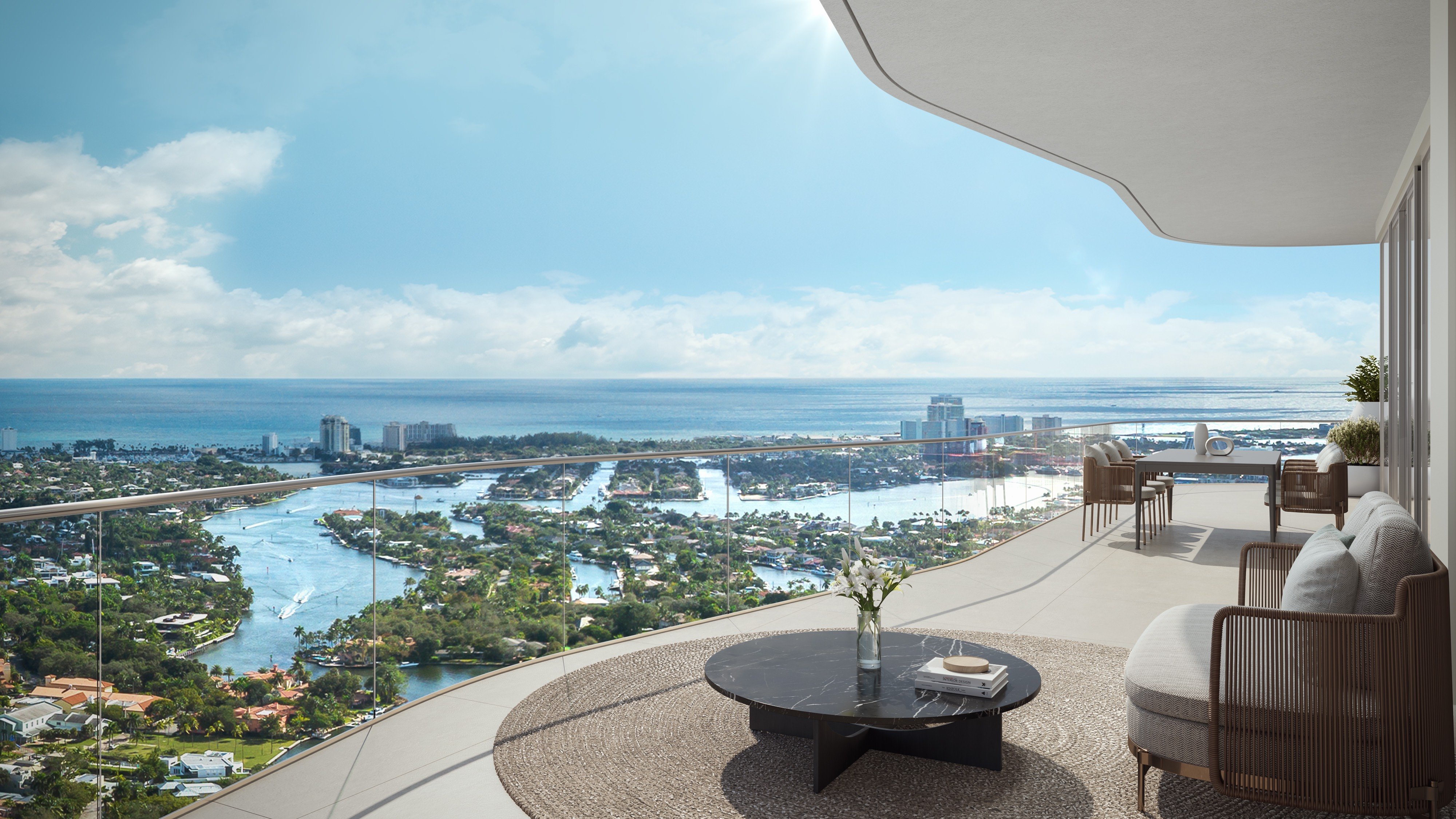
For buyers evaluating Andare Residences Fort Lauderdale, flood-disclosure review should begin before the emotional momentum of a preferred residence, a favored view line, or a compelling amenity narrative takes over. The project sits within the Fort Lauderdale Beach conversation, making coastal-risk diligence a practical part of contract review rather than a peripheral insurance topic.
The central issue is not whether a luxury buyer values water, views, and proximity to the beach. It is whether the buyer understands what the contract package says, what it does not say, and what acknowledgments may become binding once signed. In a pre-construction setting, that distinction can matter as much as finish selections or building services.
This is a Fort Lauderdale, Broward, beach-access, oceanfront, pre-construction conversation in the most literal sense: location, coast, contract, and future ownership obligations intersect before closing ever arrives.
A polished sales presentation may describe coastal design, resilience, lifestyle, and ease of ownership. Those themes are part of the luxury-condo experience, but they are not the same as binding obligations. Before signing, a buyer should ask counsel to compare any marketing language about resilience or coastal design with the actual contract documents.
The purpose is not to make the process adversarial. It is to keep the review disciplined. If the contract contains flood-related representations, limitations, buyer acknowledgments, insurance provisions, or developer disclaimers, those provisions should be read together rather than in isolation. A single acknowledgment, once executed, can shape what a buyer is deemed to have accepted.
This is especially important with a pre-construction residence, where the buyer is committing before living with the finished building. The strongest review separates presentation from obligation. What is promised, what is disclosed, what is excluded, and what must be independently verified should each occupy its own lane.
Flood-related diligence is not one question. It is a cluster of questions that should be organized clearly. Storm surge is one exposure category to consider; wave action is another coastal-risk factor relevant to contract review. A sophisticated buyer should not collapse those ideas into a vague phrase such as “flood risk.”
Storm surge review should focus on how the contract materials address coastal-event exposure, buyer acknowledgment, and the limits of any representation. Wave action review should be treated separately, particularly where coastal conditions, beach proximity, and water-related events may be discussed in broader disclosure language. General coastal-risk warnings should also be distinguished from project-specific disclosures.
That distinction helps buyers avoid a common mistake: assuming a general risk warning is equivalent to a precise explanation of project-specific conditions. It may not be. Conversely, a project-specific disclosure may require careful reading because it could carry more practical consequences than a general statement about coastal living.
In luxury real estate, buyers often focus on what they want to acquire. Contract review asks a different question: what have you acknowledged before acquisition? Flood-related acknowledgments may become especially important because they can limit later objections if the buyer signed with notice of certain conditions, warnings, or disclaimers.
Before contract execution, counsel should review whether the buyer is asked to acknowledge flood-related matters, insurance obligations, coastal risks, or limitations on reliance. If a buyer is relying on a broker, sales-office representative, or developer response, that reliance should be preserved in writing before signing. Verbal comfort is rarely as useful as a documented answer.
The review should also consider whether separate addenda, disclosures, or exhibits interact with the main purchase agreement. Luxury buyers are accustomed to complex documentation, but complexity can obscure practical consequences. A clean matrix of representations, acknowledgments, exclusions, and follow-up questions can make the decision far more legible.
Flood disclosures are not only engineering matters. They belong inside legal and financial diligence as well. Insurance obligations, possible association requirements, and buyer responsibilities should be read as part of the total cost and risk profile of ownership. The relevant question is not simply whether insurance will exist, but what the buyer is agreeing to accept, fund, or investigate.
Because unsupported assumptions can be costly, buyers should avoid relying on estimates, informal comments, or generalized expectations unless those points are confirmed by appropriate professionals and reflected in the buyer’s decision file. The goal is to understand how flood-related disclosures may connect to future carrying costs, financing comfort, and resale perception.
This review should remain grounded. Unless a specific flood-map designation, elevation detail, premium estimate, or code-compliance statement is included in the contract package or verified by the buyer’s own professionals, it should not be treated as established fact. Precision is part of protection.
A buyer’s pre-contract questions should be direct and written. Does the contract package contain project-specific flood disclosures? Are there general coastal-risk warnings that apply broadly to beach-area property? What buyer acknowledgments are required? What insurance responsibilities are described? What disclaimers limit reliance on marketing statements or oral explanations?
The buyer should also ask counsel to identify any gap between the sales narrative and the binding documents. If resilience, coastal engineering, or design response is discussed in the sales process, the buyer should know whether those ideas are contractual commitments, descriptive language, or non-binding presentation points.
Finally, the buyer should preserve written answers before execution. If a question matters enough to influence the decision, it matters enough to document. That does not slow down a well-run transaction; it gives it the clarity expected at the top of the market.
At Andare Residences Fort Lauderdale, flood-disclosure review should be approached with the same seriousness as view corridors, floor plans, service levels, and finish quality. Coastal ownership has its own vocabulary, and buyers should understand that vocabulary before the contract becomes binding.
The most elegant outcome is not alarm. It is clarity. A buyer who understands storm surge language, wave action references, insurance obligations, disclaimers, and acknowledgments is better positioned to evaluate the residence as both a lifestyle asset and a long-term financial commitment. In the Fort Lauderdale Beach context, that kind of review is not a sign of hesitation. It is the discipline of serious ownership.
Why should flood-disclosure review happen before contract signing? Because signed acknowledgments may limit later objections, buyers should understand disclosures, disclaimers, and obligations before execution.
Is flood diligence only an insurance question? No. It is also legal and financial diligence because disclosures can affect risk allocation, buyer acknowledgments, and future ownership costs.
What coastal risks should buyers separate in review? Buyers should distinguish storm surge, wave action, general coastal-risk warnings, insurance obligations, and project-specific disclosures.
Should marketing language be treated as binding? Not automatically. Counsel should compare any resilience or coastal-design language with the binding contract documents.
What should buyers ask the sales team in writing? Ask where flood-related disclosures appear, what acknowledgments are required, and whether any answers can be confirmed in writing.
Are general coastal warnings the same as project-specific disclosures? They are not the same. A careful review should identify which language is broad and which is tied to the project.
Can buyers rely on oral explanations? Oral explanations should be documented before signing, especially if they influence the buyer’s decision to proceed.
Should counsel review the full contract package? Yes. Counsel should review the purchase agreement, addenda, disclosures, exhibits, acknowledgments, and disclaimers together.
Does this review replace engineering or insurance advice? No. It organizes the contract questions and helps buyers know where specialized professional input may be needed.
What is the best mindset for buyers? Treat flood-disclosure review as part of luxury due diligence, with the same precision applied to design, service, and value.
For a confidential assessment and a building-by-building shortlist, connect with MILLION.
If branded residences are on your mind — as a home or as an allocation — we would be glad to share what we are seeing, privately.
Begin a quiet conversation