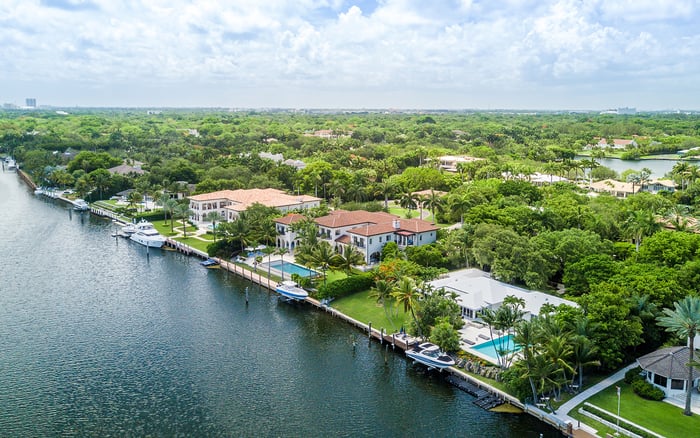
By 2030, South Florida’s ultra-prime homes and condos are expected to feel less like showpieces and more like finely tuned private resorts: calm materials, wellness-first planning, discreet technology, and service that rivals the world’s best hotels. Today’s development pipeline across Miami-beach, Brickell, Coconut-grove, and Palm-beach already signals where buyers are placing their premiums.
South Florida’s ultra-luxury market has always been defined by productive tension: oceanfront calm within reach of a global business core, legacy neighborhoods alongside newly delivered towers, and a lifestyle shaped by light, water, and the realities of coastal living. Those fundamentals are not expected to change by 2030. What is changing is the precision with which the best homes deliver them.
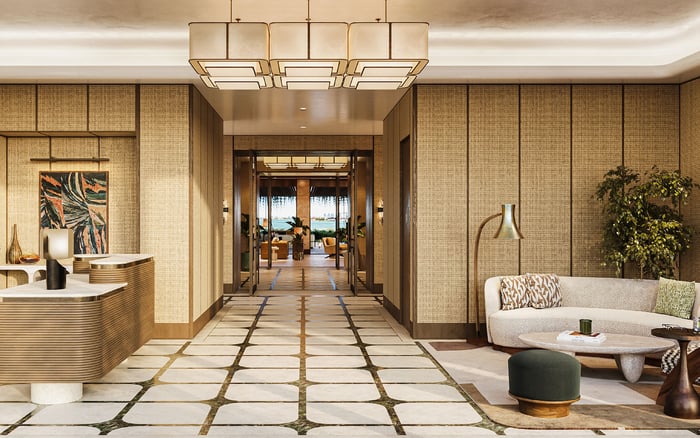
The most important shift is not loud. A growing share of trophy residences are being conceived as places to live well every day, not simply to be captured in a photograph or reserved for occasional use. Across new development, full-scale renovations, and expansion work, the prevailing language is increasingly “quiet luxury”: less spectacle, more craft; fewer one-off gestures, more comfort; and shorter trend cycles replaced by enduring materials and plans that hold up over time.
At the same time, South Florida continues to lean into two strengths it can credibly claim on a global stage: wellness-forward living and hospitality-grade service. When those priorities are paired with sustainability, high-performance building choices, and smart-home systems that recede into the background, prestige takes on a new form. In 2030, luxury is likely to read as calm, capable, and considered.
Quiet luxury is not minimalism for its own sake, and it is not a retreat from ambition. It is a design and planning ethos that treats a residence as an instrument, calibrated for daily routines, resilient in a humid coastal climate, and composed to remain relevant long after a trend fades.
For buyers, that shift shows up in the details: layouts that protect privacy, better acoustics, materials selected for longevity, and a preference for proportion and craftsmanship over ornate decoration. The result can feel warmer and more tailored even when the aesthetic is restrained, because the emphasis is on execution rather than decoration.
This is also where South Florida’s best new residences can differentiate themselves. Oceanfront and waterfront living adds real complexity, including salt air, intense sun exposure, and the need for consistent indoor comfort. A quiet-luxury residence in this context is one that anticipates those conditions and resolves them elegantly, so the home feels effortless rather than fragile.
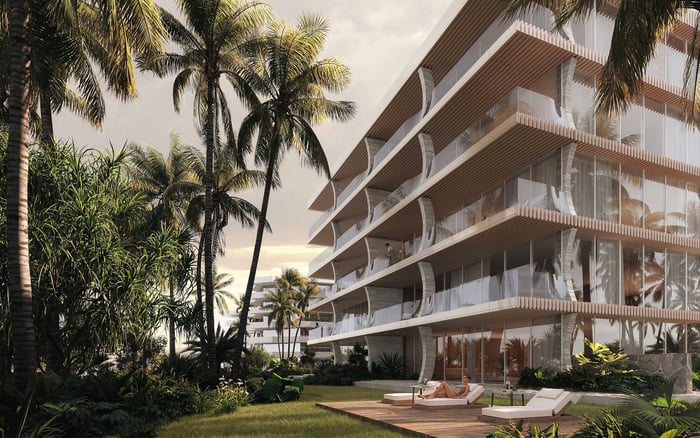
In Miami Beach, the newest ultra-luxury coastal offerings reinforce that buyers still prize prime frontage, while increasingly favoring a refined, residential tone. A project like The Perigon Miami Beach signals how new-build oceanfront product is being positioned: design-driven, amenity-rich, and oriented around livability, not just seasonal glamour.
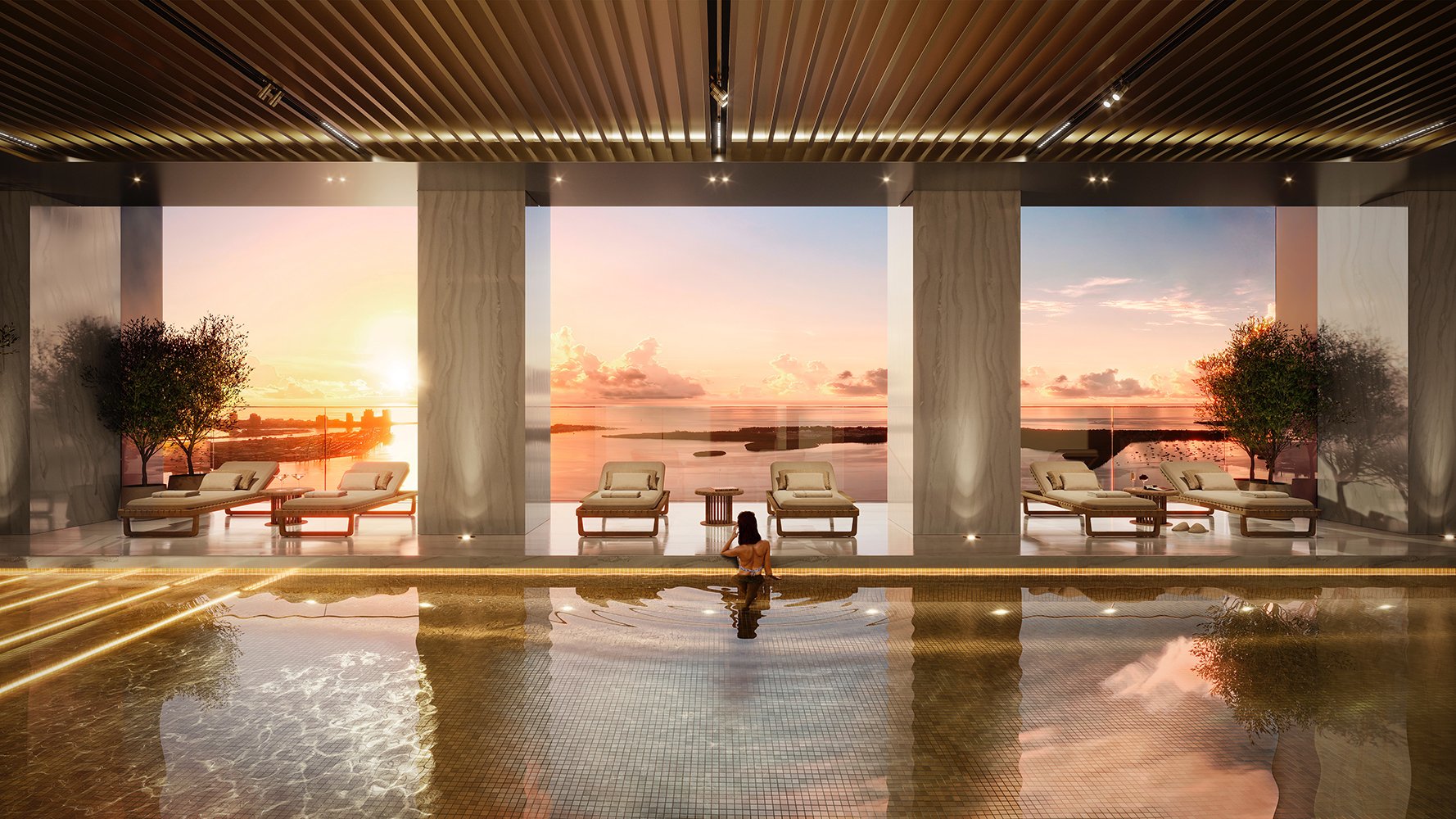
Wellness has moved beyond a marketing flourish. In South Florida, it is increasingly positioned as infrastructure, a baseline expectation of ultra-premium living rather than an optional upgrade.
By 2030, the most coveted residences are likely to be those that make health feel private, frictionless, and integrated. That includes far more than a well-appointed gym. It points to spaces and systems that support recovery, sleep, and the fundamentals of daily comfort, including air and water quality. The most persuasive wellness stories are also practical ones: a home that can support high performance when needed and deep rest when it is time to downshift.
In current luxury development coverage, wellness-forward amenities and programming are increasingly treated as differentiators: spa environments, fitness and training, and recovery-oriented offerings. Buyers should also look at how wellness is embedded in the plan itself. A well-designed wellness residence typically reserves quiet zones, manages sound transmission, and uses indoor-outdoor transitions to encourage movement and daylight without turning the home into a stage set.
Coconut Grove has become an instructive case study. The neighborhood’s boutique character lends itself to wellness that feels intimate rather than theatrical. A limited, curated residential environment such as Opus Coconut Grove aligns with this direction, offering smaller-scale luxury where privacy and an unhurried day-to-day cadence can be as valuable as expansive amenity decks.
Branded residences and hospitality-driven living are expected to remain central to Miami’s ultra-luxury identity through 2030. The appeal is direct: ownership with the operational polish of a top-tier hotel. For a global buyer, the value proposition is consistency, discretion, and time saved.
Miami Beach’s development narrative has been widely associated with this direction, with prominent hospitality names tied to new residential offerings and redevelopments. Brickell, meanwhile, has increasingly framed ultra-luxury as a union of skyline presence, waterfront or riverfront proximity, and an established service culture.
By 2030, the premium is likely to be less about visible logo signaling and more about execution. Staffing models, privacy protocols, and the day-to-day reliability of the service layer will matter most. The difference between “hotel at home” and “home with hotel DNA” will be consequential, particularly for buyers who value a residence that feels personal, not public.
Brickell’s branded-tower momentum captures this evolution. Baccarat Residences Brickell exemplifies the market’s continued appetite for residences that pair design signaling with a strong service narrative, appealing to buyers who want effortless arrivals, managed details, and a lifestyle that scales from ordinary living to hosting.
In South Florida, sustainability has increasingly been framed as a luxury feature set: durability, efficiency, and future-proofing. That framing is essential. Ultra-premium buyers are not looking for compromises. They are looking for performance.
By 2030, “green” is unlikely to read as a separate category at the high end. It will be embedded in the value proposition through smarter material selections, reduced operating friction, and building decisions designed to hold up over time. Forward-looking luxury is frequently tied to efficiency and long-horizon operating performance, which aligns with what sophisticated buyers already prioritize: reliability, comfort, and stewardship of capital.
For a buyer evaluating a new tower or a comprehensively modernized residence, sustainability can be assessed through practical questions that translate directly into daily life:
In a region where outdoor living is central and sun exposure is constant, performance is not a technical footnote. It is quality of life, day after day.
Smart-home integration is increasingly treated as standard in luxury trend roundups. The higher standard for 2030 is not more technology. It is better technology, implemented so discreetly that it fades into the architecture and the rhythm of daily living.
The most desirable residences are likely to treat automation as a layer of calm: lighting that flatters art and skin tones, climate settings that anticipate occupancy, and systems that simplify access and security without turning the home into a control room. The aspiration is composure, not complexity.
For ultra-premium buyers, the practical question is governance. Who manages and services the system? Can it be operated intuitively by guests, staff, and family members? Does the home remain elegant when something fails and a manual workaround is required?
The residences that win in 2030 will be those that keep interfaces discreet, build in redundancy, and prioritize ease. The goal is not novelty. The goal is a home that behaves impeccably.
Indoor-outdoor living is not new to South Florida. What is changing is the sophistication with which it is being refined. Marketing continues to emphasize expansive terraces, modern finishes, and open plans, but the next iteration is likely to feel more like a series of purposeful outdoor rooms.
By 2030, buyers can expect more attention to microclimates: shaded zones, wind management, and layouts that remain comfortable during the hottest months. Outdoor kitchens and entertaining areas will continue to matter, yet the most valuable outdoor spaces will be those you actually use on a normal Tuesday, not only on a holiday weekend.
In the single-family segment, feature roundups still highlight resort-style outdoor amenities as enduring expectations. The shift is toward usability and climate responsiveness. In other words, less statement, more living room.
South Florida is not a single luxury market. It is several, each with its own definition of prestige and its own cadence of daily life. Understanding that internal map helps buyers select a residence that will still feel right in 2030.
Miami-beach continues to be shaped by oceanfront scarcity and a development narrative that blends design, wellness, and brand-caliber service. New coastal offerings suggest that demand remains strong for newly built, high-amenity product, particularly when it reads as residential rather than overtly resort-like.
For 2030-minded buyers, the most future-proof Miami-beach addresses are likely to combine calm interiors, high service standards, and a building culture that protects privacy. As the market matures, discretion and operational consistency tend to become more valuable than spectacle.
Brickell’s ultra-luxury identity is increasingly defined by branded towers and a lifestyle that merges urban energy with managed convenience. Buyers who split time between cities often favor the predictability of service, arrivals, and security, along with a building experience that is professionally run.
The long-term question for Brickell is not whether it will remain desirable, but which residences deliver the most livable version of vertical luxury: thoughtful layouts, meaningful sound control, wellness-forward amenities that function beyond aesthetics, and a service layer that feels seamless rather than performative.
Coconut-grove’s premium is often its scale. Boutique development, lower density in many pockets, and a long-standing preference for design-forward living make the neighborhood attractive to buyers who want discretion and a sense of community.
A project like Vita at Grove Isle reflects the appeal of a more insulated, residential experience, where water views and privacy can carry as much weight as proximity to nightlife.
Palm-beach remains a bellwether for legacy luxury. Demand is often tied to affluent buyers and second-home households, including Northeastern transplants. Another defining trait is the perception of scarcity, especially around new construction, which can elevate the value of newly built or comprehensively modernized, high-performance homes.
By 2030, that scarcity narrative is likely to continue supporting premiums for residences that feel classic in presence and modern in function, delivering both character and contemporary reliability.
The strongest ultra-luxury purchases tend to look inevitable in hindsight. In 2030, that is likely to be especially true of homes that do the most while asking the least of their owners.
Use this lens when evaluating a residence today:
In the ultra-premium tier, the most important “amenity” is often the one you notice least: a home that makes every day feel composed.
Is quiet luxury a design style or a buying strategy? It is both. It describes a restrained aesthetic, and it also signals a preference for materials, layouts, and craftsmanship that stay relevant, comfortable, and livable over time.
What does “wellness infrastructure” mean in a condo? It means wellness is built into the building’s core offering, often through spa and fitness programming, recovery-oriented spaces, and design choices that support rest, routine, and daily comfort.
Are branded residences mainly about the name? The strongest value is typically tied to service consistency and operations. The name matters, but execution, staffing, privacy, and the lived resident experience matter more.
Which South Florida areas feel most future-proof for 2030? Miami-beach and Brickell tend to lean toward service-driven vertical luxury, while Coconut-grove and Palm-beach often signal privacy, boutique scale, and long-term desirability rooted in scarcity and legacy.
For tailored guidance on South Florida’s next era of ultra-prime living, explore MILLION Luxury.
If branded residences are on your mind — as a home or as an allocation — we would be glad to share what we are seeing, privately.
Begin a quiet conversation