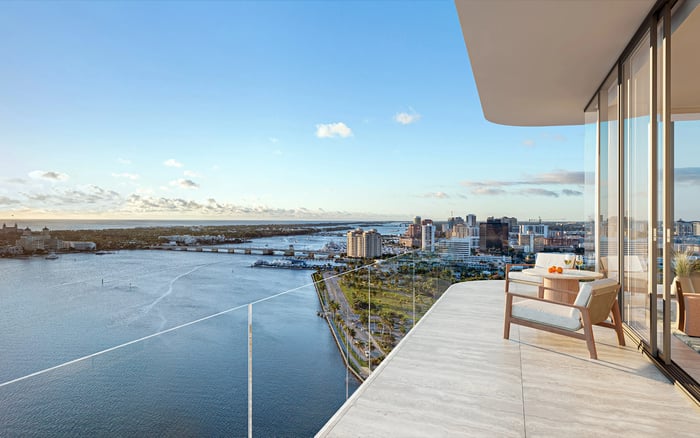
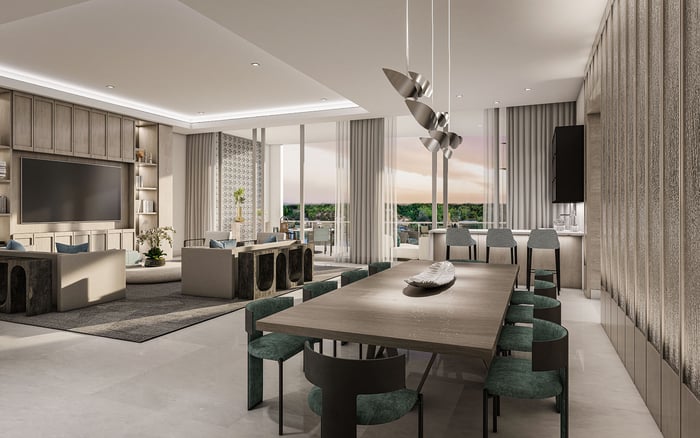
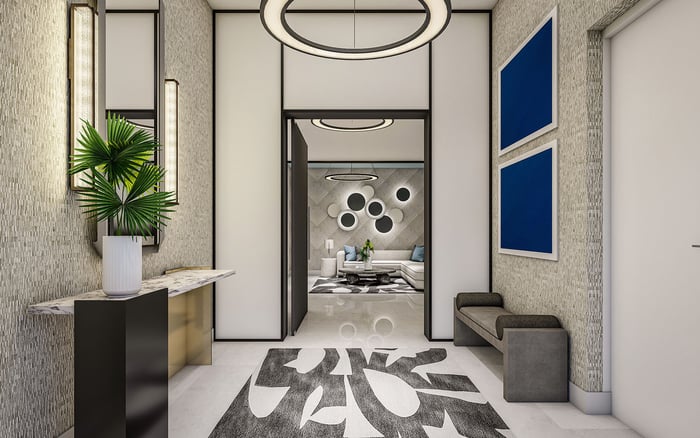
In ultra-premium South Florida, the most persuasive amenities are the ones that reduce friction in daily life. Dedicated pet wash stations sit in that category: not flashy, but quietly practical, and increasingly expected in pet-friendly luxury buildings. For buyers considering The Ritz-Carlton Residences® Palm Beach Gardens, a pet wash is best evaluated less as a novelty and more as a design choice that protects interiors, improves staff operations, and supports a cohesive “pets belong here” resident culture. When executed correctly, it can also strengthen marketability among a deep cohort of second-home owners who travel with dogs and want a turnkey lifestyle.
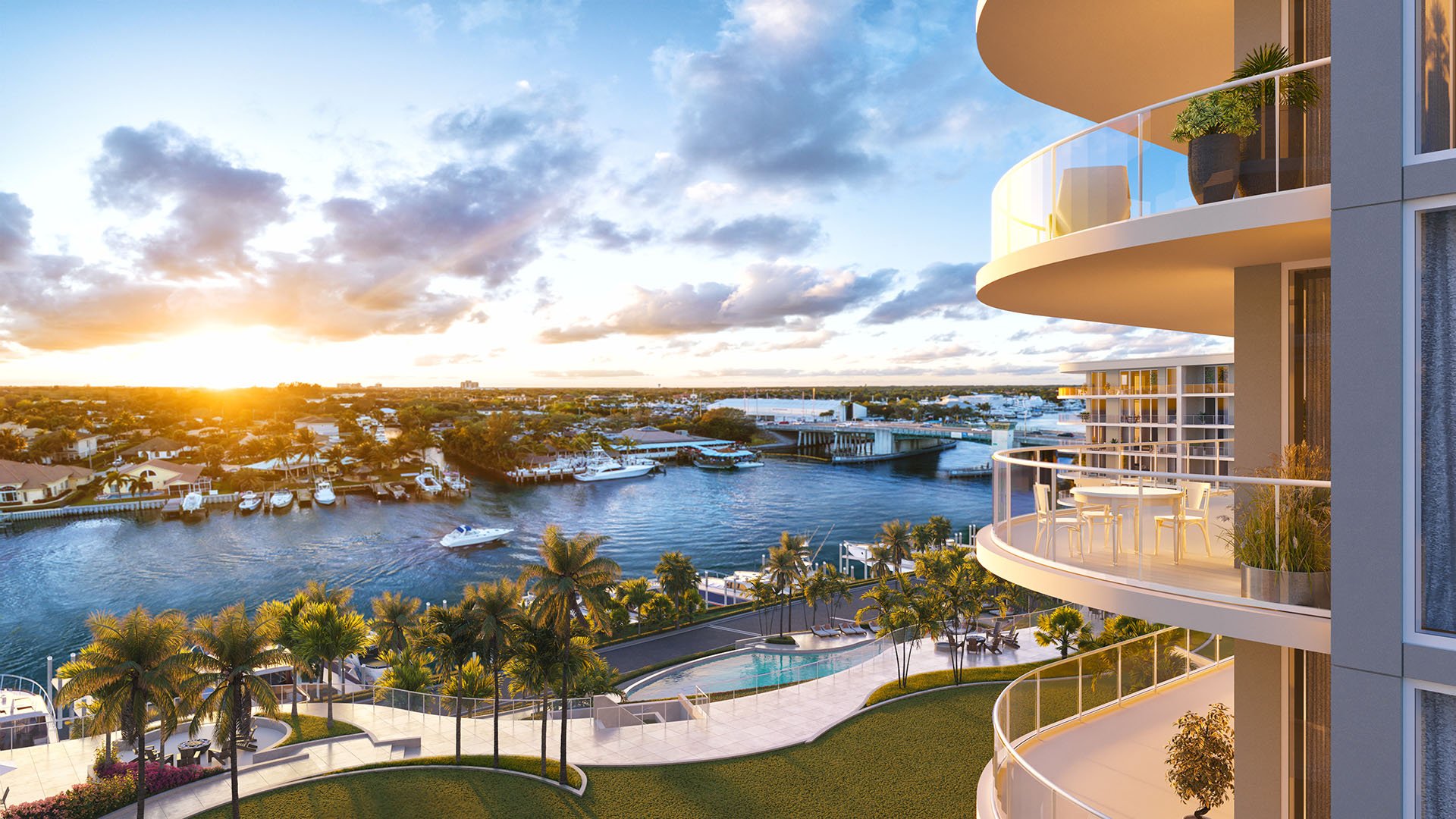
In South Florida’s top-tier buildings, amenities increasingly function as operational infrastructure-not marketing ornaments. A dedicated pet wash station is a clear example: it keeps sand, salt, grass, and the everyday realities of dog ownership from migrating into lobbies, elevators, corridors, and ultimately, into your residence.
In a coastal, outdoor-forward lifestyle, a quick rinse can be the difference between a home that stays consistently polished and one that lives in perpetual “clean-up mode.” The value isn’t only about the pet; it’s about preserving the calm, finished quality of the overall property experience.
For a branded residential environment like The Ritz-Carlton Residences® Palm Beach Gardens, pet amenities also function as a cultural signal. They communicate that pets are not merely tolerated, but planned for. For buyers who travel seasonally, entertain often, or maintain multiple homes, that signal reduces uncertainty: you can arrive, settle in, and live normally from day one.
A pet wash station rarely decides a purchase on its own. Instead, it supports the broader comparison buyers make among similarly priced residences: which property will feel easier to live in, easier to maintain, and easier to resell.
Three value drivers tend to matter most:
First is finish protection. Hard floors, area rugs, and upholstered pieces can be replaced; the disruption of frequent cleaning is harder to quantify. A purpose-built station encourages rinsing paws before entering private spaces. Even a modest shift in routine can meaningfully reduce abrasion on flooring, staining on textiles, and odor accumulation.
Second is building-wide cleanliness. Without a convenient wash area, residents improvise-bathroom tubs, outdoor hoses, or hallway wipe-downs that leave residue behind. A dedicated station concentrates that activity in a space designed to handle it, supporting a cleaner lobby and elevator experience for everyone.
Third is time. In luxury living, the currency is often minutes, not dollars. An on-site wash means you’re not driving to a grooming shop for simple rinses or post-park cleanups. For many owners, that convenience is part of what they’re paying for.
Not all pet wash stations are created equal, and the market can tell. The most effective installations share design characteristics that feel obvious in use, yet are often missed in execution.
Location is paramount. A station performs best when it sits on the natural path between arrival and home-near an entry, parking access, or a pet relief area. If it requires a detour through a social lounge or a pristine corridor, residents will simply skip it.
Drainage and slip resistance are just as critical. A pet wash that puddles becomes a hazard, and a slick floor discourages use for large dogs. The details should read as commercial-grade: a well-graded floor, durable surfaces, and a layout that can be hosed down quickly.
Ventilation and odor control matter more than branding. The station shouldn’t create lingering humidity or a “wet dog” smell that drifts into adjacent amenity areas. If residents sense that risk, they’ll avoid the room-and the amenity becomes performative.
Finally, comfort. An elevated tub reduces strain for owners, and a hand-held sprayer with sensible water pressure makes the station genuinely usable. Hooks, towel bars, and a small grooming ledge are minor touches that materially improve function.
For primary residents, the best amenity is the one that quietly edits your routine. A dedicated pet wash can turn a chaotic moment into a controlled one-particularly after rain, beach walks, or a long car ride.
For second-home owners, it can be even more consequential. Seasonal arrivals are often compressed: luggage, deliveries, home setup, and social commitments converge within the same 24 hours. If your dog is coming off a flight, a road trip, or a long day outdoors, the ability to clean them immediately-without improvising in a pristine bathroom-can feel like the difference between “arrived” and “still settling.”
This also ties into the broader expectation of hospitality-grade living. In buildings where seamlessness is the standard, pet handling becomes part of the service ecosystem. A station that’s easy to access and easy to keep clean reduces the need for ad hoc solutions that involve staff, housekeeping coordination, or unnecessary wear on private spaces.
Buyers often evaluate amenities through an owner’s lens, but operational impact shapes a property’s long-term feel. A dedicated pet wash can reduce strain on building staff by centralizing mess-prone activity.
From a maintenance standpoint, it can reduce the frequency of lobby spot-cleaning, elevator wipe-downs, and corridor touch-ups. It can also lower resident-to-resident friction-an understated but real value in high-density luxury living, where privacy and quiet enjoyment are paramount.
The best buildings treat pet amenities as part of a larger plan: clear house rules, discreet signage, and a layout that avoids cross-traffic with formal spaces. Done well, pet ownership becomes less visible in shared areas, which benefits both pet owners and non-owners.
Within South Florida, pet-friendly luxury is no longer a niche; in many new and newly positioned buildings, it’s a baseline expectation. What varies is the sophistication of execution.
In Miami Beach, for example, the buyer profile often includes full-time residents and frequent guests, which puts a premium on well-managed common areas. A pet wash reads as part of a broader “clean transitions” philosophy in a building like The Ritz-Carlton Residences® Miami Beach, where arrivals, departures, and lifestyle movement tend to be constant.
In West Palm Beach, the luxury buyer often toggles between social calendars, waterfront activities, and downtown living. In that cadence, pet amenities operate like wardrobe infrastructure: not glamorous, but essential if you care about staying immaculate while living actively. Buildings such as Alba West Palm Beach sit in a market where buyers increasingly ask whether the building is truly pet-ready-not merely pet-allowed.
In Sunny Isles, ultra-luxury towers compete heavily on “everyday ease,” and pet amenities can be part of an all-in lifestyle pitch alongside valet, spa, and beach services. The presence of pet-forward planning in buildings like Bentley Residences Sunny Isles reflects how the market has evolved: convenience is treated as a form of luxury itself.
If you’re assessing The Ritz-Carlton Residences® Palm Beach Gardens with an investor’s discipline, treat the pet wash station as one datapoint within a broader livability premium. The question isn’t “Is there a pet wash?” but “Will it be used, and does it reduce friction enough to matter?”
During a tour or review process, focus on practical indicators:
Consider proximity and routing. Does the station sit where you would actually use it-especially when returning from outdoors? If the flow is awkward, adoption drops.
Assess durability. Pet areas are high-wear by definition. Look for materials and detailing that appear intentionally selected for water, hair, and cleaning chemicals. If the finishes read as delicate, expect the space to age quickly, undermining the luxury impression.
Evaluate comfort and scale. A station that only works for small dogs is a partial solution. The more inclusive the design, the more broadly valuable it becomes.
Ask about rules and cleaning cadence. A beautiful station that’s inconsistently maintained becomes a liability. In luxury environments, perception is reality: residents will remember the one time the room felt unkempt.
In the ultra-premium segment, “pet-friendly” is less about permission and more about integration. A dedicated pet wash station supports an identity of considered living-where the building anticipates real life and manages it elegantly.
That matters because luxury buyers aren’t simply buying space. They’re buying a standard of daily experience, and that standard is defined by what doesn’t happen: no improvised bathing in guest bathrooms, no wet paw prints across polished common areas, no uncomfortable apologies to neighbors.
In Palm Beach and Palm Beach Gardens, where discretion is part of the social contract, a pet amenity that keeps activity contained and tidy aligns with local sensibilities. It lets owners enjoy their dogs fully while keeping the property’s tone composed.
A dedicated pet wash station becomes valuable when it’s easy to use, easy to clean, and naturally integrated into daily circulation. Under those conditions, it can protect interiors, elevate shared spaces, and broaden a property’s appeal among pet-owning luxury buyers.
For The Ritz-Carlton Residences® Palm Beach Gardens, the presence of a dedicated wash is best understood as part of a larger promise: that the building has thought through the details that make high-end living feel effortless. In a market where many towers compete on similar headline features, these quiet conveniences can become the tie-breakers buyers remember.
Do pet wash stations actually influence resale value? Indirectly, yes: they can strengthen buyer appeal and support a better-kept building experience.
What should I look for in a well-designed pet wash room? Convenient location, strong drainage, slip-resistant flooring, and good ventilation are key.
Is a pet wash station mainly for dogs? Mostly, but it can also be useful for rinsing sandy paws, carriers, or small pet items.
Can a pet wash reduce wear inside my residence? Yes, it helps limit sand, salt, and grime that can abrade floors and stain textiles.
Does this amenity matter if I already use a groomer? It still helps for quick cleanups between appointments, especially after outdoor time.
What makes a pet wash feel “luxury” rather than basic? Elevated tubs, thoughtful accessories, durable finishes, and consistent cleanliness.
Could a pet wash room create odor issues in a building? If poorly ventilated it can, but a properly designed space should contain odors.
How does a pet wash affect common areas like elevators and lobbies? It can reduce mess and improve the overall perception of cleanliness for residents.
Is it better for the station to be near parking or near a dog run? Ideally it sits along your natural return path, which is often near parking access.
Should I prioritize pet amenities over other features when buying? Only if you travel with pets or own full-time; otherwise treat it as a livability bonus.
When you're ready to tour or underwrite the options, connect with MILLION Luxury.
If branded residences are on your mind — as a home or as an allocation — we would be glad to share what we are seeing, privately.
Begin a quiet conversation