A buyer-focused guide to evaluating wellness amenities in Downtown Miami and nearby Brickell luxury residences, with emphasis on daily use, privacy, design quality, operating costs, and long-term fit.
In Downtown Miami, the most compelling luxury residences are no longer defined solely by skyline views, dramatic lobbies, or a celebrated design name. For many buyers, the deeper question is how a building supports a life that feels healthier, calmer, and more efficient. Wellness amenities have become part of the private-residence vocabulary, but they deserve the same scrutiny as floor plan, natural light, parking, service, and location.
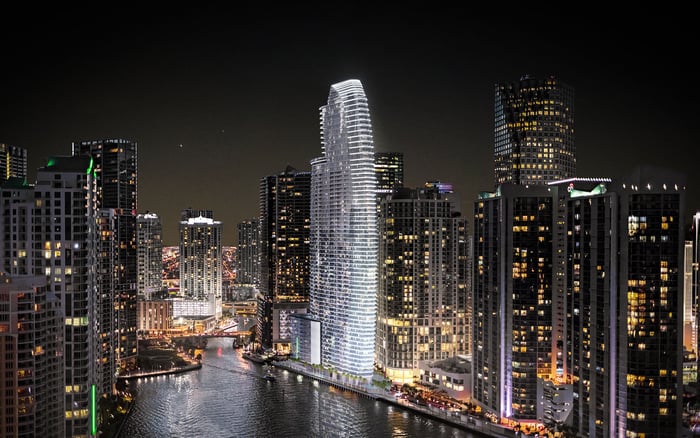
The challenge is that wellness can mean very different things from one building to another. In one setting, it may center on a serious fitness environment and a resort-caliber pool. In another, it may mean spa rituals, quiet lounges, recovery rooms, outdoor terraces, or simply the ability to move through the day with less friction. A buyer comparing Aston Martin Residences Downtown Miami with other Downtown offerings should look beyond the amenity menu and ask how each feature will actually function in daily life.
The first test is personal. A spectacular amenity package has limited value if it does not match the owner’s routine. A buyer who trains early may prioritize a fitness center that feels spacious, private, and easy to access before business hours. A frequent traveler may care more about massage rooms, steam, sauna, and low-effort services after long flights. A family may find greater value in outdoor space, flexible lounges, and child-friendly wellness programming than in a dramatic but seldom-used spa corridor.
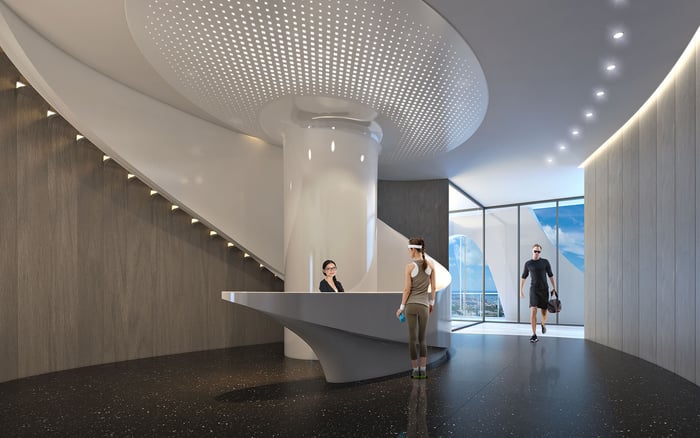
Downtown living rewards convenience, but convenience should not be mistaken for wellness. The best buildings create a sense of separation from the city without disconnecting residents from it. Elevator flow, arrival sequence, acoustics, scent, lighting, and staff discretion all shape the experience. A gym with exceptional equipment can still feel underwhelming if it is crowded, poorly lit, or positioned as an afterthought. A spa suite can look beautiful and still lack the privacy expected at the upper end of the market.
Downtown and Brickell are often discussed together, but their wellness appeal can feel distinct. Downtown may speak to buyers who want cultural proximity, waterfront energy, and a more cinematic skyline environment. Brickell often appeals to those who value financial-district convenience, walkability, dining access, and a polished urban rhythm. Neither is inherently better. The stronger choice depends on how the buyer lives.
A residence such as Waldorf Astoria Residences Downtown Miami may attract those who want a Downtown address with a highly vertical, landmark-oriented sensibility. In Brickell, buyers considering The Residences at 1428 Brickell may be weighing a different kind of urban wellness, one tied to the balance between work, privacy, and refined daily infrastructure.
For some buyers, the ideal answer may sit between the two: close enough to the city’s business and cultural core, yet serene enough inside the building for the residence to feel restorative. That balance is often more important than the sheer number of amenities.
Luxury buyers should be cautious about equating more amenities with better living. A long list can photograph well, but the true measure is coherence. Do the wellness spaces relate to one another logically? Can a resident move from fitness to stretching to recovery without crossing highly public areas? Is the pool deck designed for quiet use, social energy, or both? Are treatment rooms reserved for occasional spectacle, or are they part of a practical lifestyle offering?
This is where new-construction buyers should be especially precise. Renderings can communicate mood, but they do not always reveal operating quality. Ask how spaces will be staffed, maintained, reserved, and governed. A private dining room, spa suite, yoga room, or wellness lounge may become either a meaningful extension of the home or a rarely used showpiece, depending on management and resident culture.
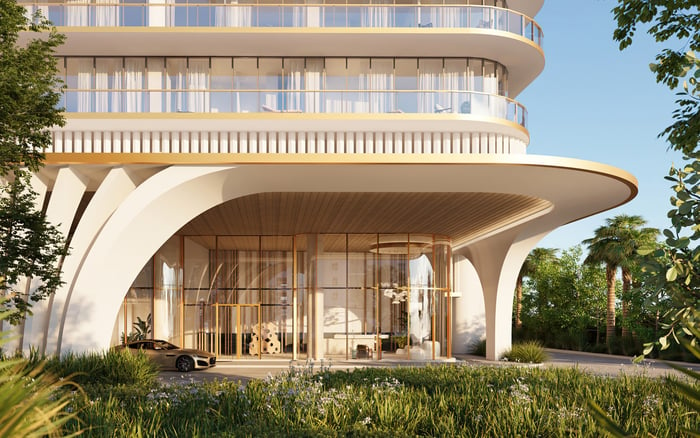
Buildings such as Casa Bella by B&B Italia Downtown Miami illustrate why design identity matters in the evaluation process. When interiors, amenity spaces, and private residences share a considered point of view, the wellness experience can feel more integrated. Buyers should look for that sense of continuity rather than a collection of unrelated rooms.
At the high end, wellness is closely tied to privacy. A beautiful amenity can lose its appeal if access feels competitive or overly public. Before purchasing, buyers should understand how many residences will share core amenities, how reservations are managed, and whether certain spaces can be privately booked. The ratio between residents and amenities is not just a lifestyle detail; it can affect daily satisfaction and long-term perceived value.
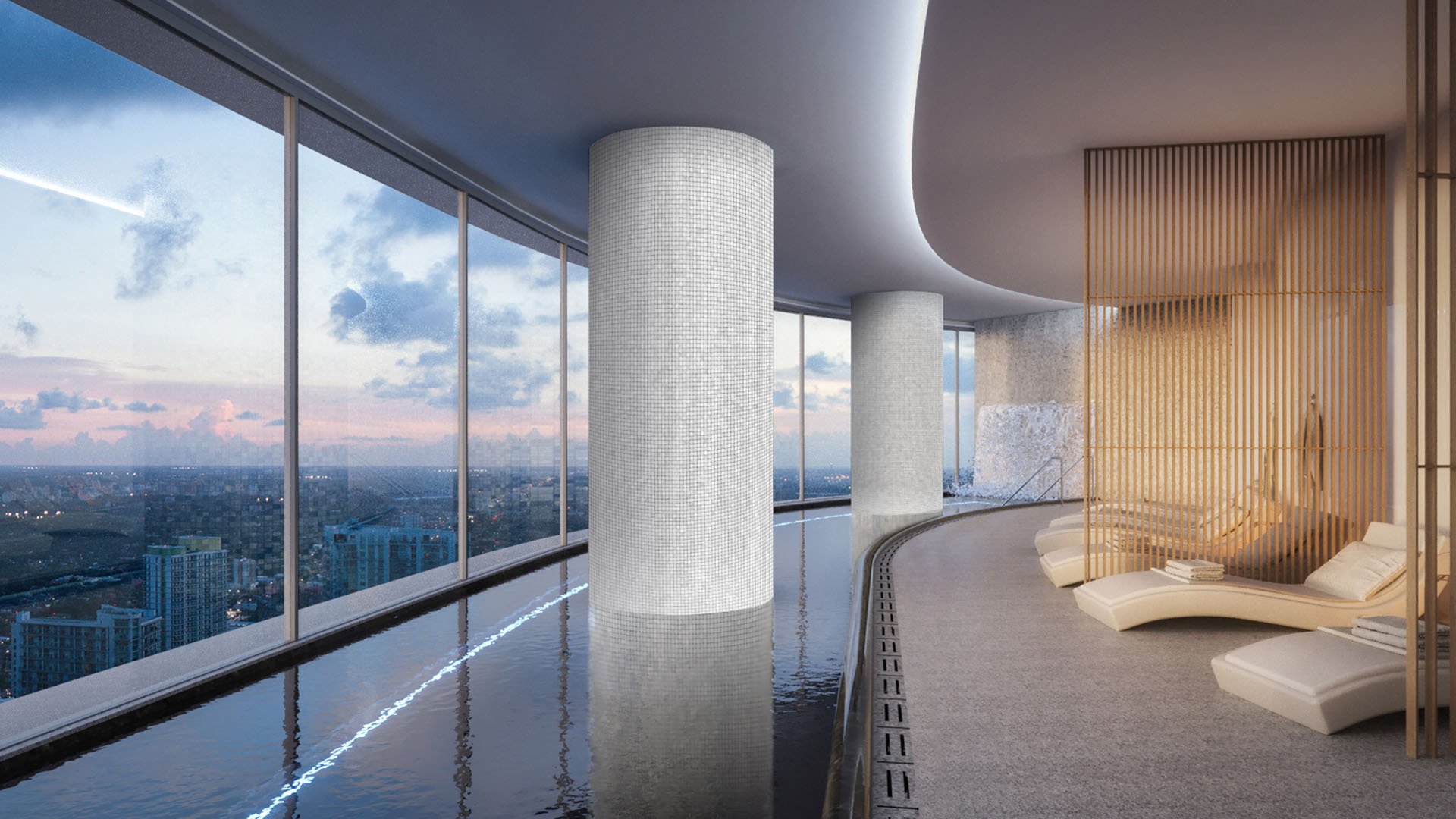
Pool areas deserve particular attention. Consider sun exposure, wind, seating configuration, towel service, food and beverage rules, guest policies, and whether the deck feels tranquil at different times of day. The same scrutiny applies to gyms and recovery rooms. A space that works beautifully at midday may feel strained during peak morning or evening use.
The most desirable wellness environments tend to feel intuitive. They do not require residents to overplan, compete for every time slot, or adjust their routines around the building. Ease is the luxury.
Wellness amenities are not free once a building opens. They must be cleaned, staffed, insured, refreshed, and managed. Buyers should review association budgets, staffing assumptions, maintenance expectations, and rules for third-party practitioners or service providers. A spa, plunge area, fitness suite, or elaborate pool environment may add meaningful value, but only if the building has the financial and operational discipline to sustain it.
The question is not whether a residence has wellness amenities. The question is whether those amenities will remain elegant five, ten, and fifteen years into ownership. Materials, ventilation, equipment replacement cycles, and service standards all matter. In luxury real estate, the most impressive amenity is often not the most visible one. It is the one that is consistently maintained without calling attention to itself.
For Downtown Miami luxury residences, wellness should be weighed as part of the entire ownership experience. A thoughtful buyer will compare the residence, building culture, service model, location, and amenity program as one composition. The strongest choice is rarely the building with the longest checklist. It is the one where the amenities feel inevitable, useful, private, and beautifully aligned with the way the owner wants to live.
What should wellness amenities mean in a Downtown Miami residence? They should support daily routines through fitness, recovery, outdoor space, calm interiors, and efficient service. The best wellness offering feels useful rather than decorative.
Are more amenities always better for luxury buyers? No. A smaller, better-managed amenity program can be more valuable than a large collection of spaces that feel crowded or disconnected.
How should buyers compare Downtown and Brickell? Downtown may appeal to buyers seeking skyline energy and cultural proximity, while Brickell often suits those prioritizing business access and walkability. The right choice depends on lifestyle rhythm.
Why does privacy matter in wellness amenities? Privacy affects how often residents actually use gyms, spas, lounges, and pool decks. If access feels too public or competitive, the amenity loses practical value.
What should buyers ask about a pool deck? They should ask about sun exposure, seating, guest policies, service, maintenance, and peak-use patterns. The experience can vary significantly throughout the day.
Do wellness amenities affect resale appeal? They can support appeal when they are well designed, well maintained, and aligned with buyer expectations. Poorly managed amenities may have the opposite effect.
What matters most in a fitness center? Space, ventilation, equipment quality, lighting, privacy, and ease of access are key. A beautiful gym must also work during peak hours.
Should new-construction buyers rely on renderings? Renderings are useful for understanding design intent, but buyers should also study management plans, budgets, rules, and delivery details. Operations determine the lived experience.
How important is service in a wellness-focused building? Service is essential because it shapes reservations, cleanliness, privacy, and daily ease. Wellness depends as much on management as on architecture.
What is the simplest way to judge a wellness amenity package? Ask whether it will improve your weekly routine in a tangible way. If it does not change how you live, it may be more marketing than value.
For a tailored shortlist and next-step guidance, connect with MILLION.
If branded residences are on your mind — as a home or as an allocation — we would be glad to share what we are seeing, privately.
Begin a quiet conversation