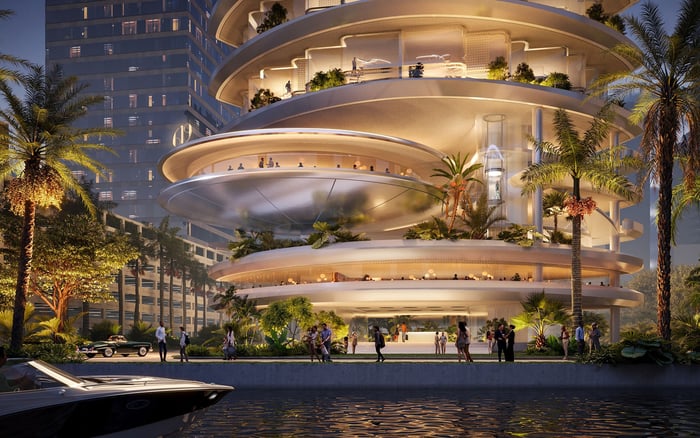
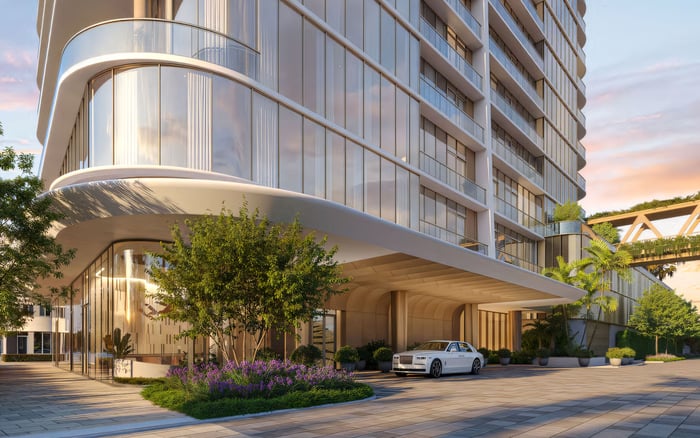
A discreet Brickell buyer’s guide to comparing Colette Residences Brickell and House of Wellness Brickell through the lens of household operations, privacy, service rhythm, and verification.
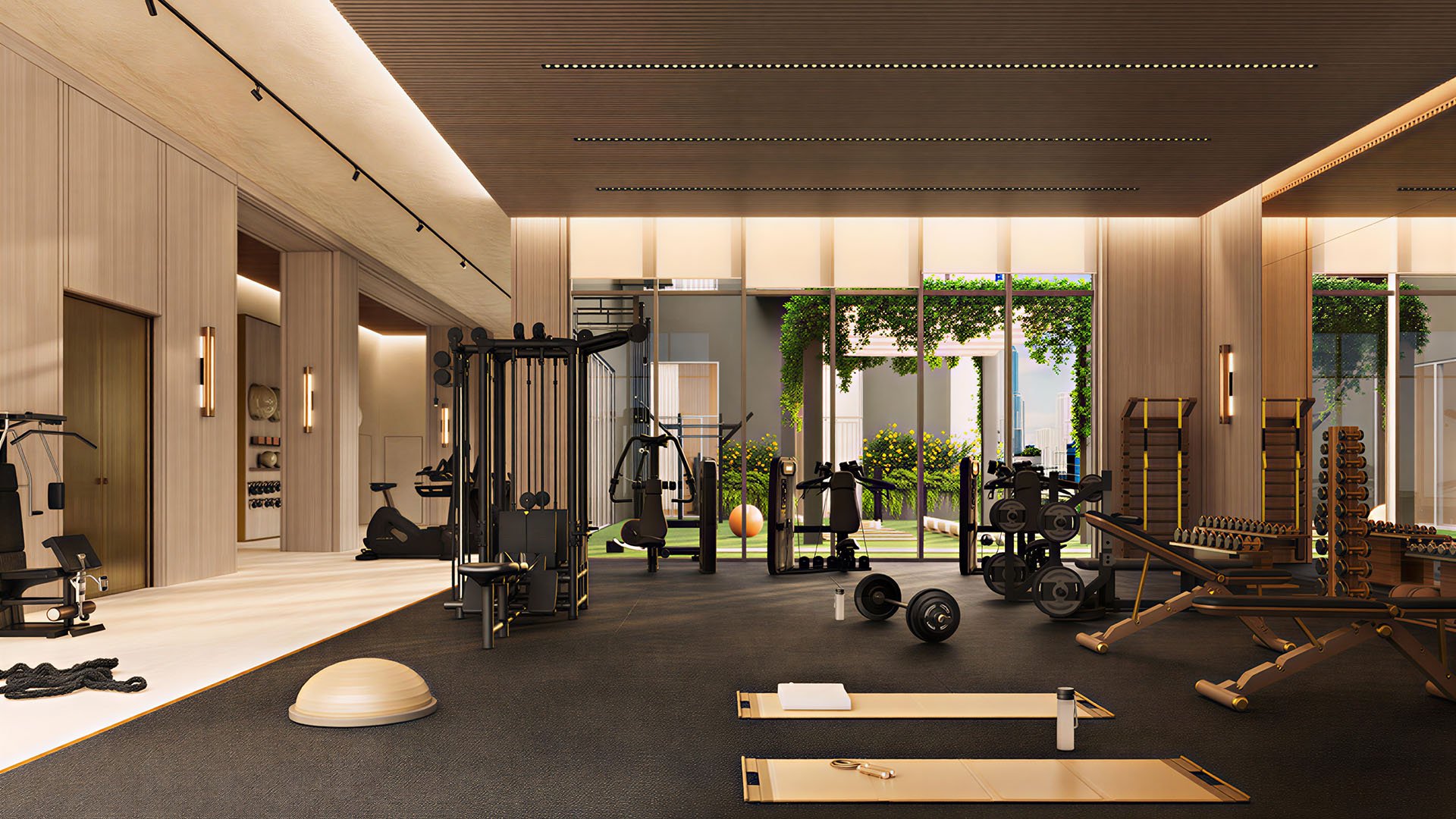
In Brickell’s upper tier, the most meaningful distinction is not always the architectural rendering, the lobby finish, or the headline amenity. For many private buyers, the decisive question is quieter: will the building make daily life feel composed, predictable, and protected?
That is the right lens for comparing Colette Residences Brickell with House of Wellness Brickell. The names point to two different buyer instincts. One favors a residency-first environment where service is present but restrained. The other may be evaluating a concept whose name suggests a wellness-centered identity, but whose actual household mechanics should be confirmed before assumptions are made.
For the discreet buyer, this is less a beauty contest than an operational audit. How does the building manage arrivals? How visible are guests and vendors? Does the service culture support a private household rhythm, or does it create a more social, programmed environment? In Brickell, those questions can matter as much as square footage.
Colette Residences Brickell is best understood as the more boutique, residency-forward reference point in this comparison. Its appeal rests on the idea of a building where discretion is central to fit, not merely a decorative promise. The strongest case for Colette is not that it must be superior in every respect, but that it is easier to frame as a low-key residential product for buyers who want service without constant activation.
That distinction matters. Some luxury buildings succeed by creating energy, visibility, and a social calendar that feels hotel-adjacent. Others succeed by reducing friction. For a principal residence, a regularly used pied-à-terre, or a family base in Miami’s financial core, the latter can be more valuable. The ideal experience is not necessarily dramatic. It is the ability to arrive, host selectively, receive household support, and leave again without the building becoming the story.
In practical terms, this comparison belongs to a Brickell buyer with a Boutique temperament, New-construction expectations, Pre-construction diligence, Top Project selectivity, and an Exclusive-area standard without unnecessary theater.
Understated service is not the absence of service. It is service that anticipates without performing. In a residential tower, that can mean a front-of-house team that recognizes household preferences, a valet experience that feels orderly rather than ceremonial, and a guest process that protects privacy without becoming cold.
The same principle applies vertically. Elevator flow is not a glamorous topic, but it shapes the lived experience of a building. Buyers who entertain quietly, travel frequently, or maintain staff will want to understand how resident movement, service access, deliveries, and guests are separated or coordinated. A building can have exceptional finishes and still feel exhausting if everyday circulation is poorly managed.
This is where Colette’s residency-forward positioning becomes relevant. The buyer fit is less about chasing a spectacular amenity reveal and more about confirming whether the building supports composure. Privacy, predictability, and household support become the luxury features.
House of Wellness Brickell should be evaluated carefully and directly, especially by buyers comparing it with a more clearly residency-focused profile. The name may invite assumptions about programming, lifestyle, or amenity culture, but those assumptions should never substitute for confirmation.
A serious buyer should ask precise operational questions before drawing conclusions. What is the building’s service philosophy? How often are resident events expected to occur? Are wellness amenities intended to be private, semi-private, or socially activated? How are outside practitioners, guests, and household vendors handled? What rules govern rentals, access, and governance?
None of those questions is negative. They are simply the questions that matter when a buyer prefers quiet over spectacle. A wellness identity can be deeply compatible with privacy if the service model is disciplined. It can also feel more programmed if the building’s culture leans toward activation. The point is not to assume either outcome, but to test it.
A polished sales presentation can make almost any building feel serene. The better test is to imagine a normal week. A spouse returns from the airport late. A child’s tutor arrives at the same time as a dinner guest. A housekeeper needs service access. A private trainer is scheduled in the morning. A delivery requires coordination while the owner is in meetings. These ordinary moments reveal whether a residence lives elegantly.
For Colette Residences Brickell, the available profile supports a buyer conversation centered on daily residential usability. The right questions are not only about finishes or views, but also about whether the service layer feels calm, consistent, and unobtrusive. Does the building seem designed for households that want to be known by staff but not watched by neighbors? Does the amenity strategy preserve intimacy? Does the experience remain residential during peak arrival hours?
For House of Wellness Brickell, the same checklist should be applied before any lifestyle conclusion is reached. A buyer should ask for specifics on staffing, guest management, amenity booking, wellness programming, valet flow, elevator use, and in-residence support. Without that clarity, the comparison remains conceptual rather than fully operational.
Colette is likely to resonate with buyers who prefer the quieter end of the Brickell luxury-service spectrum. These are owners who value a composed lobby over a sceney one, a predictable valet experience over theatrical arrival, and private household continuity over a busy calendar of shared events.
The fit may be especially strong for buyers who already know how they want to live. They are not looking for a building to define their social life. They want a residence that supports travel, work, family, hosting, and privacy with minimal friction. In that context, understated service becomes a form of freedom.
That does not mean a socially activated building is inherently less luxurious. For some buyers, programming is part of the appeal. But for the household that prizes discretion, the better building is the one that disappears into daily life. Colette’s documented positioning makes it the clearer reference for that brief.
The most cautious and useful conclusion is that Colette Residences Brickell is the better-documented option for buyers seeking a low-key, residency-first Brickell experience. It can be discussed as the quieter profile in this comparison, with the caveat that every buyer should confirm the building’s final operating details before contracting.
House of Wellness Brickell requires the same level of direct verification before a fair head-to-head judgment can be made. Its appeal may ultimately depend on how its wellness identity is translated into daily service. If that translation is private, disciplined, and resident-led, it may suit certain understated buyers. If it is highly programmed or socially forward, it will serve a different temperament.
For now, the decision should be framed less around which name sounds more luxurious and more around which household will feel better protected. In Brickell, the truest luxury may be a building that knows when not to intrude.
Which project appears better aligned with understated service? Colette Residences Brickell is the clearer fit for a residency-first, low-key service profile based on the available project framing.
Is House of Wellness Brickell a social or highly programmed building? Buyers should not assume that without direct confirmation of its service model, amenity operations, and programming approach.
What should buyers compare first? Start with household operations: valet flow, guest handling, elevator use, vendor access, privacy, and in-residence support.
Why does operational discretion matter in Brickell? Brickell is active by nature, so a calm residential service layer can make daily life feel more private and controlled.
Is Colette necessarily better than House of Wellness? Not categorically. Colette is simply the more clearly documented fit for buyers seeking understated residential living.
What does residency-first mean in this context? It means the building experience is centered on private daily use rather than constant social activation or spectacle.
Should wellness branding concern a private buyer? Not by itself. The key is whether wellness amenities are operated with privacy, reservation discipline, and resident control.
What questions should be asked during due diligence? Ask how guests, staff, deliveries, outside practitioners, events, valet demand, and amenity reservations are managed.
Who is the ideal Colette buyer? A buyer who values boutique scale, predictable service, privacy, and a calm household rhythm in central Brickell.
Can this comparison change as more details emerge? Yes. Final operating documents, rules, staffing plans, and governance details can materially affect buyer fit.
If you'd like a private walkthrough and a curated shortlist, connect with MILLION.
If branded residences are on your mind — as a home or as an allocation — we would be glad to share what we are seeing, privately.
Begin a quiet conversation