A buyer-focused look at how privacy, controlled access, and discretion should be evaluated at Kempinski Residences Miami Design District and comparable South Florida luxury residences.
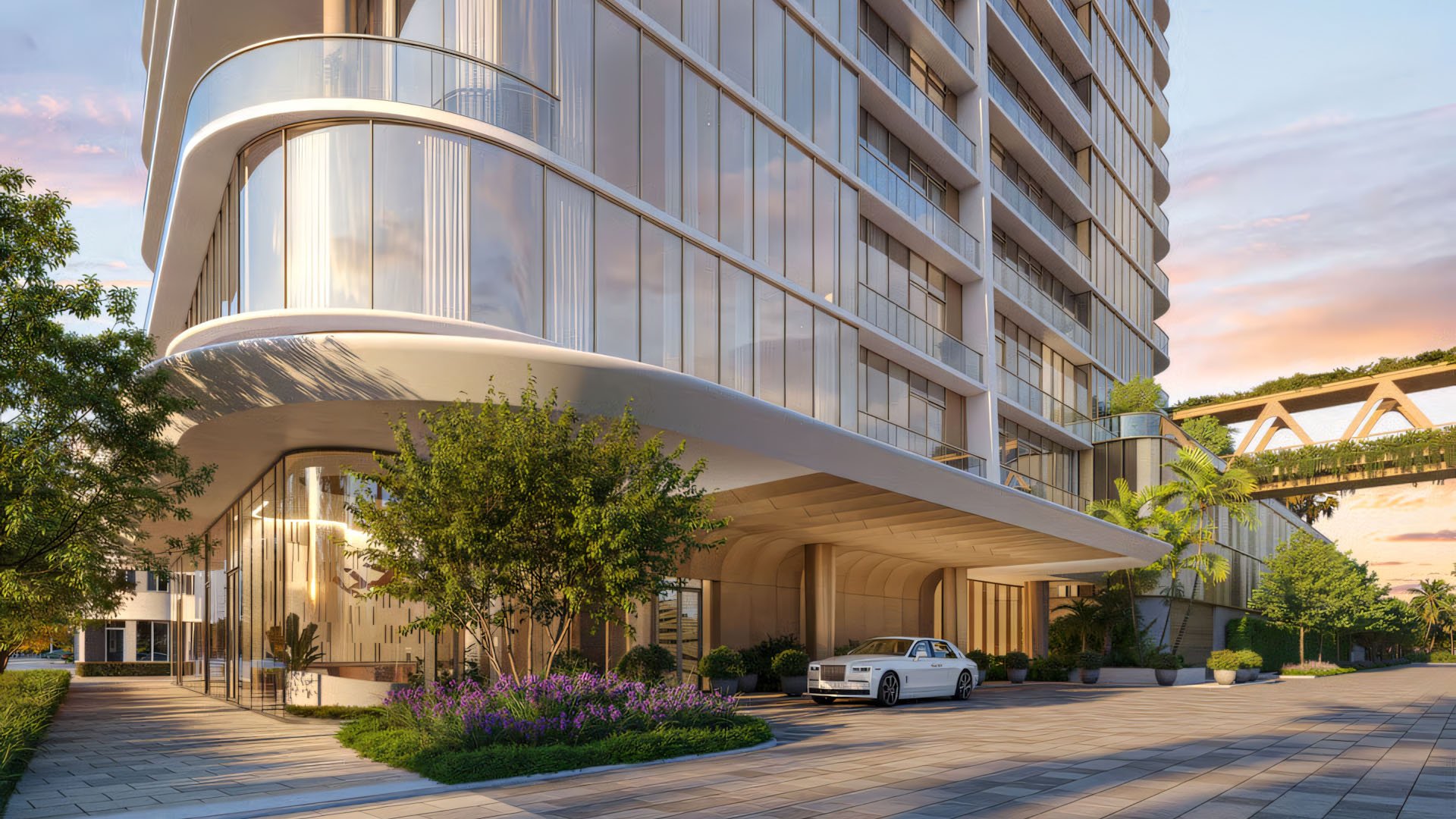
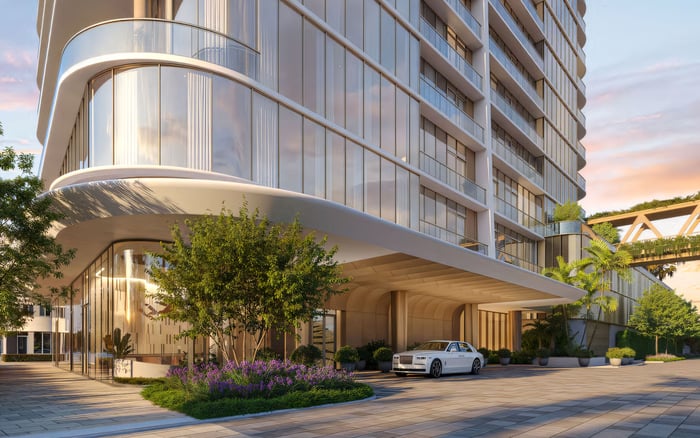
For prospective buyers studying Kempinski Residences Miami Design District, the central question is not simply whether a residence feels luxurious. It is whether the experience of coming home can remain calm, controlled, and private in a city where visibility is often treated as a form of currency.
Security, discretion, and controlled access are sometimes reduced to amenity language. For a South Florida buyer at the top of the market, they are operational priorities. The experience begins before an owner reaches the residence. It includes how vehicles arrive, how guests are received, whether service providers are visible, how packages are handled, how elevators are managed, and how staff interactions are choreographed.
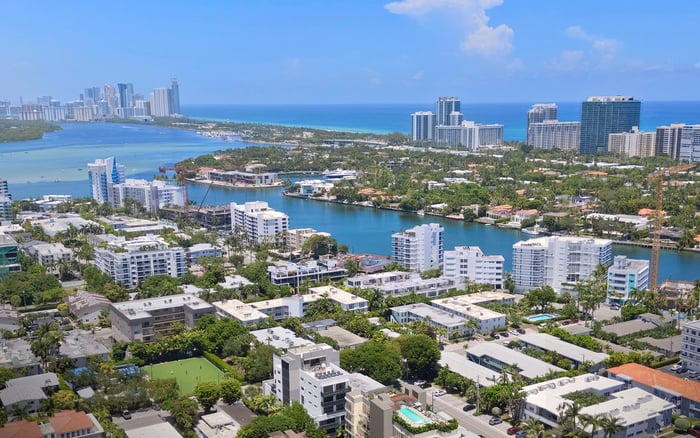
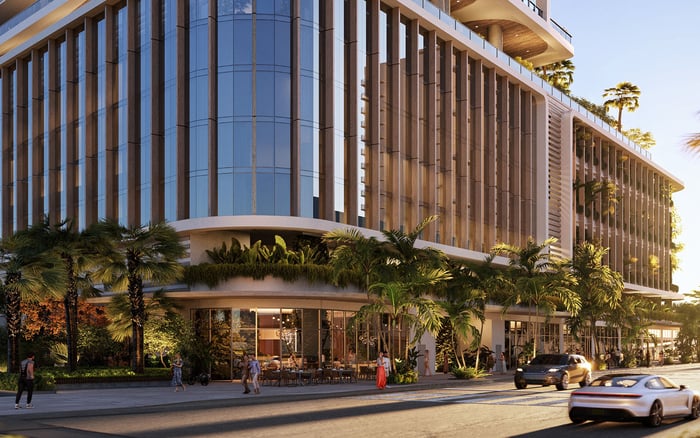
In the Miami Design District, where culture, fashion, dining, and collecting intersect, privacy carries an especially nuanced meaning. Owners may want proximity to energy without importing that energy into the private realm. The best residences do not merely separate public and private space. They make the transition between the two feel effortless.
Controlled access is more than a gate, desk, or key credential. At the highest level, it is a system of layered thresholds. A buyer should think in sequences: street to arrival, arrival to lobby, lobby to elevator, elevator to residence, and residence to amenity spaces. Every transition should have a purpose.
A well-considered access plan reduces unnecessary encounters. It gives owners confidence that visitors are expected, staff are coordinated, and service movement is not improvised. It also creates clarity for guests, household employees, drivers, and vendors. The result is not restriction. The result is calm.
Buyers should ask how visitor access is approved, how guest arrivals are announced, how deliveries are routed, and whether amenity areas can be reached without crossing private residential zones. They should also ask how after-hours movement is handled, how temporary access is granted, and how building personnel communicate with residents.
These questions are not adversarial. They are the normal language of ownership for people whose lives require discretion.
Discretion is often assumed to be a staffing issue, but architecture matters. A private entry can lose value if sightlines expose residents to public-facing spaces. A beautiful lobby can feel less refined if it becomes a waiting room for guests, deliveries, and valet activity. A spa-like amenity floor can feel less exclusive if circulation is not clearly defined.
This is why buyers should evaluate plans and arrival concepts with the same seriousness they bring to views, finishes, and brand identity. Does the building create natural separation between owners and the public realm? Are service paths legible? Are elevators, corridors, and shared spaces scaled to avoid congestion? Does the experience feel residential rather than theatrical?
The most sophisticated residences in South Florida understand that privacy should not feel defensive. It should feel composed. In that sense, discretion is closer to hospitality than security theater. It is the art of making complexity disappear.
The branded-residence buyer is often seeking more than a name. The brand can suggest a service culture, a point of view, and a standard of expectation. Still, brand prestige should never replace due diligence. At any New Project, the important task is to understand how the residential experience will be managed in daily life.
A buyer comparing Design District living with Brickell may naturally look at projects such as 888 Brickell by Dolce & Gabbana, where the conversation often centers on urban glamour and vertical presence. Others may compare the privacy language of The Residences at Mandarin Oriental, Miami, where brand expectations are tied to service, serenity, and a more resort-minded interpretation of city living.
For Kempinski Residences Miami Design District, the appeal rests in the buyer’s ability to align neighborhood energy with personal control. The Design District is not a sleepy enclave. It is a cultivated urban setting. That makes the integrity of arrival, access, and private circulation especially important.
Privacy reads differently across South Florida. In Brickell, the challenge is density. In Downtown, it is the balance between skyline drama and the movement of a growing urban core. In Miami Beach settings, the issue is often the relationship between resort atmosphere and true residential quiet.
A buyer considering beachfront or near-beach privacy might compare the tone of Shore Club Private Collections Miami Beach with the more residential quiet associated with The Delmore Surfside. These comparisons are useful not because one model is universally superior, but because they reveal how privacy depends on context.
In a Boutique environment, discretion may come from fewer shared encounters. In a larger branded tower, it may come from staffing depth, elevator programming, and disciplined service management. In an Exclusive-area setting, privacy may be supported by geography. In a New-construction project, buyers have the advantage of studying access expectations before habits are established.
The right question is not, “Which building is most private?” The better question is, “Which building’s privacy model matches the way I actually live?”
Before committing to a residence, buyers should request a clear explanation of the arrival experience. How will residents enter during peak dining hours, weekend traffic, or major neighborhood events? Where do guests wait? How are drivers managed? Can household staff enter without unnecessary exposure to amenity or lobby spaces?
The same scrutiny should apply to vertical circulation. Elevator privacy is one of the most important details in a luxury building, yet it is often discussed too late. Buyers should understand whether access is credentialed, whether elevators serve limited zones, and how guest movement is controlled after check-in.
Operational governance also matters. A building can be beautifully designed yet weakened by inconsistent rules. Buyers should ask how policies will be communicated, who enforces them, and how resident preferences are handled. The answer should feel precise, not improvised.
Finally, buyers should consider the emotional dimension of access. A secure residence should not make owners feel watched. It should allow them to move naturally, host comfortably, and return home without friction.
Privacy has become a form of luxury infrastructure. For ultra-prime buyers, square footage and views remain important, but the unseen systems increasingly shape long-term satisfaction. A residence that protects time, movement, and personal rhythm can feel more valuable than one that simply photographs well.
This is particularly true in Miami, where demand for branded, design-forward, and service-rich living continues to bring global buyers into compact urban neighborhoods. In that environment, controlled access is not a minor detail. It is part of the property’s identity.
For Kempinski Residences Miami Design District, the buyer’s lens should be disciplined: study the brand, study the neighborhood, then study the daily choreography of entry, staff, guests, services, and private space. The most elegant answer will be the one that feels invisible once you live with it.
What should buyers ask first about controlled access? Start with the arrival sequence, including vehicle entry, guest check-in, elevator access, and service movement.
Is discretion the same as security? No. Security protects access, while discretion protects privacy, rhythm, and the owner’s sense of ease.
Why does the Design District make privacy especially important? The neighborhood’s energy can be a major advantage, but buyers should understand how private residential life is separated from public activity.
Should brand prestige replace access due diligence? No. A strong brand may set expectations, but buyers should still review the practical details of daily operations.
What is the most overlooked privacy detail? Elevator programming is often overlooked, yet it can define how private the residence feels day to day.
How should buyers evaluate guest access? Ask how guests are announced, where they wait, and whether their movement is limited to approved areas.
Do service routes matter in a luxury residence? Yes. Clear service routing helps keep deliveries, vendors, and maintenance activity from disrupting residential calm.
Is a smaller building always more discreet? Not always. Smaller scale can help, but staffing, circulation, and operating rules are equally important.
How does Brickell privacy differ from Design District privacy? Brickell often requires managing density, while the Design District requires balancing cultural energy with private control.
What is the best way to shortlist comparable options for touring? Start with location fit, delivery status, and daily lifestyle priorities, then compare stacks and elevations to validate views and privacy.
For a tailored shortlist and next-step guidance, connect with MILLION.
If branded residences are on your mind — as a home or as an allocation — we would be glad to share what we are seeing, privately.
Begin a quiet conversation