A buyer-focused framework for separating enforceable residential rights from hospitality privileges, understanding operating costs, and testing brand continuity before purchasing a branded residence.
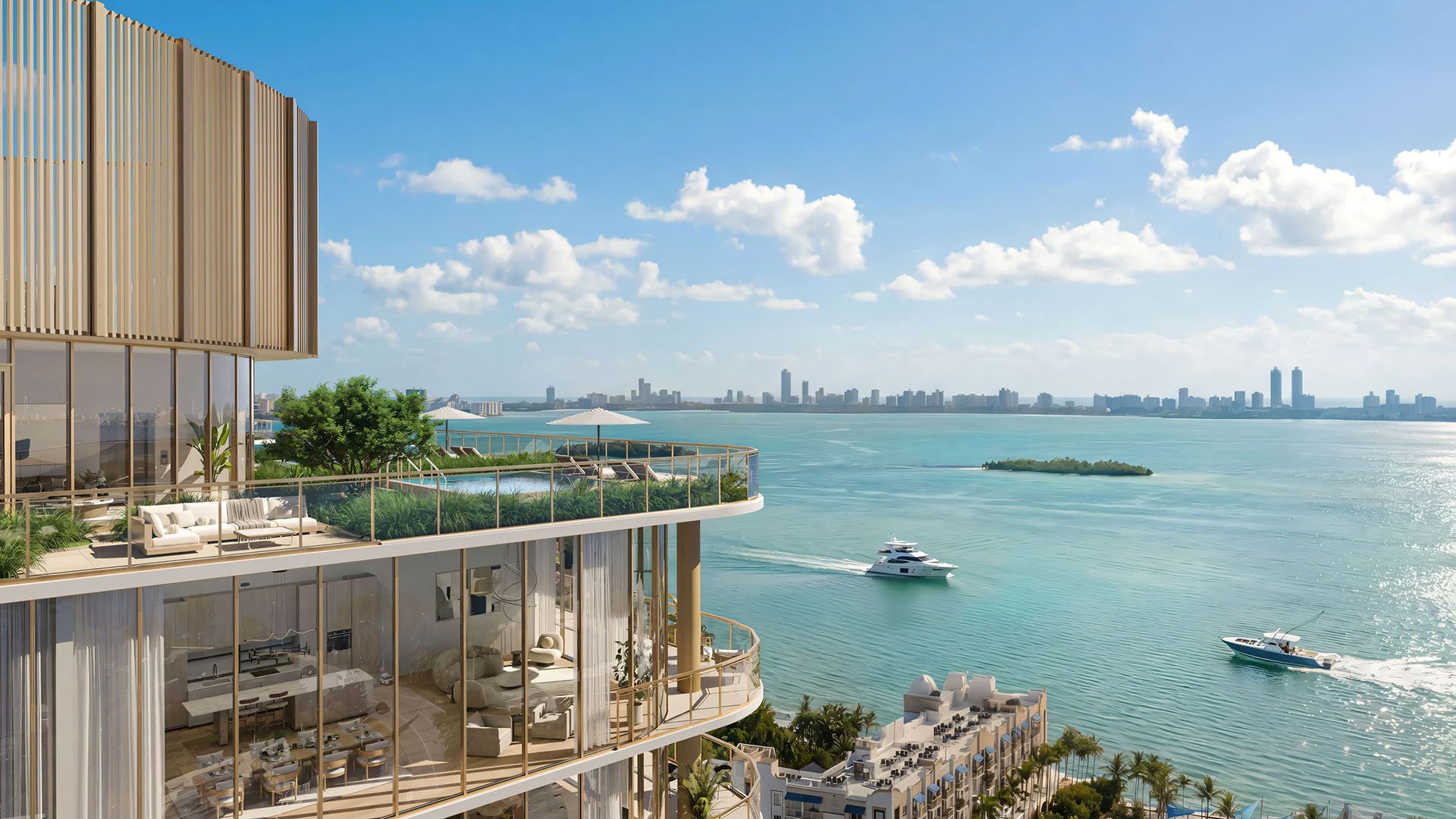
The appeal of a branded residence is intuitive: polished service, carefully managed amenities, and a hospitality identity designed to make ownership feel effortless. Yet the most consequential details are rarely visible in renderings or apparent during a sales presentation. They reside in the condominium declaration, proposed operating budget, service schedules, and agreements governing the brand and residential manager.
That distinction is central when evaluating Rosewood Residences Hillsboro Beach, a Rosewood-branded residential development in Hillsboro Beach, and Kempinski Residences Miami Design District. Buyers should not assume that two hospitality names create equivalent ownership structures. The disciplined approach is to ask the same questions of each set of documents.
For South Florida buyers-especially those comparing branded residences as a second home or investment-service rights should be treated as a material part of the real estate. A gracious promise has value; an enforceable right has durability.
Request a line-by-line schedule identifying what common charges include and what is billed separately. Concierge staffing, housekeeping, in-residence maintenance, dining, spa access, transportation, and event programming can fall into markedly different legal and financial categories.
The essential question is whether each service is a guaranteed residential right, an amenity subject to operating rules, or simply an offering owners may purchase when available. Buyers should also identify service limits. Concierge access, for example, may be included, while errands, reservations involving third-party costs, or in-residence staffing remain chargeable.
Ask who sets à-la-carte prices, whether owners receive preferential terms, and whether availability can be reduced. The same framework applies when comparing other hospitality-led properties, including Four Seasons Residences Coconut Grove. Brand recognition should begin the inquiry, not conclude it.
The proposed budget reveals how the intended lifestyle is expected to function. Buyers should isolate the amounts allocated to staffing, amenity operations, maintenance, reserves, insurance, and any requirements associated with maintaining brand standards. A heavily serviced property may carry a cost structure unlike that of a conventional condominium, even when both offer similarly finished residences.
Do not stop at the quoted common charge. Build an annual ownership model that combines mandatory assessments with realistic personal use of optional services. A waterfront owner who expects regular housekeeping, dining, spa treatments, or residence preparation before each arrival should budget for that pattern-not a theoretical minimum.
This is particularly important across Broward, where oceanfront and hospitality-oriented offerings may appeal to buyers seeking convenience across several residences. The decision should turn on total cost relative to actual use, rather than a single monthly figure.
Ask how common charges may increase and who approves those increases. The documents may specify caps, formulas, board approval, owner votes, or other procedures. Buyers should determine whether optional-service pricing follows the same controls or remains at the operator's discretion.
Stress-test the budget rather than accepting its opening-year assumptions. Consider higher staffing costs, fuller amenity operations, reserve needs, and increased personal use of hospitality services. These scenarios do not require predicting a particular increase. The purpose is to distinguish among costs that are controlled, variable, or able to rise without direct owner approval.
This is the practical divide between affordability and predictability. An owner may readily afford a service-rich residence yet still prefer clear escalation mechanics and transparent authority over future spending.
Review the duration, renewal terms, termination rights, and default provisions in the branding, management, and residential-service agreements. Then ask what happens if the named operator no longer manages the property. The documents should clarify the implications for service standards, fee structures, property naming rights, and access to brand-related programs.
Buyers should also determine whether the condominium association can alter management or service arrangements after control passes from the developer. Relevant questions include the voting threshold, termination costs, transition obligations, and whether a replacement operator must meet prescribed standards.
These issues also warrant attention at The Ritz-Carlton Residences® Pompano Beach or any other branded project. The strongest protection is not an assumption that change will never occur, but a clear contractual roadmap defining what owners may do if it does.
Identify which amenities are legally assigned to residents and which are controlled through separate arrangements. Ask whether access can be restricted, repriced, or shared with hotel guests, club members, visitors, or other outside users. Any language presenting amenities as exclusive should be reconciled with the recorded rights and operating documents.
Rental-minded buyers should request the complete policy. Review minimum stays, participation requirements, management commissions, operating deductions, owner-use limits, and the right to use an outside manager. Model the economics after every required charge, not from gross revenue alone.
Whether considering a Design District purchase or a quieter coastal address, the final diligence standard is the same: compare the sales narrative with the governing documents, quantify fixed and discretionary costs, and have qualified legal and financial advisers assess the obligations before contract deadlines.
What is the first fee document a branded-residence buyer should request? Request the proposed operating budget together with an itemized schedule separating included services from optional charges.
Is concierge service automatically included in common charges? Not necessarily. Confirm whether concierge access is included, limited, or available only through separately billed services.
Should housekeeping be treated as a guaranteed owner right? Only if the governing documents establish it as such. Otherwise, it may be optional, capacity-dependent, and separately priced.
How should buyers evaluate future fee increases? Review any caps, formulas, approval requirements, and the party authorized to change common charges or à-la-carte pricing.
Why does the management agreement matter? It establishes the operator's term, renewal structure, responsibilities, and potential termination rights.
What happens if the hospitality brand leaves? The documents should address naming rights, service standards, fees, transition duties, and the process for selecting a replacement.
Can owners replace the residential manager? Possibly, but buyers must verify association powers, voting thresholds, termination costs, and restrictions after turnover.
Are branded amenities always exclusive to residents? No. Confirm whether amenities may be shared, restricted, repriced, or made available to outside users.
What should rental-oriented buyers review? Examine minimum stays, required programs, commissions, operating deductions, owner-use limits, and manager restrictions.
How should total annual ownership cost be modeled? Combine mandatory assessments with realistic spending on housekeeping, dining, spa, maintenance, and other optional services.
To compare the best-fit options with clarity, connect with MILLION.
If branded residences are on your mind — as a home or as an allocation — we would be glad to share what we are seeing, privately.
Begin a quiet conversation