A buyer-oriented look at how Coconut Grove tree preservation concerns shape development sensitivity, market perception, and due diligence differently from a Surfside comparison.
For South Florida’s upper-tier buyer, tree preservation is not a technical sidebar. It can influence privacy, arrival sequence, construction rhythm, site planning, and the emotional value of a residence long before finishes are selected. That is especially true in Coconut Grove, where mature canopy is part of the neighborhood’s identity and a defining component of its residential appeal.
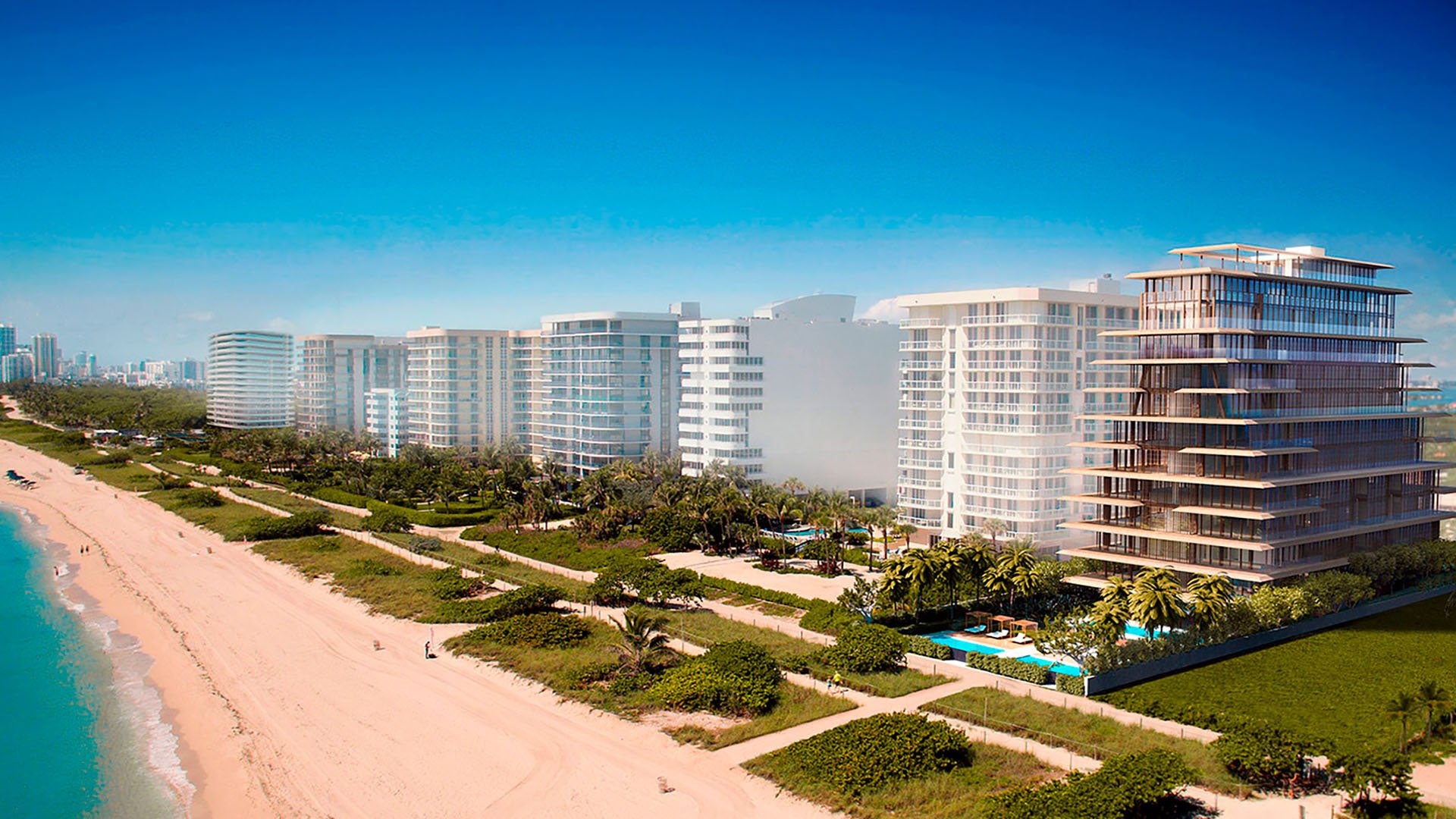
The comparison between Arte Surfside and The Grove at Grand Bay Development is useful precisely because the two names invite different questions. One sits in the Surfside conversation, where buyers often evaluate a property through the lens of coastal municipal context and building execution. The other belongs to the Coconut Grove conversation, where tree preservation and neighborhood texture are inseparable from development judgment.
The distinction is straightforward: Coconut Grove tree preservation laws should be treated as a direct diligence issue for Grove-based development, not as a proxy for Arte Surfside. For Arte Surfside, the Grove framework is more valuable as contrast. It shows how local rules, neighborhood expectations, and natural character can materially change the way luxury real estate is planned, perceived, and valued.
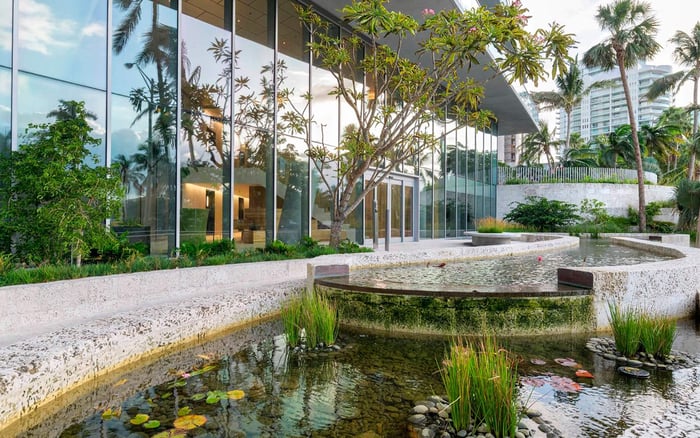
In Coconut Grove, trees are not merely landscape features. They frame the buyer’s first impression and help create the shaded, layered atmosphere that distinguishes the area from more vertical urban districts. For a development such as Grove at Grand Bay, tree preservation concerns can therefore operate in two directions at once.
First, they can act as a constraint. Mature trees may affect how a site is studied, how construction access is organized, and how future work is sequenced. Even when a buyer is focused on interiors, terraces, views, or services, the underlying site conditions can influence the practical path to renovation, exterior improvements, or long-term maintenance.
Second, they can act as a value enhancer. A protected canopy can make a property feel established rather than newly imposed. It can soften architecture, support privacy, and contribute to the sense that a residence belongs to a specific place rather than a generic luxury market. For buyers drawn to the Grove, that authenticity is often part of the premium.
This is where the phrase Coconut Grove becomes more than a location label. It signals a residential culture in which discretion, shade, density, and natural texture matter. Grove at Grand Bay is read through that lens, and buyers should understand that canopy is part of the asset’s character as much as its architecture.
Arte Surfside should not be evaluated as though Coconut Grove tree preservation law directly governs it. The more refined comparison is to ask how a Surfside setting changes the hierarchy of buyer concerns. Instead of leading with Grove-style canopy questions, diligence may place greater emphasis on specific local approvals, building condition, association governance, and the relationship between architecture and its immediate setting.
That does not make trees irrelevant. It simply means the development conversation is different. Arte Surfside belongs to the Surfside luxury vocabulary, where buyers may be comparing privacy, scale, services, design restraint, and long-term scarcity against other highly controlled residential environments. The natural environment remains important, but it is not necessarily the same canopy-driven framework that shapes the Coconut Grove discussion.
For investors and end users, this distinction matters. Applying the wrong regulatory lens can distort both risk and value. A buyer who treats Arte Surfside as though it carries the same tree preservation concerns as a Grove site may overemphasize the wrong variables. A buyer who ignores tree preservation when studying a Grove asset may miss a practical issue that can shape the ownership experience.
The shorthand may be imperfect, but it is useful: Coconut Grove signals canopy and village texture; Surfside signals municipal specificity; Arte Surfside and Grove at Grand Bay sit at opposite ends of that comparison; boutique and new construction describe the buyer expectations shaping both conversations.
Tree preservation rules, when relevant, can influence more than whether a tree remains in place. They can affect feasibility, timing, professional review, landscape strategy, and the tone of negotiations. In the luxury segment, these issues are rarely isolated. They intersect with privacy, architecture, insurance considerations, maintenance planning, and resale narrative.
For a Grove buyer, the first practical question is whether any contemplated work touches protected landscape conditions. That can include exterior alterations, access routes, utility work, hardscape changes, or improvements that appear minor until viewed through the full site plan. The second question is whether the existing canopy enhances the residence enough that preservation is not merely a requirement, but a strategic advantage.
For an Arte Surfside buyer, the parallel question is different. The focus is not Coconut Grove law, but whether the property’s own municipal and association framework supports the intended use and ownership style. The comparison with Grove at Grand Bay is therefore not a legal equivalency. It is a reminder that ultra-prime buyers should always study the local rules that shape the physical experience of the asset.
A sophisticated purchaser should request a clear review of tree-related constraints when considering Grove real estate. That review may involve counsel, land-use professionals, survey information, association documents, and, where appropriate, arborist input. The objective is not to create anxiety. It is to define what can be done, what should be preserved, and what may require additional time.
In the Grove, mature canopy can be one of the reasons to buy. The diligence process should help a buyer separate protective value from practical limitation. A beautiful tree may enhance privacy and market positioning while also affecting future work. Both can be true.
In Surfside, the same discipline applies, but the questions should be tailored to the local context rather than imported from Coconut Grove. For Arte Surfside, buyers should focus on the actual governing documents, municipal review, building-specific rules, and the property’s own long-term maintenance profile.
The best luxury acquisitions are rarely made by ignoring constraints. They are made by understanding which constraints create scarcity, which require negotiation, and which can be converted into a more defensible ownership position.
Do Coconut Grove tree preservation laws apply to Arte Surfside? They should not be treated as a direct overlay for a Surfside property. The comparison is best used to understand how local rules can differ by municipality and neighborhood.
Why do tree rules matter for Grove at Grand Bay buyers? In Coconut Grove, mature canopy can influence site planning, future improvements, privacy, and the overall character that supports luxury value.
Can tree preservation increase property value? It can, when preserved canopy enhances privacy, shade, and neighborhood authenticity. It may also introduce practical limits that buyers should understand before closing.
Is Arte Surfside less affected by tree preservation concerns? It is affected by its own local and building-specific framework rather than Coconut Grove’s canopy context. Buyers should review the applicable rules for the actual property.
What should a buyer review before purchasing in Coconut Grove? Buyers should review site conditions, association documents, planned improvements, and any professional guidance related to protected trees or landscape constraints.
Are tree preservation issues only relevant to developers? No. They can matter to end users planning renovations, exterior work, landscaping changes, or long-term ownership improvements.
Does a protected tree automatically prevent future work? Not necessarily. It may require a more careful plan, professional review, or revised design strategy depending on the applicable rules and site conditions.
How should investors compare Arte Surfside with Grove at Grand Bay? Investors should compare them through local context, not a single legal framework. The Grove emphasizes canopy and neighborhood texture, while Surfside requires its own diligence path.
What is the biggest mistake buyers make with tree preservation? The biggest mistake is treating landscape as cosmetic rather than regulatory, operational, and value-relevant.
Who should guide this type of purchase? A buyer should work with experienced real estate, legal, and land-use advisors who understand ultra-prime South Florida ownership.
To compare the best-fit options with clarity, connect with MILLION.
If branded residences are on your mind — as a home or as an allocation — we would be glad to share what we are seeing, privately.
Begin a quiet conversation