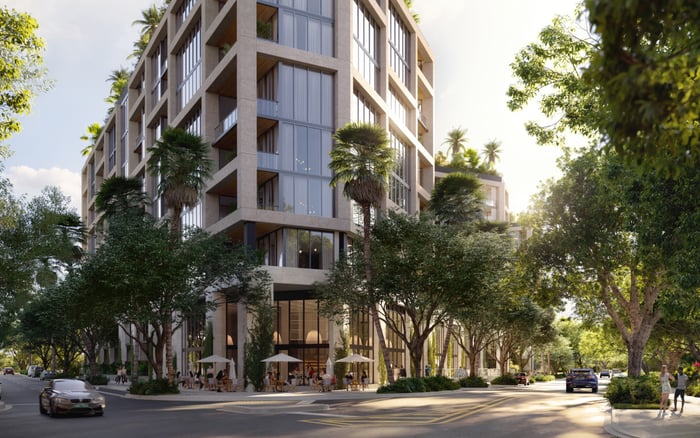
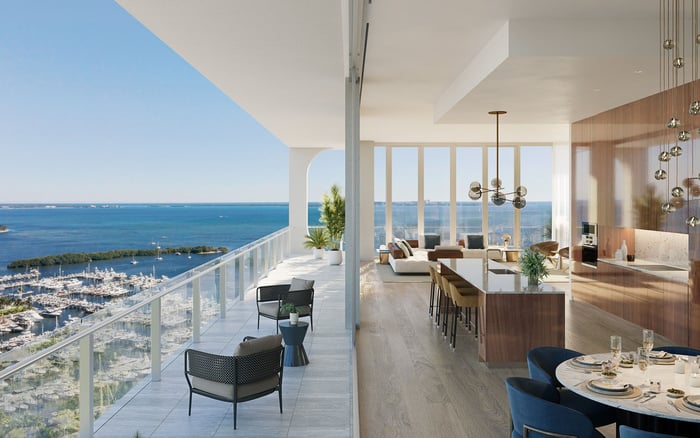
A discreet framework for placing a wellness-oriented Coconut Grove residence into a carefully managed summer operating mode.

For an owner at The Well Coconut Grove, summer lock-up planning is best understood as a shift in operating mode. The residence may be unoccupied, but its climate systems, security, finishes, terrace, and access protocols still demand active oversight. In a wellness-oriented property, readiness also encompasses air quality, cleanliness, low-odor conditions, and the state of amenity spaces during quieter periods.
This distinction matters for a second-home owner. Locking the door and reducing activity is not the same as preserving the home. A considered plan integrates storm preparation, preventive maintenance, security, indoor environmental quality, and communication, with every responsibility assigned before departure.
The framework is especially relevant across Coconut Grove, where buyers may also consider Four Seasons Residences Coconut Grove or Park Grove Coconut Grove. Regardless of address, the practical question remains: how will the residence be monitored, protected, and restored to full readiness?
The first review should focus on the boundary between the residence and summer weather. Glazing, exterior doors, façade components, terraces, and drainage points warrant methodical inspection, particularly where wind-driven rain could expose a minor weakness. The objective is not merely to identify visible damage, but to confirm that vulnerable interfaces are clear, secure, and prepared before conditions change.
Terrace planning should be explicit. Furniture, personal equipment, planters, and other loose outdoor items should be secured or brought indoors before severe weather. Owners should determine in advance which items staff or an authorized representative may move, where those items should be stored, and how completion will be documented. A photographic record can provide clear confirmation without requiring the owner to direct every step remotely.
An unoccupied luxury residence should retain calibrated climate control rather than have its HVAC systems fully deactivated. Humidity management is central to protecting wood, textiles, specialty finishes, millwork, and other sensitive materials. The appropriate operating approach should reflect the residence, its contents, and owner-approved instructions-not a generic setting applied without context.
Indoor environmental quality is equally important to the lifestyle proposition of a wellness-oriented home. Air quality, cleanliness, and low-odor conditions should remain part of the operating brief even when occupancy is reduced. This requires coordination between climate management and housekeeping, preventing one team from adjusting the residence without understanding the other’s schedule.
Buyers comparing a Grove residence with Vita at Grove Isle may wish to make summer stewardship part of their broader ownership due diligence. The question is not simply which systems exist, but how residence-specific instructions will be recorded and executed.
A summer plan should identify the equipment and conditions requiring recurring review. Preventive inspections should encompass HVAC equipment, plumbing, leak sensors, drainage systems, backup power, and ground-level mechanical areas. Qualified property personnel should establish the frequency and scope, adapting both when a storm watch or system alert changes the risk profile.
The record is as important as the visit. Each inspection should confirm what was checked, whether an alarm or irregularity appeared, what corrective action followed, and who was notified. For a waterfront residence, drainage, envelope conditions, and lower-level mechanical areas warrant particular attention within the broader inspection program, without displacing routine interior checks.
Security should be coordinated with maintenance rather than treated as a separate matter. Access by household staff, vendors, or representatives should be authorized, time-bound, and documented. If a technician requires entry, management should know who approved it, which areas may be accessed, and whether the residence was returned to its prescribed condition.
Luxury homes rarely have interchangeable requirements. The owner-approved plan may need to address climate settings, wine storage, art, collectibles, terrace contents, and access by authorized representatives. It should also identify items that cannot be moved, systems requiring specialist attention, and the person empowered to make decisions when the owner cannot be reached.
This is where broad building procedures and private-residence instructions must converge. A development can establish an emergency command structure, but staff still need a concise brief for each home. Prospective owners reviewing Mr. C Tigertail Coconut Grove alongside The Well Coconut Grove can use this distinction to sharpen questions about personal responsibility, management coordination, and authorized access.
Staff coordination should follow a defined emergency command structure, with departmental responsibilities and escalation procedures understood before an event. Engineering, security, housekeeping, and resident-facing personnel should neither issue conflicting instructions nor assume another department has completed a critical task.
For absentee owners, communication should be concise and evidentiary. Useful updates confirm inspections, storm measures, alarm status, and the condition of mechanical systems. They should distinguish routine readiness from an exception requiring approval. A pre-agreed communication channel and authorized decision-maker can reduce delays as conditions change.
The strongest lock-up plan concludes with reopening. Before arrival, staff or an approved representative can confirm climate stability, cleanliness, system status, terrace condition, and any work performed during the owner’s absence. The result is not merely protection while away, but a composed return to the residence.
Is summer lock-up the same as turning everything off? No. It is a seasonal operating mode that keeps essential oversight, climate control, security, and maintenance active.
Should HVAC be deactivated in an empty residence? No. Calibrated climate control should remain active to help manage humidity and protect sensitive finishes.
Which exterior areas should be inspected? Reviews should cover glazing, doors, terraces, drainage points, façade components, and other areas exposed to wind-driven rain.
What should happen to loose terrace items? Furniture, personal equipment, and other loose items should be secured or moved indoors before severe weather.
Which mechanical systems belong in the plan? HVAC, plumbing, leak sensors, drainage, backup power, and ground-level mechanical areas should be included.
Can one standard plan cover every residence? Not always. Owner-approved instructions may be needed for climate, wine, art, collectibles, terraces, and authorized access.
How should staff responsibilities be organized? A defined command structure should assign departmental duties and establish clear escalation procedures.
What should an absentee owner receive? Updates should document inspections, storm measures, alarms, access, and mechanical-system status.
Does wellness remain relevant during vacancy? Yes. Air quality, cleanliness, low-odor conditions, and amenity readiness remain part of responsible stewardship.
What should be checked before the owner returns? Confirm climate stability, cleanliness, systems, terrace condition, and any work completed during the absence.
If you'd like a private walkthrough and a curated shortlist, connect with MILLION.
If branded residences are on your mind — as a home or as an allocation — we would be glad to share what we are seeing, privately.
Begin a quiet conversation