A discreet diligence framework for evaluating waterfront ownership, marine-use rights, building governance, insurance, reserves, and storm readiness before an Aventura purchase.
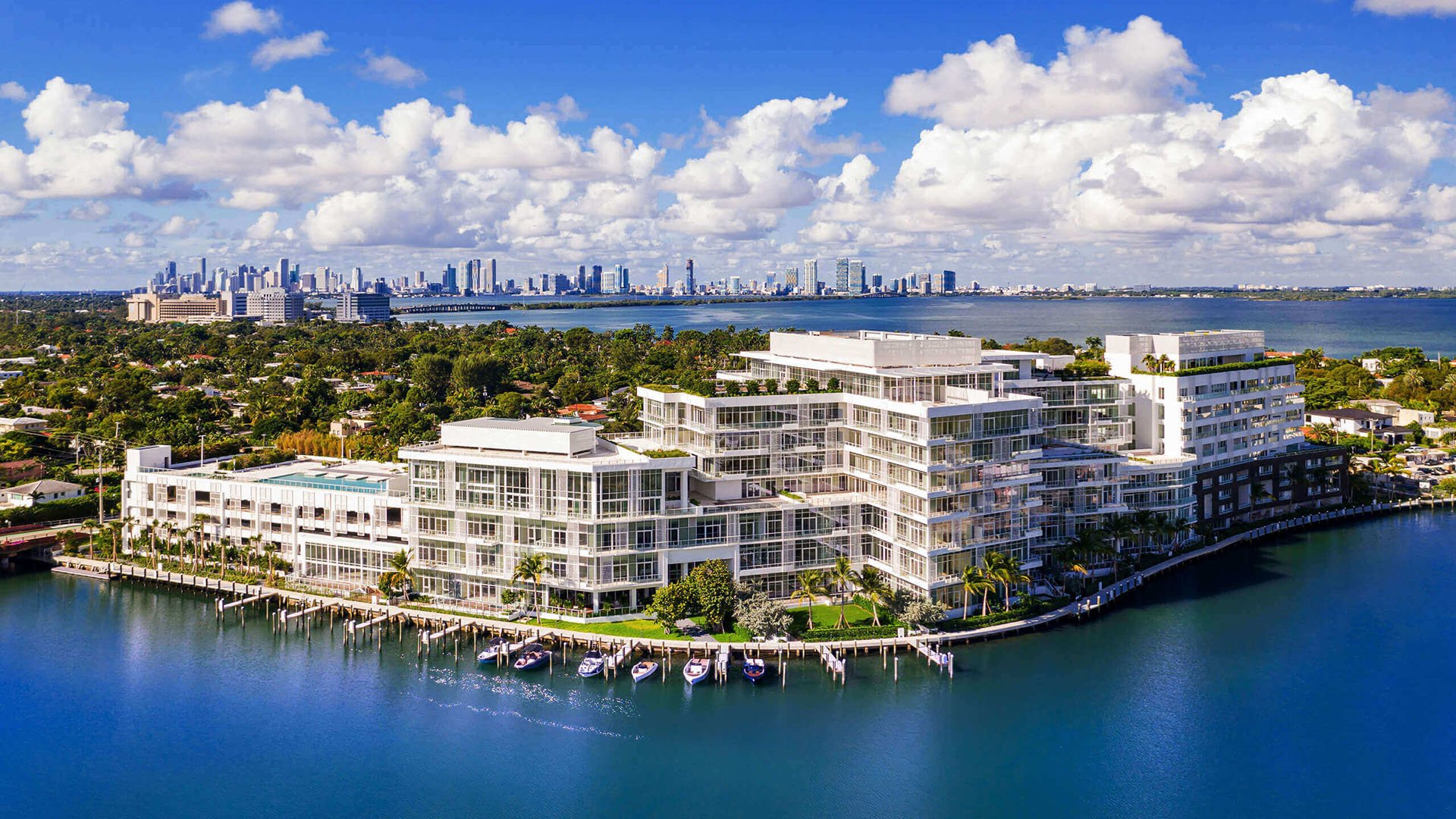
In Aventura, a polished residence and compelling outlook may be only the visible layer of a purchase. The more consequential questions often reside in declarations, rules, budgets, insurance materials, marina agreements, maintenance records, and emergency procedures. Careful ownership begins by separating what is presented during a tour from what is legally conveyed, operationally supported, and financially sustainable.
For purchasers who prefer disciplined clarity to assumptions, it is not enough to ask whether a home is waterfront. A buyer should establish which rights belong to the unit, which are shared, which can be changed, and which depend on a separate agreement. Those distinctions shape enjoyment, control, and future decision-making.
A residence such as Avenia Aventura may enter a buyer’s consideration because of location and design preferences, but the same principle applies to every candidate: evaluate the residence, the association, and any waterfront component as connected yet distinct layers.
Begin with a written inventory of the interests expected to convey at closing. It should distinguish among the residence, parking, storage, terraces, limited common elements, shared amenities, guest privileges, and any marine-use arrangement. Marketing language should prompt questions, not replace documentary confirmation.
For each item, ask who owns it, who controls access, who maintains it, who insures it, and whether the right transfers automatically upon sale. If a feature is assigned rather than deeded, clarify how that assignment may be changed. If use depends on association approval, understand the process before treating that privilege as part of the purchase value.
Apply the same scrutiny to terms such as marina and boat slip. Ask counsel to determine whether the relevant interest is a deeded property right, license, lease, assignment, or simply an amenity subject to rules. Where applicable, confirm in writing vessel dimensions, access procedures, utilities, guest and contractor policies, subleasing, and transferability.
Condominium documents are often approached as legal formalities. For a careful buyer, they are also the operating manual for daily life and long-term stewardship. Read the declaration, bylaws, current rules, recent meeting materials, budget, reserve information, insurance summaries, and notices together. One document may grant a right while another governs how it may be exercised.
Focus on approval powers, maintenance boundaries, alteration procedures, repair access, leasing restrictions, pet rules, contractor protocols, and the association’s ability to levy additional charges. Determine whether waterfront structures or exterior elements fall under unit, association, or third-party responsibility. Resolve ambiguity before a contract deadline-not after closing.
Geographic comparisons can sharpen this review. A buyer considering One Park Tower by Turnberry North Miami alongside Aventura options should apply the same document checklist without assuming that neighboring properties allocate rights and obligations identically.
Coordinate the insurance review among legal counsel, an insurance adviser, and the buyer’s inspection team. The objective is to understand the boundary between association coverage and the owner’s policy, including exclusions, deductibles, valuation assumptions, interior improvements, personal property, temporary displacement, and any responsibilities associated with marine or exterior features.
A budget deserves the same contextual review. Rather than considering a monthly figure in isolation, examine what it is intended to fund-and what may remain outside it. Ask how major work is planned, approved, and paid for; whether current projects affect access or enjoyment; and whether proposed expenditures could alter the ownership plan. The goal is not to predict every cost, but to identify who bears each category of risk and how decisions are made.
Buyers comparing broader waterfront lifestyles, including Bentley Residences Sunny Isles, can apply this framework without presuming that coverage, reserves, or maintenance structures are comparable.
Storm preparation is strongest when converted from a general promise into a property-specific plan. Request the building’s current procedures and identify the owner’s responsibilities before, during, and after an event. Clarify communication channels, access restrictions, staffing expectations, elevator and garage procedures, protection of outdoor furnishings, and protocols for vendors or caretakers.
A second-home owner should go further. Decide who may enter the residence in the owner’s absence, where keys and authorizations will be held, who will secure terraces and interiors, and how post-event inspections will be documented. Maintain current contact details for management, insurance, legal counsel, and trusted local service providers. Store critical records securely, and ensure the plan can be used by someone other than the owner.
For marine use, ask separately about vessel removal, dock access, utility shutdowns, loose equipment, and responsibility for damage. Do not assume the building’s residential plan addresses every waterfront or boating issue.
Comparative shopping is most useful when every property is measured against the same questions. A buyer reviewing Onda Bay Harbor alongside Aventura residences might create a matrix covering title interests, governance, marine rights, insurance boundaries, reserves, storm procedures, owner-absence protocols, and transfer conditions.
The matrix should record documentary answers, not impressions. Label unresolved items, assign each to the appropriate adviser, and set a deadline for resolution. Where an answer materially affects intended use, closing should not be the moment when the buyer first seeks certainty.
Luxury diligence is most effective when roles are clearly defined. Counsel interprets legal rights and obligations. An insurance adviser evaluates proposed owner coverage against association materials. Inspectors and relevant specialists assess physical conditions within their scope. A tax adviser addresses the purchaser’s individual circumstances. The real-estate adviser coordinates questions, documents, access, and timing without substituting for those disciplines.
Before signing, give the team a concise ownership brief covering primary or occasional occupancy, intended boating use, renovation plans, staffing needs, leasing expectations, privacy priorities, and tolerance for operational complexity. Fine print becomes easier to evaluate when advisers understand what the buyer intends to do.
Does a waterfront view guarantee water-access rights? No. Ask counsel to confirm any access or use right in the controlling documents and closing materials.
How should a buyer verify a dock or slip arrangement? Identify in writing the legal form of the interest, transfer conditions, operating rules, costs, and approval requirements.
Who is responsible for seawalls or other waterfront structures? Responsibility depends on the property’s documents and agreements. Have counsel identify ownership, maintenance, insurance, and payment obligations.
What insurance materials deserve review? Review association materials alongside a proposed owner policy, focusing on coverage boundaries, deductibles, exclusions, improvements, and displacement needs.
Why examine reserves and budgets together? Together, they help a buyer understand planned funding, recurring operations, and how major expenditures may be handled.
What should an absentee owner’s storm plan contain? Include authorized access, local contacts, terrace and interior preparation, document storage, communications, and post-event inspection steps.
Should marina rules be reviewed separately from condominium rules? Yes. Marine use may involve distinct agreements, approvals, operating procedures, fees, and transfer provisions.
Can a buyer rely on a sales presentation for ownership rights? Treat presentations as a starting point. Material rights and obligations should be verified in documents reviewed by the buyer’s advisers.
When should unresolved questions be escalated? Escalate them before contractual review periods or other decision deadlines, especially when they affect intended use or financial exposure.
What is the best final question before closing? Ask whether every feature central to the purchase has been documented, assigned to a responsible party, and incorporated into the ownership plan.
If you'd like a private walkthrough and a curated shortlist, connect with MILLION.
If branded residences are on your mind — as a home or as an allocation — we would be glad to share what we are seeing, privately.
Begin a quiet conversation