A buyer-focused guide to FF&E reserves, refurbishment obligations, brand standards and closing diligence at 619 Brickell.
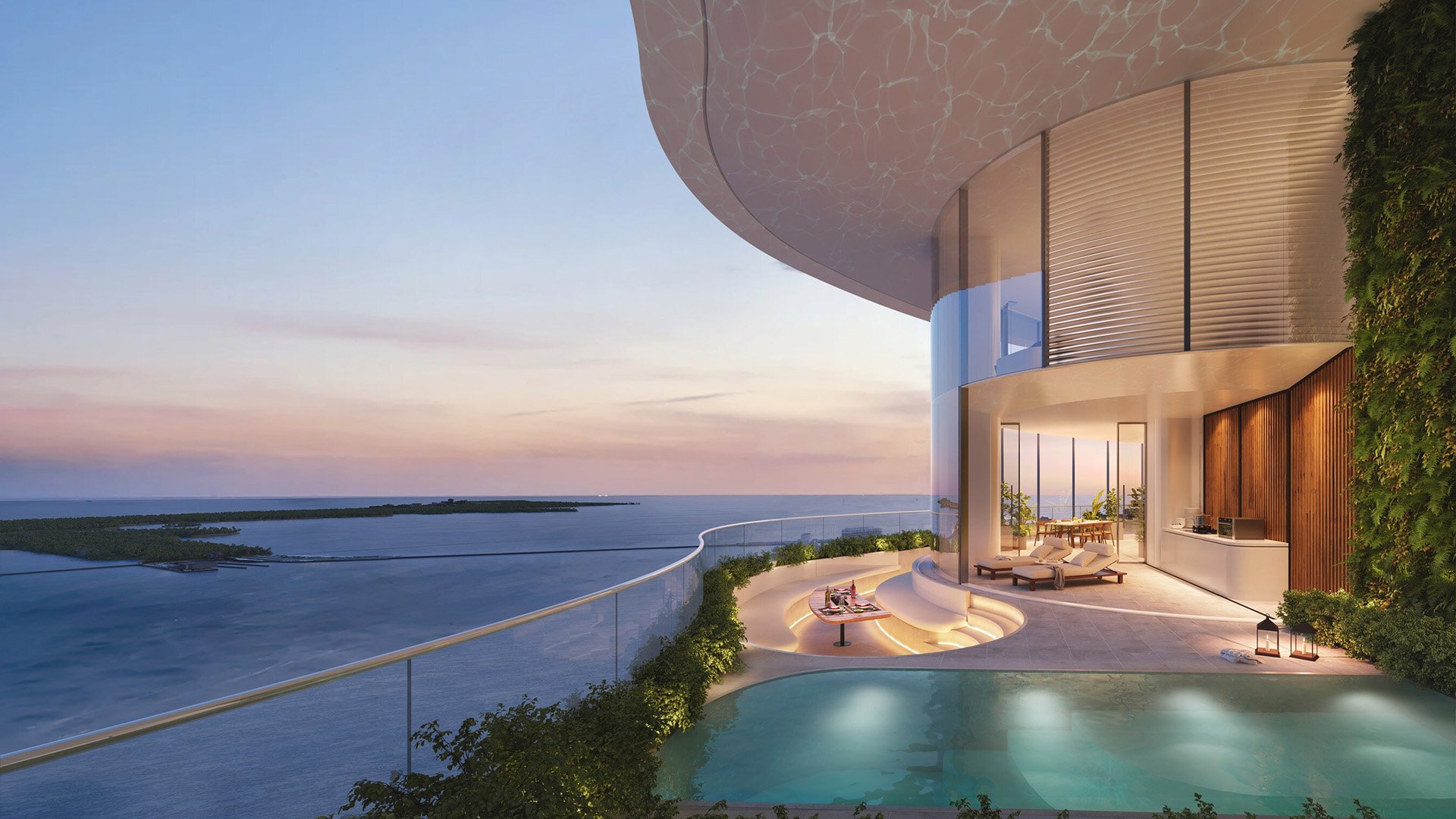
For buyers using MILLION's Buyer's Guides to assess Branded Residences in Brickell, the central question at 619 Residences by Foster + Partners + Nobu Hospitality extends beyond what the building may offer on opening day. It is how its hospitality character will be preserved, who will control that process and how owners may be required to fund it over time.
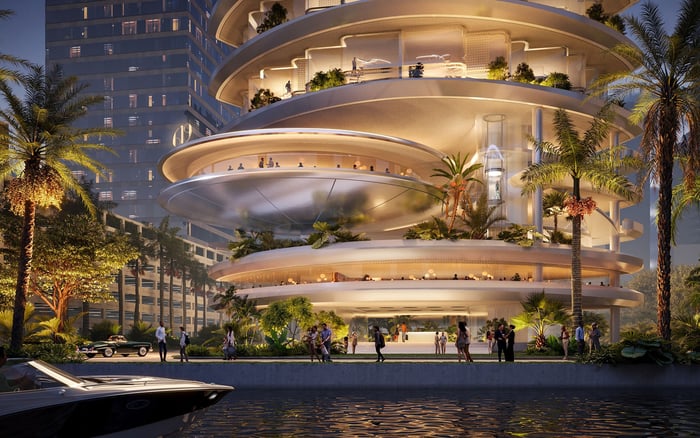
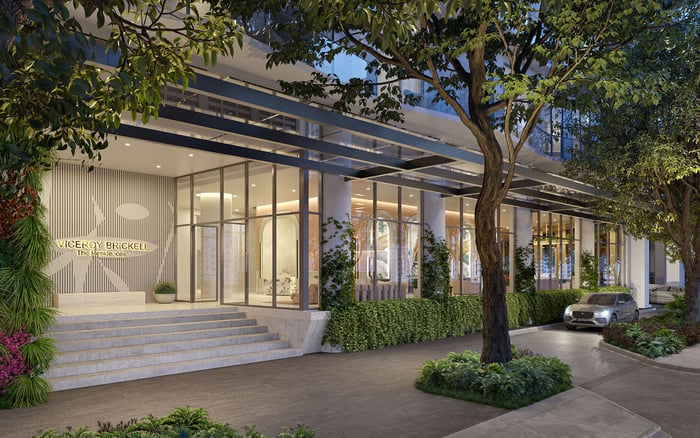
Planned for 619 Brickell Avenue beside Brickell Park and overlooking Biscayne Bay, the development is presented as Nobu Hospitality's first residential project in Miami. The development team comprises 13th Floor Investments and Key International, with Foster + Partners as design architect and Sieger Suarez Architects as architect of record. A Nobu restaurant, expected to be the brand's second in Miami, is planned at ground level.
The tower's Design & Architecture concept comprises five vertically stacked volumes set at changing orientations to maximize water views. Current plans call for a 75-story building with 296 residences, while earlier descriptions referenced 74 stories and approximately 300 residences. The difference is a useful reminder that Pre-Construction specifications can evolve-and that closing decisions should rest on current contractual documents rather than early descriptions.
In a hospitality-led residence, long-term polish depends as much on governance and funding as on opening-day design.
FF&E means furniture, fixtures and equipment. In practical terms, it generally encompasses non-structural movable furnishings and installed equipment used to furnish and operate a property. In a hospitality environment, that can include items with useful lives shorter than the building itself and conditions that directly shape the owner and guest experience.
An FF&E reserve is intended to fund recurring replacement and refurbishment, not ordinary daily operating expenses. The distinction matters. Routine staffing, cleaning and ongoing service costs belong to operating discussions; the eventual renewal of furnishings, finishes or equipment may fall within a separate reserve framework. The precise allocation at 619 Brickell will depend on the final budget, declaration, management agreement and related governing provisions.
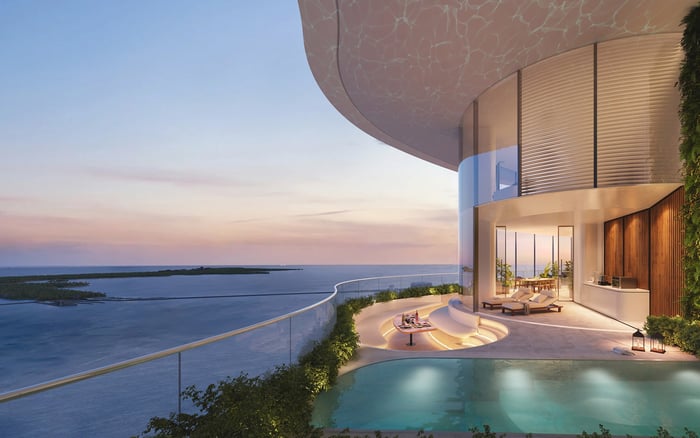
The planned amenity program spans approximately 90,000 square feet and includes spa, fitness and poolside hospitality facilities. That breadth potentially expands the inventory requiring periodic renewal. It does not, however, establish a specific reserve rate, contribution schedule or replacement calendar.
No project-specific FF&E reserve percentage, owner contribution schedule or binding refurbishment cycle has been disclosed. Buyers should therefore resist applying a generic hotel benchmark. A figure borrowed from another property could mislead because ownership structures, amenity inventories, management arrangements and brand obligations vary.
A refurbishment cycle is more than a design calendar. It can determine when common spaces are refreshed, which standards apply, who approves the scope and whether accumulated reserves are sufficient. If the documents permit a manager or another party to require work to maintain brand standards, owners should understand the decision process and any financial limits before contracting.
The funding route is equally important. Depending on the final condominium budget and governing agreements, refurbishment might be addressed through routine assessments, dedicated reserves or special assessments. The relevant question is not whether renewal will ever be needed. In a service-rich property, it is how that renewal is anticipated, authorized and paid for.
A sophisticated review begins by identifying which spaces and assets belong to the condominium association. Buyers should determine whether furnishings and equipment in lounges, spa areas, fitness spaces, poolside settings and other hospitality zones fall within association responsibility or another ownership and operating structure.
That asset map should then be paired with the proposed budget and reserve assumptions. Ask which line items are intended for FF&E, whether contributions begin before or after turnover, how reserve funds may be used and what happens if actual replacement costs exceed the amount accumulated. The answers should come from operative documents, not visual presentations.
A consequential legal distinction also applies: the condominium is not owned, developed or sold by Nobu Hospitality or its affiliates. Brand participation, service programming and legal development responsibility are not interchangeable. Counsel should identify the contracting parties, the duration and termination provisions of applicable agreements, and the party responsible for enforcing or changing standards.
Brickell buyers often compare several New-construction offerings, but those comparisons should examine documents as closely as architecture. St. Regis® Residences Brickell and Cipriani Residences Brickell may belong to the same broad conversation about branded living, yet no project's reserve structure should be presumed to match another's.
The same discipline applies to a design-led alternative such as The Residences at 1428 Brickell. Buyers can compare location, planning and lifestyle appeal, but association responsibilities and contractual obligations must be reviewed property by property. Branded Residences do not follow a single legal or financial model.
This is particularly relevant for a project currently presented as pre-construction, with delivery estimated around 2029. A long horizon makes it essential to confirm which materials are illustrative, which provisions are binding and when purchasers will receive updated budgets or amendments.
Before signing or closing, request the proposed association budget, reserve assumptions, condominium declaration, management agreement, brand standards and provisions governing common-area refurbishment. The review should answer several practical questions:
Counsel and financial advisers should also reconcile the final story and residence counts, confirm the legal identity of the seller and association, and review the most current exhibits. The 74-versus-75-story and approximately-300-versus-296-residence descriptions are not, in themselves, evidence of a problem. They show that marketing narratives can precede final documentation.
The attraction of 619 Brickell lies in its combination of a prominent bay-facing site, Foster + Partners architecture, Nobu-oriented hospitality and an extensive private amenity program. Those qualities also make long-term stewardship material to both value and experience.
For an owner, the strongest outcome is not simply a low initial assessment. It is a transparent framework that defines assets, establishes realistic renewal funding, allocates authority and limits surprises. Until project-specific reserve contributions and refurbishment cycles appear in binding documents, buyers should treat them as open diligence items rather than settled costs.
For discreet guidance on South Florida luxury ownership and closing strategy, connect with MILLION.
If branded residences are on your mind — as a home or as an allocation — we would be glad to share what we are seeing, privately.
Begin a quiet conversationFF&E means furniture, fixtures and equipment, generally covering non-structural furnishings and installed equipment used to furnish and operate the property.
It is intended to fund recurring replacement and refurbishment rather than ordinary daily operating expenses.
No project-specific FF&E reserve percentage has been publicly disclosed in the reviewed project information.
No binding project-specific refurbishment cycle is publicly disclosed. The controlling schedule should be verified in final budgets and governing agreements.
Potentially, depending on the final budget, reserve provisions and governing agreements. Buyers should review the association's authority and funding mechanisms.
Approximately 90,000 square feet of private amenities are planned, including spa, fitness and poolside hospitality facilities.
The current plan calls for 296 residences, while earlier descriptions referenced approximately 300. Buyers should confirm the final count in current offering documents.
The condominium is described as not being owned, developed or sold by Nobu Hospitality or its affiliates.
Request the proposed association budget, reserve assumptions, declaration, management agreement, brand standards and common-area refurbishment provisions.
Buyers should identify who controls replacement standards, which assets belong to the association and whether residential owners must fund required upgrades.