A discreet buyer’s framework for choosing a Las Olas residence that can accommodate art-week dinners, professional vendors, secure guest arrivals, and peak-event logistics.
Selling in Dubai and buying in Las Olas can involve more than exchanging one luxury residence for another. The central question is whether a shortlisted Fort Lauderdale property suits the buyer’s preferred style of hosting, from intimate dinners and catered receptions to visiting family and private gatherings during a busy cultural week.
Residence size is only the starting point. Before committing to a property, request the current declaration, bylaws, amenity rules, reservation terms, and management procedures. Review them against a specific event scenario rather than relying on impressions formed during a showing.
A practical operating brief should cover guest registration, occupancy, event hours, food preparation, outside vendors, loading, service access, parking, cleanup, and circulation through shared areas. Buyers who expect household staff or an event planner to handle arrangements should involve those professionals in the review.
The right entertaining residence is not merely spacious; it must work with the owner’s preferred way of hosting.
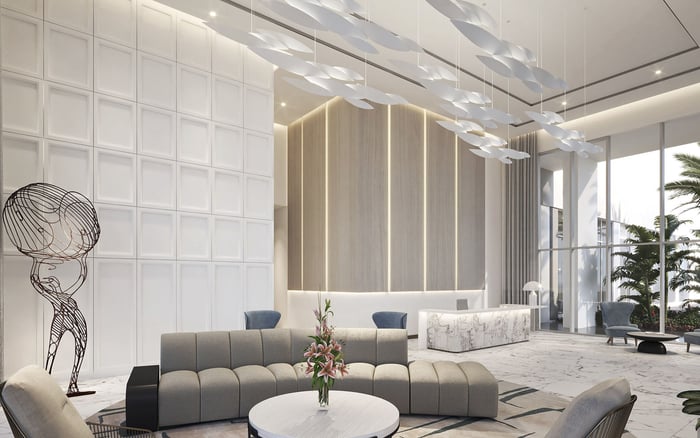
Amenity photographs do not establish what a space permits. A lounge, club room, terrace, or catering kitchen may have its own reservation process and operating limitations. Ask management for the current written materials governing the exact space under consideration.
Kitchen terminology deserves particular care. Confirm whether the space is intended for preparation, warming, plating, storage, or another use. Ask which equipment may be used, where supplies can be staged, how refuse is handled, and whether catering personnel must follow a designated route.
The format of the gathering also matters. A seated meal, standing reception, family celebration, and music-centered evening create different requirements. Give each shortlisted property the same scenario and request written answers about reservations, deposits, insurance, staffing, cancellation, setup, breakdown, and permitted hours.
For an art-week gathering, start with the applicable public-event calendar and work backward. Before selecting a date, ask how a nearby event could change valet operations, curb access, parking, delivery timing, or the approach to the residential entrance.
A move-in celebration may involve furniture installers, florists, caterers, rental providers, and household staff. If predictable access is essential, ask management to explain the primary and alternate arrival routes for the chosen date. Confirm where a vendor vehicle may stop, who receives deliveries, and whether building staff must transfer items at any point.
Guest communication should be equally specific. Invitations can distinguish between the residential entrance and any public-facing arrival point, identify the intended drop-off location, and explain how drivers should respond if the preferred approach is unavailable. The objective is not to promise frictionless access, but to prepare a clear alternative before guests are in transit.
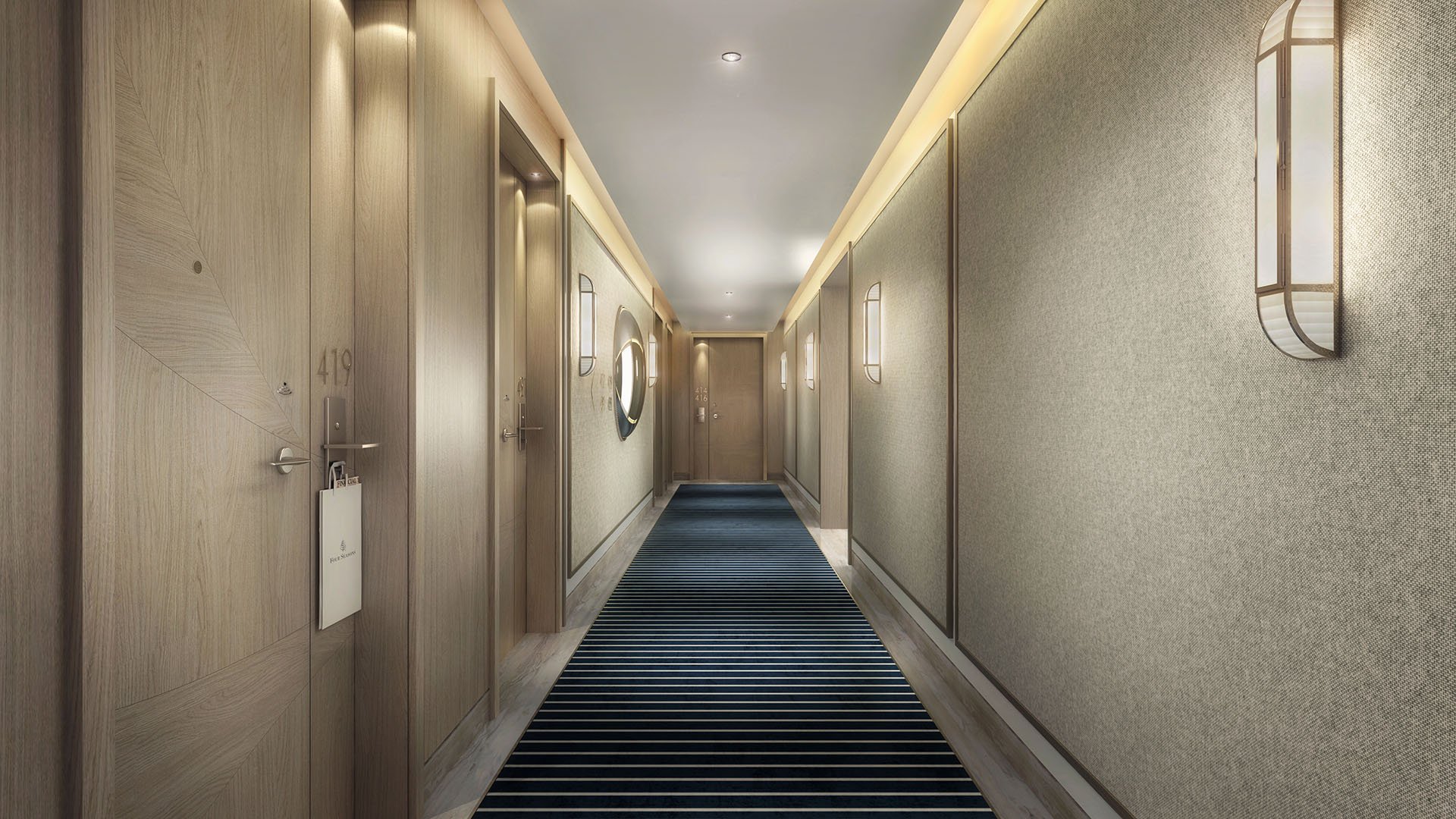
Privacy should be evaluated as a sequence rather than a design feature. Trace the experience from vehicle arrival through guest verification, lobby entry, elevator access, residence arrival, and departure. Repeat the exercise for caterers, florists, musicians, rental teams, and other outside professionals.
Ask who receives a guest list, when it must be submitted, what information is requested, and how changes are handled. Clarify whether vendors follow a separate path, where staff may wait, and which shared areas they may enter. Buyers should also ask how management communicates procedures to household staff and planners without creating confusion on the event day.
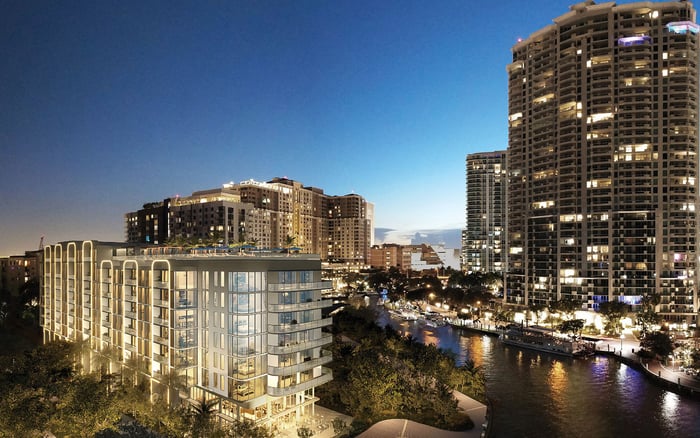
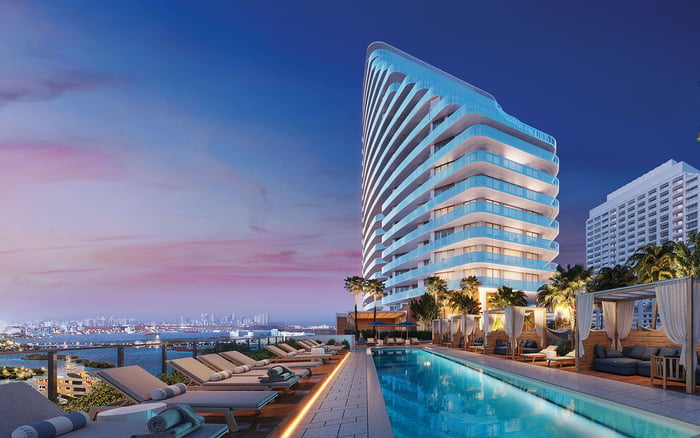
Privacy-sensitive buyers can use the same written questions while touring Four Seasons Hotel & Private Residences Fort Lauderdale and St. Regis® Residences Bahia Mar Fort Lauderdale. These project pages can help organize a Fort Lauderdale search, but the current documents and written responses for a particular residence should guide the decision.
Parking can determine whether an otherwise suitable gathering feels controlled or improvised. Ask how resident, guest, valet, and vendor vehicles are handled under ordinary conditions and during a nearby event. If a buyer uses chauffeurs, confirm the drop-off point and ask where a driver may wait.
The final approach deserves a walk-through. Follow the route a guest would take from the curb to the residence, noting every handoff and shared space. Then trace the vendor path from arrival to staging. Ask how mobility needs, large deliveries, rental collection, and post-event refuse removal would be managed.
For a Las Olas-oriented comparison, Sixth & Rio Fort Lauderdale can be included in the touring plan. Applying one consistent checklist across every visit makes differences in access, circulation, and operating procedures easier to identify.
Create a concise event brief before making a purchase decision. It should describe the intended gathering format, anticipated guest profile, preferred timing, food-service plan, outside professionals, music needs, vehicles, and desired amenity. Avoid leaving key assumptions for the period after closing.
Send the same brief to each shortlisted property and organize the responses alongside the governing documents and reservation materials. Where an answer remains unclear, request clarification in writing and ask the buyer’s appropriate advisers to review any legal, insurance, or contractual issue.
The completed dossier should explain how guests are registered, which spaces may be reserved, what the kitchen supports, how vendors enter, where deliveries are staged, how vehicles are handled, when setup and cleanup can occur, and which alternatives apply during peak conditions.
Before the first important gathering, conduct a timed rehearsal with the planner or household team. Walk the guest and vendor routes, test communications, confirm the sequence of deliveries, and plan the removal of rentals and refuse. Careful preparation allows the evening to feel composed without depending on unverified assumptions.
For a private conversation about a Las Olas purchase shaped around entertaining, access, and discretion, connect with MILLION.
If branded residences are on your mind — as a home or as an allocation — we would be glad to share what we are seeing, privately.
Begin a quiet conversationRequest the current declaration, bylaws, amenity rules, reservation terms, and management procedures. Review them with the event brief and appropriate advisers.
No. Photographs do not establish reservation procedures, permitted uses, operating hours, or vendor requirements.
Ask what preparation, warming, plating, storage, and equipment use are permitted. Confirm the answers in current written materials.
Include the gathering format, guest profile, timing, food service, outside professionals, music needs, vehicles, and requested amenity.
A nearby event may change access, parking, valet operations, or delivery timing. Management should explain the available routes and alternatives for the proposed date.
Trace the complete route from vehicle arrival through verification, elevator access, residence entry, and departure. Repeat the review for vendors and household staff.
Clarify registration, insurance, identification, loading, staging, service access, cleanup, and collection procedures.
Ask how guest, valet, resident, chauffeur, and vendor vehicles are handled in ordinary and peak-event conditions.
A consistent checklist makes differences in rules, access, circulation, and operating procedures easier to compare.
A rehearsal can test routes, communications, delivery sequencing, and cleanup planning before guests arrive.