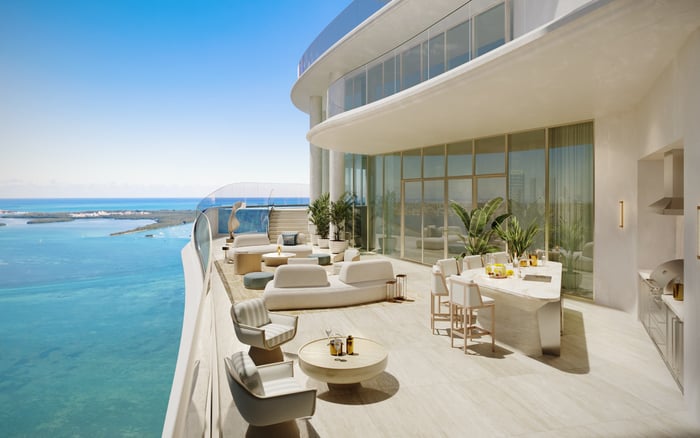
For collectors considering Viceroy Brickell and ORA by Casa Tua, a refined arrival begins with operational due diligence. Distinguish advertised amenities from verified art-handling capabilities, then coordinate freight access, environmental protection, and installation around written approvals.
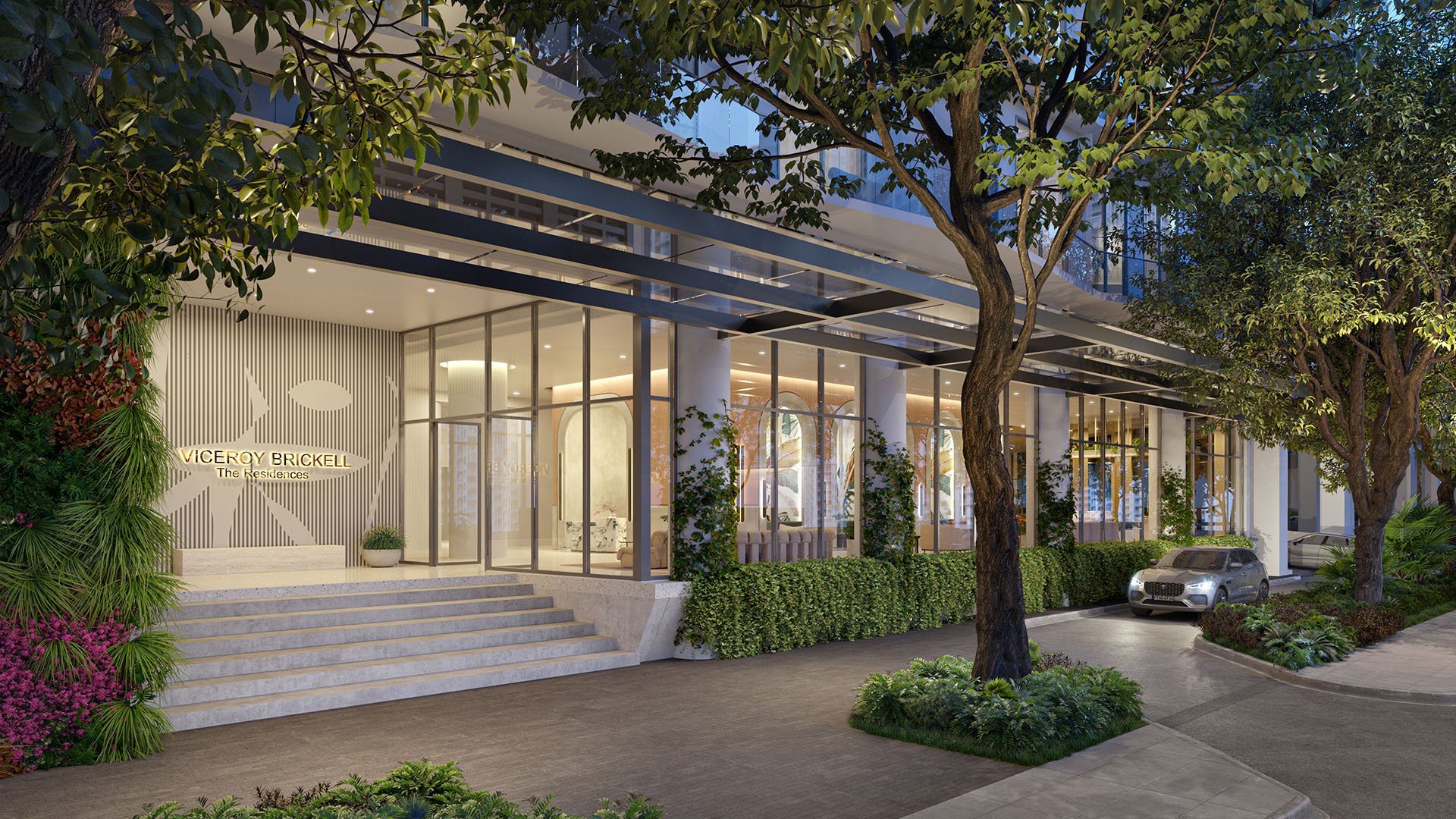
For an owner bringing significant artwork into a Brickell residence, the final installation deserves as much attention as the interior scheme. A painting’s destination may be carefully considered while its route from vehicle to wall remains unresolved. The operational brief should connect those decisions before a shipment leaves storage.
At Viceroy Brickell, at 77 SE 5th Street, and ORA by Casa Tua Brickell, at 1210 Brickell Avenue, Miami, FL 33131, buyers should distinguish residential amenities from collection-specific requirements. Secured storage is not environmentally controlled storage. Nor does air-conditioning inside a residence establish protection throughout the delivery route.
The objective is not to assume either building cannot accommodate a collection. It is to secure a written, object-specific plan before committing to transport, temporary storage, or installation.
Neither building’s freight-elevator dimensions, truck clearances, dock geometry, receiving hours, staging limits, installer requirements, or art-handling services should be treated as established here. At Viceroy in particular, operational arrangements remain open questions until the appropriate building or developer representative confirms them.
Request a route review covering the proposed vehicle position, unloading point, service entrance, corridors, elevator, residential landing, and unit doorway. Have the art handler assess the packed object along the entire route, not just within the elevator cab.
The review should cover clear door openings, turning space, elevator capacity, and restrictions on equipment or protective materials. These are measurements and permissions to obtain, not building features to presume. Even a route that appears workable on a plan should be checked against the actual crate and handling method.
For buyers also considering The Residences at 1428 Brickell, use the same operational questionnaire. Compare written responses rather than assuming similar capabilities from a shared neighborhood or residential positioning.
ORA’s advertised amenities include individual secured storage for each residence. That description addresses security but does not specify temperature, humidity, environmental monitoring, or suitability for fine art. Before assigning artwork to that space, request its environmental specifications, permitted uses, access rules, and applicable storage restrictions.
A package and parcel delivery room with refrigeration and warming drawers for perishables is also advertised. Treat it as a distinct amenity. It does not establish an art-receiving service, permission to leave crates unattended, or an appropriate environment for a collection awaiting installation.
The advertised climate-controlled bicycle storage room calls for the same distinction. Its description applies to bicycle storage-not automatically to general storage, receiving areas, loading docks, or freight routes. Ask about each relevant space individually rather than extending one room’s specification to another.
Separate the planning questions into three categories: where an object may wait, who may access it, and what environmental conditions can be maintained there. A satisfactory answer in one category cannot substitute for the others.
ORA’s residences are described as fully furnished. For an owner introducing artwork or replacement furnishings, the furnishing arrangement is therefore an early design question, not merely a move-in detail. Request the applicable inventory and layout, then identify what should remain, be repositioned, or potentially be removed, subject to the relevant permissions.
Prepare an installation drawing showing proposed artwork locations, nearby furnishings, and the access space the installation team expects to need. Ask the building representative about permitted fixing methods and required approvals before specifying brackets, anchors, or other installation details. Do not assume an owner’s preferred installer or installation method will be accepted.
Apply the same discipline at Viceroy without presuming a furnishing package or installation policy. The actual residence specifications and written building rules should guide the design team’s decisions.
Ideally, the designer, art handler, and owner’s representative should resolve the layout together. The transport brief can then account for the intended installation rather than ending at the apartment door.
ORA’s residence specifications include individually controlled central air-conditioning with linear diffusers. This establishes a residential HVAC feature, not conservation-grade temperature or humidity control. It does not establish environmental protection during unloading, staging, or transit through the building.
Have the collection’s conservator or specialist adviser define the requirements for the particular works. Avoid assigning a universal temperature, humidity range, or unpacking interval without that assessment. The planning brief should state the desired conditions and ask which parts of the proposed route can meet them.
Request details on monitoring, responsibility for checking conditions, and the response if a delivery cannot proceed directly to the residence. If a suitable waiting location has not been confirmed, consider arranging an appropriate off-site alternative with the art handler rather than relying on general building storage.
Inside the residence, ask the adviser to review proposed display locations in relation to diffusers and the overall interior arrangement. The purpose is to match the collection’s needs to the actual space, not infer performance from the HVAC description alone.
ORA’s historical delivery estimates differ. An April 2025 estimate placed delivery in 2027; an August 2025 update placed completion in late 2029. Neither should be treated as a confirmed current handover date.
Before booking freight or installation, obtain a current developer-issued schedule and ask when owner deliveries and installer access are expected to be authorized. Keep those permissions distinct from the broader completion estimate.
Confirm the current schedule, secure written access arrangements, then coordinate shipment and installation. Ask vendors about rescheduling terms before paying nonrefundable charges. This sequence is a planning safeguard, not a prediction about either building’s readiness.
If the owner will not be present, appoint a representative to coordinate the proposed delivery with the building and art handler. The brief should identify who may authorize changes, acknowledge receipt, document condition, and decide whether a shipment should proceed if access or staging differs from the approved plan.
Before dispatch, assemble the route approval, vendor permissions, object requirements, receiving instructions, and contingency arrangements in one operational file. Ask the relevant parties to confirm their responsibilities. The most valuable outcome is clarity: an agreed path from arrival to installation, without relying on an amenity description to answer a different operational question.
For a discreet discussion of your Brickell residence search and collection-planning priorities, connect with MILLION.
If branded residences are on your mind — as a home or as an allocation — we would be glad to share what we are seeing, privately.
Begin a quiet conversationViceroy Brickell is identified at 77 SE 5th Street, Miami. ORA by Casa Tua lists its address as 1210 Brickell Avenue, Miami, FL 33131.
Freight-elevator dimensions and related route clearances are not established here. Obtain written measurements and have the art handler review the complete route against the packed object.
ORA advertises individual secured storage for each residence. Its description does not specify environmental conditions or fine-art suitability.
No fine-art suitability is established by that amenity. The refrigeration and warming drawers are advertised for perishables.
No. The climate-controlled bicycle storage description does not establish equivalent conditions in general storage, receiving areas, loading docks, or freight routes.
ORA specifies individually controlled central air-conditioning with linear diffusers. That does not establish conservation-grade temperature or humidity control.
ORA describes its residences as fully furnished. Owners should review the applicable furnishing layout and permissions before planning artwork placement or replacement furnishings.
No. Historical estimates differed between 2027 and late 2029, so obtain a current developer-issued schedule before committing to freight or installation bookings.
Ask the collection’s conservator or specialist adviser to define object-specific requirements. Then confirm which proposed spaces and delivery stages can meet them.
Appoint a receiving representative and agree on authority, condition documentation, and contingency instructions. Confirm those responsibilities with the building and art handler before dispatch.