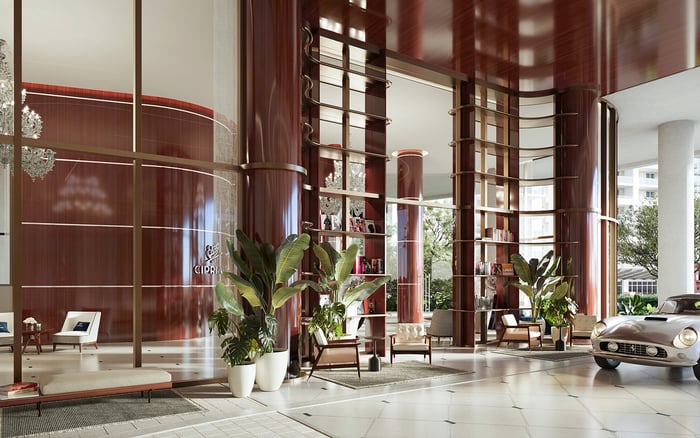
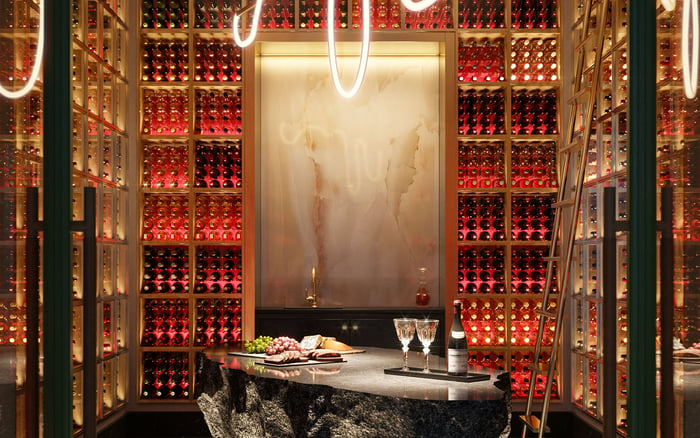
A buyer-focused comparison of Cipriani Residences Brickell and ORA by Casa Tua Brickell, centered on hospitality culture, residential privacy, and the operational questions that matter before contract.
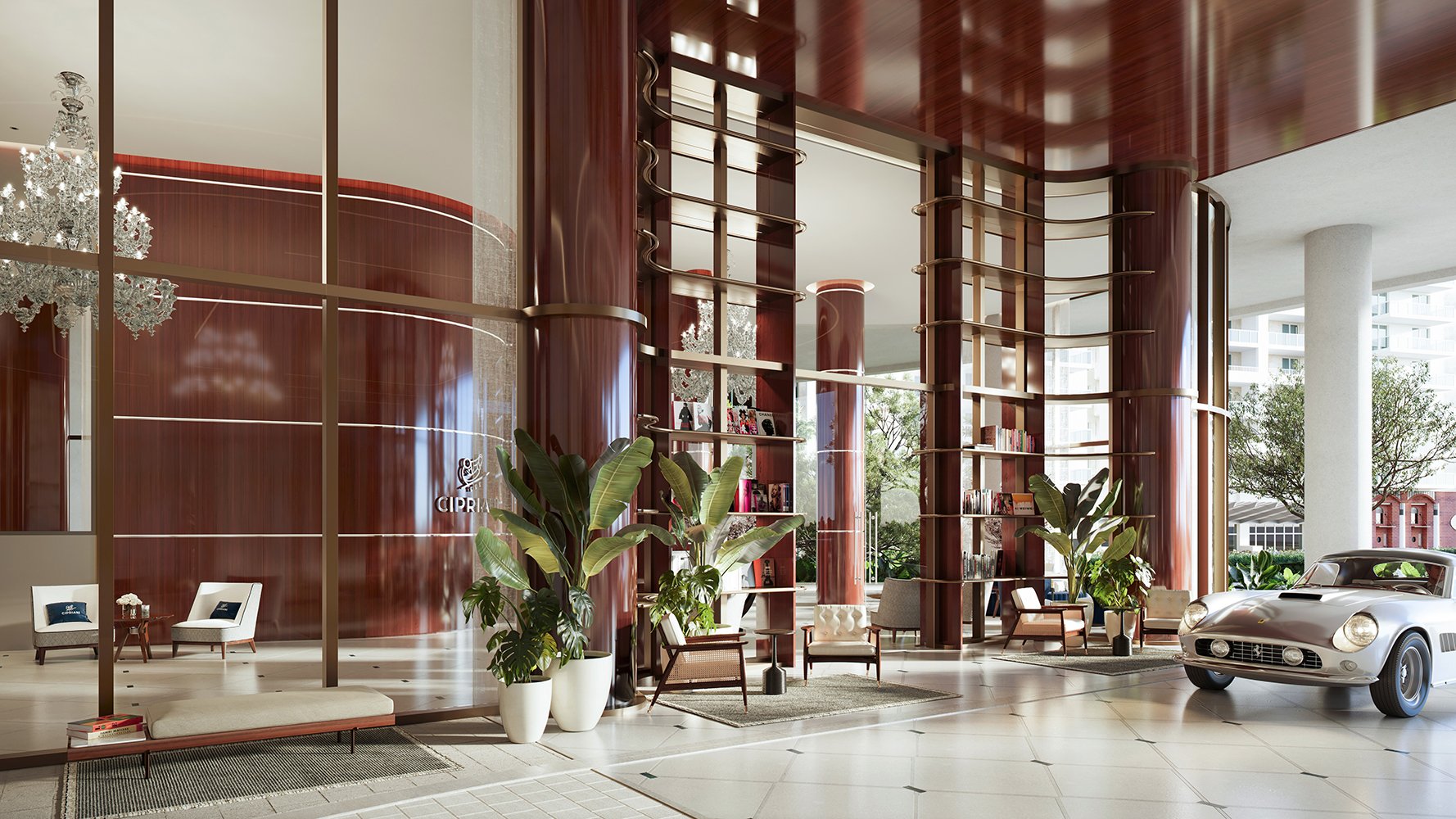
In Brickell, hospitality has moved beyond an amenity category. It is now part of the residential thesis. For buyers comparing Cipriani Residences Brickell with ORA by Casa Tua Brickell, the decision is not simply which name feels more glamorous or which dining concept sounds more desirable. The more important question is how each building translates restaurant culture into daily residential life.
Cipriani Residences Brickell is framed as the more restaurant-forward proposition. Its identity is closely tied to branded hospitality, dining, entertaining, and concierge-style service. For the right buyer, that energy is not a drawback. It is part of the value. The appeal is that the building is not merely near a dining scene; it is shaped by one.
ORA by Casa Tua Brickell is also hospitality-driven, but its positioning reads as more boutique and curated. The likely buyer is not rejecting access to dining or social spaces. Rather, that buyer may want hospitality to feel controlled, selective, and subordinate to the privacy of home. In that distinction, the two projects begin to separate.
The Cipriani buyer is likely someone who enjoys the immediacy of branded service. Entertaining, meeting friends, hosting visiting family, and accessing a hospitality environment without leaving the building are central advantages. This is the buyer who sees residential luxury as a continuation of a polished social life.
That does not make the due diligence casual. In fact, the stronger the restaurant identity, the more precise the questions should be. Buyers should understand how restaurant guests, staff, deliveries, service circulation, valet activity, and residents are separated. The issue is not whether restaurant culture exists. The issue is whether the building has been planned so residential-only areas remain distinctly residential.
The sound question is equally important. Dining rooms, bars, kitchens, loading areas, evening arrivals, and valet operations can all create activity patterns. The prudent buyer asks how those patterns are acoustically isolated from residences, corridors, terraces, and amenity spaces intended for owners. In a successful hospitality-residential concept, energy is curated, not allowed to drift.
ORA by Casa Tua Brickell speaks to a slightly different temperament. The Casa Tua association suggests curated hospitality and dining, but the buyer profile appears more oriented toward preserving a private residential atmosphere. This owner wants access, taste, and social texture, while still expecting the building to feel calm when the elevator opens onto the residential levels.
For ORA, the most important privacy question is access. Buyers should ask whether branded dining and social spaces are resident-only, membership-based, open to outside guests, or operated through some combination of those models. Each answer produces a different residential experience. A private dining room used only by residents is very different from a social venue with a broader guest universe.
Noise diligence should focus on the same operational realities, but through ORA’s more curated lens. Dining, lounges, events, music, valet, and back-of-house activity matter most during evenings and weekends. Those are the hours when the promise of atmosphere can either enhance a residence or begin to compete with it.
Privacy in a hospitality-branded tower is physical, operational, and legal. Physical privacy means separate circulation where appropriate, clear thresholds between public or semi-public areas and residential zones, and elevator systems that do not make residents feel as though they are passing through a venue to get home. Operational privacy means staff training, guest management, delivery control, and service routing. Legal privacy lives in condominium documents, access rules, event policies, and ownership’s ability to enforce them over time.
That framework matters across Brickell, where buyers may also be comparing the tone of other luxury towers such as Baccarat Residences Brickell, St. Regis® Residences Brickell, and The Residences at 1428 Brickell. Each buyer should define whether the desired home is a social stage, a discreet retreat, or something carefully balanced between the two.
The Cipriani and ORA comparison is especially useful because both sit within the language of branded hospitality. Yet the buyer’s emotional response may differ sharply. One buyer may want the building to feel alive, serviced, and ready for guests. Another may want the culinary brand to remain a privilege, not a presence.
Noise should not be treated as a vague fear. It should be investigated with the same discipline as views, finishes, or parking. Buyers should ask for details on acoustic assemblies, restaurant and event hours, music policies, kitchen exhaust placement, loading routes, trash handling, valet stacking, porte cochere design, and complaint escalation.
The most sensitive periods are predictable: dinner service, late arrivals, weekends, events, and high-traffic seasonal evenings. A sophisticated building anticipates these patterns. It does not merely promise quiet. It designs for it, staffs for it, and governs it.
For Cipriani Residences Brickell, the buyer should assume lifestyle energy is part of the appeal and then verify how it is contained. For ORA by Casa Tua Brickell, the buyer should examine how a more boutique hospitality model is protected from becoming too open, too busy, or too event-driven. Neither question is negative. Both are central to luxury ownership in a city where dining and residential life increasingly overlap.
Cipriani Residences Brickell is likely the stronger fit for the resident who wants hospitality to be visible, immediate, and woven into everyday life. This buyer values the brand as a lifestyle differentiator and may use the building as a platform for hosting, dining, and social connection.
ORA by Casa Tua Brickell is likely the stronger fit for the resident who wants hospitality access without surrendering the feeling of a private home. This buyer may care less about the building feeling animated and more about whether the hospitality layer feels controlled, elegant, and selectively accessible.
The best choice is not the louder brand or the quieter promise. It is the project whose operating model matches the buyer’s rhythms. In Brickell, the most luxurious home may be the one where the evening energy is exactly where it belongs, and nowhere else.
Is Cipriani Residences Brickell more restaurant-focused than ORA by Casa Tua Brickell? Cipriani Residences Brickell reads as the more restaurant-forward concept, with branded hospitality functioning as a central lifestyle feature.
Is ORA by Casa Tua Brickell more private? ORA by Casa Tua Brickell appears positioned around a more boutique and curated hospitality model, but buyers should verify actual access rules.
Should buyers assume either building will be noisy? No. Noise should be treated as a diligence question involving acoustics, operations, events, valet, loading, and music policies.
What is the most important privacy question at Cipriani Residences Brickell? Buyers should ask how restaurant guests, staff, service routes, and residential-only areas are separated.
What is the most important privacy question at ORA by Casa Tua Brickell? Buyers should clarify whether Casa Tua-branded spaces are resident-only, membership-based, open to guests, or some hybrid.
Which project is better for entertaining? Cipriani may appeal more to buyers who want a visible hospitality and dining culture connected to daily living.
Which project is better for a quieter home atmosphere? ORA may appeal more to buyers who want hospitality access while preserving a more private residential feeling.
What documents should buyers review before contract? Review condominium documents, amenity access rules, event policies, music restrictions, valet plans, and service circulation details.
How should buyers compare these with other Brickell luxury towers? Compare not only finishes and views, but also how each building manages guests, staff, dining venues, and resident-only spaces.
What is the simplest way to decide between them? Choose Cipriani if you want hospitality energy as part of the value, and ORA if controlled residential privacy is the higher priority.
To compare the best-fit options with clarity, connect with MILLION.
If branded residences are on your mind — as a home or as an allocation — we would be glad to share what we are seeing, privately.
Begin a quiet conversation