A discreet buyer guide to evaluating ownership models for households that rely on recurring trainers, tutors, private chefs, and other invited professionals.

For many South Florida buyers, the defining luxury is not a larger terrace or a more dramatic view. It is the ability to live privately, efficiently, and without friction. That priority becomes especially clear for owners whose weekly routine includes trainers, tutors, private chefs, stylists, wellness practitioners, drivers, and household staff.
Cipriani Residences Brickell, EDITION Edgewater, and Frida Kahlo Wynwood Residences each speak to a distinct version of Miami living. The buyer’s task is not simply to choose the most recognizable name. It is to identify which ownership model best supports a residence that functions like a private home while operating within a managed condominium environment.
The answer depends on three variables: how often outside professionals enter the building, how much privacy the household requires, and how clearly the condominium documents define recurring service access.
A trainer who arrives three mornings a week is not the same as an occasional dinner guest. A tutor who visits after school needs a predictable access process. A private chef may require loading, timing, refrigeration coordination, and discretion. These patterns can feel seamless in the right building and cumbersome in the wrong one.
Before focusing on finish packages or views, buyers should examine how the building handles recurring vendors. The essential questions are practical: Can approved professionals be pre-authorized? Are there separate service routes? How are elevators managed? Are household employees treated differently from short-term guests? What insurance or registration requirements apply? Can a private chef bring assistants or outside equipment?
In an ultra-premium building, this is not a minor operational detail. It affects daily comfort, staff retention, privacy, and the ability to host without turning every arrival into a front-desk negotiation.
For buyers considering Cipriani Residences Brickell, the natural appeal is a Brickell address paired with a formal residential mindset. Brickell is often chosen by owners who want proximity, discretion, and a more urban daily rhythm. It can suit the household that needs a trainer before work, a tutor in the late afternoon, and a chef preparing dinner while the owner remains in meetings.
The key is to verify how the building separates residential privacy from service activity. A buyer with recurring professionals should review the condominium rules for vendor registration, service elevator use, delivery coordination, and staff access. The more frequent the service pattern, the more important it becomes to confirm that the building’s procedures are designed for repeat access rather than one-off visits.
Among the three named options, this model may best fit the buyer who wants a polished, residence-first environment and expects professional support to operate quietly in the background. The strongest fit is not defined by brand language. It is defined by whether the operating rules protect the owner’s privacy while allowing a household team to work smoothly.
EDITION Edgewater sits in a different emotional register. Edgewater buyers often value water-oriented living, design identity, and proximity to the cultural and dining energy of central Miami. For a household with trainers, chefs, and tutors, the question is whether the building’s service culture supports a more lifestyle-forward pattern without weakening residential control.
A buyer should look closely at how guests and recurring professionals are distinguished. A building can feel welcoming and still maintain firm access rules. That balance matters for owners who want a personal training session at sunrise, a chef entering before dinner, or a tutor arriving while parents are away.
This model may fit buyers who want a highly serviced environment and are comfortable with a more social building personality, provided the private residence protocols are clear. The best outcome is a building that feels effortless for approved professionals but remains exacting for everyone else. That is the difference between hospitality and overexposure.
Frida Kahlo Wynwood Residences introduces a third lens: the creative, urban, potentially more flexible household. Wynwood appeals to buyers who may value cultural adjacency, studio-like energy, and a less conventional daily cadence. For some owners, that can pair well with visiting chefs, art tutors, wellness practitioners, or creative collaborators.
Flexibility, however, should never be assumed. A buyer who wants a rotating cast of professionals entering the residence should examine the same fundamentals: access approval, elevator routing, delivery policies, insurance requirements, and limits on commercial activity inside private units.
This ownership model may appeal to buyers whose household is dynamic rather than formal. It may also suit owners who care less about corporate privacy and more about ease, creativity, and neighborhood energy. Still, the right fit depends on written rules, not assumptions about Wynwood culture.
For the most service-heavy buyer, the best ownership model is usually the one with the clearest residential governance. That means defined procedures for recurring professionals, a front desk or management team that can recognize approved vendors, practical loading and elevator protocols, and documents that do not treat every service provider as an exception.
If privacy is the priority, Cipriani Residences Brickell may be the most intuitive direction to investigate first. If the buyer wants a blend of residential life and elevated lifestyle service, EDITION Edgewater deserves careful review. If flexibility and cultural energy matter more than formality, Frida Kahlo Wynwood Residences may be the more natural conversation.
The deciding factor is not which building sounds most accommodating. It is which building can prove, through its rules and operations, that a trainer, tutor, or chef can become part of the owner’s routine without creating exposure or inconvenience.
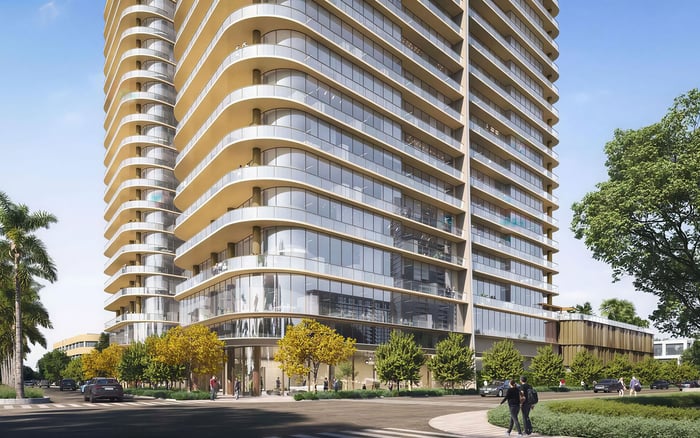
New-construction buyers often fall in love with a rendering, a brand, or an arrival sequence. Service-heavy buyers need to go deeper. The condominium declaration, rules and regulations, staff policies, and management practices will shape the day-to-day experience more than any single amenity image.
A private chef may need access to loading areas and service elevators. A tutor may require permission to enter when parents are not home. A trainer may bring equipment or arrive outside typical social hours. If the building has not contemplated these scenarios, the owner may discover that luxury has become procedural.
The best buildings make recurring service feel invisible. They do not eliminate rules. They make rules legible, consistent, and discreet.
Start with the household calendar. Count how many non-resident professionals enter the home each week. Then separate them into categories: wellness, education, culinary, domestic staff, drivers, beauty, medical, and event support. The more categories involved, the more important building operations become.
Next, ask for written clarity. Verbal reassurance is helpful, but it is not enough. Buyers should understand what the association allows, what management can approve, and what requires board consent. They should also confirm whether the rules differ for owners, family members, household employees, contractors, and temporary vendors.
Finally, consider the privacy profile. A public-facing buyer may need stricter arrival control than a part-time owner who uses the residence seasonally. A family with school-age children may prioritize tutor access and security logs. A host who entertains frequently may care most about culinary support and back-of-house coordination.
Which ownership model is best for a buyer with daily trainers and tutors? The best fit is a residence-first model with clear recurring vendor approval, controlled access, and consistent front-desk procedures.
Should buyers assume branded residences are easier for private chefs? No. Buyers should review building rules for service elevators, loading, insurance, and kitchen-related vendor access.
Is Brickell a practical choice for service-heavy households? Brickell can be practical for owners who want an urban routine, but the building’s access policies matter more than the neighborhood label.
Can Edgewater work for families with tutors and wellness staff? Edgewater can work well if the building distinguishes approved recurring professionals from general guests and visitors.
Does Wynwood automatically mean more flexible rules? No. Wynwood may feel flexible culturally, but condominium rules still determine what is permitted inside the building.
What should a buyer ask before signing a contract? Ask how recurring vendors are registered, how service elevators are scheduled, and whether household staff can be pre-authorized.
Are private chefs treated differently from caterers? They may be, depending on building rules, frequency of visits, equipment, insurance, and whether assistants are involved.
Why do tutors require special attention? Tutors may arrive when parents are away, so access authorization, security logs, and child-safety protocols should be clear.
What is the biggest mistake service-heavy buyers make? The biggest mistake is assuming a luxury building will automatically accommodate a private household team without written procedures.
When should these questions be reviewed? They should be reviewed before contract signing, ideally alongside the condominium documents and any management policies available.
When you're ready to tour or underwrite the options, connect with MILLION.
If branded residences are on your mind — as a home or as an allocation — we would be glad to share what we are seeing, privately.
Begin a quiet conversation