A practical guide for luxury condo buyers who want to distinguish authentic building culture from polished lifestyle messaging. The article outlines how to read rules, staffing, amenity behavior, and South Florida ownership patterns before committing.
In luxury real estate, building culture is often sold before it is truly understood. A sales gallery can make any residence feel serene, social, private, or cosmopolitan for the duration of an appointment. The harder question is whether that atmosphere survives ordinary life: morning elevator traffic, guests arriving for dinner, contractors moving through service corridors, children using shared spaces, and residents expecting different versions of luxury under one roof.
Marketing theater begins when a building’s cultural promise is reduced to mood boards, staged amenity scenes, and polished phrases that do not explain how the property actually functions. Authentic culture is quieter. It is visible in the way staff greet residents, how rules are enforced, how amenity conflicts are handled, and whether neighbors appear relaxed or guarded in shared spaces.
For a South Florida buyer, this matters as much as finishes or views. Culture influences privacy, resale appeal, seasonal comfort, and the ease of daily ownership. A beautiful building with poorly aligned residents can feel expensive but unsettled. A disciplined building with clear expectations can feel effortless.
An amenity is not a culture. A pool deck, spa suite, dining room, lounge, fitness center, or screening room can photograph beautifully without revealing how it is actually used. The essential question is not whether the space exists, but whether it performs gracefully when demand rises.
Ask how spaces are reserved, who may bring guests, what happens during peak weekends, and whether private instructors, outside vendors, pets, children, and extended family members are managed with clarity. In a refined building, rules do not feel punitive. They create predictability, which is a luxury in itself.
During a tour, observe the small details. Are staff members rushed or composed? Do residents acknowledge one another naturally? Are common areas being used, or do they feel staged and untouched? Does the lobby operate like a private residential arrival, or like a hospitality set piece? A building’s tone is often legible within minutes if you know where to look.
Every building has a social contract, even if no one names it. Some properties are discreet and residential, with a premium placed on quiet arrivals and minimal spectacle. Others are more social, with active amenity programming and a visible hospitality rhythm. Neither is inherently superior. The mistake is buying into one culture while expecting another.
The social contract appears in leasing policies, guest access, valet procedure, pet etiquette, renovation rules, noise expectations, and how boards or management respond when residents push boundaries. A building that cannot articulate these norms may be relying on aesthetics to do the work of governance.
For buyers comparing Brickell, Miami Beach, Sunny Isles, Coconut Grove, new construction, and investment opportunities, the same principle applies: the right property is not only the one that looks aligned with your lifestyle, but the one whose daily operating habits support it.
Certain phrases deserve careful listening. “Curated community,” “private club lifestyle,” “effortless living,” and “like-minded residents” can be meaningful when supported by structure. Without specifics, they are theater.
Ask what is being curated, who is responsible for maintaining the standard, and how conflicts are resolved. If a building promises social connection, what programming supports it? If it promises privacy, how are arrivals, deliveries, guests, and service providers separated or managed? If it promises wellness, how are spaces scheduled and maintained rather than simply photographed?
The strongest answers are operational, not poetic. They involve staffing, access, rules, communication, and resident behavior. Luxury buyers should be wary when every answer returns to design language while avoiding the lived reality of ownership.
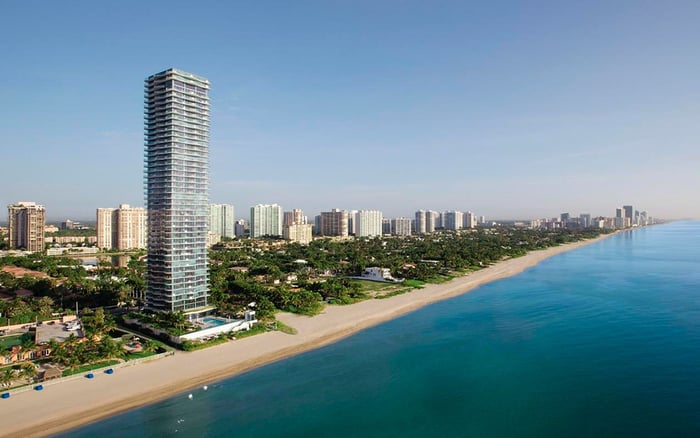
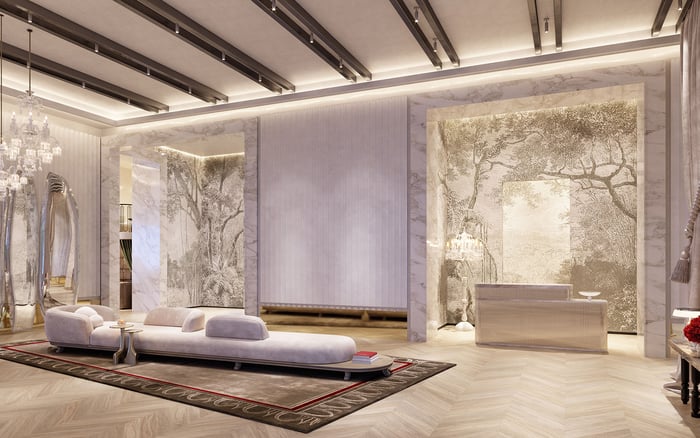
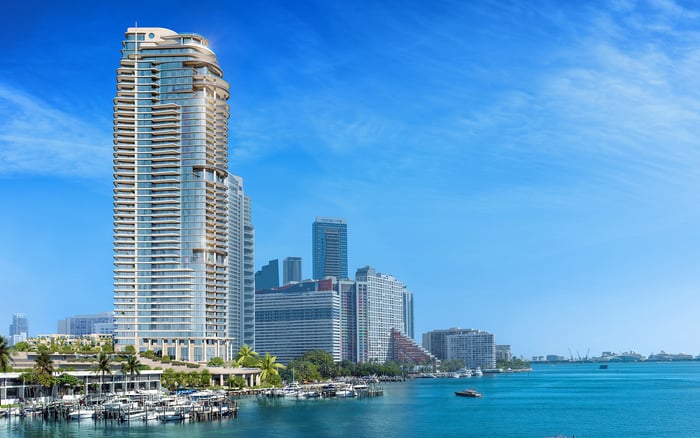
Renderings are useful for scale and design intent, but they cannot show culture. Before committing, ask direct questions that reveal how the building expects to live.
Who controls the building during early ownership, and how will governance transition? How are amenity reservations handled? What are the guest policies for residents who entertain frequently? How does management address repeated rule violations? Are short stays, corporate use, or frequent visitors consistent with the building’s intended identity? How are deliveries, drivers, housekeepers, chefs, trainers, and other service providers routed?
These questions are not impolite. In the ultra-premium market, they are part of the purchase. A serious building should welcome them because culture is not fragile when it is real.
South Florida’s residential rhythm is distinctive. Many buildings serve primary residents, seasonal owners, international families, and second-home buyers at the same time. That mix can be elegant when expectations are clear, and chaotic when they are not.
Seasonality also tests culture. A building may feel calm in late summer and entirely different during peak winter weeks, major events, or holiday periods. Waterfront settings introduce their own rituals around beach access, boating, outdoor entertaining, and visiting guests. Urban towers may face different pressures around valet, elevators, private dining, and nightlife proximity.
This is why culture should be evaluated across time, not only through a single appointment. If possible, visit at different hours. Notice the arrival sequence in the evening, the gym in the morning, the pool on a weekend, and the lobby during dinner traffic. Luxury is most convincing when it remains composed under pressure.
Green flags are often understated. A well-briefed staff. Clear but courteous rules. Residents who seem comfortable rather than performative. Amenity areas that feel used but controlled. Management that can describe common friction points without becoming defensive. Sales teams that discuss limitations as well as strengths.
Red flags tend to be more theatrical. Overly choreographed tours. A reluctance to discuss enforcement. Lifestyle imagery with little explanation of operations. Promises that every buyer profile will be equally satisfied. A building cannot be everything at once. Privacy, nightlife, family energy, investor flexibility, and club-level sociability can coexist only when carefully managed, and sometimes they are naturally in tension.
The most sophisticated buyers are not seeking perfection. They are seeking alignment. A property can be extraordinary and still be wrong for a particular owner if the culture does not match how that owner actually lives.
Begin with your non-negotiables. Do you want a quiet residential retreat, an amenity-rich social environment, or a lock-and-leave residence where staff discretion is paramount? Do you entertain often, travel frequently, work from home, arrive with family, or expect a high level of anonymity? Each answer points toward a different building culture.
Then test the property’s claims against operations. Culture is confirmed when the rules, staffing, architecture, ownership profile, and amenity programming all tell the same story. It is theater when the story depends on adjectives alone.
The best luxury buildings do not need to shout about culture. They demonstrate it through consistency. In a market as visually seductive as South Florida, that consistency is one of the rarest and most valuable forms of design.
What is marketing theater in building culture? It is polished lifestyle language or imagery that is not supported by daily operations, rules, staffing, and resident behavior.
Why does building culture matter in a luxury condo purchase? Culture affects privacy, comfort, guest experience, amenity access, and long-term satisfaction as much as physical design.
How can I evaluate culture during a short tour? Watch how staff, residents, guests, and service providers move through the building, and ask how common spaces are actually managed.
Are branded residences less likely to have culture problems? A brand can support service expectations, but resident alignment and building governance still determine the lived culture.
What questions reveal whether a building is well managed? Ask about guest policies, amenity reservations, rule enforcement, service access, complaint handling, and governance transition.
Is a social building less luxurious than a private one? No. The issue is not whether a building is social or quiet, but whether its culture matches the owner’s expectations.
Can new construction have an authentic culture before residents move in? It can have a credible cultural framework, but buyers should examine rules, staffing plans, access policies, and governance structure.
What is a common red flag in luxury condo marketing? Be cautious when every answer relies on lifestyle adjectives while avoiding specifics about operations and resident conduct.
Should investors evaluate building culture differently? Yes. Investors should consider whether the building’s rules, rental expectations, and resident profile support the intended ownership strategy.
What is the simplest test for authentic culture? Ask whether the building’s promises remain credible during peak demand, not just during a quiet sales appointment.
For a discreet conversation and a curated building-by-building shortlist, connect with MILLION.
If branded residences are on your mind — as a home or as an allocation — we would be glad to share what we are seeing, privately.
Begin a quiet conversation