A buyer-focused guide to amenity exclusivity at Casa Bella by B&B Italia in Downtown Miami, with practical questions on owner-only access, guest policies, rental use, documents, future rule changes, and resale implications.
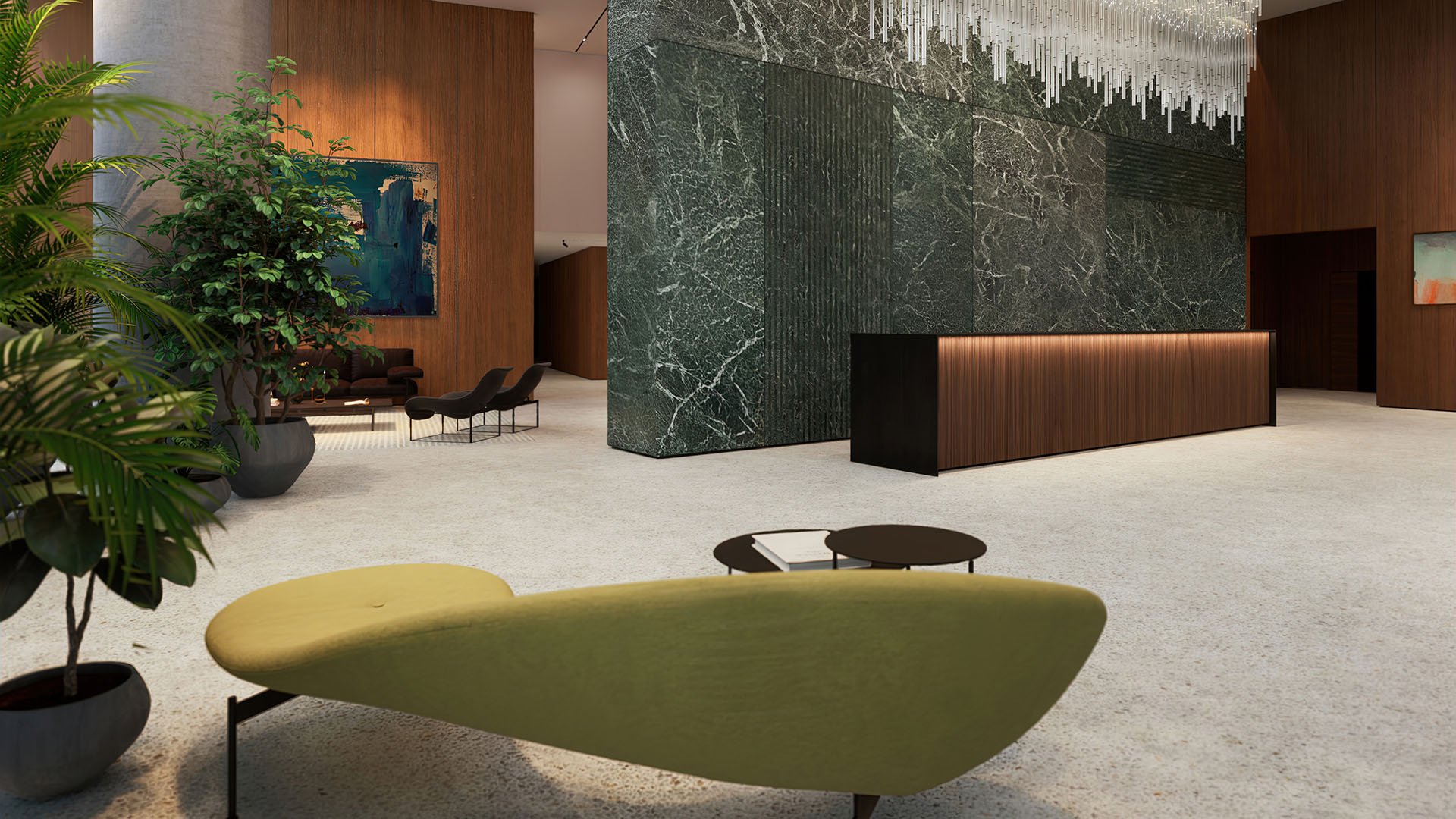
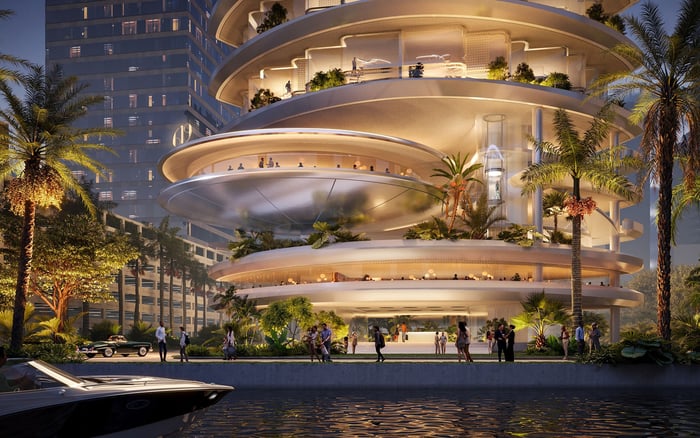
Casa Bella by B&B Italia Downtown Miami sits in a category where design pedigree, curated interiors, and the promise of a refined vertical lifestyle are central to buyer interest. For sophisticated purchasers, however, the essential question is not only how beautiful the amenity spaces appear. It is who may use them, under what conditions, and whether those rights are secure enough to support the privacy and value proposition being presented.
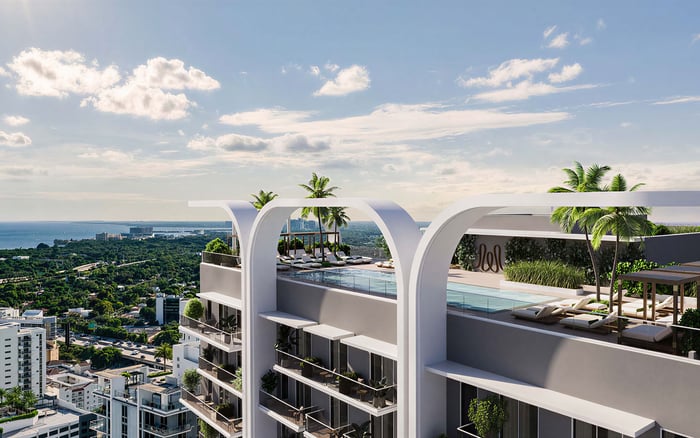
In Downtown Miami, amenity access is not a decorative detail. It is a daily-use issue. The neighborhood’s density, cultural calendar, traffic patterns, and public energy make controlled private space especially important for buyers seeking a calm retreat above the city. A pool deck, wellness suite, lounge, workspace, or social room may feel entirely different depending on whether it is reserved for owners, shared with tenants, open to registered guests, or subject to future rule changes.
For that reason, buyers should treat amenity exclusivity at Casa Bella as part of legal and financial due diligence, not merely as a lifestyle preference. The right question is not, “Does the building have amenities?” The better question is, “Exactly whose amenities are these?”
The phrase “owner-only” can sound straightforward, but in condominium practice it often requires careful definition. Buyers should ask whether it means deeded owner access, access for residents of owner households, access for tenants occupying leased units, or access governed by association rules that may evolve over time.
A purchaser should also distinguish between ownership status and occupancy status. If a unit is leased, does the tenant receive the same amenity privileges as the owner? If the owner is not in residence, can the owner still use the spaces while a tenant occupies the unit? If adult children, domestic staff, or extended household members use the residence, are they considered part of the approved access group?
These details shape the lived experience of the building. In a branded project where design and curation are part of the appeal, the character of shared spaces depends on how access is controlled. Buyers should ask the sales team and counsel to confirm the exact language before relying on any verbal summary.
Not every amenity carries the same access sensitivity. A resident lounge may have one set of rules, while wellness areas, workspaces, pool decks, social rooms, and curated common spaces may have another. Buyers should request a space-by-space explanation rather than accepting a broad statement about building amenities.
Key questions include whether owners have priority access during peak periods, whether reservations are required, whether private events can limit general use, and whether fees apply for certain rooms. Buyers should also ask if any amenities are shared with retail, hospitality, branded-service, commercial, or public-facing components, if applicable. Even limited third-party access can change the atmosphere of a space intended to feel residential and private.
For Casa Bella, the B&B Italia association elevates the importance of this inquiry. A buyer drawn to the building for design continuity and curated interiors should ensure that the common-space experience matches that expectation in daily practice.
Renderings, model residences, and sales-gallery conversations can introduce the vision, but they should not be the final authority on amenity rights. Buyers should request written confirmation and review condominium documents, association rules, budgets, maintenance obligations, rental policies, guest policies, and any easements that could affect access.
The documents should clarify who controls the spaces, who pays for them, and whether specific user groups have rights that are not obvious in marketing materials. Buyers should also ask whether future board votes, developer rights, commercial agreements, or rule amendments could change who may use particular amenities.
This is especially important in new-construction settings, where the lifestyle narrative may be presented before residents have experienced the full operational pattern. A careful buyer should understand not only the initial access plan, but also the mechanisms that could alter access later.
Guest access is often where luxury amenity privacy becomes most visible. Buyers should ask how guests are registered, whether guest counts are limited, whether peak-time restrictions apply, whether fees are charged, and whether owners remain responsible for guest conduct.
A generous guest policy may be attractive for entertaining, but it can also increase demand on lounges, pool areas, and social spaces. A stricter policy may preserve privacy, but it could limit how an owner hosts family and friends. Neither model is inherently better. The essential point is that buyers should understand the policy before closing.
The most refined buildings tend to feel effortless because access rules are clear, consistently enforced, and aligned with resident expectations. Ambiguity, by contrast, can become friction.
Buyers comparing Casa Bella with luxury towers in Brickell, Edgewater, or Miami Beach should weigh amenity privacy alongside views, layouts, pricing, and finishes. A residence with an exceptional floor plan may lose some appeal if the shared spaces feel overextended. Conversely, a building with disciplined access control can feel more intimate and enduring, even in a dense urban setting.
This is not only a Downtown consideration. Across Miami’s prime condominium markets, buyers increasingly evaluate the quality of private common space as part of the total ownership experience. In Brickell, proximity to finance, dining, and urban movement can heighten the value of calm residential amenities. In Edgewater, bayfront living is often judged by the relationship between views, wellness, and shared residential retreat. In Miami Beach, privacy expectations may be shaped by resort-like amenities and guest activity.
Resale positioning can also be affected. Future buyers may ask the same questions: who uses the amenities, how crowded do they feel, and how durable are the access protections? Amenity exclusivity can influence both daily satisfaction and long-term market perception.
Before committing, a buyer should build a written checklist. Start with the basic categories: owners, owner households, tenants, guests, staff, commercial users, service providers, and any other third parties. Then ask which categories may access each amenity and under what conditions.
Next, request clarity on control. Are access rights tied to deeded ownership, condominium membership, residency, association approval, or operating rules? Can the board modify guest limits? Can rental privileges extend amenity use to tenants? Can a developer reserve rights that affect common spaces? Are there easements or agreements that give another user group access to certain areas?
Finally, review cost responsibility. If owners exclusively use certain spaces, do all owners maintain them equally? If certain spaces are shared more broadly, how are maintenance and operating costs allocated? In a high-design building, common-space upkeep is part of the luxury promise, and the budget should support that promise.
Casa Bella’s design-driven appeal is clear, but the most confident purchase decisions come from confirmed rights rather than assumptions. Buyers should ask the sales team for direct answers, then have counsel review the condominium documents and related rules. The goal is not to create concern where none is warranted. The goal is to align the buyer’s expectations with the enforceable structure of ownership.
For a primary residence, this affects daily rhythm. For a second home, it affects ease of arrival and hosting. For an investor, it affects how tenant privileges and rental policies interact with building culture. In each case, amenity access deserves the same attention as exposure, ceiling heights, parking, service standards, and finish selections.
Luxury is partly about beauty, but it is also about control. At Casa Bella by B&B Italia Downtown Miami, the most discerning buyers will want both.
Is Casa Bella by B&B Italia a Downtown Miami residential project? Yes. Casa Bella by B&B Italia is positioned as a luxury residential project in Downtown Miami.
Should buyers assume all Casa Bella amenities are owner-only? No. Buyers should verify which amenities are reserved for owners and which may be available to residents, tenants, guests, or other users.
What does owner-only amenity access mean? Buyers should confirm whether it means deeded owner access, resident access, household access, or access governed by association rules.
Which amenities deserve specific access questions? Pool decks, wellness areas, lounges, workspaces, social rooms, and curated common spaces should all be reviewed individually.
Do tenants receive the same amenity privileges as owners? Buyers should ask this directly, especially if rentals are permitted and tenant access could affect the building experience.
Can guest policies affect amenity privacy? Yes. Guest counts, registration rules, fees, peak-time limits, and owner responsibility can all shape privacy and comfort.
Why is Downtown amenity control especially important? Downtown’s density and public activity make private, well-managed amenity space valuable as a retreat from the surrounding city.
What documents should buyers review? Buyers should review condominium documents, association rules, budgets, maintenance obligations, rental policies, guest policies, and relevant easements.
Can amenity access change after purchase? Buyers should ask whether board votes, developer rights, commercial agreements, or rule amendments could alter access in the future.
What is the best way to shortlist comparable options for touring? Start with location fit, delivery status, and daily lifestyle priorities, then compare stacks and elevations to validate views and privacy.
If you'd like a private walkthrough and a curated shortlist, connect with MILLION.
If branded residences are on your mind — as a home or as an allocation — we would be glad to share what we are seeing, privately.
Begin a quiet conversation