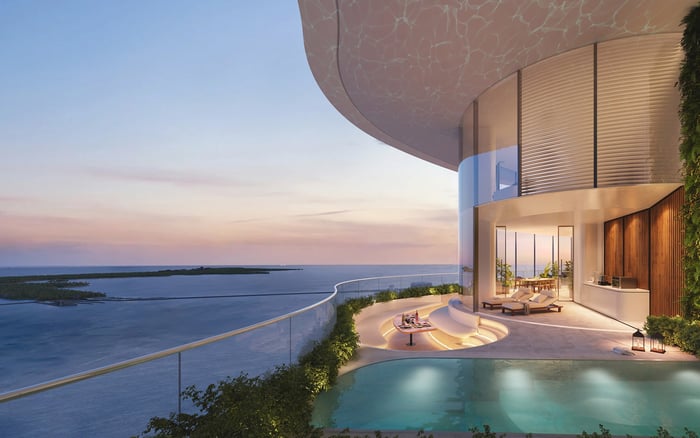
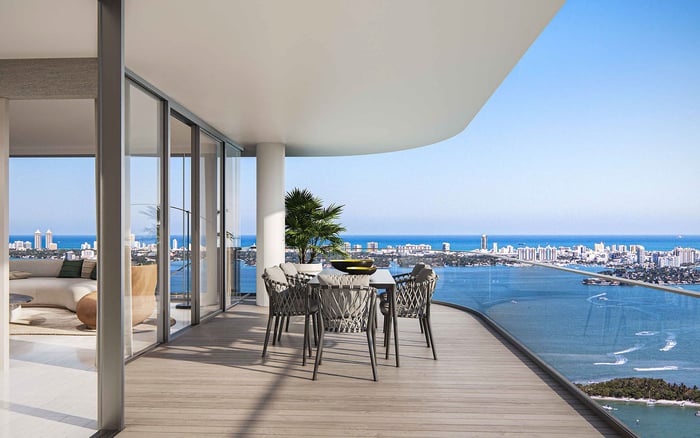
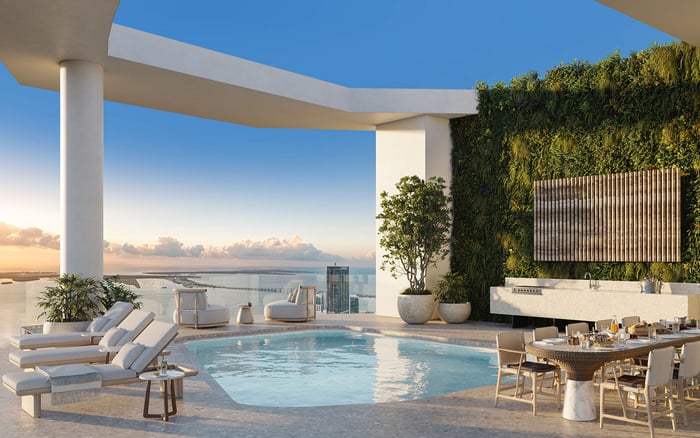
For South Florida buyers who entertain often, the choice between a large amenity deck and lower-density living depends less on scale and more on how guests actually arrive, gather, linger and leave.
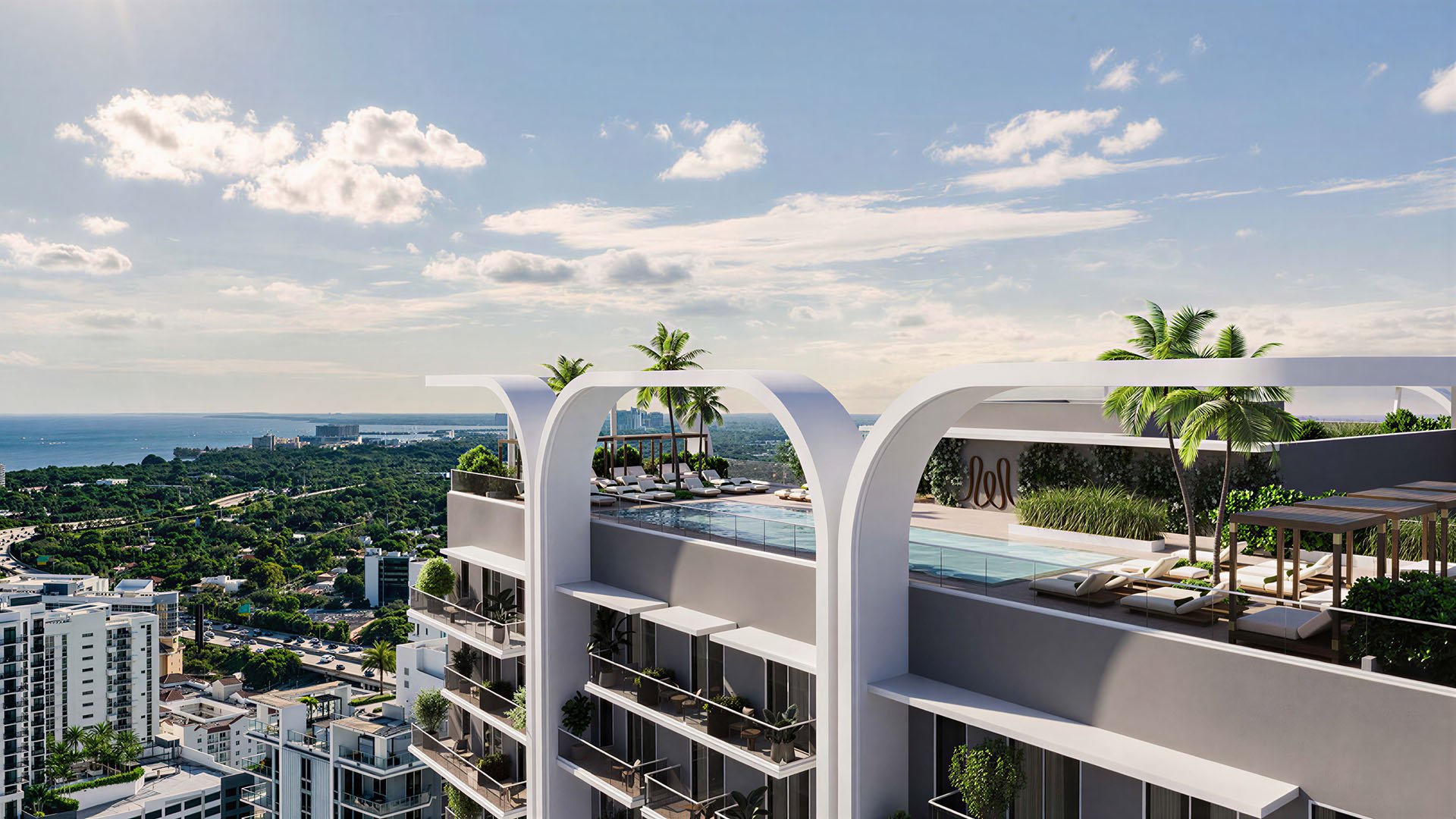
For buyers who entertain often in South Florida, the debate is rarely about square footage alone. A large amenity deck can feel irresistible on paper, especially when it promises resort-style variety, outdoor dining, lounges, wellness areas and a Pool that extends life beyond the private residence. Lower-density living offers a different kind of luxury, measured in discretion, ease and control.
The right answer depends on how a buyer hosts. A couple who regularly welcomes friends for sunset drinks may prioritize a deep Terrace, a generous Balcony and a building team that can quietly support the evening. A family that hosts birthdays, charity gatherings or holiday weekends may value multiple shared spaces that let guests spread out without overwhelming the residence itself. In South Florida, where indoor-outdoor living is not a seasonal indulgence but a daily expectation, entertaining is a choreography of arrival, privacy, view, service and acoustics.
A large amenity deck is most useful when it expands the social life of the residence without making the home feel overrun. It can give hosts a second living room in the sky: a setting for informal cocktails, poolside afternoons or pre-dinner conversation before the group moves upstairs. In higher-energy neighborhoods such as Brickell, that flexibility can be especially compelling. A residence at 2200 Brickell, for example, speaks to buyers who want urban convenience and a built-in social rhythm.
The best amenity decks are not simply large. They are legible. Guests should understand where to sit, where to dine, where to find shade and where the quieter edges are. For frequent entertainers, that clarity matters more than a long list of features. A beautiful deck that feels crowded, windy or difficult to navigate will be used less than a smaller one that is thoughtfully arranged.
There is also the question of hosting without managing every detail personally. Shared amenities can reduce pressure on the private residence, especially when the building experience feels polished. The host can preserve the intimacy of the home while still offering guests a setting that feels expansive.
Lower-density living appeals to buyers who see privacy as the highest form of hospitality. Fewer residences can mean a calmer arrival sequence, less competition for elevators and a stronger sense that the building belongs to its residents rather than to a constant social rotation. For hosts who entertain often but selectively, this can be the decisive factor.
In lower-density environments, entertaining tends to move back into the residence itself. The living room, Terrace, dining area and kitchen become the primary stage. This places greater weight on floor plan, ceiling height, sound separation, storage, powder room placement and the relationship between indoor and outdoor zones. The building may offer fewer shared spaces, but the private home must do more, and do it gracefully.
Buyers should not confuse low density with limited entertaining capacity. A well-planned residence in a quieter building can host beautifully if the private areas are proportioned for movement, conversation and service. The result is less resort energy and more private-club atmosphere.
For South Florida entertaining, the outdoor component often carries the emotional weight of the purchase. A Terrace that can hold a dining table, lounge seating and circulation space may be more valuable than an impressive amenity deck a host rarely uses. A Balcony that is too shallow for comfortable seating can limit the daily experience, even in a building with extensive shared amenities.
Pool access is similarly nuanced. Some buyers want a large shared Pool deck because it creates a social center and a resort feeling for visiting friends. Others prefer a quieter pool environment, or they may prioritize a private plunge-style experience when available. The issue is not whether the pool is large, but whether it matches the buyer’s tolerance for visibility, music, children, guests and weekend energy.
In Miami Beach, the entertaining calculus often includes beach proximity, sunset rituals and the desire to host without leaving the neighborhood. Five Park Miami Beach can enter the conversation for buyers comparing amenity-rich living with a lifestyle rooted in Miami Beach access and social convenience.
The same buyer may reach different conclusions in different parts of South Florida. Brickell rewards convenience, restaurant access and the ability to move between private and public social settings. Edgewater often appeals to buyers who want bay views and a softer residential mood while remaining close to Downtown energy. In that context, Villa Miami may appeal to buyers who imagine entertaining around views, dining and a more residential waterfront rhythm.
Sunny Isles brings a more vertical oceanfront sensibility. For buyers who host family from out of town, the building experience often needs to feel like a complete retreat. St. Regis® Residences Sunny Isles is relevant to buyers weighing branded service, oceanfront presence and a polished arrival.
Coconut Grove offers another register entirely. Entertaining there often feels more relaxed, with an emphasis on greenery, wellness, walkability and a quieter civic scale. The Well Coconut Grove may suit buyers who want the social life of a building balanced by calm, health-minded living and neighborhood texture.
Before choosing between a large amenity deck and lower-density living, buyers should imagine three real evenings: a spontaneous dinner for six, a Saturday gathering for twenty and a long weekend with family staying nearby. The stronger property is the one that handles all three without friction.
Ask how guests arrive, where they wait, how they move from elevator to residence, whether catering can function discreetly, whether the outdoor area remains comfortable after sunset and whether residents can retreat when the event ends. These questions reveal more than a brochure ever can.
A buyer who entertains frequently should also consider the emotional tone they want to project. Large amenity decks communicate abundance, sociability and choice. Lower-density buildings communicate privacy, calm and exclusivity. Neither is inherently superior. The more refined purchase is the one that aligns with the host’s identity.
For South Florida’s ultra-premium buyer, the most compelling properties are rarely defined by a single amenity. They succeed because every threshold feels considered. The valet moment, the elevator ride, the private entry, the view corridor, the Terrace, the Balcony, the Pool and the service culture all contribute to whether entertaining feels effortless.
If hosting is central to the purchase, a large amenity deck matters most when the buyer wants variety, energy and shared hospitality spaces. Lower-density living matters most when the buyer values privacy, fewer social variables and a residence that operates like a private entertaining suite. The strongest choice is not the one with more amenities. It is the one where guests feel welcomed and the owner still feels at home.
Is a large amenity deck better for buyers who host often? It can be, especially for buyers who want multiple spaces for guests without using the private residence for every moment.
Does lower-density living mean fewer entertaining options? Not necessarily. It often shifts the focus to the private residence, Terrace, dining room and service flow.
What matters most for outdoor entertaining in South Florida? Shade, seating depth, wind comfort, view quality and smooth access from the interior are all essential.
Should buyers prioritize a private Terrace over shared amenities? Frequent hosts who prefer intimate gatherings may value a private Terrace more than a large shared deck.
Is Brickell better for social buyers? Brickell often suits buyers who want urban energy, dining access and an easy transition between home and neighborhood.
Is Edgewater a good compromise for entertaining? Edgewater can offer a balance of waterfront atmosphere, residential calm and proximity to Downtown Miami.
Do branded residences help with entertaining? They may appeal to buyers who value polished service, consistent arrival experiences and a hospitality sensibility.
How should buyers evaluate a Pool deck? They should consider not only size, but also privacy, seating, sun exposure, noise and weekend atmosphere.
Are smaller buildings more private for guests? They can feel more discreet, particularly when arrivals, elevators and shared spaces are less heavily trafficked.
What is the best choice for a frequent host? The best choice is the property that supports the buyer’s real entertaining style with the least friction.
For a discreet conversation and a curated building-by-building shortlist, connect with MILLION.
If branded residences are on your mind — as a home or as an allocation — we would be glad to share what we are seeing, privately.
Begin a quiet conversation