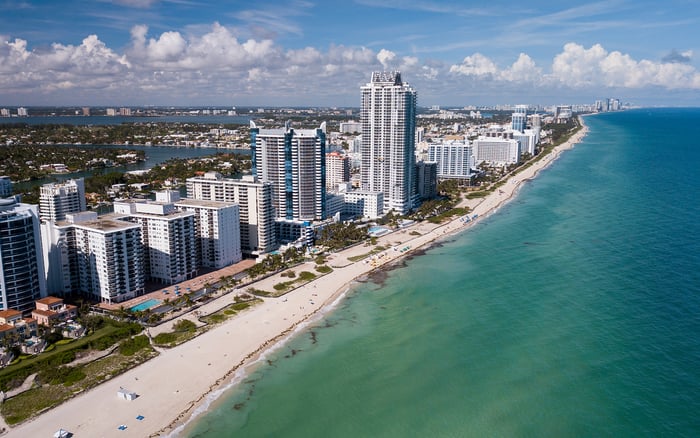
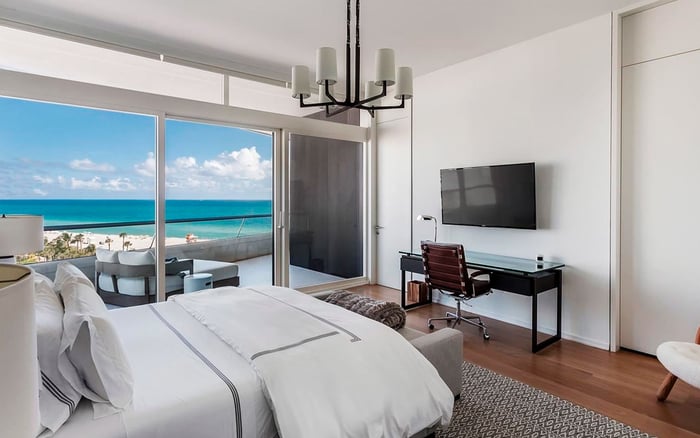
A disciplined shortlist of five Miami Beach residential names, paired with the operational questions seasonal owners should resolve before committing.

For a second-home owner, luxury is measured not only by finishes, views, or a recognizable name, but also by how seamlessly a residence functions after weeks or months away. The essential questions are operational: Who can enter the home in the owner’s absence? How are deliveries managed? What approvals apply to guests, household staff, contractors, and vehicles? What happens when maintenance is required before arrival?
This ranking presents five Miami Beach residential names for a disciplined 2026 shortlist. Because terms can vary by residence and change over time, the order is an editorial starting point-not a substitute for legal and building-level due diligence. Each candidate is paired with the issue most likely to determine whether seasonal ownership truly feels effortless.
Second-home buyers should also distinguish evocative marketing language from verified operating reality. Labels such as Waterfront, Oceanfront, and Move-In Ready may frame a search, but documents, current policies, physical inspections, and written confirmations should guide the decision. Lifestyle appeal matters; predictable execution matters more.
1. Setai Residences Miami Beach - arrival-readiness priority
Place Setai Residences Miami Beach first when the primary objective is a residence that can support a repeatable arrival routine. Before proceeding, request written clarity on owner access, guest procedures, delivery handling, in-residence vendor access, and the steps required to prepare the home after an extended absence.
The decisive test is practical: map the experience from airport arrival through opening the residence, receiving luggage, provisioning the kitchen, and resolving an after-hours issue. Confirm every assumption against current governing documents and policies.
2. Shore Club Private Collections Miami Beach - absence-management priority
Shore Club Private Collections Miami Beach takes the second position for buyers focused on how a residence is managed between visits. Establish who may inspect the home, coordinate repairs, supervise contractors, and communicate an urgent condition while the owner is elsewhere.
Insist on a clear chain of responsibility rather than a general impression of service. Seasonal ease depends on named contacts, defined permission protocols, established response procedures, and the owner’s ability to authorize work remotely.
3. The Ritz-Carlton Residences® Miami Beach - service-scope priority
Third, The Ritz-Carlton Residences® Miami Beach belongs on the shortlist for a precise service-scope review. A brand name should never replace an examination of the services available to a particular owner, the process for requesting them, and any associated charges or limitations.
Buyers should distinguish included building operations from optional, third-party, or separately billed assistance. The useful question is not whether service exists in the abstract, but whether its available scope aligns with the owner’s actual seasonal pattern.
4. The Perigon Miami Beach - ownership-cost priority
The Perigon Miami Beach ranks fourth, with an emphasis on the full cost of keeping a second home ready. Review the purchase structure alongside recurring assessments, insurance obligations, utilities, maintenance planning, furnishing care, and any owner-selected support required during extended absences.
A low-friction residence can still require active financial oversight. Build a conservative annual operating plan, identifying which expenses are fixed, which are usage-based, and which could change as the building or residence matures.
5. Five Park Miami Beach - mobility-and-access priority
Five Park Miami Beach completes the ranking for owners who want to test everyday movement as rigorously as the residence itself. Evaluate arrival routes, vehicle procedures, guest access, delivery timing, and the practical transition between the home and the places the owner expects to visit.
Do not treat beach access or neighborhood convenience as a generic promise. Walk the anticipated routines, test them at relevant times, and verify any access arrangement or operating rule that materially shapes the seasonal experience.
The most efficient comparison begins with a single written use case. Specify the months of expected occupancy, typical arrival notice, number of guests, vehicle needs, pet requirements, household staffing, and delivery frequency. Then ask each candidate to address the same scenario. This produces a more revealing comparison than a collection of unrelated amenity descriptions.
Buyers can begin that focused review with Setai Residences Miami Beach and Shore Club Private Collections Miami Beach, while keeping all service and access assumptions subject to current written confirmation. For a broader contrast, examine The Ritz-Carlton Residences® Miami Beach and The Perigon Miami Beach through the same ownership-use lens.
The comparison should encompass both documents and people. Counsel can review ownership restrictions and governing materials. Insurance, tax, and financial professionals can assess the buyer’s exposure. A physical inspection can identify residence-specific maintenance concerns. Building representatives should confirm current procedures in writing, particularly when an owner expects remote access or recurring third-party support.
Start with the rules. Confirm occupancy procedures, guest registration, leasing restrictions, pet policies, renovation controls, move protocols, and vendor access. A seasonal owner should understand not only what is permitted, but also how much advance notice and documentation each action requires.
Next, test communication. Ask who receives an owner’s request, how after-hours matters are routed, and whether authorization can be completed remotely. Request a sample workflow for a leak, air-conditioning issue, appliance failure, or pre-arrival inspection-without assuming any particular service is offered.
Finally, model the departure. Determine how keys, vehicles, deliveries, furnishings, climate settings, and periodic inspections will be handled after the owner leaves. The best choice is the residence whose verified procedures fit the owner’s habits with the fewest exceptions, workarounds, and informal promises.
What does low-friction seasonal use mean? It means the owner’s recurring arrival, occupancy, maintenance, and departure routines can be completed through clear, verified procedures.
Is the highest-ranked residence automatically the best choice? No. The right choice depends on the buyer’s schedule, household needs, service expectations, and tolerance for administrative steps.
Should branded service be assumed? No. Confirm the exact residential service scope, request process, availability, cost, and limitations in writing.
Which documents deserve close review? Review current governing documents, financial materials, insurance requirements, disclosures, contracts, and policies with qualified advisers.
How should buyers assess guest access? Ask about registration, identification, advance notice, parking, keys, elevators, and any limits that could affect recurring visitors.
What matters during long absences? Clarify inspection permissions, emergency entry, vendor supervision, climate management, deliveries, and the owner-notification process.
Are rental rights part of seasonal-use planning? They can be, but buyers must verify current restrictions, approval procedures, minimum terms, costs, and applicable legal requirements.
How should operating costs be compared? Build an annual budget covering assessments, insurance, taxes, utilities, maintenance, and any separately arranged residence care.
When should a residence be inspected? Inspection timing should be coordinated with qualified advisers and tailored to the property, contract, and transaction structure.
What is the best final test before buying? Simulate a complete arrival and departure, then verify every critical step, contact, permission, and expense in writing.
When you're ready to tour or underwrite the options, connect with MILLION.
If branded residences are on your mind — as a home or as an allocation — we would be glad to share what we are seeing, privately.
Begin a quiet conversation