A practical luxury buyer’s guide to reading the daily culture of a Downtown Miami condominium before committing to full-time life there.

For a full-time buyer in Downtown Miami, the building is not simply a container for a residence. It is the framework of everyday life. The lobby becomes the threshold between the public city and private home. The elevators shape the morning. The pool deck, package room, valet court, pet area, gym, and front desk all reveal whether the property is calibrated for residents, visitors, investors, social energy, privacy, or a blend of all four.
A beautiful unit can be compromised by a culture that does not match the buyer’s rhythm. Conversely, a slightly less dramatic floor plan can become the better home if the building operates with discretion, consistency, and calm. In Downtown, where the skyline includes established condominium towers, branded residences, and new-construction offerings, the most sophisticated purchasers evaluate the building as a living ecosystem before they evaluate the view.
The first question is not whether the building is impressive. It is whether the building supports the life you intend to live there. A buyer who works from home needs a different daily atmosphere than a buyer who travels weekly. A household with children, frequent guests, pets, private staff, or multiple vehicles will experience the property differently from a single executive who values quiet arrivals and minimal interaction.
Before touring, write a concise profile of your actual week. Consider wake times, work patterns, school or office commutes, deliveries, housekeeping, workouts, dog walks, entertaining, late arrivals, and weekend rituals. Then ask whether the building makes those patterns easier or harder. Luxury is not only marble, ceiling height, and water views. It is the absence of friction.
When comparing Downtown and Brickell options such as Aston Martin Residences Downtown Miami or Waldorf Astoria Residences Downtown Miami, the sharper question is not which tower is more recognizable. It is which environment aligns with the way you will actually inhabit Miami five or seven days a week.
A lobby tour is often staged to impress, but full-time life reveals itself in operational details. Watch how staff greet residents. Notice whether the front desk knows names or relies on procedure alone. Observe whether visitors cluster in the lobby, whether delivery traffic is visible, and whether the valet area feels controlled or congested.
The most telling moments are ordinary ones: a resident returning with groceries, a dog owner leaving at dusk, a housekeeper arriving midmorning, a guest waiting for access. If those movements feel orderly, the building likely has a culture of clarity. If they feel improvised, the service experience may depend too much on the mood of the moment.
Buyers should visit more than once, ideally at different times. Morning reveals workday pressure. Late afternoon shows the overlap of school, office, and delivery activity. Evening reveals social energy. A weekend visit shows whether the building becomes a resort, a residence, or something in between.
Building culture is rarely accidental. It is shaped by governing documents, house rules, rental policies, pet policies, guest access, move-in procedures, amenity reservations, noise expectations, and enforcement style. These documents are not administrative clutter. They are a preview of the future.
For full-time life, pay close attention to long-term rentals versus transient use, the level of guest control, and whether common areas are designed for owners or constant turnover. A building can be elegant yet feel temporary if the resident base changes constantly. Another can be active and social while still feeling residential if access, staffing, and expectations are well managed.
Rules also reveal tone. Some properties favor formality. Others are relaxed. Neither is inherently better. The issue is fit. A buyer who wants quiet discretion may not enjoy a lobby that functions like a social club. A buyer who wants energy may find a reserved building too still.
Amenities matter, but their culture matters more. A pool can be a tranquil extension of the home, a weekend gathering place, or a constantly reserved social stage. A fitness center can feel private at dawn and crowded after office hours. A lounge can support civilized entertaining or become a substitute for in-unit space.
Ask how amenities are reserved, how many guests are permitted, whether events are common, and how conflicts are handled. Look at the physical condition of shared spaces. Not perfection, but care. Scratched furniture, overflowing bins, abandoned towels, or unclear signage can indicate how residents treat the building and how management responds.
In Brickell, buyers weighing residences such as 2200 Brickell or The Residences at 1428 Brickell should focus on daily usability as much as design. The best amenity is the one you will comfortably use, not simply photograph.
Full-time buyers should be exacting about privacy. Walk the corridor. Stand near the elevator bank. Listen from inside the residence at different times if possible. Notice whether unit entries feel exposed or discreet. Ask how deliveries reach residences, how service providers are managed, and how guest access is verified.
Elevators deserve special scrutiny. In a high-rise lifestyle, vertical movement is part of the home. Ask about service elevator protocols, peak-hour patterns, move-in restrictions, and how the building handles maintenance interruptions. A spectacular balcony loses some of its appeal if every departure feels unpredictable.
Acoustics also shape culture. Some buyers want the energy of the urban core. Others want the skyline without the soundtrack. Neither preference is wrong, but it must be tested rather than assumed.
A building’s board, management, and ownership mix influence daily life. Review meeting minutes, budgets, reserves, insurance posture, planned improvements, and recent assessments with qualified counsel and advisors. You are not only buying a residence. You are joining a shared financial and operational community.
Resale buyers should be especially attentive to deferred maintenance, recurring disputes, and how consistently rules are enforced. Newer buildings require a different lens, including turnover from developer control, early operating budgets, and the way initial service standards are expected to mature over time.
A refined building culture usually has visible discipline: clean service corridors, consistent staff communication, orderly move procedures, predictable amenity management, and residents who appear to understand the expectations of the property.
The most successful Downtown Miami purchase is not always the most dramatic. It is the one that makes ordinary days feel composed. A building that suits full-time life should support privacy without isolation, service without performance, energy without disorder, and convenience without constant compromise.
Before making an offer, return to the property as if you already live there. Arrive with groceries. Walk the dog route if you have one. Time the elevator. Sit in the lobby without being entertained. Look at the garage, the mail area, the package room, the gym, the pool, and the quiet corners. The right building will not only impress you. It will make your life feel more natural.
Why is building culture important for a full-time Downtown Miami buyer? Because daily life depends on staffing, rules, resident behavior, privacy, and how shared spaces function beyond the sales presentation.
How many times should I visit a building before purchasing? Visit more than once and at different times, including morning, evening, and weekend periods when resident patterns change.
What documents should I review before buying? Review governing documents, house rules, budgets, meeting minutes, rental policies, pet policies, and amenity rules with proper advisors.
Should I prioritize amenities or resident atmosphere? Amenities matter, but atmosphere determines whether those amenities feel comfortable and usable in full-time life.
How can I tell if a building is investor-heavy? Look for rental policies, guest patterns, lobby turnover, delivery activity, and the consistency of resident presence in common areas.
Are branded residences automatically better for full-time living? Not automatically. Brand can influence service expectations, but the real test is daily operations, rules, staffing, and resident fit.
What should pet owners evaluate? Pet owners should study access routes, elevator etiquette, outdoor routines, cleaning standards, and the building’s enforcement style.
Why do elevators matter so much in a high-rise? Elevators shape every departure, arrival, delivery, move, and service visit, making reliability essential to daily comfort.
Is a quieter building always better? Not necessarily. The right choice depends on whether you prefer discretion, social energy, resort-style activity, or a balanced culture.
What is the best way to shortlist comparable options for touring? Start with location fit, delivery status, and daily lifestyle priorities, then compare stacks and elevations to validate views and privacy.
For a confidential assessment and a building-by-building shortlist, connect with MILLION.
If branded residences are on your mind — as a home or as an allocation — we would be glad to share what we are seeing, privately.
Begin a quiet conversation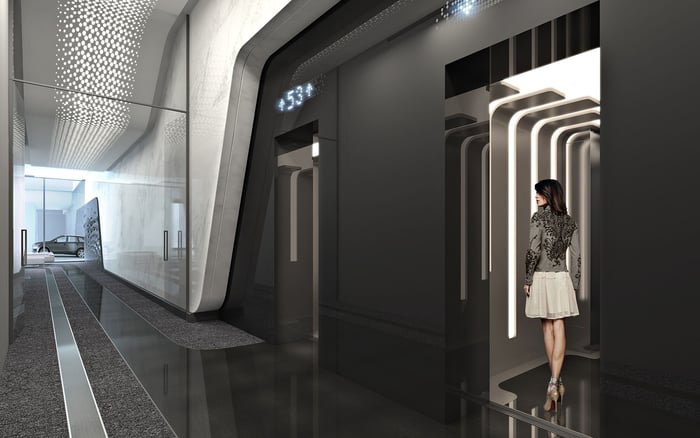
.jpg&width=700&height=438&fit=cover)