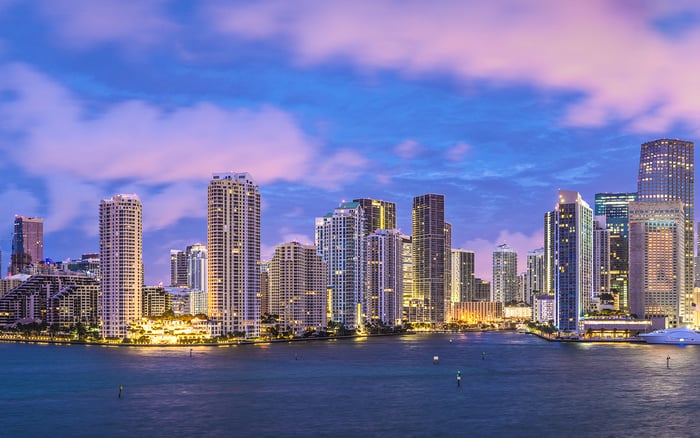
A buyer-focused look at how Miami Open week can sharpen priorities for Downtown Miami luxury residences, from arrival privacy and wellness to terraces, service, storage, and access to Brickell and Edgewater.
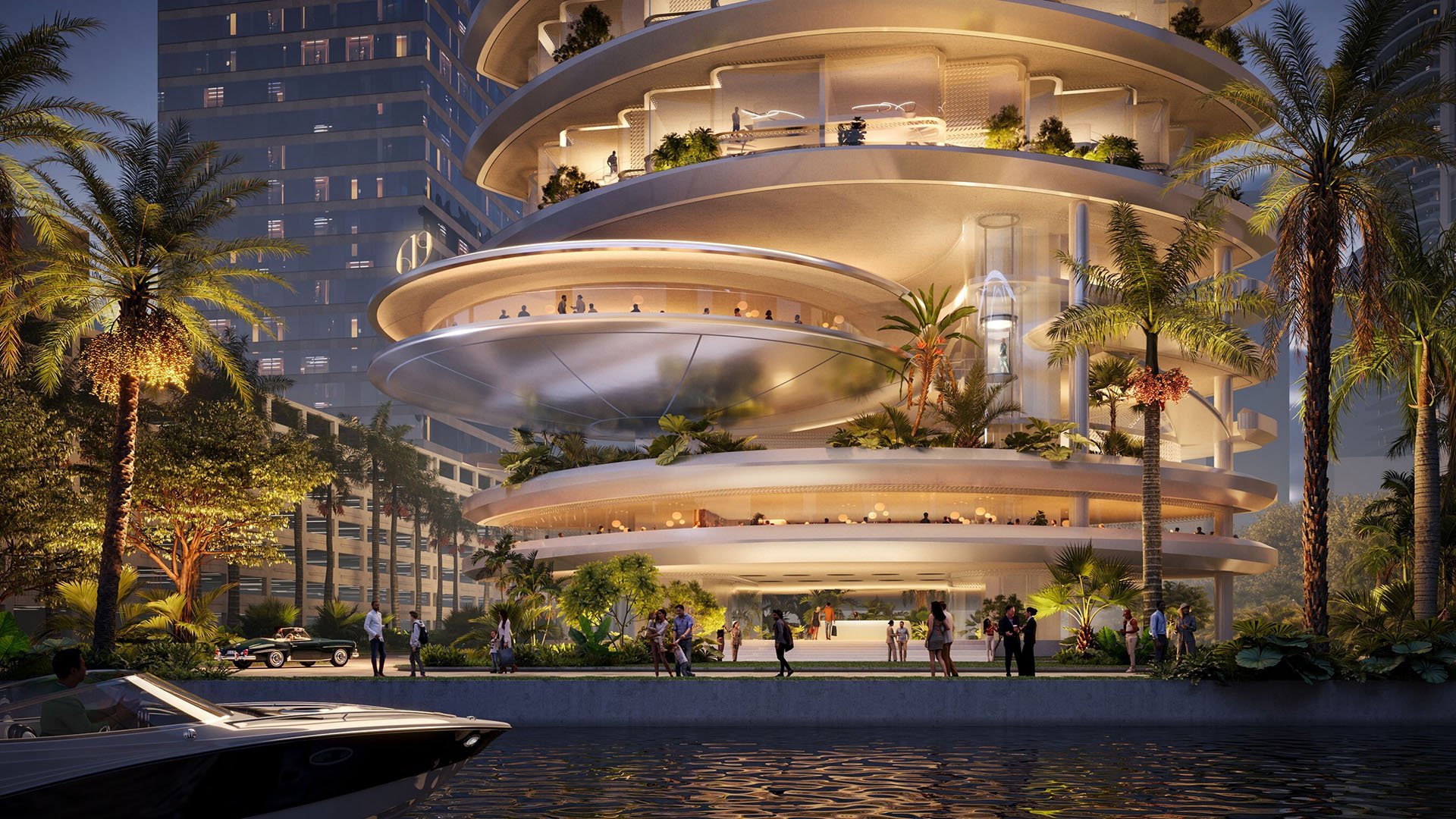
The Miami Open is more than a sporting fixture for luxury-home buyers. It is a practical stress test for how a residence performs when Miami is at its most social, mobile, and hospitality driven. For owners moving between tennis, private dinners, work obligations, waterfront afternoons, and late returns home, the best address is not simply the most dramatic. It is the one that makes a demanding week feel composed.
That is why the conversation around Downtown Miami luxury is becoming both more practical and more refined. Views still matter. Architecture still matters. But the lived experience during a high-profile event week can clarify priorities that are easy to miss in a polished sales presentation: discreet arrival, elevator efficiency, guest flow, wellness recovery, flexible entertaining, secure storage, and the ability to retreat quickly from the city’s tempo.
Downtown has a particular advantage in this conversation. It gives buyers a central base with access to business, culture, dining, the waterfront, and nearby Brickell, while still offering the vertical privacy associated with trophy condominium living. During Miami Open week, that balance becomes especially valuable.
Luxury buyers often speak about location in broad terms, but event-season living makes the details more specific. How does a car arrive? Is there a clear separation between residents, guests, deliveries, and service providers? Can a host receive friends without turning the private residence into an extension of the lobby? These questions shape daily comfort.
In Downtown, towers with carefully managed arrival sequences may feel more desirable to owners who entertain during major weeks. A residence such as Aston Martin Residences Downtown Miami speaks directly to buyers who see the home as both a private retreat and an urban launch point. The brand association matters less than the operational idea behind it: a polished building should help residents move with minimal friction.
This is where parking, valet protocol, elevator banks, package handling, and concierge judgment become luxury features. They are not decorative amenities. They are the invisible infrastructure that protects a resident’s time and privacy.
A tennis-centered week highlights the importance of recovery, routine, and physical maintenance. Even for owners who are spectators rather than players, the rhythm of Miami Open week can be intense. Long days, warm weather, social commitments, and cross-city movement all make wellness spaces more relevant.
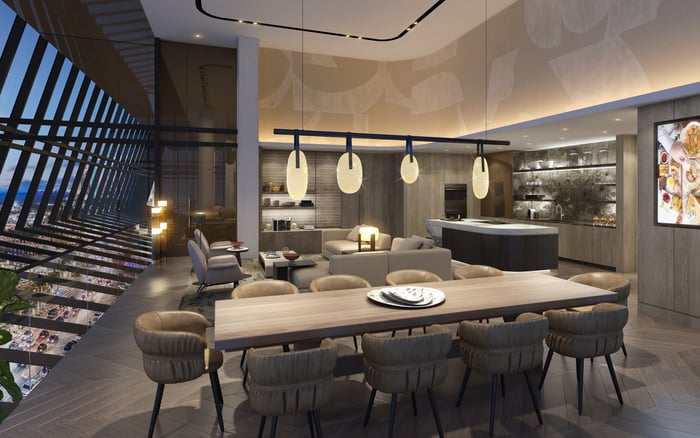
The most attractive Downtown residences are likely to be those that allow a buyer to reset without leaving the building. A serious gym, spa-caliber recovery areas, a pool that feels private rather than performative, and calm lounge environments can extend the value of the home beyond its floor plan. For many ultra-premium buyers, wellness is not a bonus. It is part of the operating system of modern ownership.
This is also where floor-plan flexibility matters. A den that can function as a massage room, meditation space, trainer’s area, or quiet office may hold more practical value than a purely formal room. Event weeks reveal whether a home supports the owner’s real life, not just the owner’s image.
Miami’s luxury market has long prized the outdoor room, but Miami Open week makes the terrace more strategic. A well-proportioned outdoor space allows owners to host before or after matches, offer a quiet cocktail setting, or create a private alternative to the city’s busier venues. The key is control: sound, circulation, shade, seating, and the relationship between indoor and outdoor rooms.
Downtown buyers may increasingly evaluate terraces not only for size, but for usability. Can guests circulate naturally? Is there space for a seated meal rather than only a photo moment? Does the view feel cinematic in the evening? Does the plan allow staff or catering support to move discreetly?
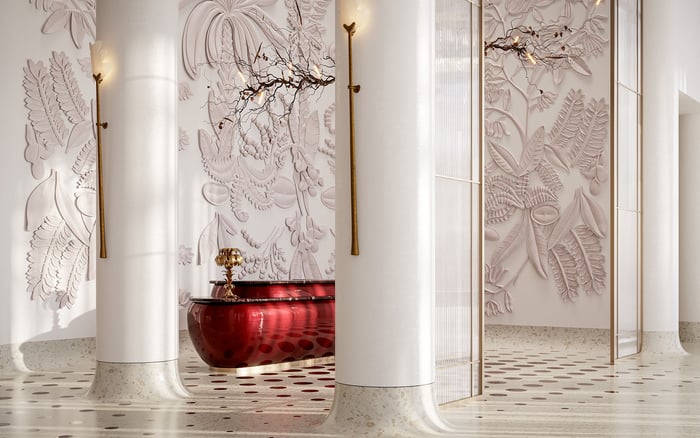
For buyers drawn to design-led Downtown living, Casa Bella by B&B Italia Downtown Miami offers a useful lens through which to consider this shift. The question is not simply whether a building is beautiful. It is whether the residence can convert beauty into hospitality without sacrificing privacy.
Many Miami Open visitors and residents live a split life during major events: sport by day, business by morning, dining by evening, and private entertaining at night. That pattern makes Brickell especially relevant to Downtown buyers. The ability to move between Downtown and Brickell can support both the social and professional sides of ownership.
This is why projects such as 2200 Brickell and Baccarat Residences Brickell remain part of the same buyer conversation, even when the search begins in Downtown. Brickell offers a different urban texture, with a strong emphasis on financial, dining, and hospitality convenience. For some owners, that adjacency is essential. For others, Downtown provides the better balance of skyline, water, and cultural proximity.
The Miami Open effect is not about choosing one district over another. It is about recognizing how a week of movement exposes a buyer’s true tolerance for distance, traffic, arrival friction, and social density.
Edgewater also enters the discussion because it offers a softer residential rhythm near Downtown. Buyers who want proximity without the same level of urban compression may find that Edgewater provides a compelling counterpoint. During major event weeks, that difference can feel meaningful.
The choice between Downtown and Edgewater often comes down to temperament. Downtown suits owners who want vertical energy and immediate urban presence. Edgewater can appeal to those who prefer a more residential waterfront mood while staying close to the core. Neither is inherently superior. The better fit depends on how a buyer lives during the busiest weeks of the year.
For a Downtown-focused buyer, this comparison is useful because it sharpens priorities. If the appeal is energy, skyline, and a strong arrival statement, Downtown remains persuasive. If the priority is softer daily cadence, broader water views, and a calmer return home, Edgewater deserves consideration.
Miami Open week can turn abstract luxury into a clear checklist. The first item is arrival privacy. The second is time efficiency. The third is wellness. The fourth is hosting capacity. The fifth is retreat. A residence that performs across all five is more likely to feel valuable year after year.
Storage is part of that equation. Owners who travel frequently or host guests may need space for sports gear, luggage, seasonal wardrobes, wine, and entertaining pieces. Staff access also matters, even for owners who do not maintain full-time household teams. The smoother the service layer, the more effortless the residence feels.
Technology should be judged with the same discipline. Buyers should look for systems that simplify lighting, climate, security, shades, and audio without overcomplicating daily use. Event weeks are not the time to discover that a residence is visually impressive but operationally fussy.
The appeal of branded residences and highly serviced towers often becomes clearer during weeks like the Miami Open. Owners may value consistency, hospitality language, and a staff culture that understands discretion. In this sense, Waldorf Astoria Residences Downtown Miami fits into a larger shift toward residential buildings that operate with hotel-level sensibility while preserving the autonomy of private ownership.
Still, branding alone is not enough. The most sophisticated buyers will look past the name and ask practical questions. How intuitive is the service? How private is the residential experience? Are amenity spaces scaled for real use? Does the building feel calm when the city is not?
Miami Open week rewards residences that can absorb intensity without broadcasting it. That may be the ultimate luxury in Downtown Miami: not being removed from the city, but being insulated from its inefficiencies.
Why does Miami Open week matter to Downtown Miami buyers? It shows how a residence performs during a busy social and sporting period, especially around arrival, privacy, wellness, and entertaining.
Is Downtown Miami a practical base for event-season living? Yes, for buyers who value centrality, skyline living, waterfront proximity, and access to nearby business, dining, and cultural districts.
Should buyers prioritize views or service? The strongest residences offer both, but service often determines how comfortably the home functions during demanding weeks.
How important is a private arrival sequence? It can be essential for owners who host guests, use drivers, travel frequently, or prefer a discreet daily routine.
Do terraces add meaningful value during Miami Open week? A usable terrace can support private entertaining, quiet recovery, and an elegant alternative to crowded social venues.
Why is Brickell relevant to a Downtown search? Brickell adds business, dining, and hospitality convenience, making it an important comparison point for Downtown buyers.
How does Edgewater compare with Downtown? Edgewater may feel calmer and more residential, while Downtown offers stronger urban energy and a more central skyline presence.
What wellness features should buyers study closely? Buyers should assess the gym, spa areas, pool environment, recovery spaces, and whether the residence supports private routines.
Are branded residences always better for event-season living? Not automatically. The true test is whether the building delivers privacy, service consistency, and ease of daily use.
What is the main takeaway for luxury buyers? Miami Open week can reveal whether a home is merely impressive or genuinely effortless to live in.
When you're ready to tour or underwrite the options, connect with MILLION.
If branded residences are on your mind — as a home or as an allocation — we would be glad to share what we are seeing, privately.
Begin a quiet conversation