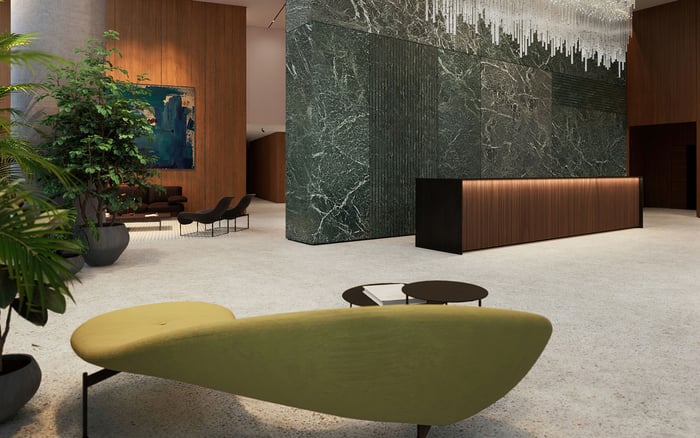
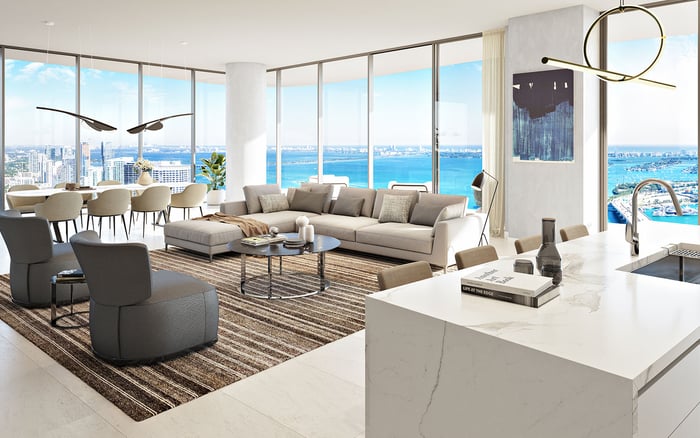
A discreet guide to selecting Miami Design District luxury residences and nearby branded alternatives with service, privacy, and daily ownership in mind.
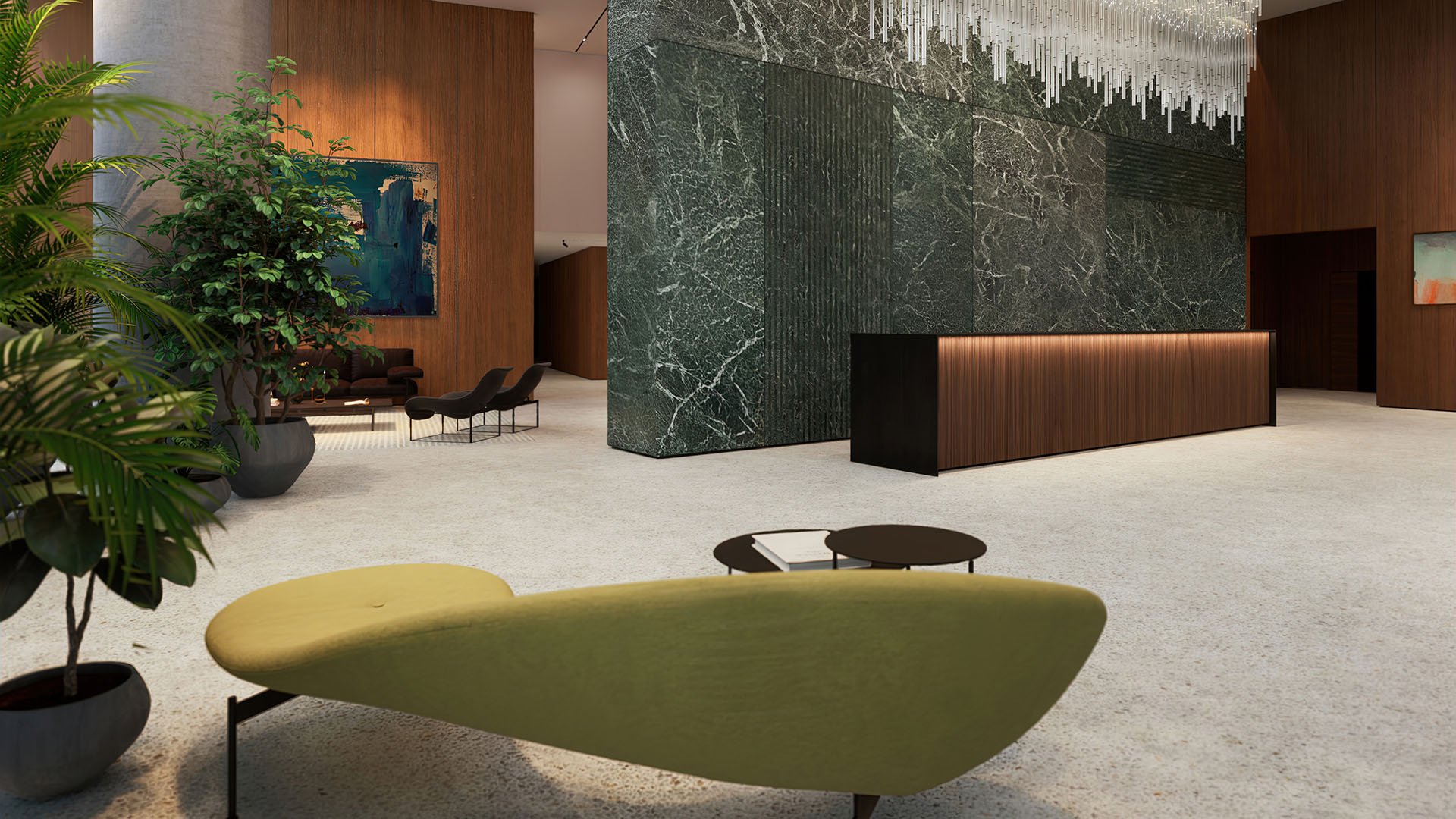
For the buyer considering a residence near the Miami Design District, the question is rarely architecture alone. The more discerning brief is whether the building can support a life already organized around privacy, response time, discretion, and ease. Branded service can help answer that question, but only when the brand promise is reinforced by the condominium structure, staffing model, and operating culture.
The Design District appeals to buyers who value proximity to fashion, collectible design, art, dining, and a more curated urban rhythm. Yet the residential decision often extends beyond a single neighborhood boundary. A buyer may begin with the Design District, then compare Midtown, Edgewater, Downtown, and Brickell if a nearby building offers a stronger service proposition. The best choice is not necessarily the most visible name. It is the residence where the brand, the staff, and the ownership documents align with how the buyer actually lives.
Within the immediate Design District conversation, Kempinski Residences Miami Design District is the natural starting point for buyers who want a hospitality reference embedded in the residential identity. For many international and bicoastal buyers, the appeal of a branded residence is psychological as much as practical. The name suggests standards, consistency, and a familiar service language.
That does not mean a buyer should stop at the name. The essential review is more granular: who manages arrivals, how requests are handled, which services are included, which services are à la carte, and how privacy is protected during daily use. A branded residence should feel composed when the owner is away, when guests arrive, and when household staff need access. The Design District buyer often values design credibility, but the lasting luxury is operational calm.
For buyers who want adjacency with a design-forward residential sensibility, Miami Design Residences Midtown Miami can belong in the same conversation. Midtown can work for owners who want to remain close to the Design District lifestyle while evaluating a different residential atmosphere. The important point is not to treat adjacency as a compromise. If the building’s service plan, access, parking, and private spaces fit the owner’s routine, the address may serve the lifestyle very well.
A Design District buyer who prioritizes branded service may also look south to Brickell. Brickell is a different proposition: more financial district, more vertical, more formal in daily tone. For certain buyers, that is precisely the attraction. It can suit those who want a residence that supports business, travel, entertaining, and concierge-style living with a metropolitan cadence.
888 Brickell by Dolce & Gabbana is especially relevant for buyers who view fashion, identity, and service as part of the same residential narrative. The Dolce & Gabbana association speaks to a highly styled point of view, which can appeal to owners who want their building to feel intentional from arrival through private entertaining.
The Brickell buyer should still separate brand theater from practical service. A beautiful lobby is not the same as a well-run building. The correct due diligence includes rules for guests, reservation protocols, valet standards, package handling, staff training, and the long-term cost of maintaining the service level. In Brickell, where many buildings compete for attention, restraint and execution matter more than spectacle.
Downtown can be compelling for buyers who want cultural access, city views, and a broader urban frame while remaining connected to Miami’s design and business corridors. A buyer starting in the Design District may find Downtown useful when the desired residence blends interior identity with a more central Miami location.
For design-led buyers, Casa Bella by B&B Italia Downtown Miami is a relevant comparison because the residential concept is tied to a globally recognized design house. That type of association can matter to an owner who sees the home as part private retreat, part collection, and part statement of taste. The service question remains central: does the building support the lifestyle without requiring the owner to manage the building?
The Downtown buyer should also think carefully about arrival sequence. The best branded buildings make the transition from street to residence feel effortless. Valet, lobby presence, elevator privacy, package flow, and amenity access are not secondary details. They define how luxurious the home feels on a Tuesday morning, not just during a sales presentation.
Some buyers begin with the Design District for its design culture, then discover they also want water, resort-style calm, or a more complete hospitality ecosystem. In that case, the search may expand to nearby waterfront or island-connected settings that offer a different emotional register.
The Residences at Mandarin Oriental, Miami belongs in that broader branded-service conversation for buyers who associate luxury with quiet precision rather than overt display. It may appeal to owners who want a more serene service language while staying connected to the city. For these buyers, the brand is valuable only if it translates into daily consistency: greeting, security, maintenance coordination, dining access, wellness support, and the feeling that the residence is cared for even when unoccupied.
This is where the new-construction decision becomes highly personal. Some buyers want the newest systems, fresh amenity programming, and contemporary layouts. Others prefer a completed building where the service culture can be experienced before closing. Neither approach is universally superior. The better fit depends on timing, risk tolerance, and how much the buyer wants to shape the earliest years of a building’s culture.
Branded residences are often marketed through atmosphere, but serious buyers should review substance. The first question is governance. A building can be elegant and still have rules that do not suit the owner’s expectations. Guest policies, leasing limitations, pet rules, amenity reservations, staffing responsibilities, and association budgets all shape the ownership experience.
The second question is service depth. Concierge is a broad term, and execution varies. Buyers should ask what is available in-house, what is coordinated through preferred vendors, and what requires separate billing. A service-forward residence should make complexity disappear, not simply pass tasks to the owner under a polished label.
The third question is privacy. Many luxury buyers want service, but not visibility. The ideal building understands that discretion is its own amenity. Private arrival, controlled access, staff professionalism, and careful communication protocols can matter as much as a pool, spa, or lounge.
Finally, buyers should evaluate the neighborhood rhythm. The Design District and its surrounding areas reward people who enjoy curated urban living. Brickell and Downtown offer different forms of convenience and intensity. The best residence is the one whose service model matches the owner’s preferred pace.
Is the Miami Design District a good fit for branded service buyers? Yes. It suits buyers who value design culture, privacy, and a curated urban lifestyle, especially when the building’s service model supports daily ease.
Should I only consider residences inside the Design District? Not necessarily. Nearby Midtown, Brickell, Downtown, and waterfront options may offer a stronger service fit while keeping the Design District within reach.
What makes a branded residence valuable? The value is strongest when the brand is supported by consistent staffing, clear service standards, thoughtful design, and disciplined building operations.
Is Brickell too different from the Design District? Brickell has a more metropolitan and business-oriented rhythm, but it can be ideal for buyers who want branded service with city energy.
How should I compare Downtown with the Design District? Downtown may offer a broader urban setting, while the Design District feels more curated around fashion, design, and lifestyle.
Does a famous brand guarantee better service? No. The brand is only one signal; buyers should review staffing, management, rules, included services, and operating budgets.
Are new-construction residences better for branded service? New-construction can offer modern systems and fresh programming, but buyers should understand the delivery timeline and early operating period.
What documents matter most before purchasing? Condominium documents, budgets, rules, service descriptions, management agreements, and reservation policies all deserve careful review.
Is boutique scale better for privacy? Boutique buildings can feel more private, but execution matters more than size. Access control and staff culture are essential.
What is the best way to shortlist comparable options for touring? Start with location fit, delivery status, and daily lifestyle priorities, then compare stacks and elevations to validate views and privacy.
For a tailored shortlist and next-step guidance, connect with MILLION.
If branded residences are on your mind — as a home or as an allocation — we would be glad to share what we are seeing, privately.
Begin a quiet conversation