
A buyer-focused guide to reading South Florida buildings as living cultures, not just addresses, for New Yorkers and other full-time residents weighing privacy, service, wellness, walkability, and long-term daily rhythm.
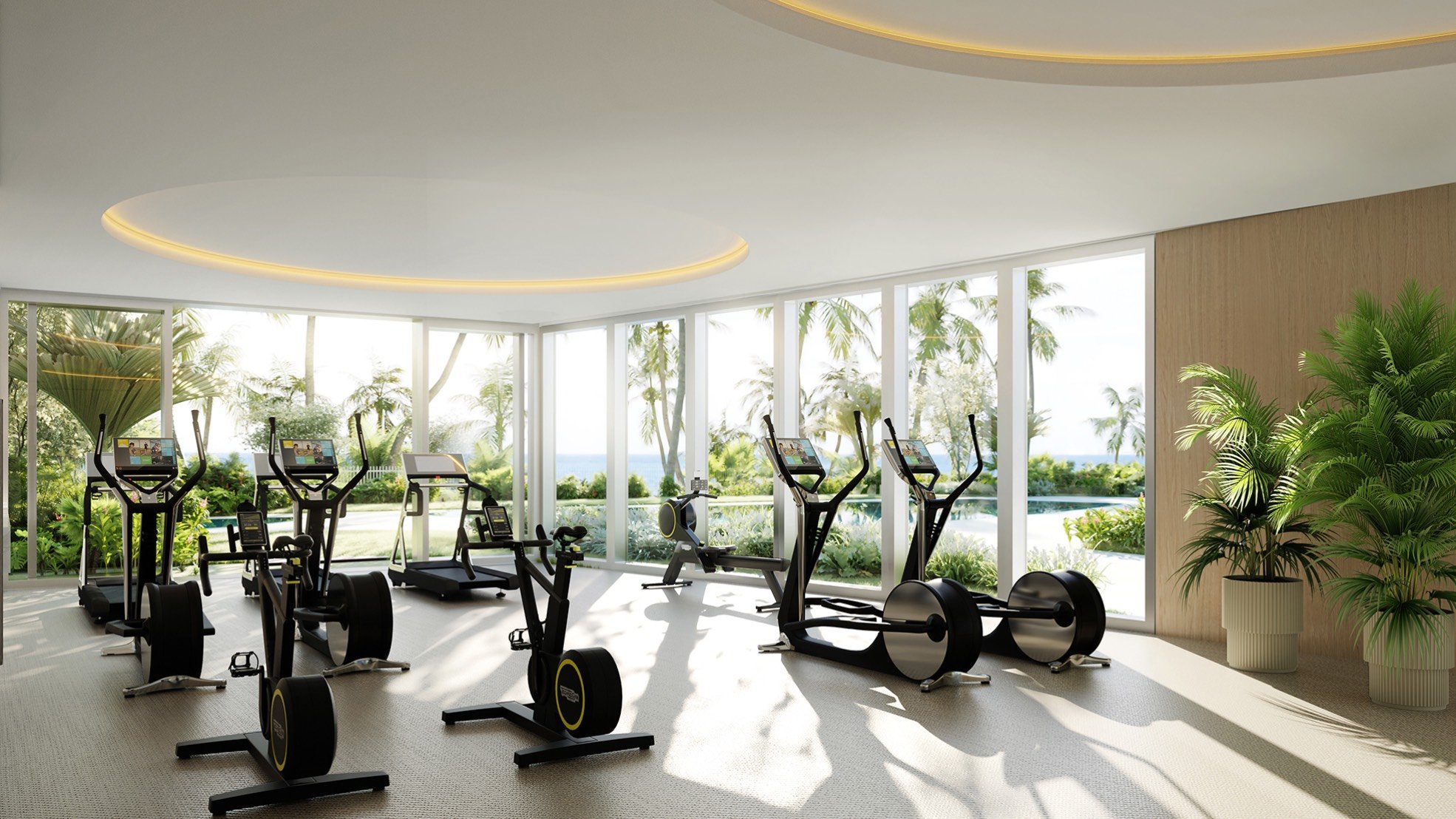
For many New Yorkers arriving in South Florida, the first instinct is to compare neighborhoods: Brooklyn to Bal Harbour, Tribeca to Brickell, the Upper East Side to Palm Beach, Park Slope to Coconut Grove. That is a useful starting point, but it is not the most important frame for a full-time move. The more revealing question is quieter: what kind of building culture do you want to live inside every day?
A residence is not just an address, a view corridor, or a list of amenities. It is a private social system. It has a rhythm at the valet stand, a tone at the front desk, an unspoken etiquette in the elevator, and a tolerance for guests, dogs, children, fitness routines, deliveries, dinner parties, and discretion. For a second-home buyer, some of that may remain in the background. For a full-time resident, it becomes the texture of life.
The best South Florida purchase is therefore not simply the most dramatic apartment. It is the home where the building’s daily habits match your own.
In Brooklyn, the front stoop, lobby, or brownstone entry often says everything before the apartment door opens. South Florida is no different, though the language is more vertical and service-driven. A full-time buyer should study the arrival experience as closely as the kitchen.
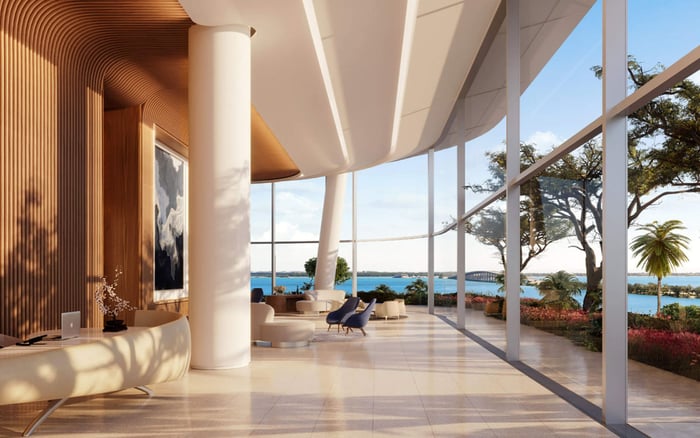
Ask how the building receives you on a Tuesday morning, not only during a sunset showing. Is the lobby ceremonial or residential? Does the staff feel formal, familiar, or invisible? Is the arrival designed for valet convenience, private drop-off, pedestrian use, or a mix of all three? Does the building welcome social motion, or does it protect stillness?
In Brickell, a building such as 2200 Brickell naturally speaks to buyers who want proximity to the city’s business and dining energy while still expecting a composed residential base. The question is not whether that energy is good or bad. The question is whether you want it built into your everyday operating system.
South Florida luxury ranges from highly social towers to private enclaves where residents value near-anonymity. Buyers moving from Brooklyn often understand this instinctively. Some prefer the buzz of a building where neighbors recognize one another and amenities function as informal clubs. Others want a home that allows them to disappear.
Bal Harbour represents one end of that spectrum for many buyers: polished, coastal, controlled, and intentionally discreet. A residence such as Rivage Bal Harbour belongs in the conversation when the priority is a more rarefied oceanfront posture and a quieter interpretation of luxury. The appeal is not simply water. It is a culture of privacy, order, and restraint.
That distinction matters. A buyer who enjoys spontaneous lobby encounters, active shared spaces, and frequent guest traffic may feel under-stimulated in a building designed around calm. A buyer who values discretion may find a more social tower exhausting, even if the residence itself is exceptional.
Amenities are often presented as abundance, but full-time residents should read them as routines. A gym is not an amenity if you never use it. A club room is not an asset if your entertaining style is private. A pool deck can feel restorative or overexposed depending on the building’s culture.
Before buying, map a normal week. Where do you work out? Do you take meetings at home? Do you host family for extended stays? Is your dog part of every morning? Do you cook, order in, or dine out most nights? Do you want children to have a visible presence in the building, or do you prefer an adult, hotel-like tone?
The strongest full-time buildings make ordinary life easier without making it feel managed. The best amenities reduce friction: simple arrivals, thoughtful storage, calm package handling, usable outdoor space, reliable service, and common areas that feel natural rather than staged.
A building’s culture does not stop at the property line. Brickell, Bal Harbour, Coconut Grove, Miami Beach, and Bay Harbor Islands each create a different daily script.
Brickell can suit residents who want density, convenience, and a more urban day. Coconut Grove tends to appeal to buyers who prefer shade, intimacy, gardens, and a softer village rhythm. At The Well Coconut Grove, the name itself signals a wellness-oriented sensibility, but the broader point is lifestyle fit: the Grove often attracts buyers who want their South Florida life to feel residential first.
Miami Beach can be glamorous, architectural, and highly experiential, with each pocket carrying its own tone. The Perigon Miami Beach may enter the conversation for buyers who want the beach to be central to the identity of home, not merely a weekend destination.
Bay Harbor Islands can feel more intimate and residential, especially for buyers who want proximity to Bal Harbour without necessarily choosing the same scale or posture. Alana Bay Harbor Islands fits naturally into a Bay Harbor Islands discussion for those considering a quieter island setting.
A polished showing can obscure the real personality of a building. Full-time buyers should visit at different hours whenever possible: early morning, school-run time, late afternoon, weekend pool hours, and evening arrivals. The same lobby can feel serene at noon and congested at six.
Watch how residents interact with staff. Notice whether service feels warm or transactional. Listen for sound in corridors and amenity spaces. Observe the valet rhythm. Consider how easy it would be to receive groceries, host relatives, walk a dog, take a private call, or return from dinner without feeling on display.
This is where New York instincts are valuable. Brooklyn buyers are often skilled at reading micro-cultures: the block, the co-op board, the building hallway, the cafe where everyone knows everyone. Bring that same intelligence south. The finishes may be brighter and the views wider, but the subtle social cues still matter.
South Florida excels at resort language, but full-time life requires more than resort atmosphere. A hotel-like environment can be thrilling if you want daily service, energy, and polish. It can also feel impersonal if you want rootedness.
Residential culture is measured by continuity. Are the staff familiar with residents? Are common spaces used naturally? Does the building support everyday rituals, or does it feel like a stage set for occasional arrivals? Is the pool deck a club, a sanctuary, or a scene? Is the lobby a living room or a runway?
There is no universal answer. The buyer who travels frequently may prize lock-and-leave service above all else. The buyer relocating with family may care more about storage, schools, pet flow, and weekend routines. The buyer leaving a townhouse may need terrace depth, greenery, and privacy to replace the emotional function of a backyard.
Even when buying for personal use, culture has long-term importance. Buildings with clear identities are easier to understand. A discreet oceanfront address, a wellness-oriented Grove residence, a city-centered Brickell building, or an intimate island property each attracts a different future buyer.
The risk is not choosing a distinct culture. The risk is choosing one that does not match the way you actually live. Full-time owners tend to be less forgiving than seasonal users because small daily frictions compound: elevator waits, guest procedures, dog logistics, noise patterns, delivery flow, and amenity crowding.
A beautiful residence can lose its charm if the building’s habits work against yours. Conversely, a well-matched building can make a move feel effortless before the furniture is even placed.
The right South Florida home should pass three tests. First, it should fit your private rituals: waking, working, exercising, hosting, and retreating. Second, it should fit your social appetite: visible, neighborly, discreet, or nearly invisible. Third, it should fit your neighborhood rhythm: urban, coastal, village-like, island-like, or resort-adjacent.
Lifestyle is not a decorative category. It is the operating logic of the purchase. A Brooklyn buyer may come south for light, space, and water, but lasting satisfaction comes from alignment. Choose the building whose culture feels like the life you intended to build, not simply the image you came to admire.
What does building culture mean in South Florida real estate? It means the everyday tone of a residence, including service style, privacy, guest flow, amenity use, pet norms, and social rhythm.
Should I choose the neighborhood or the building first? Start with the neighborhood shortlist, then let building culture decide the final fit. Full-time life is shaped heavily by daily operations.
Is Bal Harbour best for buyers seeking privacy? Bal Harbour is often associated with a polished and discreet coastal lifestyle. Buyers should still evaluate each building individually.
How is Brickell different for full-time residents? Brickell generally suits buyers who want an urban rhythm close to dining, work, and city energy. The right building can soften that intensity.
Why do Brooklyn buyers often like Coconut Grove? Coconut Grove can appeal to buyers who value mature landscaping, walkable pockets, and a more residential pace. It offers a gentler counterpoint to denser districts.
Are amenities more important for full-time buyers? Yes, but only when they support real habits. Practical service, storage, wellness spaces, and easy arrivals often matter more than showpiece rooms.
How can I evaluate privacy before buying? Visit at multiple times, observe lobby traffic, and ask how guests, deliveries, and amenity access are handled. Privacy is often operational, not just architectural.
Should pet owners prioritize certain buildings? Pet owners should study elevator flow, nearby walking routes, house rules, and staff comfort with animals. Small conveniences become daily essentials.
Can a resort-style building work for full-time living? It can, especially for buyers who value service and energy. The key is making sure the atmosphere feels sustainable Monday through Friday.
What is the biggest mistake relocating buyers make? They overvalue the view and undervalue the building’s daily rhythm. The best home should feel aligned long after the first impression fades.
For a confidential assessment and a building-by-building shortlist, connect with MILLION.
If branded residences are on your mind — as a home or as an allocation — we would be glad to share what we are seeing, privately.
Begin a quiet conversation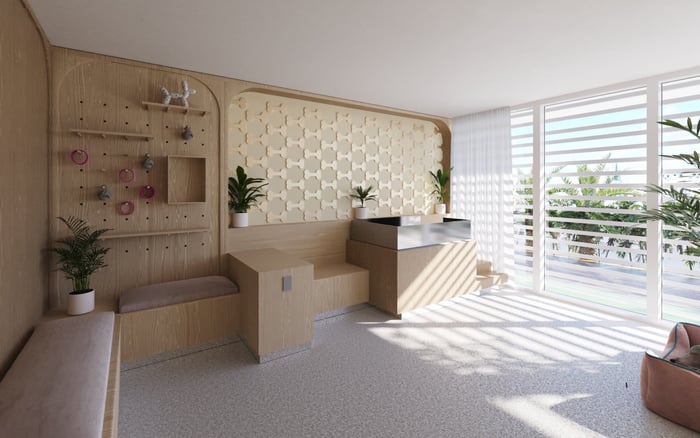
.jpg&width=700&height=438&fit=cover)