A discreet buyer’s guide for Toronto owners choosing a South Florida second home by lifestyle rhythm, service expectations, access, privacy, and lock-and-leave ease.
For a Toronto buyer considering Miami Beach or the wider South Florida coast, the first question is not square footage, view, or even neighborhood. It is rhythm. A polished second-home life depends on how often you arrive, how long you stay, who travels with you, and what must feel effortless when you are not in residence.
Some owners want a winter base that feels settled by the first evening. Others prefer a long-weekend pied-à-terre with hotel-caliber service and minimal domestic friction. A third group is planning for gradual migration, with a residence that can flex from seasonal escape to more permanent household. Each pattern points to a different kind of home.
The strongest searches begin with a calendar rather than a wish list. Map the months you expect to be in South Florida, the guests who will join you, the work calls you must take privately, and the level of staff support you expect. Then consider the quieter details: closet capacity for duplicate wardrobes, secure parking, pet routines, package handling, housekeeping access, and how easily the home can be closed after each stay.
Toronto owners often underestimate the importance of arrival. A beautiful residence can feel wrong if the first hour is complicated. Consider whether you prefer a direct drive to a beachfront tower, a city arrival close to dining and meetings, or a lower-key residential environment where the car disappears once you are home.
Miami Beach remains the emotional reference point for many Canadian buyers because it delivers the clearest vacation signal. The appeal is immediate: water, architecture, dining, wellness, and a social tempo that can be either visible or discreet. Yet Miami Beach is not one lifestyle. South of Fifth, central beachfront corridors, and more residential northern pockets each create a distinct version of ease.
Brickell is more urban. It suits buyers who want a South Florida residence that behaves like a sophisticated city apartment, with restaurants, offices, water views, and vertical living close at hand. Coconut Grove offers a softer cadence, often preferred by buyers who value shade, village-like dining, and a residential feel. Sunny Isles Beach speaks to those who want a high-rise oceanfront experience with privacy and generous amenity programming. Bal Harbour suggests a more curated, reserved rhythm centered on quiet luxury.
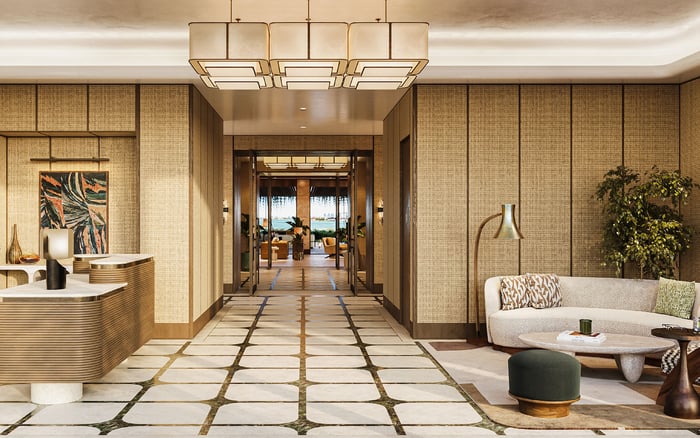
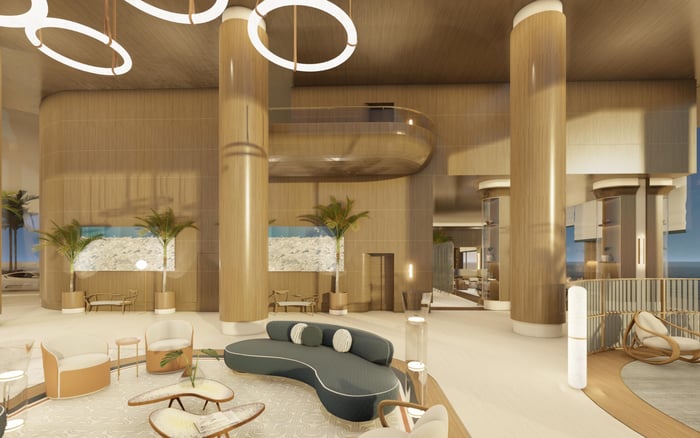
For buyers who want the classic South Florida mood without surrendering refinement, Miami Beach works best when the building is chosen with discipline. The right address should feel composed on a Monday morning, not only glamorous on a Saturday evening. Consider elevator privacy, beach access, valet flow, fitness areas, wellness programming, and whether the lobby has the discretion you expect when arriving after a late flight.
A residence such as The Perigon Miami Beach fits the conversation for buyers focused on a modern beachfront setting and a more cultivated ownership experience. Nearby, The Ritz-Carlton Residences® Miami Beach may appeal to those who prioritize a recognized service language and the comfort of a branded residential environment.
The key is to resist buying the postcard alone. A second home should be as graceful on departure day as it is on arrival day. If every visit requires too much coordination, the property becomes a project rather than a refuge.
Brickell is often the right answer for a buyer who values intensity in measured doses. It is not trying to be a beach village. It is a vertical, dining-forward, work-capable district where a three-night stay can feel complete without overplanning.
For Toronto buyers who still have business rhythms, board calls, or family members moving between South Florida and other cities, Brickell can make logistical sense. The home can function as an elegant base rather than a purely seasonal escape. Think about sound control, office nooks, parking convenience, guest suite separation, and building policies around deliveries and staff access.
A project such as St. Regis® Residences Brickell belongs in the discussion for buyers who want the formality of service and the immediacy of city living. In Brickell, the question is not whether the district is lively. It is whether your private residence can create enough calm above the movement.
Not every Toronto buyer wants the Miami Beach narrative. Coconut Grove can be compelling for those who prefer a residential tone, leafy streets, and a setting that feels less performative. It is particularly attractive for buyers who want morning walks, relaxed dinners, and a home that can support longer stays without feeling transient. Park Grove Coconut Grove is a natural reference point for this softer, more established cadence.
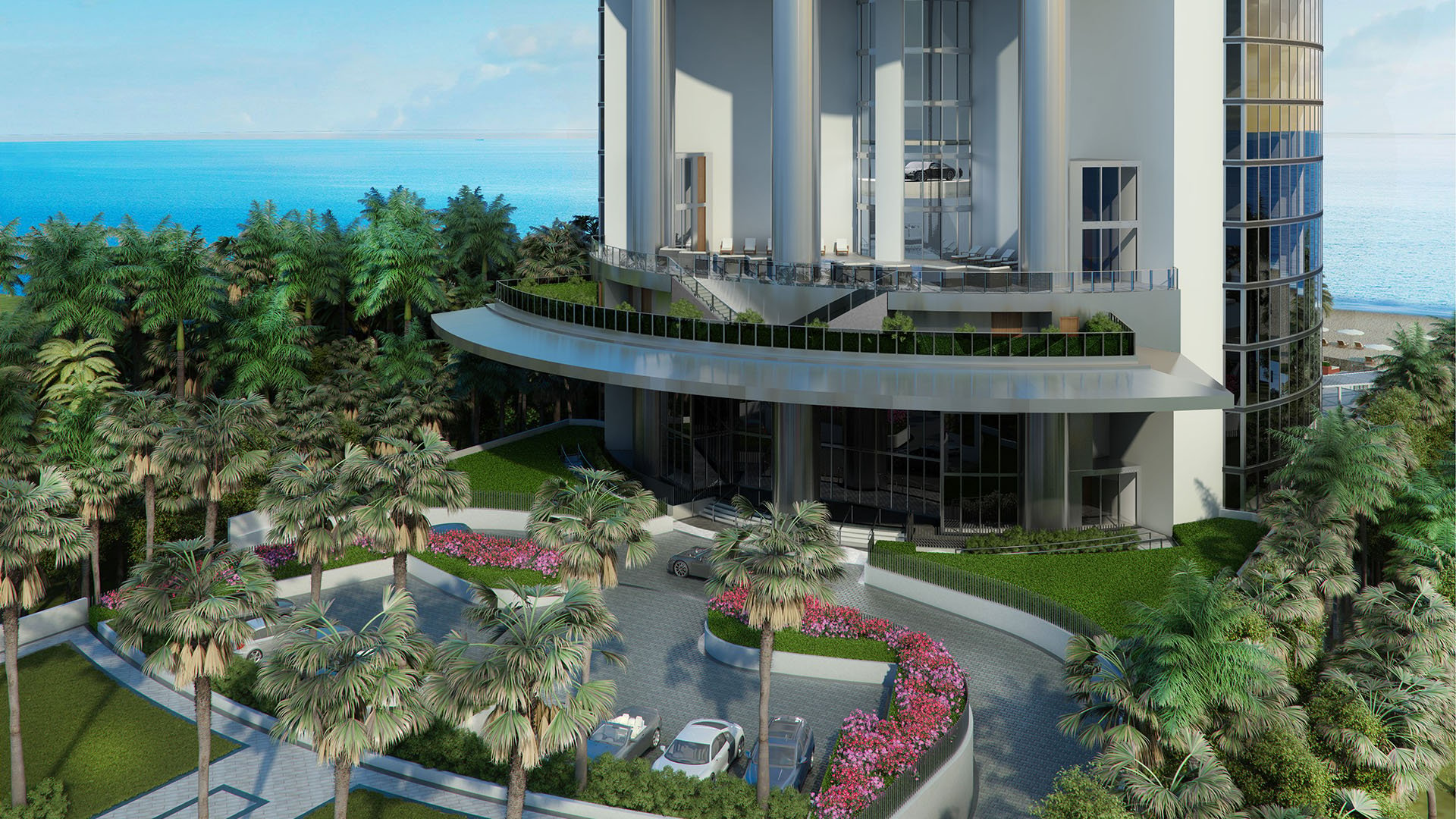
Sunny Isles Beach is a different proposition. It tends to suit buyers who want height, oceanfront living, and a self-contained building experience. The residence is often the destination, making amenity quality, elevator experience, and staff consistency especially important. Bentley Residences Sunny Isles may enter the conversation for buyers drawn to a design-forward branded environment and an ocean-oriented lifestyle.
Bal Harbour is for the buyer who places a premium on restraint. It is less about a packed calendar and more about controlled proximity: beach, dining, shopping, and privacy without a constant sense of performance. For the right household, that calm is the luxury.
A polished second-home rhythm depends on operational details that rarely appear in the first conversation. Start with management. Who will inspect the residence before arrival? Who receives deliveries? How does the building handle guest access, vendors, and housekeeping when you are away?
Then study the plan. Split bedrooms matter if adult children or guests visit. A generous terrace may be more useful than an oversized formal room if your South Florida life is built around mornings outside. Storage is not secondary. Duplicate wardrobes, golf equipment, beach items, and owner closets can determine whether each arrival feels effortless.
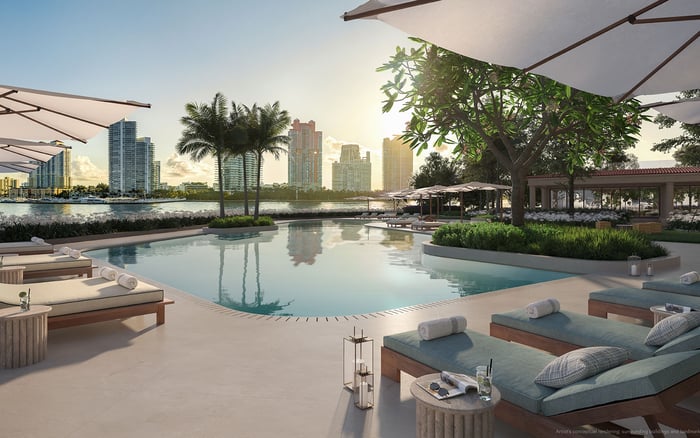
Next, evaluate the building culture. Some residences are highly social, while others are intentionally quiet. Neither is superior, but the wrong fit becomes obvious quickly. Ask how the pool feels at peak times, whether the fitness areas support daily use, and whether common spaces feel like an extension of your home or a place to avoid.
Finally, think ahead. A residence selected only for occasional vacations may not serve if your use expands. Choose a home that can mature with your life, accommodating longer stays, visiting family, work needs, and a deeper relationship with South Florida.
Should a Toronto buyer choose condo or single-family first? Start with the rhythm of use. Condos often suit lock-and-leave ownership, while single-family homes may require more private management.
Is Miami Beach the default choice for a second home? It is the most iconic choice, but not always the best fit. Brickell, Coconut Grove, Sunny Isles Beach, and Bal Harbour can be better depending on cadence.
What matters most for short visits? Arrival ease, service consistency, parking, and a residence that feels ready immediately. A short stay should not begin with household logistics.
What matters most for longer seasonal stays? Storage, kitchen comfort, guest separation, outdoor space, and daily neighborhood rhythm become more important. The home must feel livable, not just beautiful.
Are branded residences useful for Canadian buyers? They can be, especially when service standards and management clarity are priorities. The value is in consistency, not simply the name.
How should buyers compare Miami Beach and Brickell? Miami Beach is more resort-oriented, while Brickell is more urban and work-capable. The right choice depends on how you spend an ordinary day.
Why consider Coconut Grove? Coconut Grove can offer a quieter residential cadence with dining and outdoor routines close by. It suits buyers who want calm without feeling remote.
Why consider Sunny Isles Beach? Sunny Isles Beach is often chosen for oceanfront high-rise living and a self-contained building experience. It works well when the residence is the destination.
What should be reviewed before making an offer? Review building rules, monthly costs, reserves, rental policies, insurance considerations, and operational procedures. A polished purchase is also a practical one.
How early should the search begin before a winter season? Begin early enough to compare buildings, visit at different times, and understand ownership logistics. The best choice usually comes from calm evaluation.
If you'd like a private walkthrough and a curated shortlist, connect with MILLION.
If branded residences are on your mind — as a home or as an allocation — we would be glad to share what we are seeing, privately.
Begin a quiet conversation