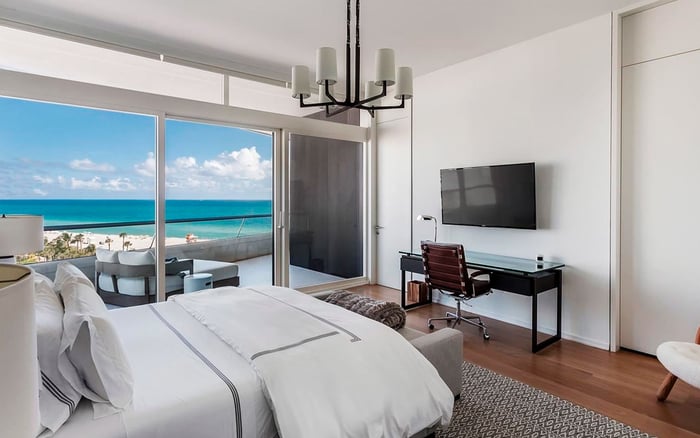
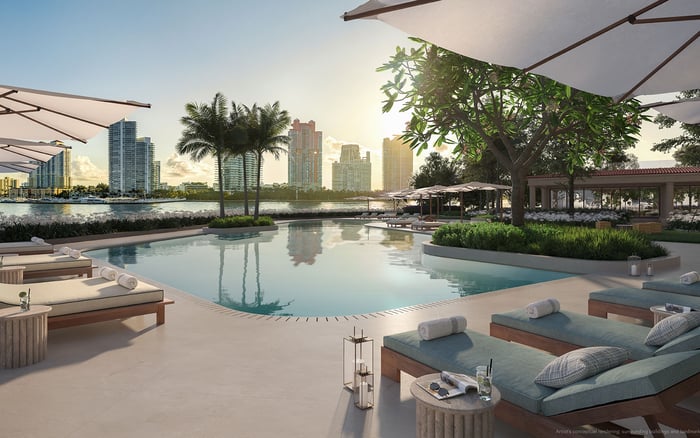
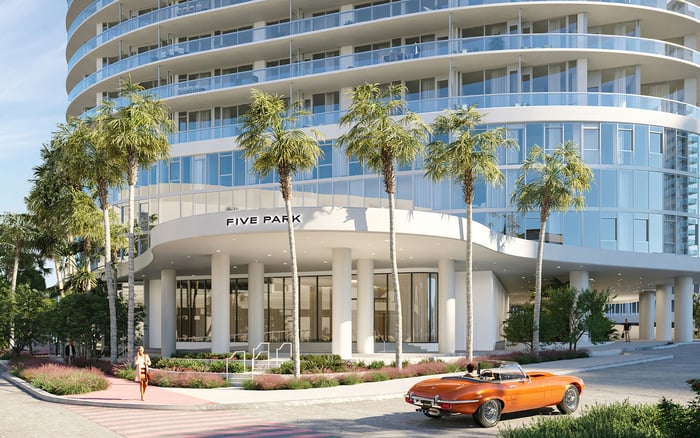
High-floor waterfront condos can deliver drama, privacy, and horizon views, but wind behavior may influence daily comfort, terrace use, maintenance planning, and the way buyers should evaluate real ownership cost.
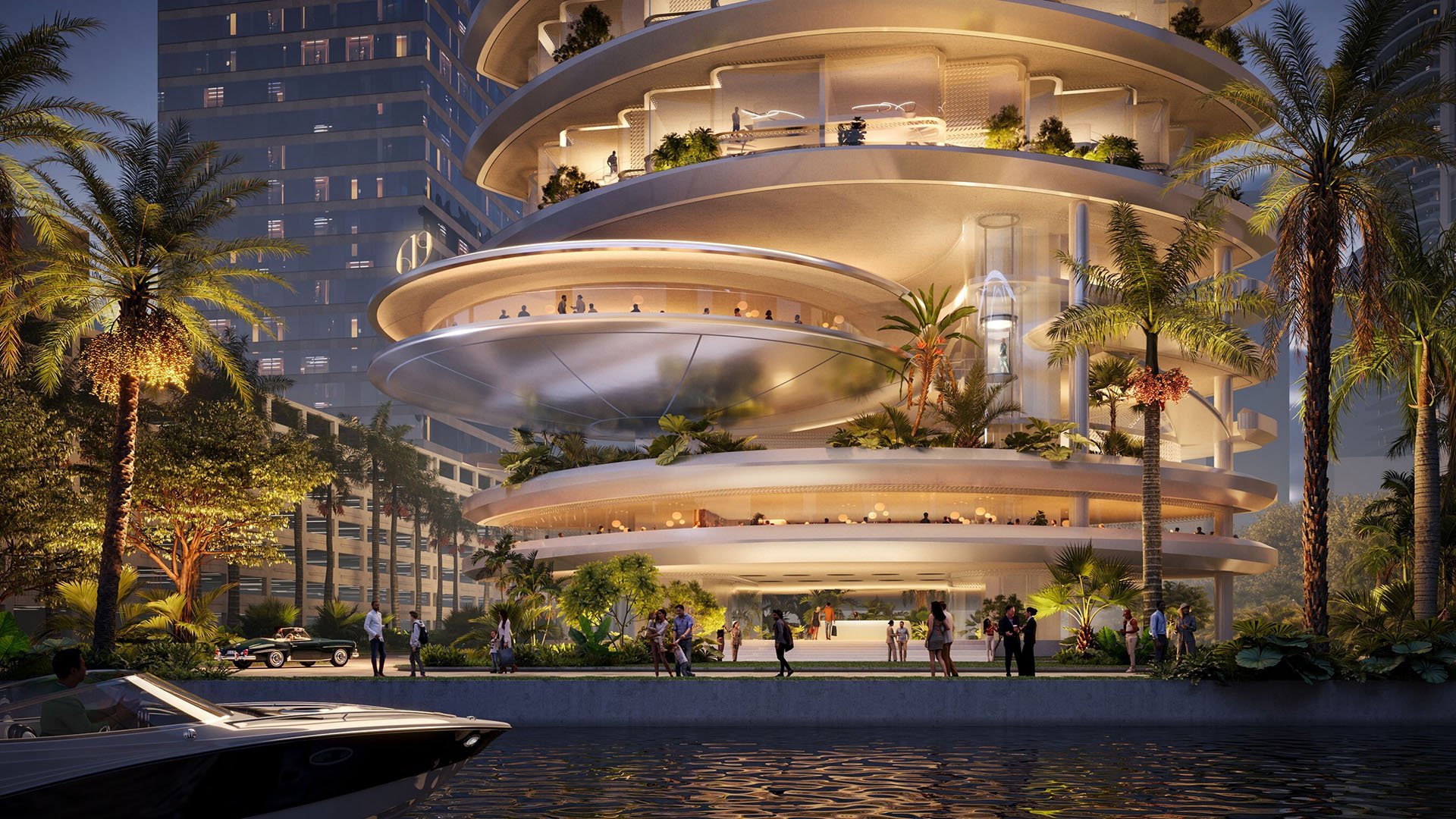
In South Florida, the high-floor waterfront condo has become a symbol of arrival: clean horizons, cinematic sunrises, open water, and the quiet separation of living above the canopy. Yet the same elevation that sharpens a view can also change how a residence feels. Wind behavior is not merely an engineering issue. For a buyer, it can become a lifestyle variable, a maintenance consideration, and, over time, part of the real cost of ownership.
The point is not to avoid height. It is to understand it. A residence that feels serene on a calm showing day may behave differently during seasonal gusts, after a front moves through, or when air channels between neighboring towers. In MILLION shorthand, this is where High-floors, Waterfront, Balcony, Terrace, Oceanfront, and Brickell considerations begin to overlap. The most sophisticated buyers do not evaluate elevation in isolation. They study exposure, orientation, openings, outdoor usability, and the quality of the building envelope.
The market often rewards height because upper floors tend to feel more private and visually expansive. But the experiential premium is not automatic. A high-floor residence with a rarely used terrace may offer a different living equation than a slightly lower home where outdoor space is comfortable at more hours of the day.
This matters for buyers who imagine morning coffee outside, evening entertaining, outdoor dining, or leaving terrace doors open to create an indoor-outdoor rhythm. If wind makes those rituals less frequent, the effective value of the outdoor square footage changes. The purchase price may still reflect the view, but the lived value depends on how often the space performs.
At a beachfront address such as The Perigon Miami Beach, a buyer may naturally focus on ocean presence and architectural prestige. The more nuanced question is how a preferred line, exposure, and terrace depth support actual daily use. Luxury is not only what can be seen from the glass. It is how comfortably the residence can be inhabited when the weather is less than perfect.
A polished sales gallery or a pristine model residence can communicate finishes, proportions, and design intent. Wind behavior is more personal. It should be observed, not assumed. During a private tour, a buyer should listen as much as look. Subtle whistling near sliders, pressure at entry doors, rattling at terrace furniture, or difficulty operating large panels can all indicate how the residence interacts with moving air.
The terrace deserves particular attention. Is it protected by side walls, recessed into the building, or fully projected? Does the railing preserve the view while still creating a sense of enclosure? Can furniture be arranged in a way that feels elegant and secure? These are not cosmetic questions. They influence furnishing choices, cleaning frequency, and whether outdoor living feels effortless.
In Sunny Isles, where vertical living and water views are central to the luxury vocabulary, a buyer considering St. Regis® Residences Sunny Isles should compare lines and exposures with the same seriousness used to compare finishes. Two residences in the same tower can offer very different sensations depending on orientation and height.
Wind can reveal the quality of small decisions. Sliding systems, balcony doors, seals, thresholds, exterior hardware, and terrace furnishings all become more important at elevation. A high-floor waterfront condo asks more of these elements than a protected garden-level home.
The cost impact is often incremental rather than dramatic. It may appear in upgraded outdoor furniture, more careful storage, more frequent cleaning, or a preference for heavier, better engineered pieces. It may also influence how owners manage plants, umbrellas, cushions, lanterns, and decorative objects. The refined terrace is not necessarily the most filled terrace. Often, it is the one edited with restraint.
Buyers should ask practical questions before contract decisions are final. What are the rules for terrace furnishings? Are there restrictions on planters or shades? How are storm preparations handled? What is the building’s process for exterior access and maintenance? These questions do not diminish romance. They protect it.
Waterfront wind is not limited to beachfront towers. In dense urban settings, air can move around building forms, through corridors, and across open water in ways that feel highly localized. Brickell buyers often weigh walkability, skyline energy, bay views, and convenience, but the same residence should also be evaluated for comfort at the balcony edge.
At Una Residences Brickell, the appeal of bayfront living is inseparable from the experience of elevation and exposure. A careful buyer will look beyond the postcard view and ask how the residence feels with doors open, how sound travels, and whether outdoor space is best suited for dining, lounging, or simple visual connection.
This is where an experienced advisor can help translate architecture into ownership reality. A plan may show generous outdoor dimensions, but the buyer must consider how shape, depth, and orientation affect use. The difference between a balcony that photographs beautifully and one that hosts beautifully can be meaningful.
In ultra-prime condominiums, buyers often assume the best home is the highest available home. Sometimes that is true. But in waterfront living, comfort can complicate hierarchy. A lower floor may offer a stronger connection to landscape, pool decks, marina activity, or the sound and texture of the water. It may also feel calmer in daily use.
The best choice depends on the buyer’s priorities. A collector of views may accept a more exposed terrace because the panorama is the point. A seasonal resident who entertains frequently may prioritize a more protected outdoor room. A family may value quieter thresholds, easier furniture management, and a more grounded relationship to amenities.
In West Palm Beach, for example, a buyer exploring Alba West Palm Beach may view elevation through a softer lens: water outlook, neighborhood convenience, and livability working together. The most expensive-feeling residence is not always the one with the most dramatic altitude. It is the one that matches the owner’s rituals.
The real cost of a high-floor waterfront condo is not only purchase price, association dues, insurance, and taxes. It is also the cost of adapting the home to its environment. That may include different terrace furniture, more durable fabrics, professional cleaning, protective storage, or simply the opportunity cost of outdoor areas used less often than expected.
There is also a resale dimension. Future buyers will judge the same sensory details. A residence that feels composed in varied conditions can be easier to understand emotionally. One that feels noisy, forceful, or difficult to open may require more explanation. In luxury real estate, confidence is often created by calm.
For oceanfront buyers considering quieter coastal markets, Rosewood Residences Hillsboro Beach illustrates the importance of pairing waterfront aspiration with a close reading of exposure and outdoor life. A magnificent view is only one part of the equation. The question is how gracefully the home receives the elements.
Before selecting a high-floor waterfront residence, visit at different times when possible. Stand near the terrace doors. Open and close them with permission. Step outside and stay long enough to understand comfort, not just the view. Imagine furniture placement, dining service, pets, children, plants, and quiet mornings.
Ask about building protocols for terrace items and storm preparation. Review whether outdoor areas are deep enough for the intended lifestyle. Compare multiple lines rather than assuming that the highest elevation is the superior choice. Consider whether the exposure supports the way you actually live, not the way the floor plan appears online.
The most refined purchase is not driven by fear of wind. It is guided by respect for place. South Florida’s waterfront is beautiful because it is alive: light changes, air moves, water reflects, and weather is part of the atmosphere. The right condominium does not deny those conditions. It frames them with composure.
Does a higher floor always mean a windier condo? Not always, but elevation can change exposure and comfort. Orientation, neighboring buildings, terrace design, and façade quality all matter.
Should wind concerns stop me from buying a high-floor waterfront residence? No. Wind should be part of due diligence, not a reason to dismiss height when the residence otherwise fits your lifestyle.
What should I test during a private showing? Listen near doors and glass, step onto the terrace, and notice how easily large openings operate. Comfort should be observed directly.
Can terrace design reduce the impact of wind? It can help. Recessed terraces, thoughtful side walls, deeper outdoor rooms, and careful furniture selection may improve usability.
Is oceanfront wind different from bayfront wind? The experience can differ by setting, orientation, and surrounding buildings. Buyers should evaluate each residence individually.
How can wind affect ownership cost? It may influence furniture choices, cleaning routines, storage habits, and how often outdoor areas are used. These small factors shape long-term value.
Are lower floors sometimes better for outdoor living? Yes. A lower floor can feel more protected and connected to landscape or amenities, depending on the building and exposure.
Should I visit a condo more than once before buying? When possible, yes. Different times of day and different weather conditions can reveal how the residence truly behaves.
Do balcony rules matter in this discussion? Yes. Building rules for furniture, planters, shades, and storm preparation can affect how freely you use outdoor space.
What is the best way to compare two high-floor residences? Compare not only view and price, but also terrace comfort, door performance, sound, orientation, and how each home supports daily rituals.
For a tailored shortlist and next-step guidance, connect with MILLION.
If branded residences are on your mind — as a home or as an allocation — we would be glad to share what we are seeing, privately.
Begin a quiet conversation