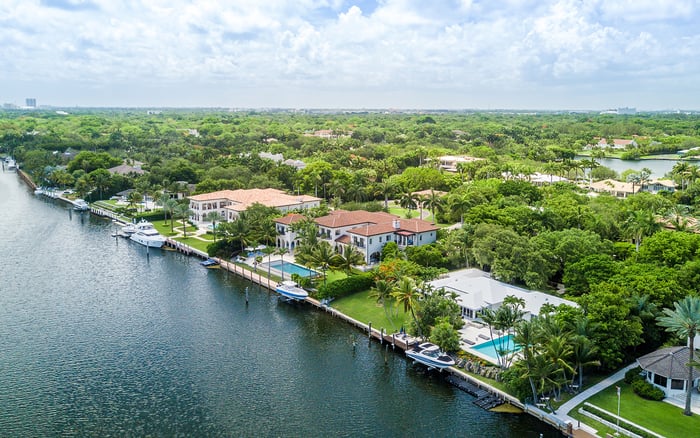
For buyers leaving large estates, FIFA World Cup 2026 makes South Florida selection less about a postcard view and more about logistics, privacy, resilience, guest movement, and daily ease.

FIFA World Cup 2026 adds a practical dimension to South Florida home selection for buyers leaving large estates. A residence chosen for a global sporting period has to do more than look compelling in photographs. It must support arrivals, departures, guests, household staff, drivers, security planning, dining, parking, and quiet recovery between high-energy days.
For this buyer, the question is not simply whether Miami-Dade, Broward, or Palm Beach feels glamorous enough. It is whether the property can function with minimal friction when schedules tighten and guests expect everything to feel effortless. A South Florida base should be calm in ordinary use and dependable during an unusually visible event window.
A common mistake is choosing by postcard identity first. Buyers may be drawn to Miami Beach, Brickell, Coconut Grove, Bal Harbour, Sunny Isles, Fort Lauderdale, or Palm Beach for very different lifestyle reasons, but match-period ownership should begin with movement. Routes to the event venue, airports, marinas, restaurants, private clubs, and family gathering points should be tested as part of the decision.
Brickell can suit buyers who want a high-service urban base with restaurants, business energy, private car coordination, and a lock-and-leave rhythm. The Residences at 1428 Brickell offers a way to think about vertical living as a substitute for estate complexity, while St. Regis® Residences Brickell speaks to buyers who value branded service, staffed arrivals, and a more managed daily environment.
Miami Beach creates a different ownership profile. It can offer oceanfront appeal, cultural presence, and resort-like atmosphere, but buyers should weigh bridge dependency, guest circulation, valet choreography, and the difference between entertaining and retreating. The Perigon Miami Beach fits that conversation for buyers who want a refined coastal address while still analyzing access with discipline.
For ultra-premium buyers, the residence is only one part of the experience. The larger system includes commercial airports, private aviation, staff arrival routes, luggage handling, security timing, and late-night returns. A smaller and better-positioned residence may outperform a larger property if it reduces uncertainty for the owner and guests.
That is especially relevant for buyers who are trading acreage for service. The old estate model often depends on private land, gates, and household infrastructure. A South Florida condominium or branded residence shifts the burden toward building staff, concierge systems, valet, maintenance oversight, and association rules. The diligence is not lighter; it is simply different.
Leaving a large estate usually means giving up distance from neighbors and full control over the physical environment. The benefit can be less daily management, more staffing continuity, and a lifestyle that is easier to secure when the owner is in and out of South Florida.
Coconut Grove is a nuanced option for this profile because it can feel established and residential without asking the owner to recreate an entire estate operation. Four Seasons Residences Coconut Grove belongs in the discussion when the buyer wants service, discretion, and a softer setting than a dense business district.
Fort Lauderdale can also be part of the strategy, particularly for buyers who want a broader Broward base rather than a purely Miami-centric routine. St. Regis® Residences Bahia Mar Fort Lauderdale frames the decision around coastal living, guest access, and a more distributed South Florida lifestyle.
Waterfront living remains one of South Florida’s defining luxuries, but buyers should not let views outrun diligence. Island, canal-front, oceanfront, and low-lying properties require careful review of flood exposure, insurance, building systems, backup power, garage vulnerability, storm procedures, and association responsibilities.
For a former estate owner, this can be an adjustment. In an estate, the owner may control generators, gates, vendors, landscaping, and many emergency decisions directly. In a condominium or branded residence, the owner gains professional management but must also understand shared governance, reserves, assessments, guest policies, vendor rules, and how the building operates under pressure.
A South Florida base can be a lifestyle choice, a family platform, a residency-planning component, or a second-home strategy. Those uses should not be blurred casually. Buyers should coordinate legal, tax, insurance, and property diligence before assuming that a residence will function the way a prior estate did.
Rental expectations deserve similar caution. Tournament-period demand may sound appealing, but local rules, building restrictions, association policies, and personal-use priorities can limit what is realistic. For many ultra-prime buyers, the higher value is certainty: a private, well-serviced base that supports family, guests, and mobility without turning ownership into a second operation.
Why does World Cup 2026 change the buying decision? It compresses questions of access, staffing, privacy, guest hosting, and building performance into a high-visibility period.
Is Miami Beach automatically the best South Florida base? Not always. Buyers should compare lifestyle appeal with bridge reliance, traffic patterns, guest circulation, and the need for calm after event days.
Should a former estate owner choose a condominium or another large home? The answer depends on whether the buyer values land and control more than service, security, maintenance support, and lock-and-leave ease.
Why is airport access so important? Guests, family members, staff, and advisors may arrive on different schedules, so reliable airport movement can define the ownership experience.
What should buyers review in a branded residence? They should review service standards, privacy, valet procedures, guest rules, reserves, assessments, staffing, and how the property handles peak demand.
How should waterfront homes be evaluated? Buyers should assess flood exposure, insurance, storm procedures, backup systems, garage placement, and association responsibilities.
Can a smaller residence outperform a larger estate? Yes, if it offers better access, stronger staffing, easier maintenance, and less friction for guests and daily routines.
Does Fort Lauderdale belong in the search? It can, especially for buyers who want a Broward base, coastal lifestyle, and a less Miami-centered South Florida routine.
Why consider Coconut Grove? Coconut Grove can appeal to buyers seeking a residential feel, service, discretion, and access to Miami without the full burden of estate ownership.
Should buyers assume they can rent during event demand? No. Local rules, building policies, association restrictions, and personal-use priorities should be reviewed before relying on rental income.
If you'd like a private walkthrough and a curated shortlist, connect with MILLION.
If branded residences are on your mind — as a home or as an allocation — we would be glad to share what we are seeing, privately.
Begin a quiet conversation