A buyer-oriented framework for translating Regalia service fees into daily value, separating lifestyle benefits from risk protection and comparing costs on a like-for-like basis.
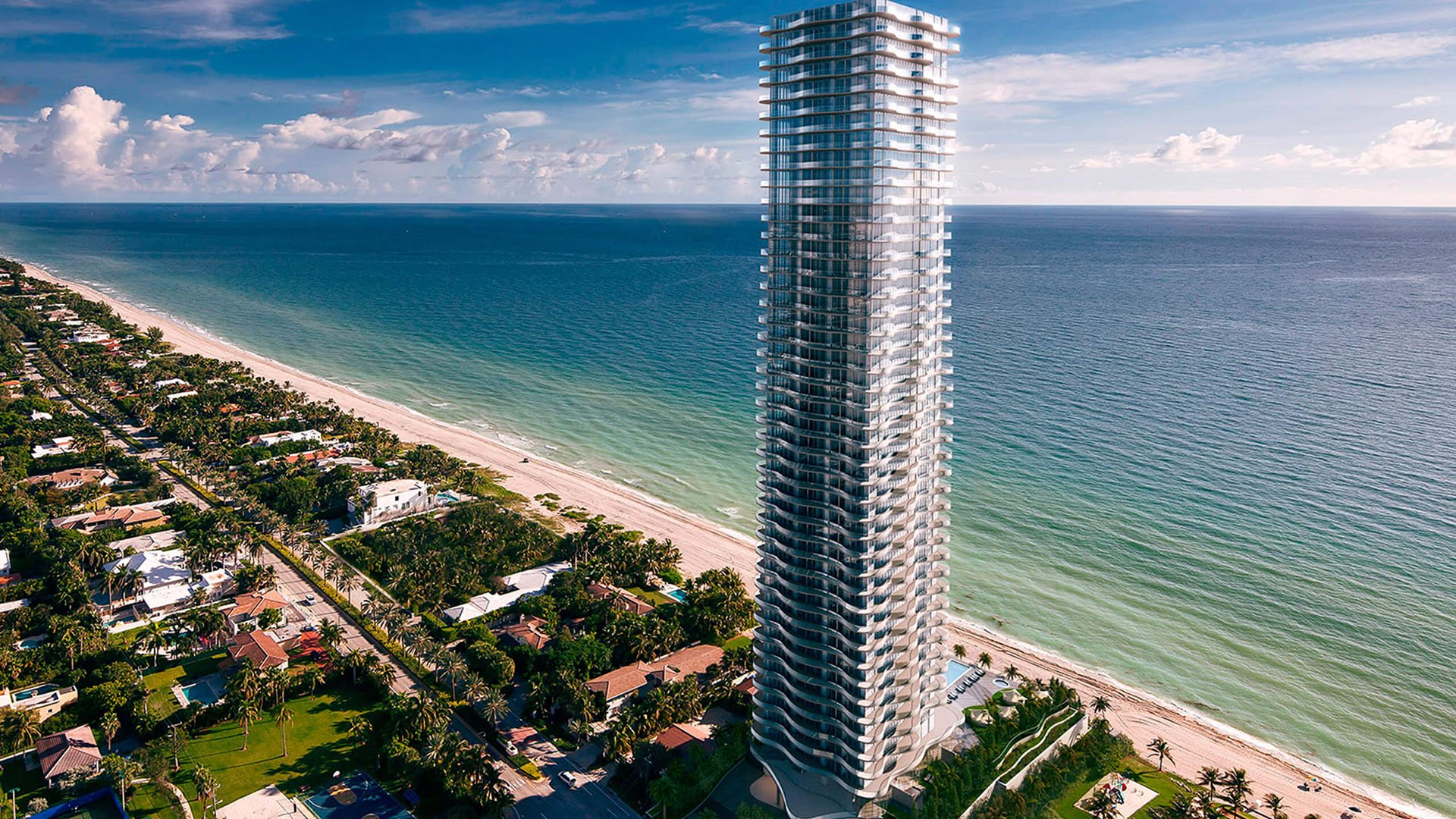
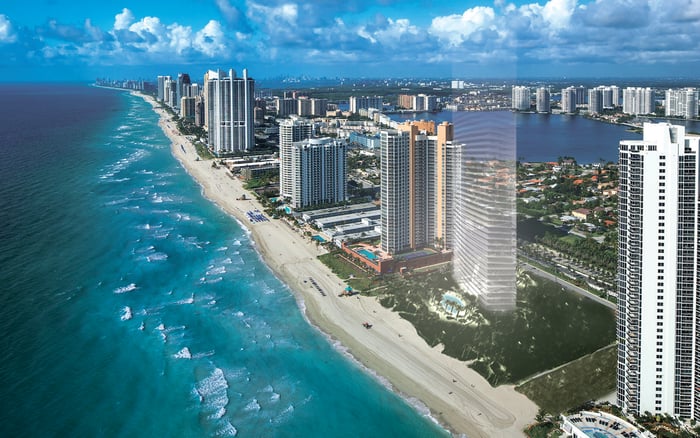
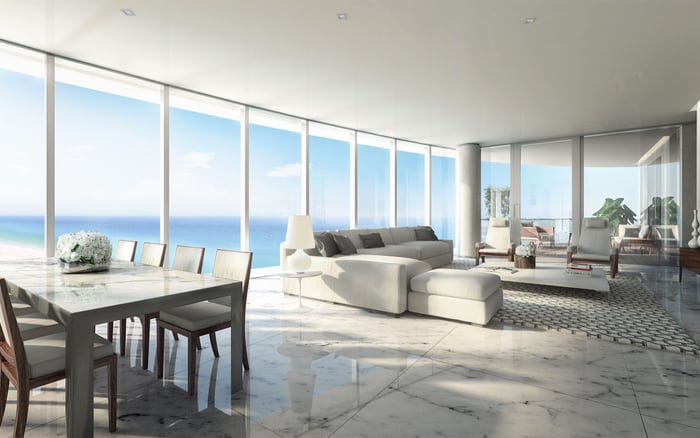
At Regalia Sunny Isles Beach, the service-fee discussion begins with the building’s defining proposition: ultra-low-density, full-floor living in an oceanfront tower on Collins Avenue. Through most of the building, roughly one residence occupies each floor. Expansive wraparound terraces, broad view corridors, and limited resident circulation are not incidental luxuries; they shape both the residential experience and its operating economics.
A relatively small population shares the staffing, amenities, and infrastructure of a highly serviced tower. Fixed expenses are therefore allocated among fewer owners than in a conventional high-rise. Large residences and generous common areas can also increase an owner’s share of operating and maintenance costs.
That structure explains why a fee should not be judged in isolation. For buyers studying pricing and trends in Sunny Isles Beach, the more revealing question is what kind of daily residential platform the fee supports.
The first step is straightforward: obtain the current, residence-specific charge from the applicable condominium documents or association statement. No generic estimate can replace a verified figure, as ownership share, residence size, included expenses, reserve contributions, and assessments may affect the amount.
Once verified, divide the monthly charge by 30.4 to establish a daily figure. For an annual perspective, multiply the monthly amount by 12 and divide by 365. The calculation does not reduce the expense, but it places the cost alongside the household’s actual pattern of use.
Consider an ordinary day. Security infrastructure operates whether the owner is home or away. Engineering and janitorial teams maintain the property. Common-area utilities support shared spaces. Concierge, valet, pool, and beach services may reduce friction throughout an occupied stay. Viewed daily, the fee becomes a useful lens for determining whether those services are used, valued, or duplicated elsewhere.
A disciplined review divides the fee into distinct value categories: security, concierge support, amenity access, lifestyle services, risk management, and capital preservation. This prevents every dollar from being treated as though it purchases an immediately visible experience.
Insurance and reserve funding belong principally on the protection side of the ledger. They help support the residence, building systems, and common infrastructure. Engineering, cleaning, and common-area utilities likewise preserve functionality and presentation, even when their contribution is less visible.
Valet, concierge, pool, and beach services are more directly experiential. Their value rises with frequency of use and with the importance an owner places on effortless arrival, departure, hosting, recreation, and household support. The strongest lifestyle case generally belongs to an owner who regularly occupies the residence and engages with the service platform.
A meaningful comparison should normalize fees by interior square footage, residence scale, service level, reserve contributions, and included utilities or insurance. A lower headline fee in a denser building may reflect a different package rather than better value.
The relevant Sunny Isles comparison set can include Bentley Residences Sunny Isles, The Ritz-Carlton Residences® Sunny Isles, and Turnberry Ocean Club Sunny Isles. Buyers should compare current documents residence by residence rather than infer equivalence from geography or positioning.
Regalia distinguishes itself through privacy, full-floor living, extensive private outdoor space, and unobstructed views. Its low-density structure can mean fewer neighbors, less competition for amenities, and more personalized service. Those benefits are difficult to capture through a simple cost-per-square-foot comparison.
Another benchmark is the independent cost of recreating the platform through private security, household staffing, property management, wellness access, and estate maintenance. The exercise should not presume exact equivalence. Instead, it should reveal which services an owner would otherwise purchase separately and which offer little personal utility.
A practical buyer’s guide assigns each category one of three ratings: essential, useful, or rarely used. Security and capital protection may remain essential for a second home even when occupancy is limited. Beach service could be highly valuable to one household and peripheral to another. Valet and concierge support may matter most during frequent entertaining or multigenerational visits.
Next, distinguish controllable usage from unavoidable ownership obligations. An owner can choose whether to use the pool but cannot opt out of common infrastructure. This distinction produces a more honest assessment than dividing the fee solely by the number of days physically spent in residence.
For an oceanfront property, exposure to the elements also makes the quality of maintenance, engineering, insurance, and reserves central to the ownership conversation. A careful resale review should therefore consider not only the monthly figure, but also what it includes and how the building plans for long-term stewardship.
The conclusion is personal but not subjective. It should be grounded in verified documents, expected occupancy, service utilization, and the value placed on privacy. At Regalia, the fee is best understood as the operating cost of an unusually private residential environment-not simply a charge for maintaining shared hallways.
Request the current budget, fee schedule, reserve information, insurance details, and any residence-specific assessments. Clarify which utilities and services are included, how ownership shares are calculated, and whether any known capital projects could affect future obligations.
Then model three scenarios: full-time occupancy, seasonal use, and limited visits. Calculate the daily and annual cost for each while keeping protection-related expenses separate from services consumed during occupancy. The result is a decision framework tailored to the household rather than a market average.
What does the Regalia service fee support? It can support security, concierge, valet, pool and beach services, engineering, janitorial work, common-area utilities, insurance, and reserves.
Is there a confirmed current monthly fee in this article? No. Buyers should use a current association statement, condominium disclosure, or residence-specific documentation.
How do I calculate the daily cost? Divide the verified monthly charge by 30.4, or multiply it by 12 and divide by 365.
Why can low density increase the cost per residence? A smaller resident population shares fixed staffing, amenity, insurance, and infrastructure expenses.
What value can low density deliver? It can provide fewer neighbors, less competition for amenities, greater privacy, and more personalized service.
Should reserves be treated as an amenity expense? No. Reserve funding is better viewed as capital preservation and protection of common infrastructure.
How should Regalia be compared with nearby towers? Normalize for residence size, service level, included costs, reserves, utilities, insurance, and density.
Who may receive the strongest daily value? Owners who regularly use the residence, beach, pool, valet, concierge, and security platform may see the clearest benefit.
Does limited occupancy automatically mean poor value? Not necessarily. Security, property oversight, insurance, and capital protection can remain valuable while an owner is away.
What documents should a buyer review? Review the current budget, fee schedule, reserve information, insurance details, included services, and any applicable assessments.
If you'd like a private walkthrough and a curated shortlist, connect with MILLION.
If branded residences are on your mind — as a home or as an allocation — we would be glad to share what we are seeing, privately.
Begin a quiet conversation