A discreet buyer’s guide to South Florida boutique residences where the private elevator mindset shapes privacy, circulation, service and day-to-day ownership.
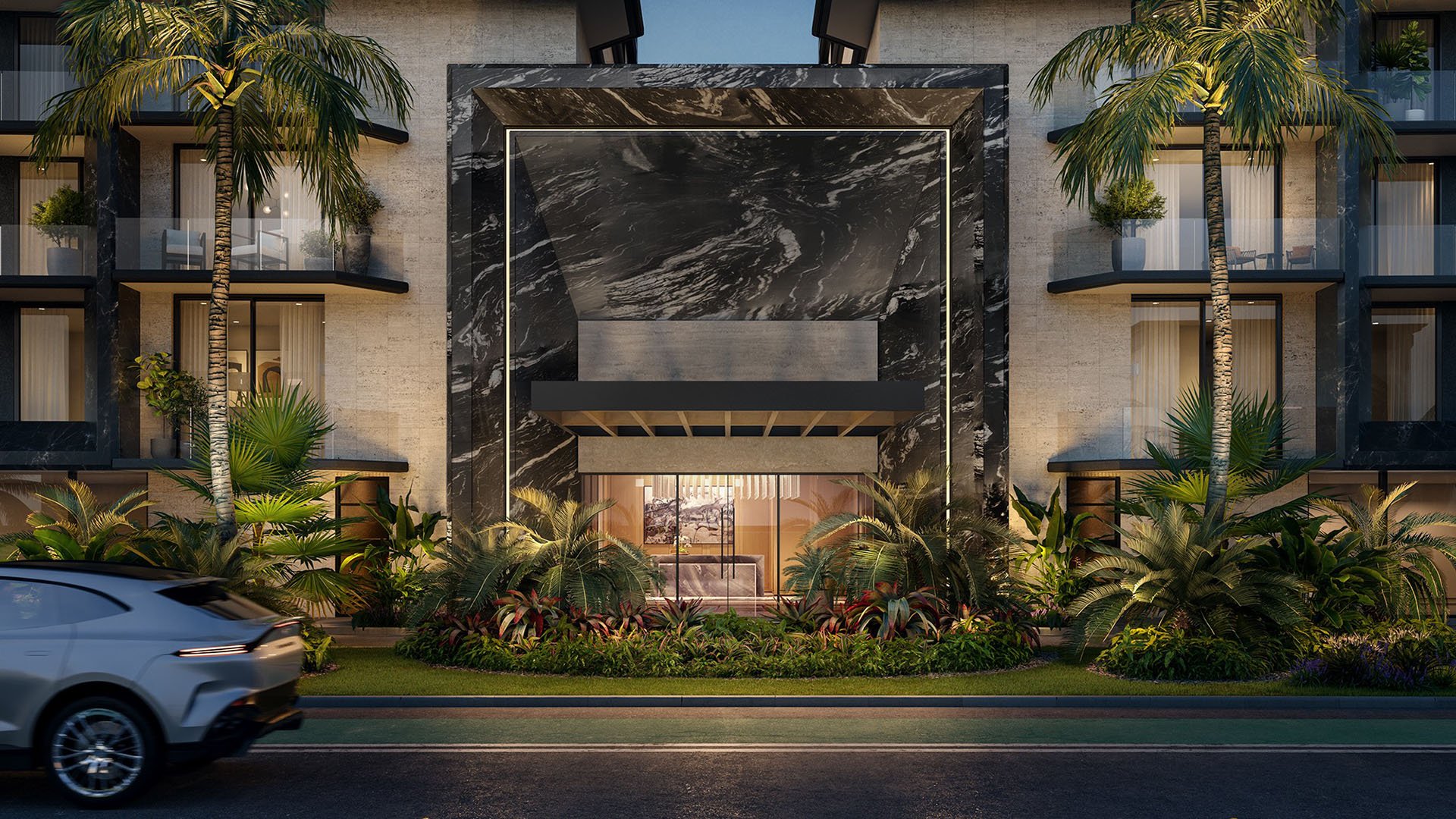
For the South Florida buyer who values privacy, a private elevator is more than a convenience. It is a threshold. It changes how an owner leaves the city behind, receives guests, returns from the marina, or moves from car to residence without entering the visible rhythm of a large condominium corridor.
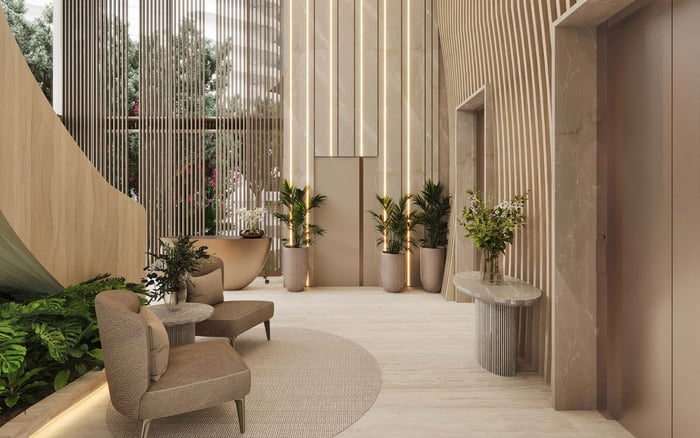
In boutique residences, that arrival can feel even more personal. Smaller buildings tend to place greater emphasis on proportion, entry sequence and the transition from shared amenity spaces to the home itself. The best private elevator experience is not simply the ride upward. It is the full choreography: garage, lobby, elevator vestibule, private foyer, sightline, lighting and the first view after the doors open.
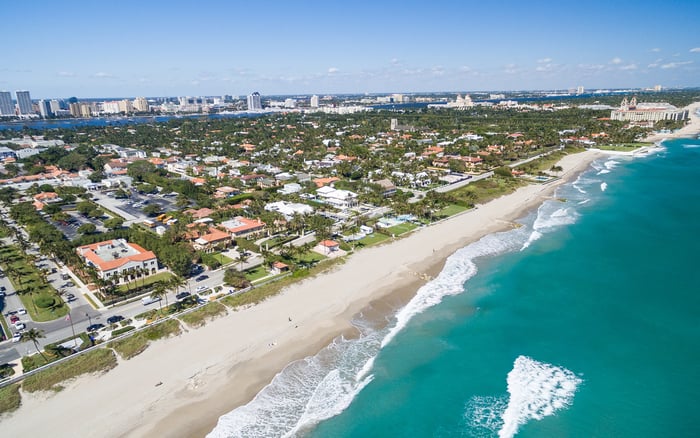
That distinction matters across South Florida because buyers are often weighing very different expressions of luxury. A beachfront address may offer serenity and horizon. Brickell may offer immediacy and skyline energy. Coconut Grove may favor shade, gardens and a softer residential cadence. Surfside and Bay Harbor can feel intimate, with a quieter scale that appeals to owners who want condominium services without the exposure of a highly trafficked tower.
A private elevator should be evaluated as part of the floor plan, not as a line item. The strongest layouts avoid opening directly into the main living area without a moment of pause. A gracious foyer, even a compact one, gives the residence composure. It creates space for art, seating, a console, flowers, or simply the practical act of arriving without feeling immediately on display.
Security and access control also deserve careful review. Buyers should ask how elevator permissions are managed, whether guest access is controlled by staff or owner approval, and how service personnel move through the building. In the most refined residences, owner arrival and service arrival feel considered but not theatrical.
Sound matters too. Elevator proximity can be an advantage when it is properly buffered, and a weakness when doors, mechanical elements or the foyer share too much acoustic contact with bedrooms. For buyers sensitive to stillness, the ideal residence balances immediate private access with thoughtful separation from sleeping areas.
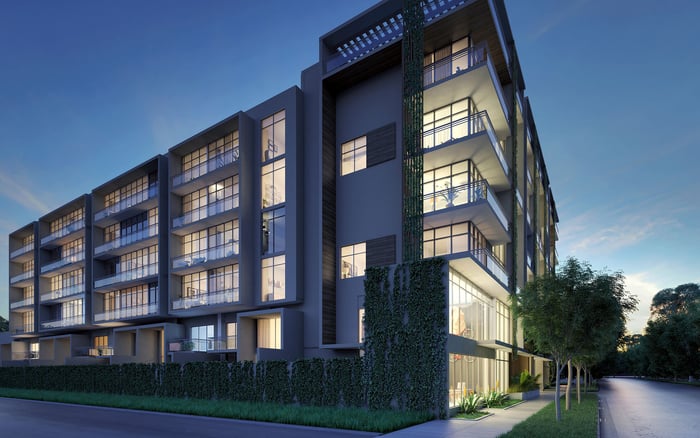
Boutique does not always mean minimal. It often means focused. A smaller residence building may not offer the volume of amenities found in a major resort-style tower, but it can deliver a more personal daily experience. Owners may know the staff, encounter fewer residents and feel a stronger sense of control when arriving and departing.
The trade-off is important. A larger full-service building may provide broader amenities, deeper staffing and more operational redundancy. A boutique building may provide discretion, calmer circulation and a more residential mood. For owners who use a South Florida home seasonally, both models can work. For those who live in the residence daily, the difference becomes tangible.
This is why private elevators are best understood alongside building culture. The right address should feel effortless at 8 a.m., graceful when guests arrive for dinner and secure when the owner is away. Boutique, in this context, is less about size alone and more about how carefully the building handles privacy.
Brickell suits buyers who want private arrival within a sophisticated urban environment. The neighborhood’s vertical living culture makes the elevator sequence especially important because privacy must coexist with restaurants, offices, traffic and nightlife. Buyers considering a more design-forward downtown lifestyle may want to compare the arrival experience and residence layouts at 888 Brickell by Dolce & Gabbana while paying close attention to how private spaces are separated from social zones.
Surfside appeals to owners who prefer a quieter coastal identity. Here, the idea of a private elevator is often tied to understatement: a soft transition from sand, pool, garage or lobby into a residence that feels removed from the public eye. Projects such as The Delmore Surfside can be part of a buyer’s comparison set when the brief calls for privacy, architectural presence and a more composed beachfront pace.
Bay Harbor Islands offers another kind of discretion. It is close to Bal Harbour and Miami Beach, yet it can feel more residential and less exposed than better-known coastal corridors. For buyers using Bay Harbor as a search focus, the key is to compare water orientation, bridge access, lobby scale and elevator configuration. The Well Bay Harbor Islands is a natural reference point for those who want a wellness-inflected environment within a lower-key island setting.
Coconut Grove brings a different language to privacy. The best residences here are often judged by landscape, canopy, warmth and a sense of separation from the city without leaving it. Buyers focused on Coconut Grove may prioritize elevator access that feels house-like rather than hotel-like. Arbor Coconut Grove belongs in that conversation for buyers who want to study how boutique living can align with Grove character.
Further north, Pompano Beach has been drawing attention from buyers who want newer coastal residences beyond the most established Miami corridors. The private elevator question there should be paired with views, beach access, garage movement and how the building manages seasonal ownership patterns.
The best private elevator residences create a sense of arrival without wasting space. A foyer should be large enough to make the home feel intentional, but not so large that it steals square footage from the living room, primary suite or terrace. The first sightline after the elevator doors open is especially important. A wall for art can feel refined. A direct view through glass can feel dramatic. A view into a kitchen or service area can feel less successful.
Buyers should also study how guests experience the home. If the elevator opens into a private foyer, is there a powder room nearby? Can guests move toward the living and dining areas without crossing bedroom corridors? Is there a place for staff to stage deliveries discreetly? These questions are practical, but they also define the residence’s tone.
For collectors, a private foyer can function as a gallery moment. For families, it can provide a controlled point of entry. For seasonal owners, it can make arrivals and departures feel calmer, particularly when luggage, pets, drivers or household staff are involved.
Before committing, buyers should request a clear explanation of the elevator system, access controls and emergency procedures. They should understand whether the elevator serves one residence per stop, opens into a shared vestibule, or provides semi-private access. These distinctions can dramatically affect perceived privacy.
It is also worth visiting at different times of day if possible. Morning staff movement, evening valet activity and weekend guest patterns reveal more than a polished presentation. A residence may feel private on paper, but the lived experience depends on circulation, staffing and how many people share the same paths.
Finally, consider resale psychology. Private elevator access has enduring appeal among luxury buyers because it speaks to security, privacy and status without overt display. In South Florida, where owners may split time among multiple homes, a private arrival can make a condominium feel more like a personal estate in the sky.
Is a private elevator the same as a private foyer? Not necessarily. A private elevator describes access, while a private foyer refers to the space into which the elevator opens.
Are boutique residences always more private than larger towers? Not always. Boutique scale can help, but true privacy depends on circulation, staffing, access control and floor-plan design.
Should buyers prioritize private elevator access over views? It depends on lifestyle. For some owners, daily discretion matters as much as the view, especially in full-time residences.
What is the most important floor-plan detail to review? Study what you see when the elevator doors open. The first sightline sets the tone for the entire residence.
Can private elevators work well for families? Yes. They can simplify arrivals, deliveries and guest access when paired with thoughtful security and foyer design.
Do private elevators add to a residence’s sense of security? They can, particularly when access is controlled and the building has clear guest, staff and service protocols.
Which South Florida areas suit private-elevator buyers? Brickell, Surfside, Bay Harbor Islands, Coconut Grove and select northern coastal markets each offer distinct privacy profiles.
Is a semi-private elevator a compromise? It can be acceptable if the vestibule is quiet, secure and shared by very few residences, but it is not the same experience.
Should seasonal owners care about private elevator access? Yes. It can make arrivals, departures and property management feel more seamless when the home is used intermittently.
How should I compare boutique projects with private-elevator appeal? Compare the complete arrival sequence, not just the elevator itself, including garage, lobby, foyer, service flow and privacy.
For a discreet conversation and a curated building-by-building shortlist, connect with MILLION.
If branded residences are on your mind — as a home or as an allocation — we would be glad to share what we are seeing, privately.
Begin a quiet conversation