Miami has quietly evolved into one of the most compelling cities in the US for luxury-minded families. This guide profiles five of its most desirable enclaves for raising children: Coral Gables, Pinecrest, Palmetto Bay, Coconut Grove and Key Biscayne. We consider what matters most to affluent buyers, from A-rated schools and commute times to neighborhood character, green space, and access to the water, helping you quickly narrow which community best matches your family’s routines and long-term plans.
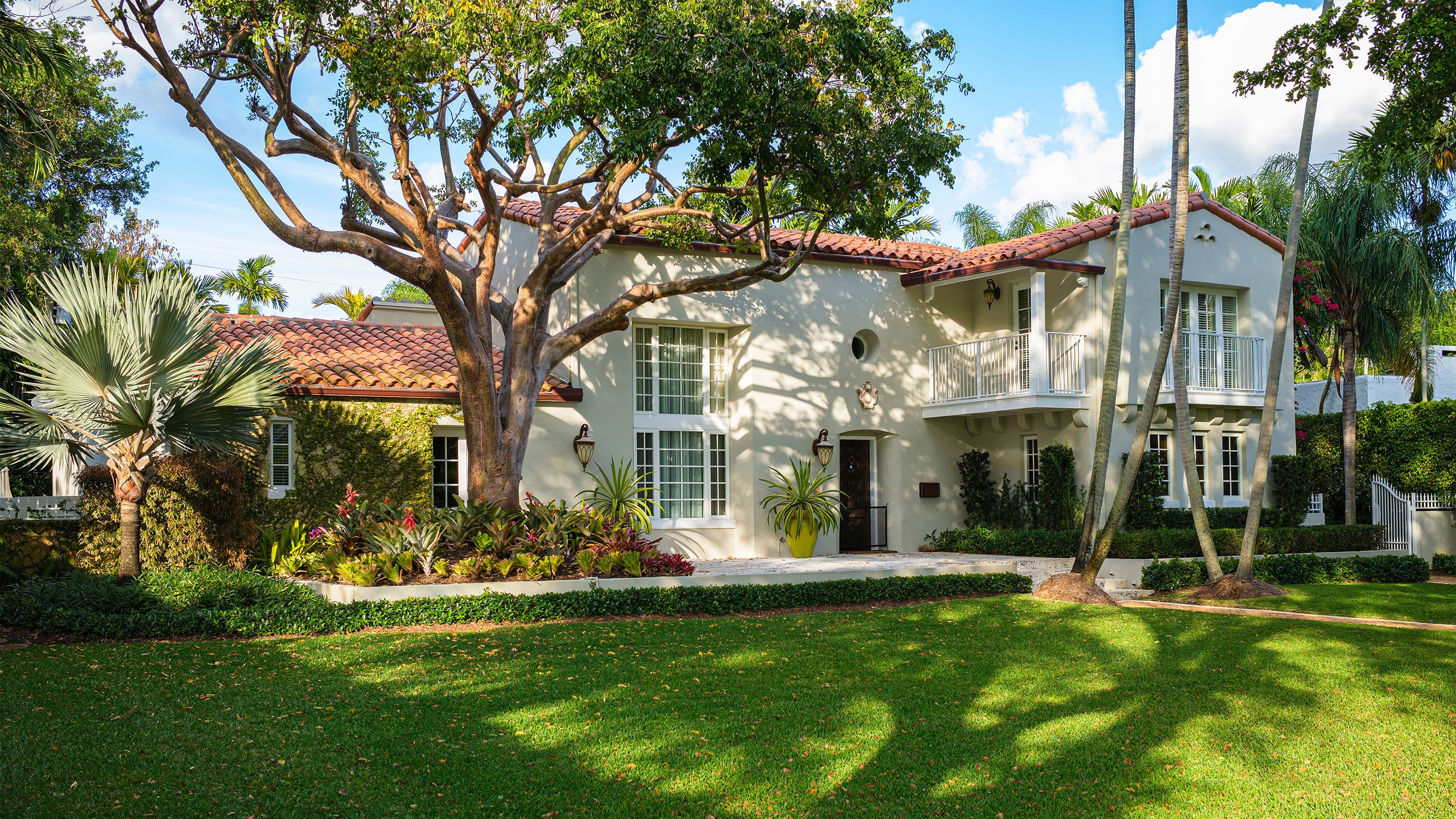
For many years, Miami was shorthand for nightlife, hospitality and winter escapes. Today, it is equally a city where globally mobile families choose to put down roots. High-performing schools, a growing roster of international companies and a year-round outdoor lifestyle make Miami especially attractive to luxury-minded parents relocating from the Northeast, California, Latin America and Europe.
Within the metropolitan area, a handful of neighborhoods consistently rise to the top for family living at the upper end of the market: Coral Gables, Pinecrest, Palmetto Bay, Coconut Grove and Key Biscayne. Each offers a distinct mix of architecture, school options, commute times and proximity to the water. Some relocating families also weigh master-planned communities in Broward such as Weston or Parkland, but this guide concentrates on the Miami enclaves where luxury, everyday practicality and easy access to the urban core converge.
What unites these communities is a shared emphasis on safety, education and quality of life. Tree-lined streets, active neighborhood associations, youth sports programs and a culture of outdoor living mean children can grow up biking to the park or sailing on weekends, while parents enjoy refined dining, culture and wellness close to home. The key is matching your family’s routines and long-term plans with the neighborhood that best reflects your values and pace of life.
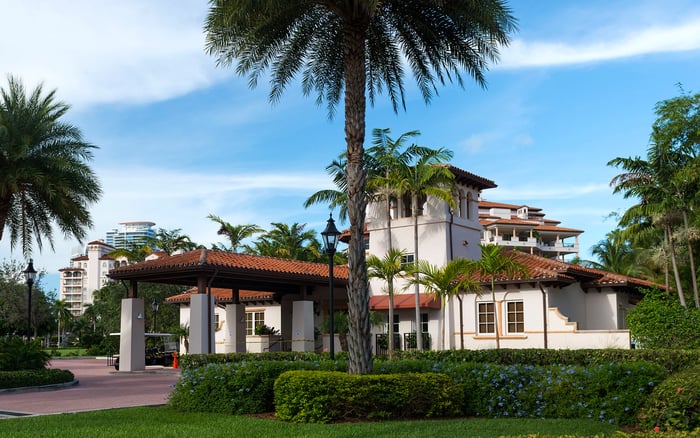
Coral-gables, often called the City Beautiful, is the choice for families who want timeless architecture and central access to the wider city. Mediterranean Revival homes, manicured boulevards and strict design standards create an atmosphere that feels both historic and impeccably maintained. Yet you are only a short drive from Brickell, Downtown Miami and Miami International Airport, keeping business travel and office commutes efficient.
Schooling is a major draw. Coral-gables offers a strong blend of well-regarded public options and highly ranked private academies, along with proximity to the University of Miami. For many parents, the appeal lies in being able to keep children in one broad catchment area from the early years through high school, reducing daily logistics and strengthening peer networks. Families often speak of how easy it is to move between school, after-school activities and home without leaving the neighborhood’s canopy of trees.
Lifestyle in Coral-gables is refined but relaxed. Miracle Mile and the surrounding streets deliver destination dining, boutiques and cafés that are busy from school pick-up through the evening. The Venetian Pool, a historic spring-fed lagoon, is a beloved weekend ritual, while local parks and the Coral Gables Youth Center anchor sports, arts and community programs. Weekend farmers markets and seasonal festivals add to the sense of a self-contained town within the city.
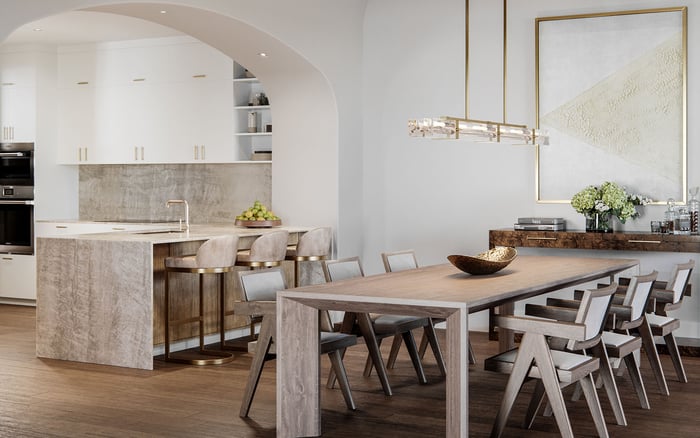
Housing here ranges from classic 1920s villas and stately golf-course estates to newer townhomes and low-rise residences. For families who appreciate the aesthetics of the area but prefer modern layouts and services, boutique developments such as The Village at Coral Gables bring contemporary construction, wellness-focused amenities and lock-and-leave convenience into the historic fabric. Taken together, Coral-gables suits buyers who prioritize beauty, walkable charm and a central location without sacrificing a strong academic environment.
Drive south from Coral-gables and the landscape opens into leafy streets, mature trees and generous lot sizes. Pinecrest is where many families graduate when they decide that a large backyard, privacy and room for multi-generational living are non-negotiable. The village is known for its expansive estates, often on half-acre or larger lots, with pools, guest houses and outdoor entertaining spaces designed to be used twelve months of the year.
Education is again central. Pinecrest has built a reputation for exceptional public schools complemented by a strong ecosystem of private options nearby. The result is that many families who might otherwise automatically default to private schooling take a more nuanced view, choosing from both systems depending on each child’s needs. The village’s calm, residential character and its own local services foster an everyday rhythm that feels secure and highly family-oriented.
Just to the south, Palmetto Bay offers a similar lifestyle at somewhat more approachable price points. Known as the Village of Parks, it weaves together residential streets with generous green spaces, playgrounds and sports facilities. Families value being able to send children to local schools, then spend afternoons at Coral Reef Park or exploring the bayfront at Thalatta Estate and the Deering Estate. The feeling is distinctly small-town, yet you remain within reach of Dadeland, South Miami and Coral Gables for shopping, dining and medical services.
From a commute perspective, both Pinecrest and Palmetto Bay typically require more drive time into Brickell or Downtown, especially at peak hours. For many affluent buyers, however, the trade-off is worthwhile: spacious homes, quieter streets, abundant parking and the ability for children to play in their own gardens. For families who value space, indoor-outdoor living and excellent school options above all, Pinecrest and its neighbor to the south are natural first stops.
If your ideal day includes walking to cafés, sailing at sunset and never feeling far from the water, Coconut-grove is likely at the top of your list. Miami’s oldest neighborhood has evolved into a cosmopolitan, village-scaled enclave where boutiques, open-air dining and shaded sidewalks sit beneath a dense tropical canopy. The atmosphere is laid-back yet sophisticated; it is common to see parents with strollers and dogs sharing the sidewalks with founders, creatives and visiting yachtsmen.
Coconut-grove is also one of the city’s strongest education hubs, with a concentration of respected private schools and well-regarded public options close at hand. Many schools are only a few minutes’ drive from the residential streets, and some families can walk or bike to campus. The neighborhood’s intimate street grid and pedestrian-friendly heart allow older children and teens to move around more independently than in many suburban settings, a quality parents often cite as invaluable.
Recreation is effortlessly integrated into daily life. Marinas, sailing clubs and waterfront parks provide easy access to Biscayne Bay, with weekend routines centered around soccer games, sailing lessons and long lunches. Cultural landmarks such as Vizcaya and tropical gardens nearby offer additional layers of enrichment. Crucially, Coconut-grove is only a short drive from Brickell’s financial district and major hospitals, allowing professionals to maintain demanding careers while enjoying a gentler residential setting.
Cross the Rickenbacker Causeway and you arrive on Key Biscayne, a compact island village embraced by the Atlantic Ocean on one side and Biscayne Bay on the other. The setting feels distinctly resort-like, yet the community is tightly knit and highly residential. Children grow up biking to the beach, the park or friends’ homes, often accompanied by parents on golf carts rather than in cars. Local public and private school options on and near the island allow many families to keep daily routines contained within a small geographic footprint.
Housing on the island runs from single-family homes on quiet interior streets to ultra-prime waterfront condominiums with extensive amenities. Developments such as Oceana Key Biscayne exemplify the level of service and design now available, combining resort-caliber pools, spa, security and concierge services with the privacy of a limited-residence building. For globally mobile families, the ability to lock the door and travel while knowing that building staff and systems are in place is often a decisive advantage.
In practical terms, Key Biscayne offers a straightforward connection to Brickell and Downtown by car, yet feels much further removed from the city’s pace. Families who choose the island typically prioritize safety, access to the water and a deeply relaxed, outdoors-driven lifestyle, and are comfortable trading a bit of commute time for those qualities.
Selecting between Coral-gables, Pinecrest, Palmetto Bay, Coconut-grove and Key Biscayne starts with an honest assessment of your non-negotiables. Commute tolerance is often the first filter: if you expect to be in Brickell or Downtown multiple times a day, the more central options may be more practical. If you travel frequently by air, proximity to Miami International Airport and the private terminals will also play a role.
The second axis is schooling. If you plan to rely primarily on public options, Pinecrest, Palmetto Bay and parts of Coral-gables become especially compelling. If you expect to lean on top-tier private schools, Coconut-grove and Coral-gables offer a dense cluster of choices, and many island families on Key Biscayne are comfortable with slightly longer school commutes in exchange for their preferred lifestyle.
Lifestyle is the final lens. Families who crave a walkable, urban village with cafés and marinas at their doorstep often gravitate to Coconut-grove or the tree-lined streets of central Coral-gables. Those who want privacy, expansive grounds and room for multi-generational households may feel more at home in Pinecrest or Palmetto Bay. If the dream involves early morning paddleboarding and evenings on the sand without ever leaving the neighborhood, Key Biscayne is in a category of its own.
Taken together, these neighborhoods give affluent families a spectrum of options, all within a relatively compact area. With the right guidance, it becomes less a question of whether Miami works for family life, and more a matter of which enclave best matches your vision of home.
Which Miami neighborhoods are strongest for public schools at the luxury end of the market?
While school needs vary by child, many families begin their search in Pinecrest and Palmetto Bay, both known for high-performing public schools and a strong community focus on education. Parts of Coral-gables also offer access to respected public options, supplemented by an excellent private school network. Working with a local advisor and, where appropriate, an educational consultant will help align specific school zones with your housing search.
How long is the commute from these neighborhoods to Brickell and Downtown Miami?
From central Coral-gables and Coconut-grove, the drive into Brickell can be around 10 to 20 minutes outside of peak congestion, which is attractive for parents with demanding schedules. Pinecrest and Palmetto Bay typically require more time, particularly during school drop-off and evening rush hours. Key Biscayne offers a direct drive across the causeway; while travel times fluctuate with traffic, many residents feel the island’s quality of life more than compensates.
Is a single-family home or a condo better for family living in Miami?
It depends on your priorities. Single-family homes in Pinecrest, Palmetto Bay and parts of Coral-gables provide privacy, yard space and room for pets, home offices and extended family. Luxury condominiums, especially in Coconut-grove and Key Biscayne, offer security, amenities and simplified maintenance that appeal to globally mobile buyers. Some families elect to begin in a condo while children are young and later transition into a larger home as routines and needs evolve.
What price ranges should luxury families expect in these areas?
Values shift constantly with supply and demand, but in broad terms, Pinecrest and Coral-gables command premium pricing for large lots and architectural quality, while Palmetto Bay often offers relative value for its space and schools. Coconut-grove and Key Biscayne combine strong neighborhood brands with limited inventory, supporting pricing at the upper end of the market, especially for waterfront or newly built product. A detailed, up-to-the-moment pricing analysis is essential before making decisions.
How far in advance should we plan a move to align with school calendars?
Ideally, families moving to Miami begin serious planning six to twelve months before the intended start of a new school year. This allows time to visit neighborhoods, identify preferred schools, understand admission timelines and secure a property in the right catchment or within a manageable commute. Early conversations with your advisor can also surface opportunities in developments such as The Village at Coral Gables or other new projects that may align with your timeline.
For a confidential discussion of your family’s priorities and curated access to the finest opportunities across these neighborhoods, connect with MILLION Luxury.
If branded residences are on your mind — as a home or as an allocation — we would be glad to share what we are seeing, privately.
Begin a quiet conversation