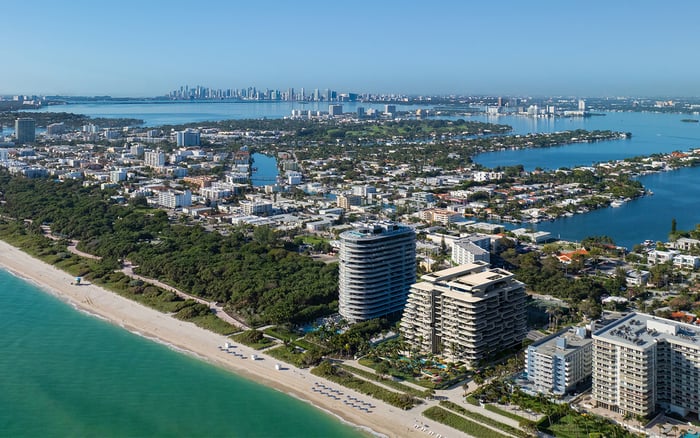
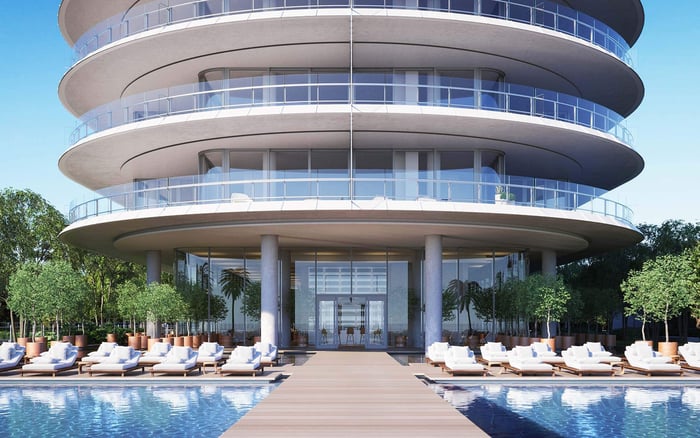
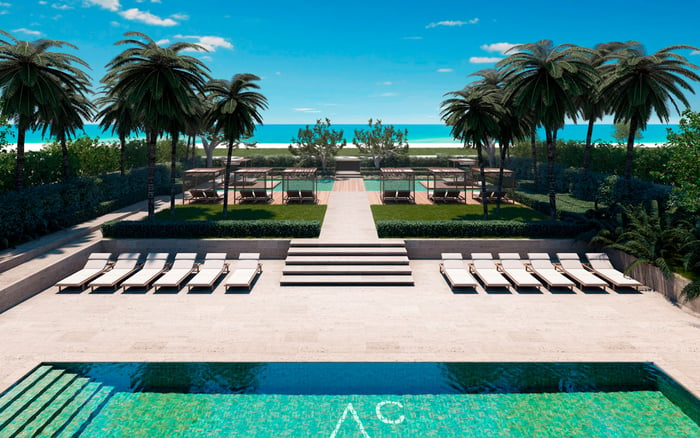
A discreet buyer’s guide to choosing Miami residences that balance walkable urban access with private arrivals, protected outdoor space, and calm interiors.
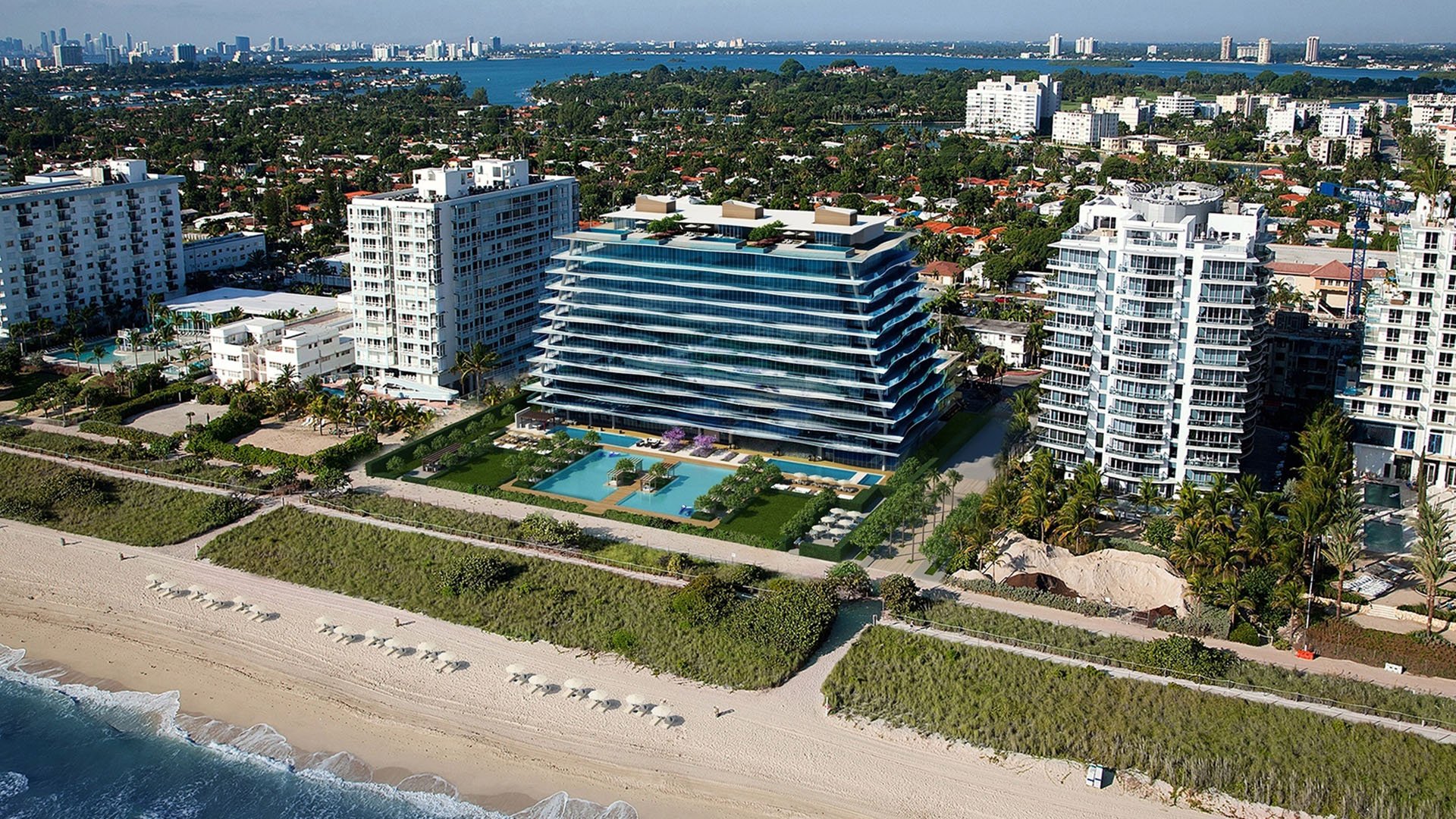
For a certain Miami buyer, convenience is no longer measured by the fastest drive to dinner. It is the ability to step out for coffee, walk to a favorite restaurant, reach the waterfront path, and return home without feeling exposed to the city’s pace. The best buildings for this lifestyle do more than sit near shops and dining. They create a deliberate transition from public energy to private calm.
That distinction matters. A highly walkable address can feel either liberating or overrun, depending on how the building is planned. Privacy is not only about being hidden. It is about arrival choreography, elevator control, amenity placement, acoustics, views, and the way residences are buffered from the street below.
For buyers comparing Brickell, Miami Beach, Coconut Grove, Surfside, and other sought-after neighborhoods, the goal is not to choose between action and serenity. The goal is to find a building where both can coexist without compromise.
True walkability starts at the front door, but true privacy begins before the elevator. The most compelling buildings tend to separate residential circulation from commercial or visitor traffic. A discreet lobby, controlled parking access, private elevator vestibules, and intuitive service corridors all contribute to a calmer daily rhythm.
The street experience matters as well. A building on a busy corridor may be highly convenient, but if the residence feels visually or acoustically exposed, the advantage can diminish quickly. Buyers should look for meaningful setbacks, landscaped thresholds, porte cochere entries, water-facing orientation, or upper-floor residences that rise above the most active pedestrian zones.
The strongest examples often have one of two personalities. Some are full-service towers that use scale to create privacy through staffing, security, and layered amenities. Others are boutique buildings where fewer residences, quieter lobbies, and limited foot traffic create a more residential atmosphere. Neither model is inherently superior. The better fit depends on how a buyer lives.
Brickell is the obvious choice for buyers who want to walk to restaurants, offices, fitness studios, and waterfront promenades. Its appeal is immediate: one can live vertically, reduce car dependence, and remain connected to Miami’s financial and dining core.
The privacy question in Brickell is more nuanced. The neighborhood is active from morning through late evening, so the building must work harder. Look for residences with controlled access points, elevated amenity decks, private or semi-private elevators, and floor plans that orient primary rooms away from the most congested streets. High-floor homes can offer stronger separation, especially when paired with waterview outlooks or protected exposures.
For buyers who love the intensity of city living, Brickell can be exceptional. The key is to avoid assuming that a luxury tower automatically delivers discretion. The right building should make returning home feel like entering a composed private club, not simply stepping off a busy sidewalk.
Miami Beach offers a different kind of walkability, shaped by dining, culture, beach access, and a slower pedestrian rhythm in select pockets. For buyers who want to walk to the ocean, a favorite cafe, or evening reservations, the neighborhood can provide a lifestyle that feels both social and restorative.
Privacy here is often determined by frontage and orientation. Oceanfront buildings may offer a strong sense of retreat because the most valuable daily experience is directed toward the water rather than the street. Residences with a generous terrace can feel especially private when landscaping, depth, and elevation create a buffer from neighboring views.
The best Miami Beach buildings for this buyer are rarely just about glamour. They are about how gracefully the building manages visibility. A grand entrance can be beautiful, but a discreet residential sequence may be more valuable over time. Buyers should assess whether beach access, pool areas, and guest pathways intersect too heavily with resident circulation.
Surfside is compelling for buyers who want walkability on a more intimate scale. It offers proximity to dining, shops, the beach, and neighboring Bal Harbour without the same degree of urban intensity found in larger districts. The result can be a rare balance: close enough to enjoy a village-like routine, removed enough to preserve quiet.
In this context, privacy is often enhanced by lower traffic, refined building scale, and a more residential street pattern. Oceanfront positioning can further separate the home from the daily movement of the town. For buyers who value discretion, Surfside can feel less performative and more personal.
Still, the same diligence applies. The most desirable buildings manage arrivals carefully, keep pool and beach areas from feeling crowded, and offer residences with thoughtful sightlines. Walkability should feel effortless, not communal by default.
Coconut Grove appeals to buyers who want a softer version of Miami walkability. Its restaurants, marinas, parks, and village streets create an environment that feels established rather than newly assembled. The Grove’s luxury buildings often benefit from greenery, bay proximity, and a neighborhood texture that naturally supports privacy.
This is where the emotional quality of the walk matters. A buyer may be able to reach dinner on foot while still returning through shaded streets and a quieter residential setting. That sense of transition can be more valuable than pure density.
When evaluating Coconut Grove, pay attention to building orientation, canopy views, bay views, and the distance between the residence and the busiest pedestrian nodes. A slightly more tucked-away address may offer the ideal compromise: walkable in practice, private in feeling.
Boutique buildings often appeal to buyers who dislike crowded elevators, busy amenity floors, and a constant stream of visitors. Fewer residences can translate into a quieter lobby, more predictable staff interaction, and a stronger sense of recognition. For a buyer who values discretion above spectacle, that can be a defining advantage.
Full-service towers, however, can deliver privacy through infrastructure. Separate service entries, valet systems, security teams, private amenity areas, and sophisticated access control may create an experience that is highly protected despite a larger population. In the best cases, scale funds convenience without sacrificing calm.
The right answer depends on temperament. A frequent host may value the staffing and amenities of a larger tower. A seasonal owner may prefer the quiet simplicity of a smaller building. A primary resident may want both: robust services and a limited number of homes per floor.
Start with the approach. Is the arrival visible from a busy street, or does the building create a protected entry sequence? Then study the lobby. Does it feel serene, or does it operate like a crossroads for residents, guests, deliveries, and service providers?
Next, evaluate vertical privacy. The number of residences per floor, elevator configuration, and hallway design can shape daily life as much as the view. Private elevators are not essential for everyone, but controlled circulation is.
Finally, test the residence itself. Open the doors, stand on the balcony or terrace, and listen. Consider sightlines from neighboring buildings. Look at where the primary bedroom faces. Notice whether the outdoor space feels usable in the morning and evening. Luxury is not only what appears in the amenity brochure. It is what remains peaceful after the building is fully occupied.
Choose Brickell if you want the highest level of urban convenience and are willing to be selective about building design. The best fit is a high-service tower with strong access control, elevated views, and a residence that feels removed from street activity.
Choose Miami Beach if your version of walkability is tied to the ocean, dining, and cultural access. The best fit is a building that filters resort energy through private residential circulation and protected outdoor space.
Choose Surfside if you want understated luxury with beach access and a quieter pedestrian rhythm. The best fit is a refined building where scale, frontage, and resident flow support discretion.
Choose Coconut Grove if you want restaurants and waterfront life wrapped in greenery and neighborhood character. The best fit is a residence that feels connected to the village while remaining buffered by landscape, elevation, or bay orientation.
The best Miami buildings for walkability without losing privacy are not always the most visible or the most talked about. They are the ones that understand sequence: street to entry, entry to elevator, elevator to residence, residence to view. Each transition should reduce noise, exposure, and friction.
For luxury buyers, the winning formula is precise. Be close to what you love, but not consumed by it. Walk to dinner, then return to quiet. Enjoy the city, close the door, and feel completely elsewhere.
What does walkability mean for a luxury Miami buyer? It means daily access to dining, fitness, waterfront paths, shops, or offices without relying on a car for every errand.
Can a building be both walkable and private? Yes, if it separates public energy from residential life through controlled arrivals, thoughtful circulation, and protected exposures.
Is Brickell too busy for privacy-focused buyers? Not necessarily. The right Brickell building can feel private if it has strong access control, elevated residences, and calm interior planning.
Why do some buyers prefer boutique buildings? Boutique buildings can offer fewer neighbors, quieter lobbies, and a more personal sense of discretion.
Are oceanfront buildings more private? They can be, especially when residences face the water and building circulation limits overlap between residents, guests, and beach access.
Should buyers prioritize high floors? High floors can improve light, views, and separation from street activity, but layout and building design remain just as important.
What role does a terrace play in privacy? A well-designed terrace can extend living space while preserving comfort through depth, elevation, landscaping, and protected sightlines.
Is Surfside a good choice for discreet walkability? Surfside can suit buyers who want beach access and local convenience in a quieter, more residential setting.
How should seasonal owners think about privacy? Seasonal owners often benefit from secure access, attentive staff, simple arrival logistics, and residences that are easy to close and reopen.
What is the simplest rule when comparing buildings? Choose the building that makes the walk enjoyable and the return home feel calm, controlled, and private.
For a discreet conversation and a curated building-by-building shortlist, connect with MILLION.
If branded residences are on your mind — as a home or as an allocation — we would be glad to share what we are seeing, privately.
Begin a quiet conversation