For Westchester buyers considering Coral Gables, the strongest purchase structure is not automatically cash or portfolio financing. It is the option that best aligns certainty, liquidity, risk tolerance, property type, ownership horizon, and the buyer’s wider balance sheet.
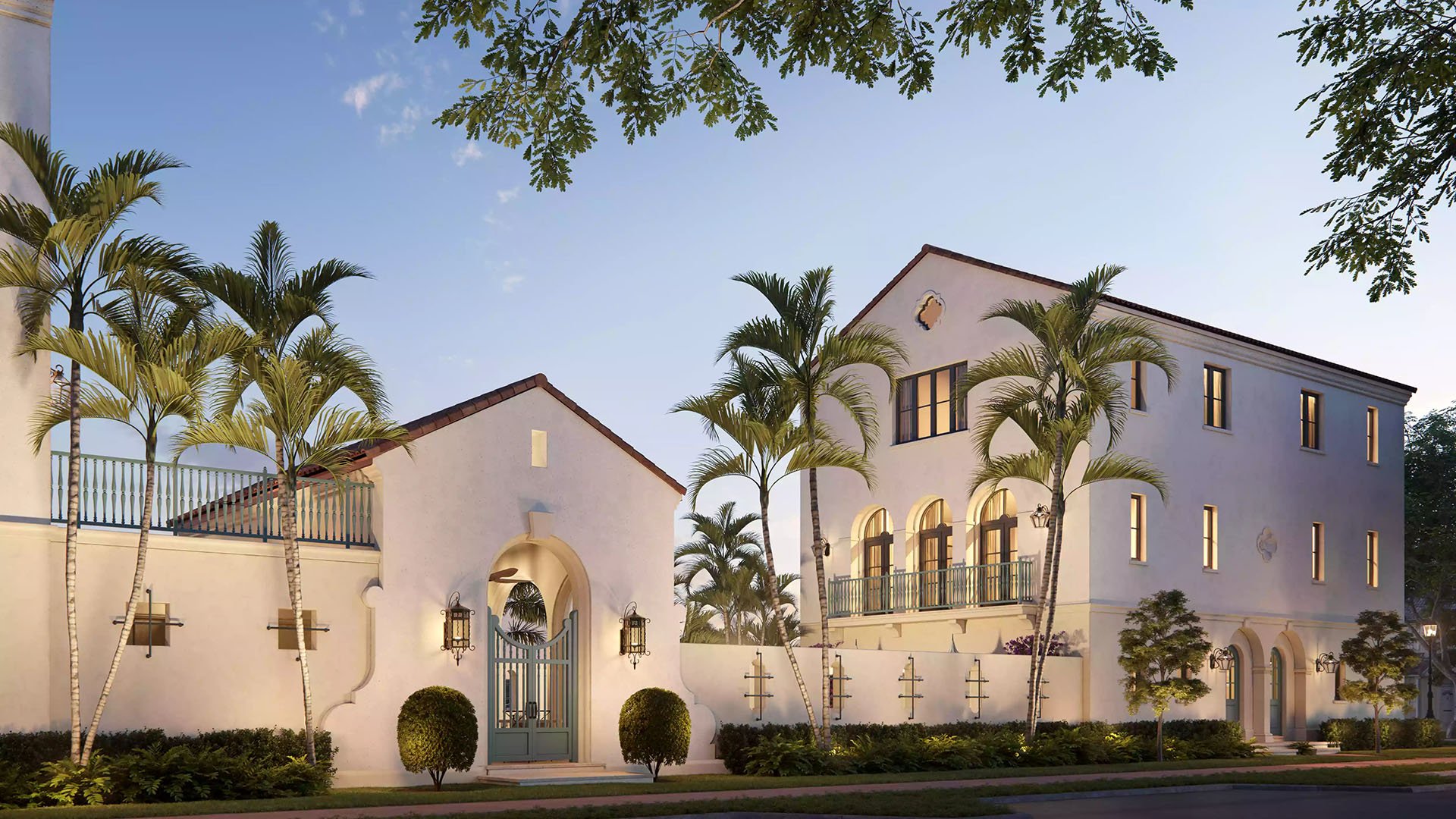
For a Westchester buyer moving into Coral Gables, the cash-versus-financing question can appear deceptively binary. In practice, it is a balance-sheet decision embedded in a real-estate negotiation. The right structure should account for the property, intended holding period, liquidity preferences, source of funds, and obligations that continue after closing.
Cash may offer clarity. Portfolio financing may preserve capital for other priorities. Neither route is inherently superior. The more valuable exercise is to define what the transaction should accomplish beyond the acquisition itself.
That distinction matters whether the search centers on a primary home, an investment, or a future family asset. It also reframes the conversation from “Which option is cheaper?” to “Which option leaves the buyer in the strongest position after closing?”
A cash strategy should be designed around certainty, not symbolism. Before making an offer, the buyer can establish the exact amount available for the acquisition, closing obligations, immediate property work, furnishings, and a post-closing reserve. This prevents the purchase price from consuming capital intended for the first year of ownership.
The central question is not simply whether the buyer can pay cash. It is whether doing so preserves an acceptable liquidity position once the transaction is complete. A disciplined plan can also determine whether funds must be moved, converted, or made available before contract milestones. Those operational details belong in the strategy before negotiations begin.
Cash buyers should still evaluate every property with the rigor associated with financing. Contract protections, inspections, title review, insurance planning, valuation discipline, and legal advice remain essential. Removing a lender does not eliminate the need for careful underwriting by the buyer and the buyer’s advisers.
Portfolio financing is best assessed as one component of the buyer’s broader capital structure. The analysis can begin with the proposed borrowing amount, pricing, collateral requirements, repayment expectations, and the circumstances under which the facility could become less comfortable to carry.
A useful comparison should extend beyond the initial rate. Buyers can examine how the arrangement behaves if portfolio values move, borrowing costs change, or the ownership timeline lengthens. They can also define how much unencumbered liquidity they want to retain after the purchase.
This is where coordination matters. A private banker can explain the facility terms, while tax, legal, and investment advisers evaluate the consequences within their respective disciplines. The real-estate team can then shape offer timing and contract terms around a financing plan that is already understood, rather than one assembled after the property is selected.
Different opportunities can require different capital plans. A completed resale purchase may present one set of timing and diligence questions, while new construction may involve a different sequence of deposits, milestones, and future funding decisions. The structure should follow the actual contract, not a generic preference for cash or debt.
Within Coral Gables, buyers may compare offerings such as Ponce Park Coral Gables, Cora Merrick Park, and The Village at Coral Gables. These properties may sit within the same geographic search, but each potential purchase still warrants an individual review of contract obligations, payment timing, ownership costs, and exit flexibility.
Intended use matters as well. A full-time residence may justify one liquidity posture; a second home may call for another. If renovation is contemplated, the buyer can reserve capital before determining the offer ceiling. If the ownership period is uncertain, flexibility may deserve greater weight than an aggressive commitment of cash.
The cleanest decision process is to model both routes against the same proposed acquisition. The first scenario can show an all-cash closing, including the reserve remaining afterward. The second can show financing, including the amount borrowed, collateral committed, expected carrying obligations, and retained liquidity.
Each scenario should use the same assumptions for purchase price, closing needs, initial improvements, annual property obligations, and holding period. Buyers can then compare outcomes rather than isolated features. The goal is not false precision, but clarity about which assumptions are doing the most work.
A third, blended scenario may also merit discussion with advisers. The buyer might consider committing substantial cash while retaining a financing option, or financing initially and reviewing the structure later. The suitability of either approach depends on the actual terms and the buyer’s circumstances.
Before authorizing an offer, a Westchester buyer can ask the advisory team to resolve several points: the maximum cash commitment, minimum desired reserve, acceptable financing exposure, timing of funds, and decision-maker responsible for each step.
The buyer should also know which conditions would cause the strategy to change. A higher purchase price, different closing schedule, planned construction, or revised loan terms may alter the preferred structure. Establishing these thresholds in advance allows the property negotiation to remain deliberate.
Finally, the structure should be documented for the buyer in plain language. A concise summary of sources, uses, deadlines, contingencies, and post-closing liquidity can keep the real-estate, banking, legal, tax, insurance, and investment conversations aligned.
Is cash automatically the stronger choice for a Coral Gables purchase? No. The stronger choice is the one that fits the contract, liquidity plan, risk tolerance, and ownership goals.
What should a buyer calculate before making a cash offer? Calculate the full acquisition commitment, near-term property needs, and the reserve that should remain after closing.
What is the main issue to examine with portfolio financing? Review the complete facility terms, collateral exposure, repayment expectations, and how the structure may respond to changing conditions.
Should financing be arranged before selecting a property? Early preparation can help the buyer understand the available terms and shape an offer around a realistic capital plan.
Does paying cash eliminate the need for diligence? No. Legal, title, inspection, insurance, valuation, and contract reviews remain important buyer protections.
How can new construction change the analysis? The buyer should map every contractual payment and preserve sufficient liquidity for future obligations and personal priorities.
How can a resale purchase change the analysis? The strategy should reflect the specific closing schedule, property condition, planned work, and desired reserve.
Should a second home be financed differently from a primary residence? It may warrant a different approach because intended use, holding period, and liquidity priorities can differ.
Who should participate in the decision? The buyer may coordinate real-estate, banking, legal, tax, insurance, and investment advisers, with each addressing their own specialty.
What is the best final test before signing? Ask whether the selected structure remains comfortable after the purchase, not merely whether it enables the closing.
For a tailored shortlist and next-step guidance, connect with MILLION.
If branded residences are on your mind — as a home or as an allocation — we would be glad to share what we are seeing, privately.
Begin a quiet conversation