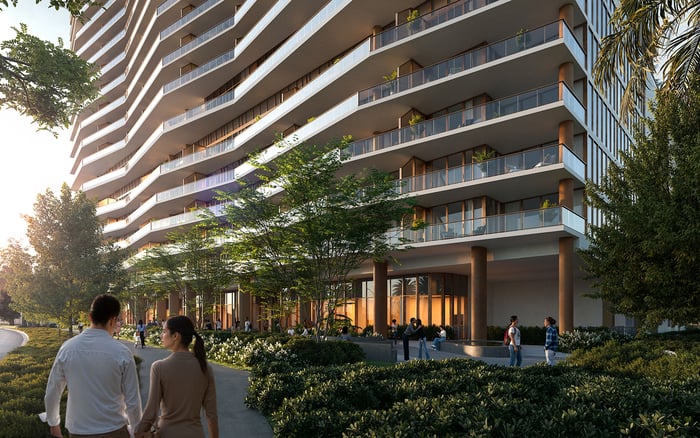
A buyer-focused look at how to evaluate management, residence oversight and hospitality-oriented service for transcontinental ownership in West Palm Beach.

For buyers dividing the year between South Florida and Singapore, the practical test of a second home extends beyond design and setting. The central question is operational: How will the residence be managed during a long absence, and what must happen before the owner returns?
The Ritz-Carlton Residences® West Palm Beach may appeal to buyers seeking a branded residential setting, but the lock-and-leave case should rest on verified services and procedures. Prospective owners should determine what the residential team handles, what requires a separate provider and which requests carry additional fees.
A well-defined operating structure can reduce the need to coordinate every routine matter independently. Its value depends on the governing documents, service terms and building procedures in effect when the buyer purchases and occupies the residence.
Distance can complicate routine ownership. Deliveries, housekeeping, vendor visits and access requests may require coordination while the owner is abroad. A central point of contact can make that process more orderly, provided the scope of support and authorization rules are clear.
Buyers should ask how requests are submitted, who can authorize work and how updates are communicated. They should also confirm whether an owner-facing platform is available rather than assuming that a particular digital tool or remote-monitoring system is included.
For a transcontinental household, the objective is not to eliminate every responsibility. It is to establish a reliable process that continues to function when the owner is away from West Palm Beach.
Lock-and-leave ownership is best evaluated as a cycle. Before departure, the owner may need to provide instructions, authorize access and schedule any desired services. During the absence, the applicable residence-check procedures should define what is inspected, how often it is reviewed and how concerns are reported.
Before returning, an owner may wish to arrange housekeeping, deliveries or other preparation. Whether those tasks are included, available on request or handled by outside providers must be confirmed directly. After departure, the same clarity is needed for securing the residence and resuming any approved oversight.
This framework helps buyers distinguish a broad hospitality concept from the specific services attached to ownership. Written procedures, current fee schedules and clear communication channels are more useful than assumptions about what a branded residence will provide.
Buyers considering a branded or service-oriented residence in Palm Beach County can compare several projects while focusing on operating models rather than names alone. Mandarin Oriental Residences, West Palm Beach offers one local point of comparison, while South Flagler House West Palm Beach broadens the West Palm Beach search.
Households also considering Palm Beach Gardens can review The Ritz-Carlton Residences® Palm Beach Gardens. For each property, buyers should compare the actual scope of residential management, access procedures, fee structure and support available during an extended absence.
The most suitable choice will depend on the owner’s travel pattern, privacy expectations and preferred level of delegation. A project name alone does not establish that fit.
Before committing, buyers should review the current condominium documents and service materials. Key questions include which services are included in common charges, which are billed separately and whether outside vendors must meet specific access or insurance requirements.
Owners should also ask about extended-absence protocols, emergency contacts and the process for approving work while abroad. Staffing levels, response times, maintenance schedules and residence-check practices should be confirmed rather than inferred.
Arrival and departure requests deserve the same scrutiny. Buyers should identify what can be scheduled, how much notice is required and who remains responsible for tasks outside the residential team’s scope.
The lock-and-leave appeal of The Ritz-Carlton Residences® West Palm Beach ultimately depends on whether its verified operating framework matches the buyer’s needs. For someone splitting time between South Florida and Singapore, a clear channel for requests and well-documented absence procedures can reduce ownership friction.
The decision should therefore combine lifestyle preferences with operational due diligence. Buyers who understand the division of responsibilities, applicable fees and authorization process will be better positioned to judge whether the residence supports their travel pattern.
What does lock-and-leave ownership mean in this context? It refers to an ownership approach designed around periods when the residence is unoccupied, with procedures for departure, absence and return.
Why is a central point of contact useful for a Singapore-based owner? It can reduce the number of separate parties the owner must coordinate across distance, subject to the residence’s actual service scope.
Which services should a buyer ask about? Buyers should ask about housekeeping, deliveries, vendor access, residence checks and arrival or departure requests.
Should buyers assume pre-arrival preparation is included? No. Availability, notice requirements and fees should be confirmed directly.
How should an owner evaluate absence oversight? The owner should request written details about what is reviewed, how concerns are reported and who is responsible for follow-up.
Are all residential services covered by common charges? Buyers should verify the current fee structure because some requested services may be billed separately.
What building policies are especially relevant? Access rules, vendor authorization, insurance requirements and extended-absence procedures deserve careful review.
Should a buyer expect a particular app or monitoring system? No. Any digital tools or remote-monitoring features should be verified before purchase.
Why compare other Palm Beach County residences? Comparing operating models can help buyers identify the service structure that best fits their travel pattern and desired level of delegation.
What is the most important due-diligence step? Review current documents and service terms so the responsibilities of the owner, residential team and outside providers are clear.
For a confidential assessment and a building-by-building shortlist, connect with MILLION.
If branded residences are on your mind — as a home or as an allocation — we would be glad to share what we are seeing, privately.
Begin a quiet conversation