A discreet buyer’s guide to evaluating Bal Harbour luxury residences for households with multiple pets, from pet-policy review to terrace planning, elevators, finishes, and nearby alternatives.
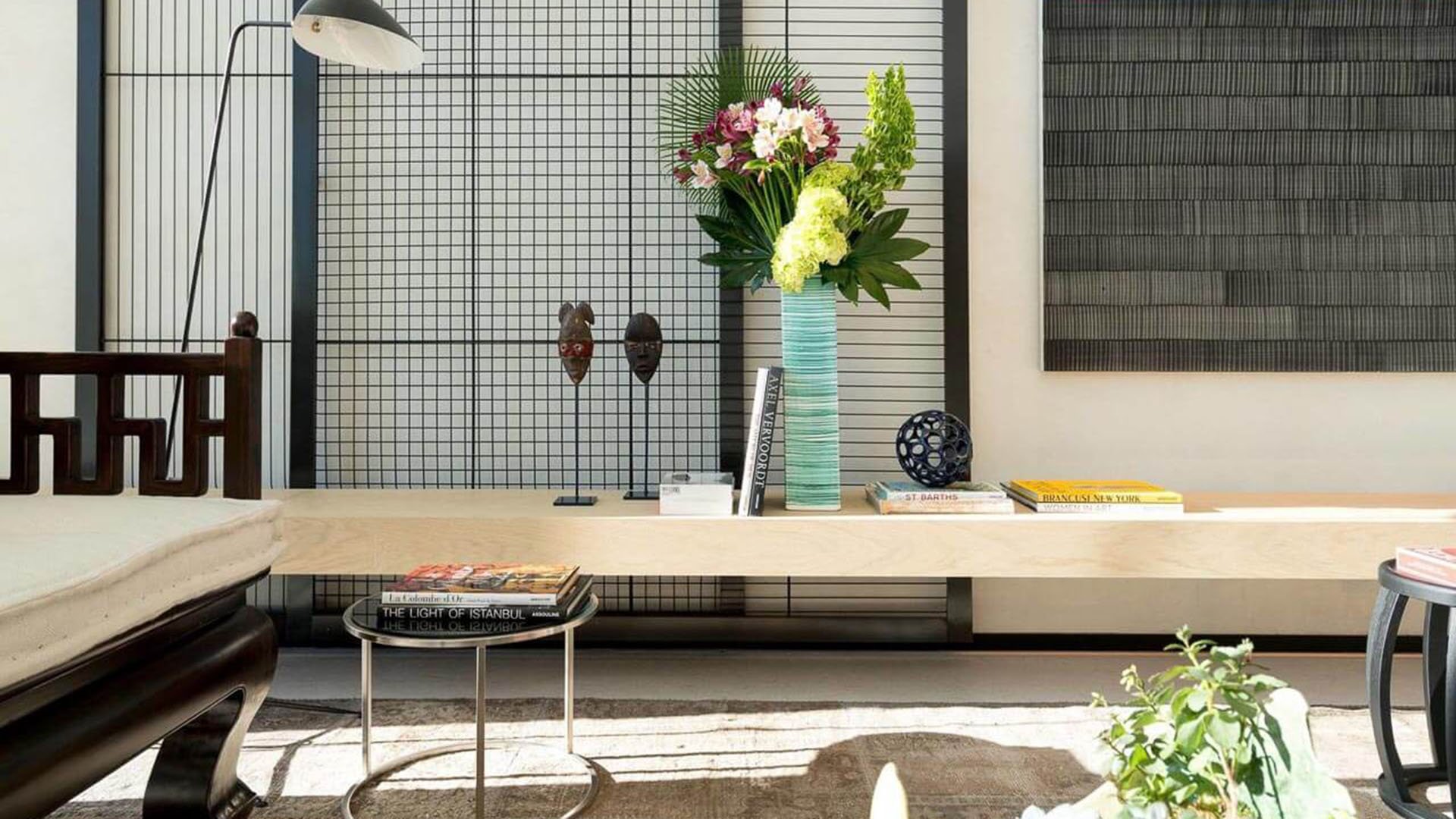
Bal Harbour has a distinct appeal for buyers who prefer a quieter expression of luxury: polished buildings, coastal light, privacy, and a residential rhythm that feels removed without feeling isolated. For households with more than one pet, however, the best residence is not simply the one with the most dramatic view or the largest floor plan. It is the home where rules, circulation, service access, outdoor space, and interior durability align with how the household actually lives.
The first distinction matters. A luxury building may be pet-friendly without being ideal for multiple pets. Some associations differentiate by number, size, weight, breed, approval process, elevator use, common-area access, or leasing status. A buyer with two dogs, a dog and a cat, or a larger pet household should review the governing documents before becoming emotionally attached to any residence. In Bal Harbour, that diligence is not a formality. It is the difference between a beautiful acquisition and a seamless one.
The most comfortable buildings for multiple-pet owners tend to have a culture of calm. That does not necessarily mean visible pet programming. In the ultra-luxury tier, the stronger signal is often operational discipline: clear rules, well-managed arrivals, attentive staff, discreet service pathways, and a resident profile that values quiet daily order.
For a buyer considering Rivage Bal Harbour, the conversation should begin with fit rather than assumption. Ask how pet registration works, whether there are limits per residence, how elevator protocols are handled, and whether pet access varies by time, entrance, or service route. The goal is not to find loopholes. It is to understand whether the building’s rhythm supports a household where pets are part of everyday life.
For resale-oriented buyers, Oceana Bal Harbour will naturally appear in many Bal Harbour conversations. Here, too, the right approach is document-led. Confirm the current rules, any association approval requirements, and how staff manages arrivals, deliveries, vendors, and pet movement through common areas. A polished lobby experience is only one layer of comfort; the stronger test is how gracefully daily routines are absorbed by the building.
Oceanfront luxury is seductive, but pets experience it through a different lens. Elevators, lobby transitions, grooming after walks, and flooring performance can become as meaningful as the view corridor. Buyers should study the path from residence to exterior access as carefully as they study the primary suite.
A multiple-pet household may prefer a floor plan with a generous entry gallery, a laundry or utility zone near the service path, and enough separation between entertaining spaces and pet-care routines. Stone, porcelain, engineered surfaces, and performance fabrics can be more important than delicate finishes in high-traffic areas. The best interiors do not look compromised. They quietly anticipate life.
Terrace planning is equally important. A terrace can be a superb extension of the home, but it should never be evaluated by square footage alone. Consider door thresholds, shaded areas, drainage, furniture layout, railing conditions, and supervision. For cats, small dogs, or anxious animals, the details matter. For larger dogs, circulation width and durable outdoor surfaces may matter more than a postcard view.
In a traditional luxury search, buyers often ask about exposures, ceiling heights, views, and finishes first. Multiple-pet buyers should add another category: friction. How many turns are required from the elevator to the residence? Is there a service elevator that can be used comfortably? Are there peak times when common areas feel congested? Is the parking arrival simple with pets, bags, and guests?
The answer may favor a residence that is not the most dramatic on paper but is far better in practice. A slightly more efficient plan with stronger elevator proximity may outperform a larger home with awkward daily circulation. Likewise, a residence with a gracious foyer can make arrivals calmer, especially when more than one animal is entering at the same time.
Dog-park proximity may be relevant for some buyers, but it should not be the only criterion. Many ultra-prime households prefer predictable private routines, professional walkers, beach-adjacent strolls where permitted, or carefully timed outings. The larger point is consistency. The building should make those routines feel civilized rather than improvised.
A disciplined Bal Harbour search can also include nearby alternatives if a specific pet profile requires more flexibility. This is not a compromise when handled correctly. Surfside, Bay Harbor Islands, and selected waterfront enclaves can offer comparable privacy, different building scales, and a slightly altered day-to-day rhythm.
A buyer drawn to Surfside might compare Bal Harbour options with The Delmore Surfside, especially if the household wants to evaluate boutique scale and coastal positioning in a nearby setting. The inquiry should remain the same: verify the number of pets allowed, approval procedures, elevator use, and any restrictions that affect daily movement.
Across the water, Bay Harbor Islands can be relevant for buyers who value a quieter residential cadence and proximity to Bal Harbour without insisting on an oceanfront address. Bay Harbor Towers and Onda Bay Harbor may enter the comparison set for buyers weighing waterfront living, boutique scale, and practical access. Again, the building documents, not the marketing impression, should guide the decision.
For multiple-pet buyers, the most important reading is rarely the glossy brochure. Ask for the condominium documents, house rules, pet application requirements, move-in procedures, and any amendments relevant to animals. If the purchase is for seasonal use, confirm whether pet rules differ for owners, guests, tenants, or household staff. If the buyer travels frequently, ask how the building treats pet sitters, walkers, and recurring service providers.
It is also wise to clarify insurance expectations, nuisance provisions, noise rules, and balcony or terrace restrictions. These are not glamorous details, but they protect the lifestyle. A building that is precise about rules can be more comfortable than one that is vague, because residents know what to expect.
The best outcome is a residence where beauty and compliance are aligned. A multiple-pet household should be able to host dinner, receive guests, step out for a walk, and manage grooming or care routines without feeling that the home is constantly negotiating with the building.
The strongest Bal Harbour residence for multiple pets is the one that passes three tests. First, the rules must clearly permit the household’s pet profile. Second, the plan must support daily routines without visual or operational clutter. Third, the building culture must feel gracious toward residents who live with animals, not merely tolerant of them.
When those elements align, luxury becomes quieter. The residence feels ordered, the pets settle into predictable patterns, and the owner enjoys the best of Bal Harbour without logistical drag. That is the standard worth pursuing: not just a residence that allows pets, but a residence that lets the entire household live well.
Are Bal Harbour luxury residences generally suitable for multiple pets? Some may be suitable, but each building can set its own rules. Buyers should verify the exact pet policy before making an offer.
What is the first document a multiple-pet buyer should request? Ask for the condominium documents and current house rules. These should clarify pet limits, approvals, access, and restrictions.
Should I rely on verbal confirmation about pet rules? No. Verbal guidance can be useful, but the controlling documents and written approvals matter most.
Is oceanfront living practical with more than one pet? It can be, if circulation, elevator access, flooring, and outdoor routines are well matched to the household.
Does a larger residence automatically work better for pets? Not always. Layout, entry sequence, service areas, and durable finishes can matter more than total size.
Why is terrace design important for pet owners? Terrace usability affects supervision, comfort, shade, and safety. Buyers should evaluate details rather than only measuring size.
Should buyers compare Surfside or Bay Harbor Islands? Yes, if the pet profile requires more flexibility or a different building scale. Nearby options can broaden the search intelligently.
Can pet policies change after purchase? Association rules can evolve, so buyers should understand current documents and ask about any pending changes before closing.
Are service providers such as dog walkers usually allowed? Policies vary by building. Confirm registration, access routes, insurance needs, and recurring visitor procedures in writing.
What makes the best residence for multiple pets? The best fit combines clear permission, elegant daily logistics, durable interiors, and a building culture that feels calm.
For a discreet conversation and a curated building-by-building shortlist, connect with MILLION.
If branded residences are on your mind — as a home or as an allocation — we would be glad to share what we are seeing, privately.
Begin a quiet conversation