A discreet buyer guide for Mexico City families and investors considering Miami Beach real estate through trust ownership, with a focus on privacy, advisory coordination, building selection, and practical questions before contract.
For a Mexico City buyer considering Miami Beach, privacy is rarely an afterthought. It is often central to the acquisition thesis, alongside waterfront orientation, building services, estate planning, family governance, and long-term use. The question is not simply whether a trust can own a residence. The more precise question is whether the chosen ownership structure supports the buyer’s broader life, including discretion, succession, tax coordination, financing, insurance, and eventual resale.
Trust ownership can sound elegantly simple from a distance. In practice, it requires careful coordination. A buyer may be thinking about family privacy, asset continuity, generational planning, or separating personal visibility from a high-profile residence. Yet every layer of a transaction has its own requirements. The contract, title process, lender review, building approval, insurance placement, and post-closing administration should all be considered before a buyer assumes that one structure will solve every concern.
That is especially true for buyers moving between Mexico City and Miami Beach, where the purchase is often part residence, part lifestyle base, and part family office decision. The right structure should be settled early enough that the buyer is not trying to revise documents, reissue approvals, or explain last-minute ownership changes during a competitive negotiation.
In prime South Florida real estate, privacy is best understood as a series of layers. The first is the purchasing party named in the offer. The second is the entity or trust that will appear in transaction documents. The third is the group of people who must be disclosed to professionals, lenders, insurers, associations, or other parties involved in closing. The fourth is day-to-day privacy once the residence is owned and occupied.
A trust may support discretion, but it does not remove the need for transparency where disclosure is required. Buyers should assume that sophisticated counterparties will ask appropriate questions and that service providers will need complete information to do their work. A strong structure is therefore not built around concealment. It is built around order, consistency, and a clear understanding of who needs to know what, and when.
For buyers comparing Miami Beach, Brickell, Bay Harbor Islands, Surfside, investment-oriented residences, and new construction, the privacy conversation changes by neighborhood and product type. A full-service oceanfront condominium may feel very different from a boutique waterfront building, a branded tower, or a quieter residential enclave. The legal structure is only one part of the experience.
Miami Beach attracts buyers who want immediate access to the water, design, restaurants, wellness, boating, and a highly international social rhythm. For Mexico City residents, it can function as a weekend base, seasonal residence, family gathering point, or long-horizon hold. In that context, trust ownership should be evaluated alongside the building’s culture and operating style.
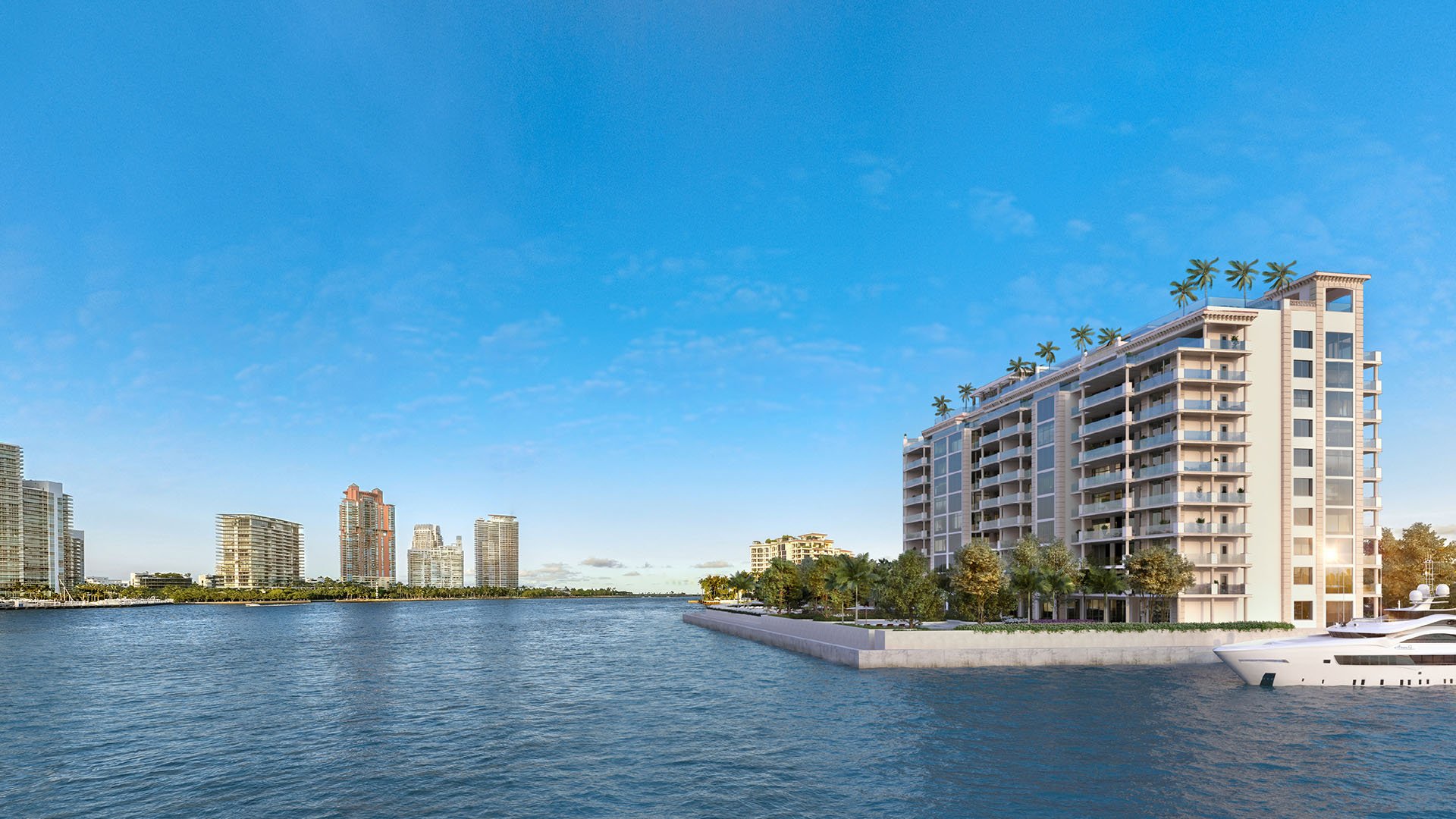
At a project such as The Perigon Miami Beach, buyers may be focused on how service, setting, and building procedures align with privacy goals. The ownership conversation should begin before selection becomes emotional. If a trust is being considered, the buyer’s advisory team should know whether the acquisition is intended for personal use, family occupancy, eventual transfer, or a more flexible ownership plan.
The same principle applies in South Beach, where a buyer comparing established trophy buildings with new private collections should ask how the ownership structure will interact with building approval, guest protocols, household staff, and family use. Privacy after closing is not only about documents. It is about how the residence functions in real life.
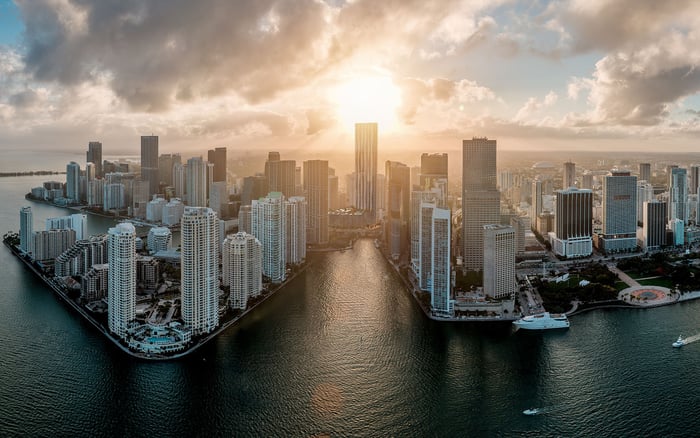
Some Mexico City buyers begin with Miami Beach and then widen the search. Brickell can appeal to those who want a financial-district lifestyle, skyline views, restaurants, and fast access to private banking, business meetings, and international travel. A residence such as St. Regis® Residences Brickell may be considered by buyers who value service, brand standards, and an urban setting.
Bay Harbor Islands often enters the conversation when a buyer wants a quieter residential scale while remaining close to Bal Harbour, Surfside, and Miami Beach. In that context, The Well Bay Harbor Islands can be part of a search focused on wellness, calm, and a more discreet daily pattern. The ownership analysis remains the same, but the lifestyle objective may be different: less visibility, more routine, and a softer rhythm.
Surfside can offer another version of privacy, particularly for buyers who want ocean proximity without the same level of intensity associated with busier corridors. At The Delmore Surfside, the appeal may be as much about residential composure as design. For a trust buyer, the key is to align the desired lifestyle with the way the building reviews ownership, occupancy, and ongoing administration.
The most important trust questions should be addressed before the buyer signs a contract. Who will be the purchaser of record? Who has authority to sign? Will financing be used? If the property is new construction, will the developer require specific approval steps for assignment or title changes before closing? If the purchase is resale, how will the association review the applicant and beneficial ownership information?
Buyers should also consider how the trust will be managed over time. A residence is not passive simply because it is held in a structure. Bills must be paid, insurance renewed, association communications answered, repairs approved, and family access coordinated. If the buyer travels frequently between Mexico City, Miami, and other destinations, the administrative side should be designed with the same care as the ownership documents.
Privacy can be weakened by inconsistency. If one name appears in the contract, another in the financing package, another in insurance, and another in association communications, the closing process can become unnecessarily exposed and inefficient. The more sophisticated approach is to let counsel, tax advisors, wealth advisors, and the real estate team agree on a single roadmap before the negotiation begins.
For high-net-worth buyers, discretion is not only about legal structure. It is also about the rhythm of ownership. Who receives packages? Who coordinates vendors? Who is authorized to speak with the building? How are guests introduced? How are family members added to access systems? These questions may feel operational, but they can matter deeply to a buyer who values privacy.
The best buildings are accustomed to sophisticated owners, but each property has its own procedures. A buyer should ask about management style, staffing, guest policies, renovation protocols, service entrances, valet practices, and household vendor coordination. None of these details replaces legal planning. Together, however, they shape the lived experience of discretion.
The most successful Mexico City to Miami Beach purchases tend to be those where structure and lifestyle reinforce each other. The trust, if used, should support the family’s goals without making daily ownership cumbersome. The building should match the buyer’s desired level of visibility. The advisory team should understand both jurisdictions and communicate early. In luxury real estate, privacy is rarely achieved by one document. It is achieved by disciplined preparation.
Can a Mexico City buyer purchase a Miami Beach residence through a trust? This is a question to evaluate with qualified legal and tax advisors before contract. The structure should match the buyer’s family, financing, and long-term ownership goals.
Does trust ownership guarantee privacy? No ownership structure should be treated as a guarantee of anonymity. Privacy depends on the full transaction process, building requirements, and ongoing administration.
When should the trust conversation begin? Ideally before an offer is written. Early planning helps avoid inconsistent paperwork and last-minute changes during closing.
Will a condominium association review trust ownership? Buyers should expect the building approval process to ask for appropriate ownership and applicant information. Requirements can vary by property.
Is trust ownership only for estate planning? Not necessarily. Buyers may consider it for succession, governance, privacy, administrative clarity, or broader family planning.
Can financing affect the structure? Yes, financing can influence how ownership is reviewed and documented. Buyers should coordinate lender expectations with counsel in advance.
Are new-construction purchases different? They can be. Buyers should understand contract terms, closing mechanics, and any approval steps before changing the purchasing structure.
Should privacy influence the neighborhood search? Yes. Miami Beach, Brickell, Bay Harbor Islands, and Surfside can offer different daily experiences, building cultures, and visibility levels.
Who should be on the advisory team? A buyer should coordinate real estate counsel, tax advisors, wealth advisors, and a market specialist who understands luxury building practices.
What is the biggest mistake to avoid? Treating privacy as a last-minute closing detail. The most discreet purchases are planned before the first serious negotiation.
For a confidential assessment and a building-by-building shortlist, connect with MILLION.
If branded residences are on your mind — as a home or as an allocation — we would be glad to share what we are seeing, privately.
Begin a quiet conversation