A buyer-focused acoustic checklist for 2026 purchasers evaluating Bentley Residences Sunny Isles as a serious home-office platform, from façade performance to vibration, HVAC, plumbing risers and pre-closing verification.
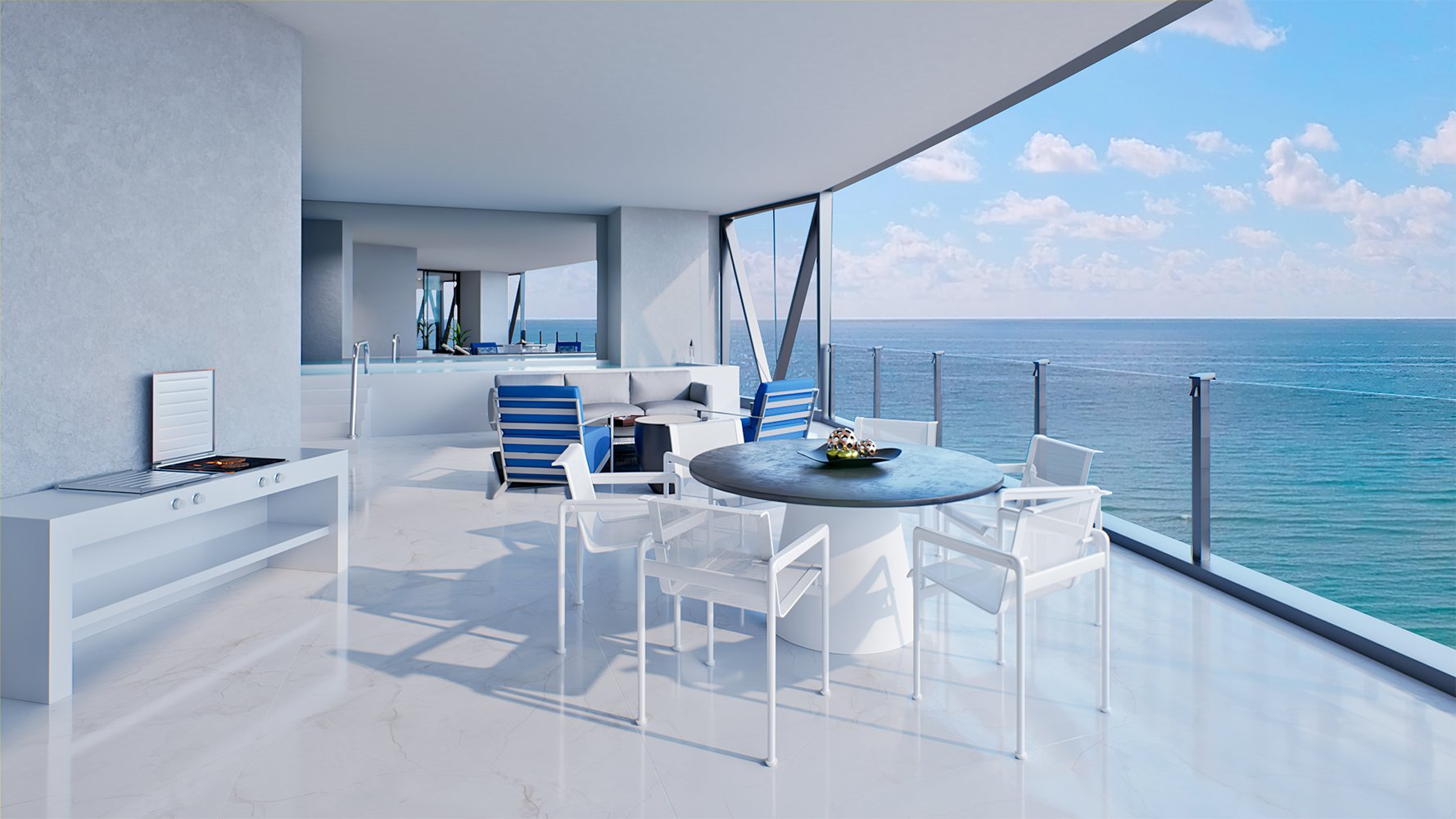
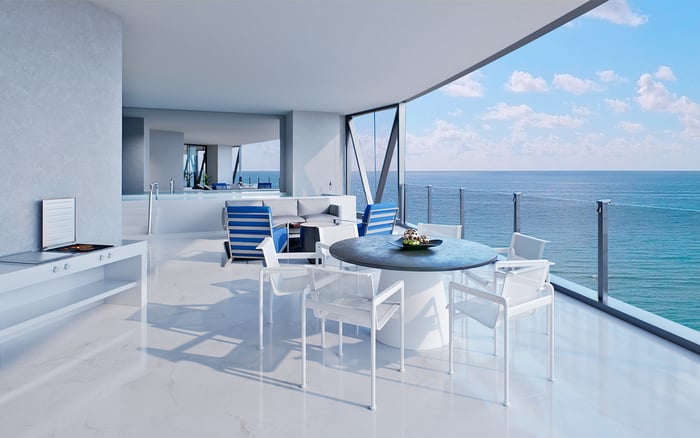
Bentley Residences Sunny Isles is not merely another branded tower on a coastal skyline. It is positioned as an ultra-luxury oceanfront residential tower in Sunny Isles Beach, with Bentley’s automotive design language translated into high-rise residential architecture. Its cylindrical form, in-residence vehicle access concept and signature car-elevator narrative create a distinctive ownership proposition. For a 2026 buyer, however, the most valuable room may be the quietest one.
A residence that supports board meetings, telemedicine, trading, confidential legal calls or high-value remote work needs more than a beautiful desk view. Home-office acoustic quality affects daily productivity, speech privacy, video-call polish and perceived long-term resale desirability. In that context, Bentley Residences Sunny Isles should be evaluated not only as a design statement, but as a serious work platform.
The due-diligence lens is straightforward: identify where sound can enter, travel, resonate or distract. Glass, terraces, sky garages, pools and resort-style amenities can all shape perceived quiet. In a premium tower, silence is not a default luxury. It is a performance outcome that should be reviewed, documented and verified.
Oceanfront living delivers the atmosphere buyers want, but it also creates a more complex soundscape. Acoustic diligence in Sunny Isles should account for ocean surf, coastal wind, Collins Avenue traffic, nearby construction cycles and mechanical plant noise. None of these should be treated as automatic deal-breakers. They are variables to measure against the intended use of the home office.
Start with orientation. A room that appears ideal because it faces the water may experience different acoustic conditions than a more sheltered room deeper in the floor plan. Terrace exposure, corner conditions and proximity to major exterior openings can matter. Terrace doors and window assemblies deserve particular scrutiny because sliding-door and window systems are common weak points for exterior noise intrusion in luxury high-rise residences.
This is where comparisons across the Sunny Isles luxury set can sharpen the diligence. Buyers also reviewing St. Regis® Residences Sunny Isles or The Ritz-Carlton Residences® Sunny Isles should carry the same acoustic checklist from one sales gallery to the next. The right question is not simply which residence has the best view. It is which room can remain composed during a confidential call.
Pre-construction buyers should ask for the acoustic story before signing, not after furniture plans are underway. The goal is not to demand a single magic number. It is to understand how the design team is addressing the complete sound pathway: façade, interior partitions, floor slabs, mechanical systems and vibration isolation.
Ask how the façade specifications account for exterior noise. In all-glass oceanfront architecture, window and curtain-wall performance can be central to interior quiet. Ask specifically about sliding assemblies, seals and balcony-door conditions. A beautiful opening system can still be the most acoustically vulnerable line in a room if it is not detailed with performance in mind.
Then ask how the residence handles STC, OITC, vibration isolation, flanking paths, reverberation time and background noise criteria. These terms should not be treated as decorative jargon. STC and OITC relate to how assemblies resist different sound conditions. Flanking paths address sound that bypasses the obvious wall or door. Reverberation time concerns how sound behaves inside the room. Background noise criteria shape how noticeable mechanical hum or airflow may become during a call.
A buyer does not need to become an acoustician. But a buyer should insist that the people advising the purchase can translate those terms into clear consequences for one specific room.
The best acoustic decision may be choosing the correct room before design upgrades are considered. Floor-slab and partition systems should be evaluated for airborne sound, impact noise and flanking paths between adjacent residences or amenity areas. A room directly influenced by shared circulation, amenity traffic or equipment may require more attention than a room buffered by closets or secondary spaces.
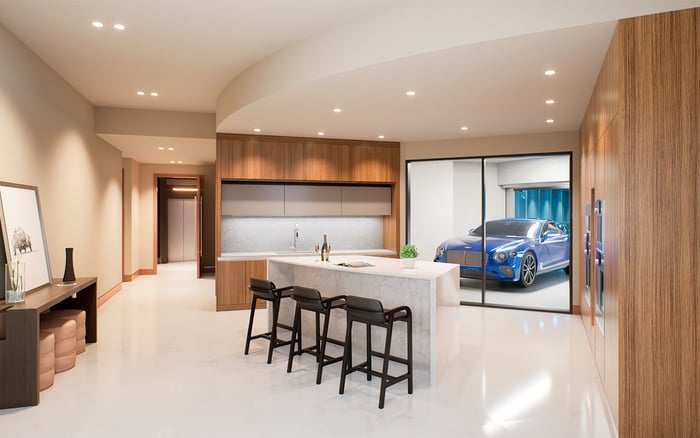
Elevator-core, car-elevator and garage-adjacent locations deserve careful review. At Bentley Residences Sunny Isles, the car-elevator concept is part of the tower’s identity, which makes vibration, operational sound and adjacency especially relevant for buyers planning a dedicated office. The issue is not whether the concept is desirable. It is how the chosen office location relates to the building’s most dynamic systems.
Plumbing-stack locations should also be reviewed before the office plan is finalized. Vertical risers can create intermittent noise during working hours, which is especially noticeable in a quiet room used for calls or recordings. A powder room, laundry zone or wet wall near a proposed office may look harmless on paper, but the acoustic consequences should be understood.
This same discipline applies to other high-end coastal residences, from Turnberry Ocean Club Sunny Isles to newer towers in neighboring markets. A serious office plan starts with adjacency, not accessories.
In-unit HVAC strategy belongs in the due-diligence file. Fan noise, duct transmission and equipment vibration can affect calls, recordings and the subjective feeling of calm. A room that is visually perfect can still disappoint if the microphone captures airflow noise or the occupant hears equipment cycling during every meeting.
Ask where equipment is located, how ducts serve the proposed office and whether the room can be conditioned without excessive airflow noise. Also ask how return-air paths are treated. Sound can travel through openings that were designed for comfort, not privacy.
Background noise is not always bad. An extremely quiet room can make small mechanical clicks or plumbing events more noticeable. A well-balanced room keeps ambient sound controlled and even, without creating a sterile environment where every disturbance becomes prominent.
For buyers using the residence as an investor-grade work environment, the question is practical: can this room support a decisive conversation at any hour, with the door closed and the city outside?
Investment buyers often focus on view, brand, floor height, amenity depth and finish quality. In 2026, the quiet office deserves a place beside those criteria. Remote work has matured from lifestyle convenience into a daily infrastructure need for many high-net-worth owners. A residence that can host serious work without acoustic compromise may carry a more durable ownership story.
This does not mean every buyer needs a studio-grade room. It means speech privacy, video-call clarity and controllable distractions should be part of the premium experience. A buyer comparing Bentley Residences Sunny Isles with Armani Casa Sunny Isles Beach may love both design languages, yet still need to ask which plan best protects work hours.
For a Sunny Isles buyer, the acoustic office is also a form of optionality. It can function as a private study, family office, wellness consultation room or secure communications space. Oceanfront beauty may sell the dream, but daily usability sustains the ownership case.
The strongest acoustic process begins before contract, continues through design coordination and returns at pre-closing inspection. By the final walk-through, the buyer should not be asking first questions. The buyer should be verifying earlier assumptions.
During inspection, stand in the intended office with doors closed. Listen near sliders, interior doors, mechanical grilles, wet walls and corridor-adjacent partitions. Note whether sound feels directional, intermittent or vibration-based. Test the room during a typical work-hour window if possible, when traffic, amenity use and building systems are more likely to be active.
If custom millwork, rugs, drapery or acoustic treatments are planned, separate what the base residence provides from what the interior design package may improve. A quiet office should not depend entirely on furnishings to solve a construction or adjacency issue.
Should acoustics be reviewed before signing a contract? Yes. The most useful acoustic decisions are made before contract, then refined during design coordination and checked again before closing.
Is Bentley Residences Sunny Isles a good candidate for a home office? It can be, but buyers should evaluate façade performance, room location, HVAC, plumbing, elevator adjacency and amenity proximity before relying on a room for serious work.
What exterior noise sources matter most in Sunny Isles? Buyers should consider ocean surf, coastal wind, Collins Avenue traffic, nearby construction cycles and mechanical plant noise.
Why are sliding doors important in an acoustic review? Sliding doors and window assemblies can be weak points for exterior noise intrusion, especially in glass-forward oceanfront residences.
Should I ask about STC and OITC? Yes, but do not stop at acronyms. Ask how the full design addresses exterior noise, interior privacy, flanking paths and background sound.
Can a car-elevator concept affect office planning? It may influence the diligence process. Buyers should review whether the office is near elevator, garage or equipment zones that could introduce vibration or operational sound.
Do plumbing risers matter for a home office? Yes. Plumbing-stack locations can create intermittent noise, so they should be checked before finalizing an office layout.
Can HVAC noise affect video calls? Yes. Fan noise, duct transmission and equipment vibration can be picked up by microphones and can reduce the perceived calm of the room.
Is acoustic quality relevant to resale? It can be. A quiet, credible work environment may strengthen the residence’s long-term appeal for buyers who value productivity and privacy.
What should I verify at pre-closing? Listen in the intended office with doors closed, paying attention to sliders, grilles, wet walls, corridors, amenity adjacency and vibration cues.
When you're ready to tour or underwrite the options, connect with MILLION.
If branded residences are on your mind — as a home or as an allocation — we would be glad to share what we are seeing, privately.
Begin a quiet conversation