A practical buyer analysis of Tula Residences and Continuum Club & Residences in North Bay Village, focused on beach access, bayfront exposure, terrace usability, and peak-season crowding.
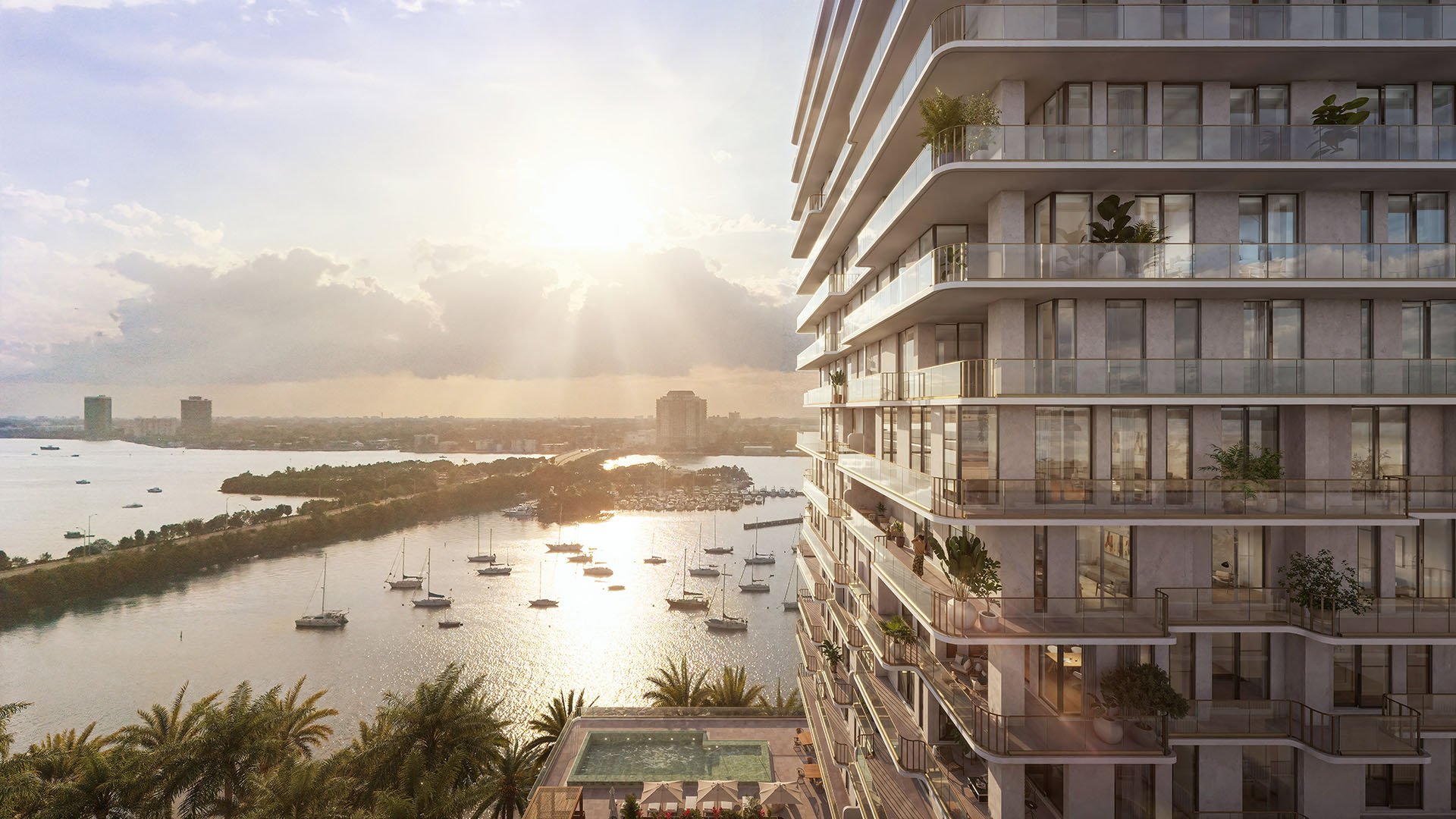
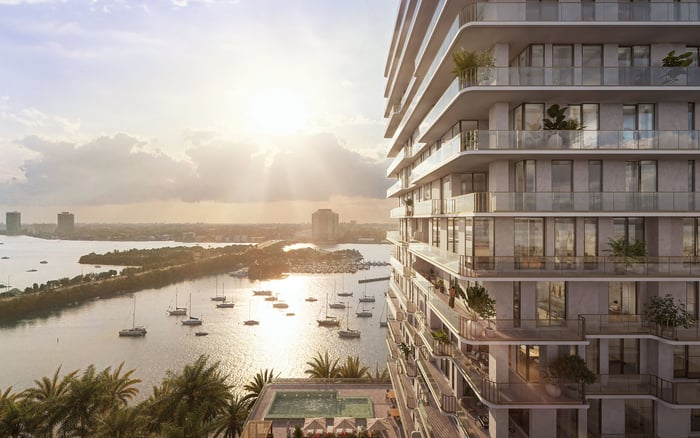
For many luxury buyers, the comparison between Tula Residences North Bay Village and Continuum Club & Residences North Bay Village starts with the expected imagery: water, terraces, resort amenities, and proximity to Miami Beach. The more useful question is quieter and more practical: how will the home live on a windy afternoon, during a crowded winter weekend, or on an ordinary day when the beach is a destination rather than a backyard?
North Bay Village is a bayfront market, not a direct oceanfront Miami Beach market. That distinction should govern the entire decision. Buyers are not choosing a private stretch of sand. They are choosing Biscayne Bay views, bridge access, and a residential position between Miami Beach and mainland Miami. Search filters may point toward North Bay Village, beach access, waterview, terrace, boutique scale, and Continuum Club & Residences North Bay Village. In real life, the answer is more nuanced.
The practical beach question is not whether the building sits on the sand. It does not. The question is how often the buyer expects to use Miami Beach, at what time of day, and with what tolerance for bridge movement, parking, traffic, and seasonal demand.
For a buyer who imagines daily beach walks at sunrise, a true oceanfront or near-oceanfront Miami Beach address may be a cleaner fit. That buyer will naturally compare North Bay Village with beachfront or beach-adjacent options such as The Perigon Miami Beach, where the lifestyle premise is anchored more directly to the coast. For a buyer who wants the beach nearby, but also values access to mainland Miami, Design District dinners, airport routes, or a quieter bayfront base, North Bay Village becomes more compelling.
This is where Continuum’s positioning matters. It is best understood as a luxury North Bay Village condominium option, not as a substitute for private oceanfront ownership. Its value proposition is proximity, setting, and amenity depth rather than sand at the doorstep.
Bayfront living is seductive because the horizon feels open. That same openness can change the way a residence lives. Buyers should study terrace exposure, shade, wind patterns, and how often outdoor space feels genuinely usable rather than merely photogenic.
At Continuum, the bayfront setting makes outdoor comfort a core diligence item. A dramatic view has value, but a terrace that feels too exposed at the wrong hours may function more as a visual amenity than a daily living space. The best questions are specific: Where does the breeze arrive? Does the terrace work for breakfast, cocktails, or both? Is the outdoor area protected enough for reading, dining, or hosting in season?
Tula, framed as the more boutique counterpoint in this comparison, deserves the same scrutiny. Boutique scale can appeal to buyers who want a calmer residential rhythm, but the ownership experience still depends on orientation, exposure, and how private the outdoor spaces feel in practice.
In direct oceanfront buildings, peak-season crowding often centers on the beach, pool deck, valet, restaurant reservations, and elevator demand. In North Bay Village, the crowding question shifts. For Continuum buyers, the pressure is more likely to come from traffic patterns, amenity usage, and the building’s own programming than from a private house beach.
That is not a negative. A club-style building can create the polished, social, resort-like environment many buyers specifically want. The trade-off is that programming creates its own rhythm. Lounges, pools, wellness spaces, dining areas, and resident events can elevate daily life, but they also require a buyer to ask how quiet, spontaneous, and private the building will feel during the most active months.
A useful comparison is not simply “busy versus quiet.” It is “curated energy versus residential restraint.” Continuum reads as more aligned with the former. Tula is better approached as the more boutique side of the conversation. A buyer who wants services, social texture, and a club-driven setting may lean Continuum. A buyer who values discretion, simplicity, and a less programmed residential mood may give Tula more attention.
North Bay Village offers a particular kind of luxury: bayfront perspective with reach in multiple directions. It can feel more residential than tourist-driven Miami Beach, yet still close enough for beach days, restaurants, cultural plans, and nightlife. The strongest buyers do not treat it as a discount version of Miami Beach. They treat it as a different proposition.
That difference becomes clearer when comparing with South of Fifth or other established beach markets. A residence such as Continuum on South Beach belongs to a different lifestyle category, where the oceanfront and neighborhood identity shape value in another way. North Bay Village is more about the waterway, the skyline, bridge access, and a measured separation from the most intense beach crowds.
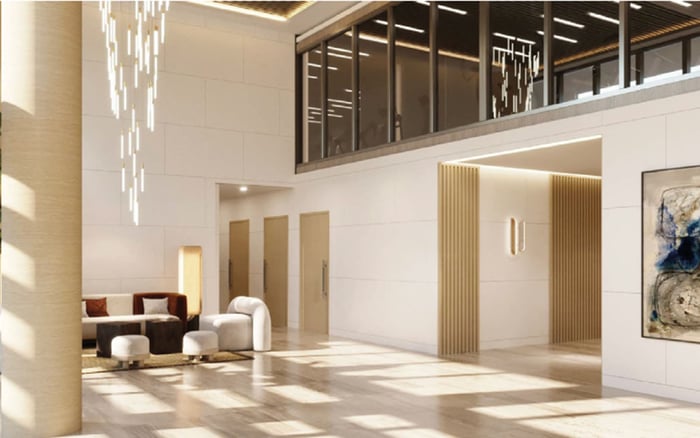
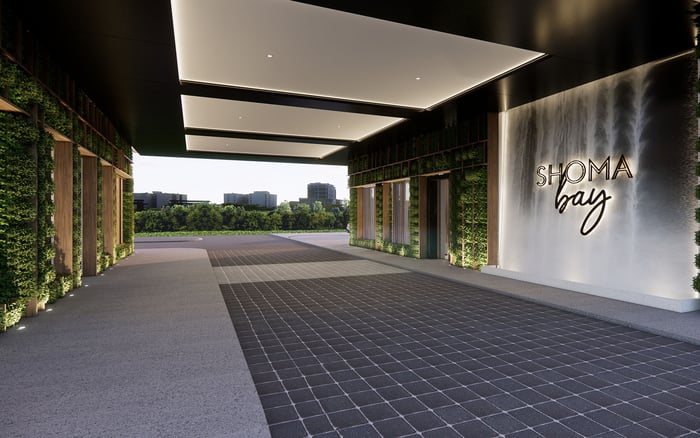
Within North Bay Village itself, buyers may also compare newer bayfront choices such as Shoma Bay North Bay Village to understand how each project balances amenities, density, views, and daily convenience. The point is not to chase the longest amenity list. It is to decide which environment will still feel right after the first season of ownership.
Continuum is likely to resonate with buyers who want a more amenitized, club-style residential environment. They may be downsizing from a single-family home, seeking a second residence with built-in services, or choosing a Miami base that feels social without requiring direct oceanfront pricing logic. For them, the appeal is not only the unit. It is the ecosystem.
Tula’s appeal, by contrast, is most defensible when the buyer wants a more boutique residential profile. That does not automatically make it quieter in every respect, nor does it eliminate the need for diligence. It simply changes the questions. Instead of asking how many programmed experiences are available, the buyer asks how calm the arrival feels, how private the common areas read, and whether the building’s scale supports a more discreet pattern of use.
For both, the strongest due diligence is experiential. Visit at different times. Study bridge movement during the hours you actually live. Stand on the terrace when the breeze is active. Ask how amenities are managed when the building is full. A luxury purchase in North Bay Village should be judged not only by presentation, but by repetition: the Tuesday morning, the winter Saturday, the windy evening, the guest weekend.
Is Continuum Club & Residences North Bay Village oceanfront? No. It is best understood as a luxury North Bay Village condominium option in a bayfront setting rather than a direct oceanfront Miami Beach property.
Is beach access still a valid reason to buy in North Bay Village? Yes, if the buyer wants convenient access to Miami Beach rather than private sand immediately outside the building.
Why does wind exposure matter so much in this comparison? Bayfront openness can affect terrace comfort, outdoor dining, and how often the views translate into usable living space.
Which project is more club-oriented? Continuum is positioned as the more club-driven, resort-like option in this comparison.
How should buyers think about Tula Residences? Tula is framed as the more boutique counterpoint, appealing to buyers who may prefer a more restrained residential profile.
Is peak-season crowding mainly about the beach? Not in this comparison. For Continuum buyers, crowding is more likely tied to traffic, amenities, and building programming.
Who is the natural Continuum buyer? A buyer seeking a highly amenitized, social, club-style environment with proximity to both Miami Beach and mainland Miami.
Who may prefer Tula? A buyer who prioritizes boutique scale, discretion, and a calmer residential rhythm may find Tula more aligned.
Should North Bay Village be compared directly with Miami Beach? Only with care. North Bay Village is a bayfront geography with bridge access, not a direct substitute for oceanfront Miami Beach.
What should buyers test before deciding? They should experience the terrace, commute patterns, amenity feel, and surrounding traffic during the times they expect to use the home most.
For a discreet conversation and a curated building-by-building shortlist, connect with MILLION.
If branded residences are on your mind — as a home or as an allocation — we would be glad to share what we are seeing, privately.
Begin a quiet conversation