A discreet 2026 planning lens for ultra-premium buyers weighing Fisher Island privacy, trust-led ownership, and Palm Beach mainland lifestyle priorities.
For ultra-premium South Florida buyers, the question is no longer only where to live. It is how a residence should be owned, governed, transferred, and protected across generations. That is why Fisher Island trust law and estate planning strategy have become central to the 2026 conversation, especially for families weighing island privacy against the Palm Beach mainland.
A trophy residence is rarely just a home. It can be a family gathering place, a balance-sheet asset, a privacy concern, a succession challenge, and a long-term expression of identity. Trust planning gives families a structure for those overlapping roles. Its value is not complexity for its own sake. Its value is clarity: who may use the property, who maintains it, how expenses are paid, what happens after incapacity or death, and how the asset fits within a broader family office architecture.
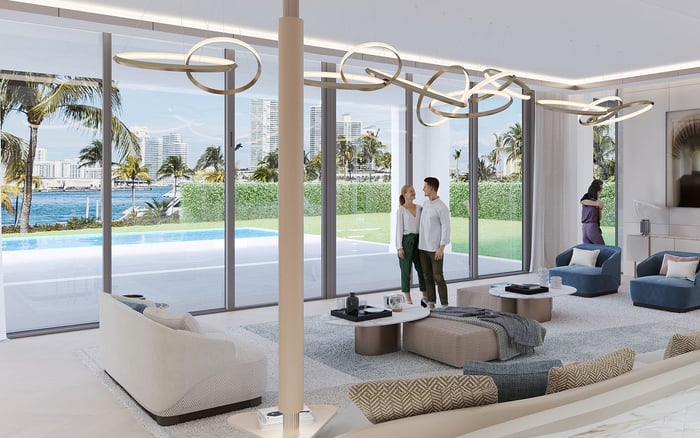
For a Fisher Island buyer, the appeal often centers on discretion, controlled access, and an environment where privacy is part of the lifestyle equation. For a Palm Beach or West Palm Beach buyer, the calculation may place greater emphasis on mainland convenience, civic engagement, philanthropy, medical access, schools, clubs, and daily connectivity. Neither framework is inherently superior. The stronger structure is the one that reflects a family’s actual pattern of use.
In the luxury tier, estate planning should not be treated as a closing-week formality. The ownership vehicle can affect documentation, financing, insurance, family governance, and future transfer options. When planning is deferred, buyers may find themselves trying to retrofit legal structure onto an already emotional purchase.
A trust can help separate personal use from long-term stewardship. It can define beneficiaries, decision-makers, maintenance obligations, and the circumstances under which a residence may be sold or retained. For families with homes in multiple jurisdictions, it can also create a single governing rhythm, so the South Florida property is not managed in isolation.
This is especially relevant when a residence is expected to remain in the family. A second generation may love the idea of inheriting a landmark property but disagree about cost sharing, guest privileges, renovations, staffing, or whether to rent, sell, or hold. A well-drafted trust can reduce ambiguity before it becomes conflict.
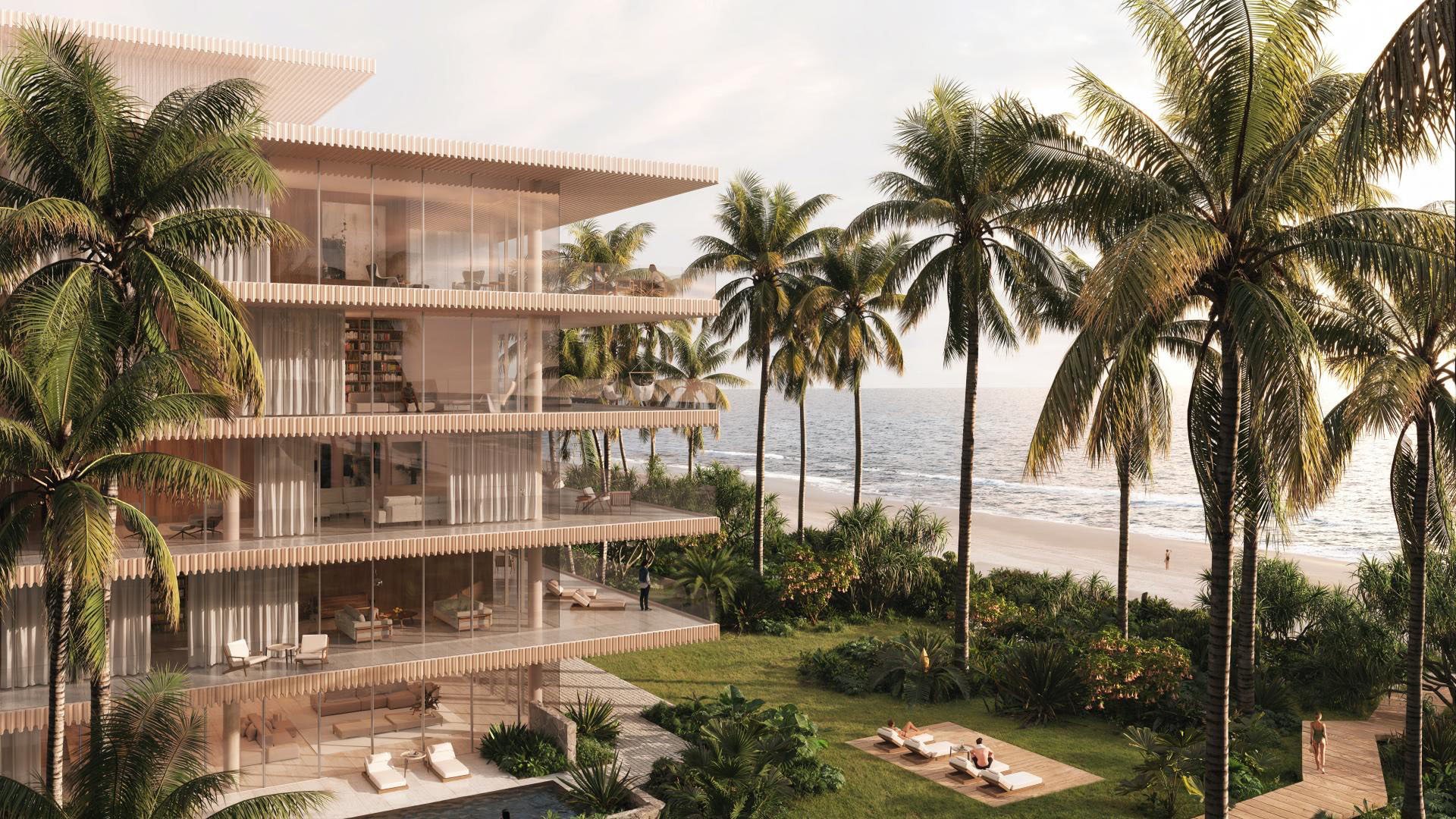
Fisher Island and the Palm Beach mainland speak to different versions of privacy. Fisher Island suggests separation and controlled arrival. The mainland suggests a more connected form of prestige, where the residence participates in a wider daily circuit of dining, cultural life, professional services, and family logistics.
For estate planning, that distinction matters. A residence that functions as a seasonal retreat may require different rules than a primary home used for school-year life, board meetings, philanthropic commitments, and frequent entertaining. The same family might want a tightly governed island residence and a more flexible mainland property, each held with a distinct purpose.
The right structure begins with questions, not forms. Who is the intended user? Is the asset meant to be enjoyed by one branch of the family or shared broadly? Should a surviving spouse have lifetime use? Should descendants be able to force a sale? Should trustees have discretion to fund major repairs? How will privacy be preserved when family ownership broadens?
In South Florida luxury decision-making, this topic sits at the intersection of Fisher Island, Palm Beach, West Palm Beach, investment, second-home, and gated-community priorities. Those words are not merely search categories. They describe how affluent buyers now evaluate lifestyle, control, and generational continuity together.
The most important advantage of trust ownership is not a single tax result. It is coordinated control. Families often use trusts to reduce uncertainty, support privacy, and make succession more orderly. For a high-value residence, that can mean avoiding fragmented decision-making among heirs with different financial profiles or emotional attachments.
Trust planning may also help establish a more durable system for expenses. Luxury homes require ongoing capital: insurance, staff, maintenance, association obligations, reserves, security, design work, and eventual modernization. If the trust is expected to hold the property, it should contemplate liquidity. A beautiful residence can become a burden if the ownership structure does not provide the resources to maintain it elegantly.
Another advantage is governance. Families may appoint fiduciaries, define standards for use, set procedures for resolving disputes, and create guidance for when a sale is appropriate. In practice, these provisions can be as important as the asset itself. They translate family intent into operating rules.
Privacy is another consideration. Ultra-high-net-worth buyers often want ownership and succession handled with minimal exposure. A trust may support that goal, but it must be designed carefully and coordinated with title, lending, insurance, and disclosure requirements. The goal is never secrecy for its own sake. It is discretion within a compliant, professionally managed structure.
On the Palm Beach mainland, the planning conversation may be more operational. Families weighing mainland residences often consider proximity to professional advisors, schools, healthcare, aviation, dining, arts, and offices. The home may be more than a retreat. It may be a base of life.
That can change the trust terms. A property used year-round may need practical rules for household management, renovation decisions, employee continuity, and family access. If the home is part of a larger move to Florida, the structure should coordinate with domicile planning, broader wealth transfer goals, and any existing trusts or entities.
Buyers should also consider the emotional function of the property. A mainland residence can become the family’s convening point, especially when adult children and grandchildren are scattered. If that is the intention, the trust should anticipate usage calendars, guest policies, cost allocation, and the level of trustee discretion needed to keep the home operating without constant family negotiation.
Before selecting an ownership structure, buyers should assemble the right table: estate counsel, tax counsel, real estate counsel, insurance advisors, family office leadership, and lending professionals where relevant. Each sees a different risk.
The most productive questions are direct. Will the property be a primary home, seasonal residence, or legacy asset? Who should control decisions if the principal owner is incapacitated? What happens if beneficiaries disagree? How will the trust fund ordinary expenses and major capital needs? Are there constraints on mortgaging, leasing, selling, or renovating? Should the structure prioritize flexibility, asset protection, privacy, tax planning, or family governance?
A luxury purchase made without those answers can still close beautifully. It may not age beautifully. In 2026, the most refined buyers are planning for both the closing dinner and the third generation.
Is a trust always the right way to own a Fisher Island residence? Not always. The right structure depends on family goals, financing, tax planning, privacy needs, and long-term use.
Why is trust planning relevant before buying? Ownership structure can affect contracts, title, lending, insurance, and succession. Early coordination usually creates more options.
How does Fisher Island planning differ from Palm Beach mainland planning? Fisher Island planning often emphasizes discretion and controlled use, while mainland planning may focus more on daily logistics and family operations.
Can a trust help avoid family disputes over a residence? It can reduce ambiguity by setting rules for use, expenses, decision-making, and sale authority. It cannot replace thoughtful family communication.
Should a second home be handled differently from a primary residence? Often, yes. A second home may need different rules for scheduling, maintenance, guest access, and long-term retention.
What role does liquidity play in trust planning? Liquidity is critical because luxury homes require ongoing maintenance, insurance, staffing, and reserves. A trust should contemplate how those costs are paid.
Can a trust preserve privacy? A trust may support a more discreet ownership and succession plan, but privacy depends on careful coordination with legal, title, lending, and compliance requirements.
Who should be involved in the planning process? Estate counsel, tax counsel, real estate counsel, insurance advisors, and family office professionals should coordinate before closing whenever possible.
Is this mainly an investment question? No. A residence may be an investment, but it is also a lifestyle asset, family symbol, and governance challenge.
What is the most important 2026 takeaway? The most sophisticated buyers are aligning residence selection with succession, privacy, liquidity, and family governance before they purchase.
For a tailored shortlist and next-step guidance, connect with MILLION.
If branded residences are on your mind — as a home or as an allocation — we would be glad to share what we are seeing, privately.
Begin a quiet conversation