A buyer-focused 2026 checklist for evaluating loss-assessment exposure at Bay Harbor Towers, with emphasis on insurance deductibles, reserves, structural records, flood coverage, meeting minutes, and resale liquidity.
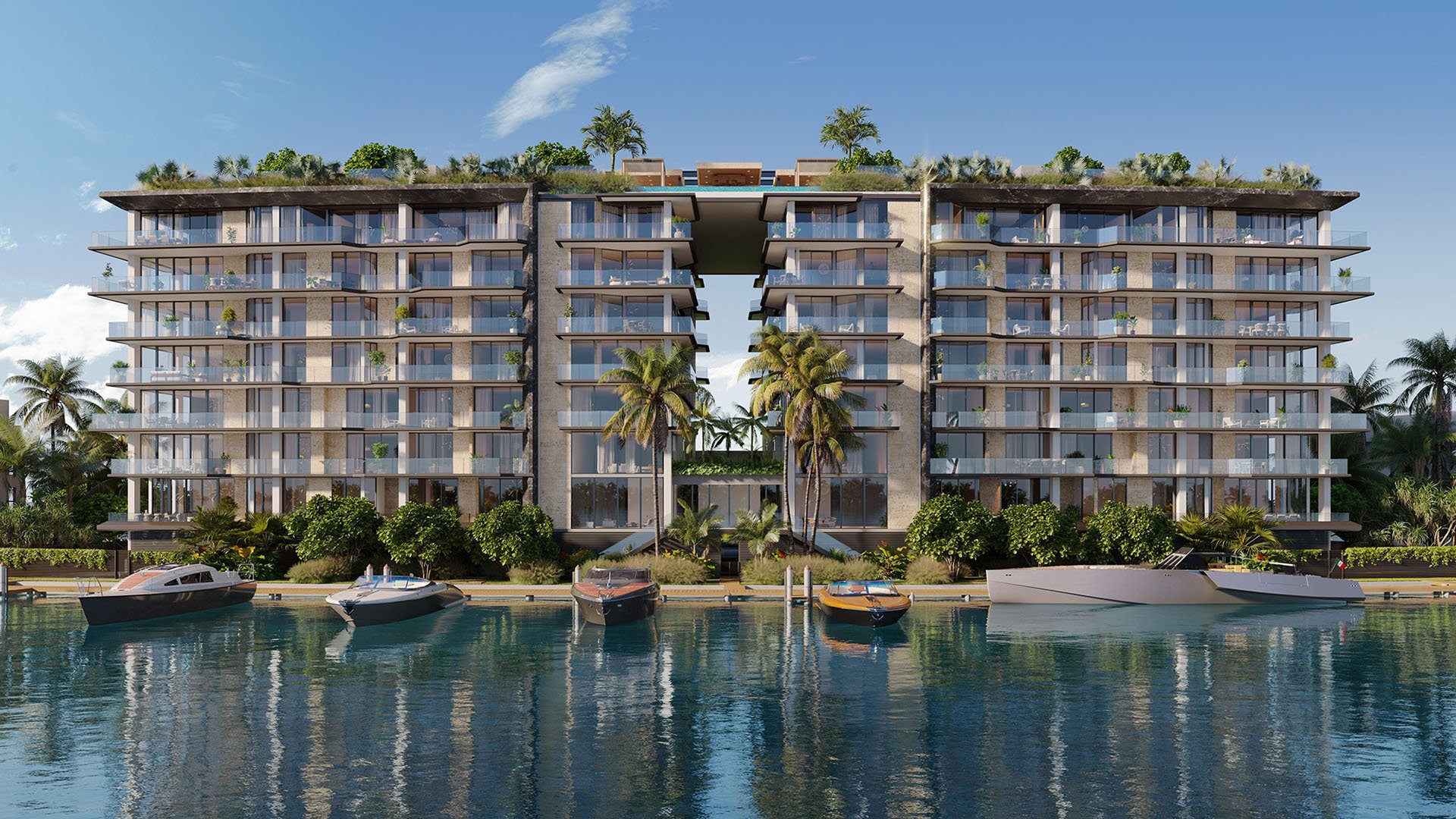
Bay Harbor Towers should be evaluated as a Bay Harbor Islands condominium purchase where the central question is not only price, view, or finish level, but how future costs may be allocated to owners. In 2026, that calls for a disciplined review of loss-assessment exposure before a buyer treats the monthly maintenance figure as the full carrying cost.
A loss assessment can arise when an association cost is not fully absorbed by operating income, reserves, insurance proceeds, or the existing budget structure. The trigger may be a master-policy deductible, an uninsured or excluded loss, a reserve shortfall, structural work, flood-related damage, litigation expense, or a repair program tied to inspection findings. The point is not to assume Bay Harbor Towers has any such issue. The point is to know what to request, how to read it, and what should be resolved before closing.
For a Resale or Investment purchase, even a Waterview residence with a Balcony and Pool access should be measured against the building’s financial and insurance architecture. In the Bay Harbor market, polished presentation can be persuasive, but documentary diligence is what protects capital.
Florida condominium diligence begins with the association file. A buyer should request the declaration, bylaws, rules and regulations, current budget, year-end financial statements, insurance materials, reserve disclosures, board-meeting minutes, and any written statement of pending or contemplated special assessments.
The declaration and bylaws matter because they explain how common expenses are shared, how insurance deductibles may be allocated, and what portions of the property are the association’s responsibility versus the unit owner’s responsibility. The budget and year-end financials show whether ordinary operations are balanced or under strain. Reserve materials indicate whether major components are being funded through planned savings or deferred until a future assessment.
Meeting minutes deserve close attention. They often reveal early signals before a formal assessment appears, including premium increases, carrier nonrenewals, engineering discussions, deferred repairs, reserve concerns, water intrusion, legal disputes, or debates over how to fund work. A buyer should read at least the most recent cycle of minutes and ask for clarification on any recurring theme.
The association’s master insurance is not the same as the unit owner’s condominium policy. That distinction is critical. The master policy may address association property, while an HO-6 policy typically addresses unit-level coverage, personal property, liability, and loss-assessment protection, all subject to its own limits and exclusions.
The master insurance certificate should be reviewed for named-windstorm deductibles, flood exclusions, ordinance-or-law limits, water-intrusion exclusions, and deductible allocation language. The declarations page and endorsements should be compared against the association’s property-insurance obligations, not merely filed away as a closing document.
The buyer’s insurance professional should calculate the possible association deductible exposure and compare it with the proposed HO-6 loss-assessment limit. Standard limits may be too modest for a severe hurricane deductible, flood-related allocation, structural repair assessment, or uncovered claim. Written confirmation matters: a verbal assurance is not a substitute for policy language.
Bay Harbor Islands waterfront condominium diligence should include a direct flood-insurance review. The questions are practical: does the association carry a flood master policy, does the unit owner need separate flood coverage, what deductibles apply, and how could those deductibles be allocated among owners?
Flood diligence should focus on the actual policy materials, deductible structure, exclusions, and any written association explanation of responsibility. Regional coastal context may be useful, but it should not be treated as a property-specific engineering conclusion without a site-specific review.
Windstorm review should be equally precise. Named-storm deductibles can be materially different from ordinary deductibles, and the allocation method can shape owner exposure. Buyers should ask whether prior claims, exclusions, deductible financing, or coverage changes have been discussed by the board.
Reserve materials are a core diligence item for any condominium buyer focused on future assessments. They should be requested with funding assumptions and any related board discussion. The purpose is to determine whether major components are being funded under a forward-looking plan or whether future owners may be asked to close a gap.
Inspection and recertification items should be checked alongside reserve materials when applicable. Buyers should ask for status updates, open issues, required repairs, and whether any unresolved item could translate into a funding need.
Property records can help confirm property identification, legal description, building data, assessed values, and tax history before a buyer relies on marketing materials. This is especially useful when a transaction involves older records, complex legal descriptions, or assumptions about building characteristics.
A clean checklist asks whether any current or planned assessment relates to insurance deductibles, structural repairs, inspection findings, reserve funding, flood damage, seawall work, or litigation. The phrasing should be broad, because exposure is not always labeled as a loss assessment at the outset.
Buyers using financing should also consider condominium project review standards. Insurance, reserves, litigation, special assessments, deferred maintenance, and structural concerns can affect mortgage eligibility. Even cash buyers should care because the same issues can influence future resale liquidity. A beautifully positioned unit can still face a narrower buyer pool if project-level documentation becomes difficult.
Before removing contingencies at Bay Harbor Towers, request the full association document package, current budget, year-end financials, reserve materials, insurance declarations and endorsements, board minutes, inspection materials, engineering correspondence if available, litigation disclosures, and written confirmation of any pending or contemplated assessment.
Then ask three questions. First, what could become an owner charge if the master policy does not pay in full? Second, what major work is known, discussed, or reasonably anticipated? Third, does the buyer’s personal insurance strategy match the association’s deductible and exclusion profile?
This is the difference between admiring a condominium and underwriting one. Bay Harbor Towers may appeal to buyers who value the quieter scale of Bay Harbor Islands, but in 2026 the sophisticated buyer will pair discretion with document-level discipline.
What is loss-assessment exposure in a condominium? It is the possibility that owners may be charged for association costs not fully covered by insurance, reserves, operating funds, or other resources.
Does the master insurance policy protect the unit owner completely? Not necessarily. The master policy and the owner’s HO-6 policy serve different purposes and should be reviewed together.
What insurance items should a Bay Harbor Towers buyer review first? Start with windstorm deductibles, flood coverage, ordinance-or-law limits, water-intrusion exclusions, and deductible allocation language.
Why does the HO-6 loss-assessment limit matter? It may be the buyer’s personal backstop if an association deductible or uncovered cost is allocated to owners, subject to policy terms.
Should meeting minutes be read before closing? Yes. Minutes can reveal early discussions about premiums, repairs, engineering concerns, reserve funding, and possible assessments.
What reserve documents should be requested? Request reserve schedules, reserve disclosures, applicable study materials, and any board discussion about funding gaps.
How does flood risk affect due diligence? Buyers should verify association flood coverage, unit-owner coverage needs, deductible amounts, and how flood deductibles may be shared.
Can inspection issues affect resale value? Yes. Inspection findings, deferred maintenance, litigation, or unfunded repairs can affect financing options and future buyer confidence.
Should property records be checked? Yes. They can help verify property identification, legal description, building data, assessed values, and tax history.
Is this checklist a finding that Bay Harbor Towers has a problem? No. It is a buyer diligence framework designed to identify exposure before contingencies are removed.
For a confidential assessment and a building-by-building shortlist, connect with MILLION.
If branded residences are on your mind — as a home or as an allocation — we would be glad to share what we are seeing, privately.
Begin a quiet conversation