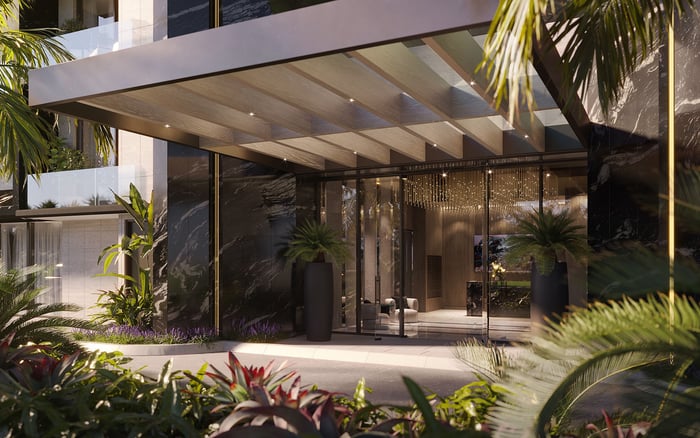
A privacy-focused buyer’s guide to evaluating doorman discretion at Bay Harbor Towers before contract, from visitor protocols to staff supervision and lobby behavior.
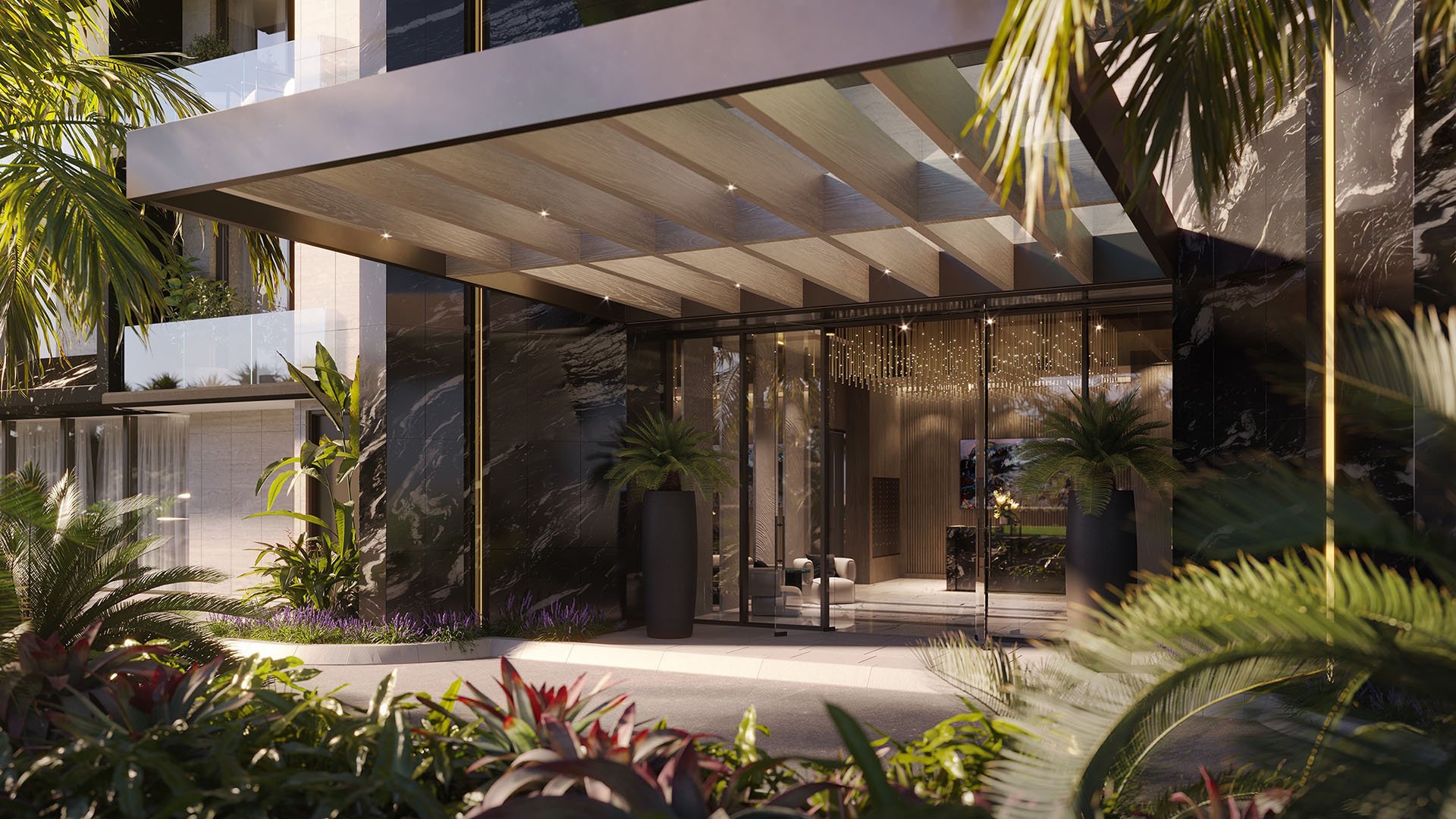
At Bay Harbor Towers, the most consequential questions are not always limited to view corridors, floor height, finishes, or monthly carrying costs. For privacy-sensitive buyers, the front door is part of the asset. A doorman or concierge desk can either protect the quiet confidence of daily life or expose patterns residents would prefer to keep private.
That distinction matters before contract, not after closing. A buyer may admire a residence, value its location, and still need to understand how the building handles names, visitors, deliveries, contractors, unexpected arrivals, and sensitive incidents. The lobby is where a building’s private life meets the public realm. In a refined condominium, the goal is not theatrical service. It is calm, consistent, discreet control.
For a Bay Harbor buyer comparing a boutique building, a resale opportunity, a waterview home, or an exclusive-area address near Bal Harbour, front-of-house conduct deserves the same seriousness as reserves, maintenance, and rules. Discretion is not merely an amenity. It is a risk-management function that shapes both security and quality of life.
The first mistake is judging discretion from one polished greeting. A senior doorman may be charming, informed, and careful during a scheduled showing, but a buyer needs to know whether that standard is institutional rather than personal. The question is not only who is on duty today. It is whether the building’s privacy culture survives shift changes, weekends, new hires, vacations, and staff turnover.
A discreet front desk understands what not to say. Staff should avoid discussing resident names, schedules, guests, deliveries, occupancy, travel, or household routines in public lobby areas. Casual conversation can feel harmless until it reveals who is home, who is away, who receives frequent visitors, or which unit has valuable deliveries arriving. For high-profile households, family offices, executives, medical professionals, and anyone who values anonymity, these small disclosures can change the feel of a building.
A buyer should observe how the lobby operates when no one is performing for a showing. Visit at different times of day if possible. Morning contractor traffic, late-afternoon package volume, evening guest arrivals, and weekend social movement can reveal whether access norms are enforced consistently or relaxed selectively.
The most useful diligence is practical. Ask how visitor identification is handled, how guests are announced, and what happens when someone arrives without being expected. The objective is not to interrogate staff. It is to understand whether the building has a repeatable approach that protects residents without creating unnecessary friction.
Contractors require particular attention. They often enter with tools, assistants, deliveries, and shifting schedules. A buyer should ask how contractor access is approved, logged, supervised, and limited to appropriate areas. The same scrutiny applies to vendors, drivers, domestic staff, and service providers. The more affluent and active the household, the more people may interact with the front desk. A refined building needs procedure, not improvisation.
Packages are another overlooked privacy channel. Deliveries can reveal shopping habits, medical suppliers, travel patterns, renovations, business activity, and household size. Buyers should ask how packages are received, stored, announced, and released. They should also ask whether sensitive deliveries are handled with additional care and whether staff avoid announcing package details where others can hear.
Unexpected arrivals are often the true test. A friend, reporter, contractor, former employee, salesperson, or unrecognized guest may appear with confidence. A discreet building should know how to manage that moment without disclosing whether a resident is home, away, willing to receive the visitor, or even affiliated with the building.
A gracious lobby can still be loosely managed. Before signing, buyers should ask who supervises front-of-house staff and how expectations are communicated. The most important answers are often structural: onboarding, confidentiality expectations, incident escalation, and accountability. Buyers do not need private personnel files or internal documents to form a view. They need to know whether discretion is treated as a building standard.
Staff turnover risk is part of the analysis. A building that depends on one exceptional doorman may feel excellent until that person leaves. A building with a shared code of conduct, clear supervision, and consistent routines is more likely to preserve its tone over time. That continuity is especially valuable in a condominium where residents expect a stable standard of privacy through market cycles, board changes, and staffing transitions.
The buyer’s attorney and advisor can also help frame questions during diligence. The aim is not to demand guarantees, which no building can reasonably provide. It is to identify whether the building’s operating culture aligns with the buyer’s tolerance for visibility.
Discretion improves daily life in ways that rarely appear in listing language. It reduces stress. It limits gossip. It helps prevent the casual leakage of names, routines, visitors, and deliveries. It allows a resident to move through the building without feeling observed, discussed, or explained.
That experience can influence value. For some buyers, the premium elements of a residence include light, water, terrace depth, and location. For others, especially those managing public profiles or private family matters, the quiet competence of the front desk belongs in the same conversation. A building that can offer hotel-style service without broadcasting resident movements creates a more composed form of luxury.
At Bay Harbor Towers, buyers should therefore treat doorman discretion as part of the total purchase thesis. It does not replace traditional diligence on the unit, association, rules, or costs. It complements it. The right question is not whether the doorman is friendly. The right question is whether the building protects privacy when the resident is not there to manage the moment personally.
Before contract, buyers should walk through several scenarios. How is a guest handled when the resident has not answered the phone? What if a contractor claims urgency? What if a driver asks whether a resident is upstairs? What if a package appears valuable or medically sensitive? What if a visitor asks for a unit number or confirms a resident name aloud?
Listen for answers that are calm and consistent. Vague assurances may sound elegant, but the best buildings rely on habits that can be repeated under pressure. Buyers should also pay attention to body language in the lobby. Do staff lower their voices when speaking about residents? Do they redirect sensitive conversations away from public areas? Do they appear comfortable saying no to an unverified visitor?
A discreet building does not need to feel severe. In fact, the most polished front desks often feel effortless because the boundaries are clear. Hospitality and privacy can coexist, but only when service is disciplined enough to avoid becoming chatter.
Why does doorman discretion matter at Bay Harbor Towers? It affects how resident information, visitors, deliveries, and sensitive situations are handled before they become visible to others.
Should I evaluate doorman conduct before signing a contract? Yes. Front-of-house behavior is part of the building’s privacy and security profile, not merely a hospitality detail.
Is one positive lobby interaction enough? No. A buyer should look for consistent practices that survive different shifts, staff members, and daily traffic patterns.
What visitor questions should a buyer ask? Ask how guests are identified, announced, approved, and handled when they arrive unexpectedly or without clear authorization.
How should contractor access be evaluated? Ask how vendors are approved, logged, directed, and prevented from moving through the building beyond appropriate areas.
Can package handling affect privacy? Yes. Deliveries can reveal routines, purchases, household activity, and sensitive personal details if handled casually.
What should I observe in the lobby? Watch whether staff discuss resident names, schedules, visitors, occupancy, or deliveries within earshot of others.
Why does staff turnover matter? A strong privacy culture should not depend on one exceptional doorman; it should be supported by supervision and expectations.
Is discretion more important for high-profile buyers? It can be. Public figures and privacy-conscious households may place significant value on reduced visibility and controlled access.
Can discretion influence long-term livability? Yes. A discreet front desk can reduce stress, gossip, unwanted attention, and the feeling of being watched at home.
For a discreet conversation and a curated building-by-building shortlist, connect with MILLION.
If branded residences are on your mind — as a home or as an allocation — we would be glad to share what we are seeing, privately.
Begin a quiet conversation